What actually happens inside a brake pad during braking?
Far more than simple friction.
Within seconds:
• Temperature rises rapidly
• Surface contact points change continuously
• Energy converts into heat
The friction interface becomes highly dynamic.
Many foundries still struggle with:
Low carbon absorption
High sulfur
Inconsistent recarburizer performance
Here’s why graphite recarburizer is becoming the preferred solution
#Casting#Graphite
Not all carbon additives are the same.
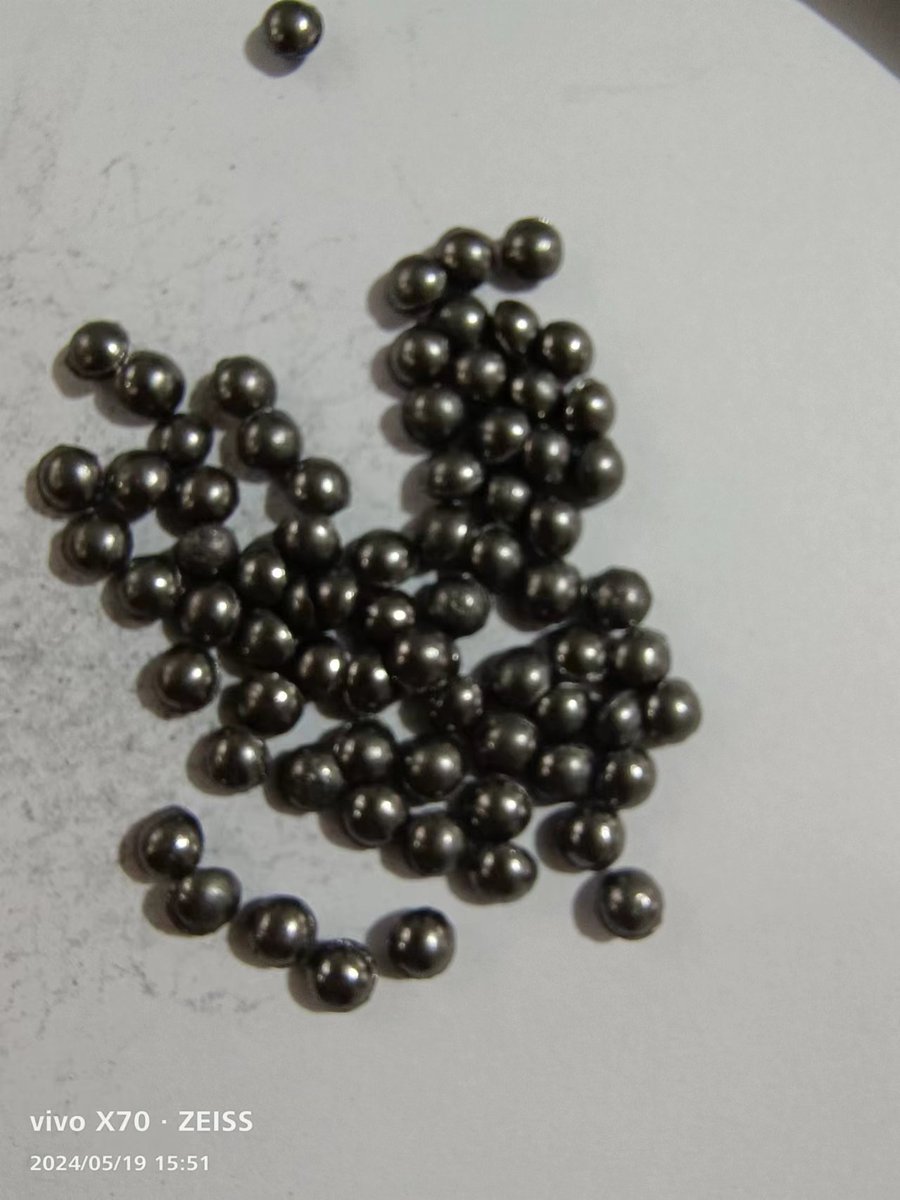
Graphite recarburizer (from natural flake graphite) offers: Higher absorption rate;Lower sulfur;More stable performance
Especially with a fish-eye shaped structure for better dissolution.
Widely used in foundry & steelmaking.
#Recarburizer
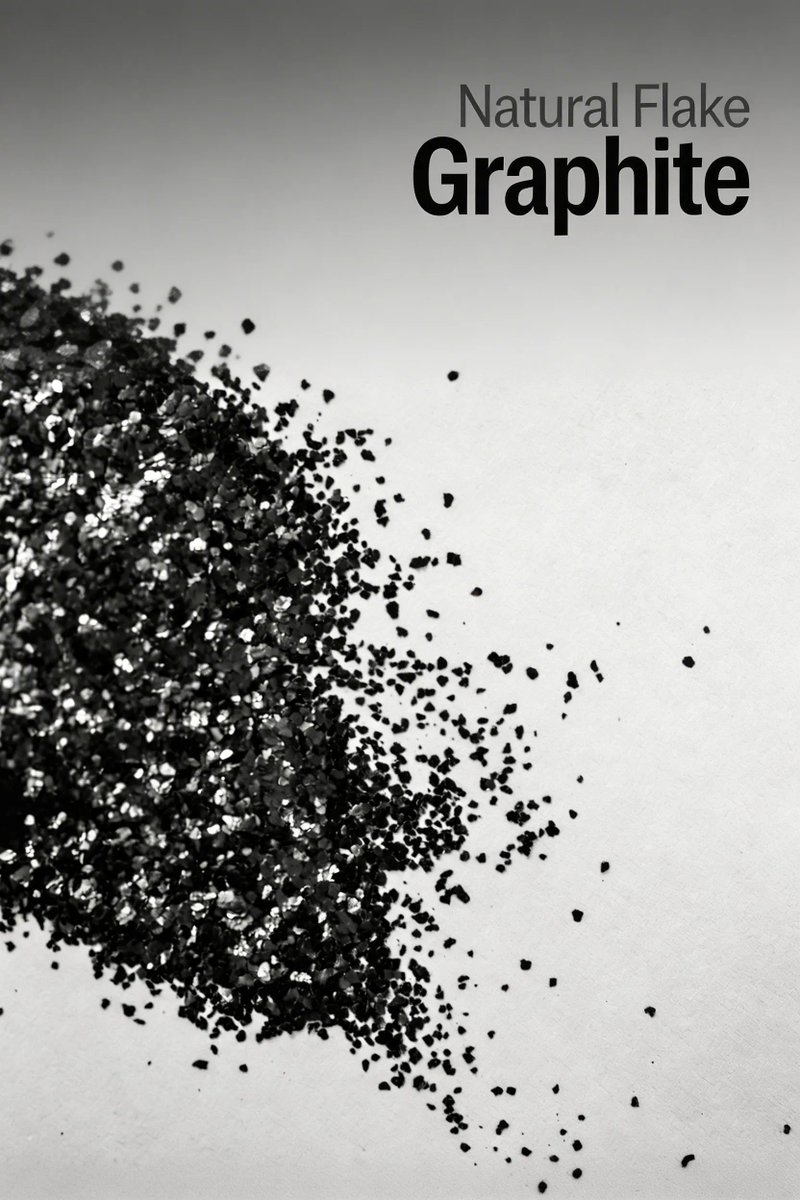
Flake graphite works because of its layered structure.
It stabilizes friction
reduces wear
handles high temperature
Selection matters more than people think.
https://t.co/tqst3A13Fn
Flake graphite vs amorphous graphite:
Not a competition — a trade-off.
Performance vs cost
Stability vs flexibility
In friction materials, many systems use both.
#graphite#engineering
Brake noise, unstable friction, and wear issues are still common challenges in friction systems.
Why does it happen?
The answer is often hidden in material formulation — not just design or mechanics.
Lubrication isn’t just about reducing friction — it’s about maintaining performance under stress.
Graphite doesn’t rely on viscosity — it relies on layered shear.
That’s why it’s widely used in: Forging, Drilling fluids, Powder metallurgy
#tribology#graphite
Most lubricants break down under heat.
Graphite doesn’t.
That’s why it’s used in forging, drilling, and high-load systems where reliability matters most.
#industrial#materials#graphite
Our high-carbon lump graphite withstands ~3600°C, resists corrosion, and offers self-lubrication for refractories & steelmaking applications. Lightweight but ultra-strong – ideal for forging & casting. Inquiry today for sample & spec sheet!#Graphite#Steelmaking#Metals
The selection of expandable graphite is a technical decision.
Engineers should evaluate:
• Expansion temperature
• Expansion ratio
• Particle size distribution
• Sulfur & ash content
• Batch consistency
#ExpandableGraphite#FireSafety#MaterialsEngineering
Expandable graphite selection is an engineering decision — not a commodity purchase.
• Expansion onset temperature
• PSD consistency
• Sulfur content
• Lot stability
Procurement should evaluate supplier reliability and compliance capability.
#ExpandableGraphite#FireSafety
Expandable graphite isn’t one-size-fits-all.
Expansion ratio + particle size + activation temp must match your system.
Grade selection determines fire performance.
#ExpandableGraphite#Intumescent
Expandable graphite works through a physical expansion mechanism, not chemical inhibition.
Under fire exposure, it forms an insulating carbon barrier that reduces heat, flame spread, and smoke.
A reliable halogen-free flame retardant for coatings and PU foam.
#ExpandableGraphite
January = prime window for Q1 graphite planning.
Confirm orders & permits before Lunar New Year. Ship after the holiday when freight pressure often eases.
Q1 2026 is here — lock in material performance early. Natural graphite for coatings, foundry & powder metallurgy: focus on PSD control, low ash & multi-lot testing.