An exciting battle in Heat 4 as @zmarzlik95 goes back and forth with Fredrik Lindgren 🔥
This could have been a repeat of the #LatvianSGP Final 👀
#FIMSpeedwayGP
"The Most Dangerous Animal in the World" exhibit, which debuted in 1963 at the Bronx Zoo in the Bronx, New York City, was a thought-provoking display that aimed to raise awareness about the impact of human behavior on the planet. At the forefront of this exhibit was a simple yet powerful installation—a large mirror strategically placed in the center, inviting visitors to contemplate their own reflection and the profound message it conveyed.
Accompanying the mirror was a series of text panels that eloquently elucidated the dangers humans pose to life on Earth. The exhibit's intention was to highlight how our species, despite its intelligence and potential for positive change, has become the most significant threat to the delicate balance of nature and the survival of numerous other species.
The exhibit's profound impact and critical acclaim prompted its replication at the Brookfield Zoo in Chicago in 1968. Recognizing the value of the message conveyed, the organizers sought to bring this thought-provoking experience to a wider audience. The Chicago exhibit faithfully recreated the original installation, ensuring that visitors were confronted with the same introspective and unsettling experience that had captivated New Yorkers five years prior.
The duplicated exhibit at Brookfield Zoo aimed to foster a sense of responsibility and encourage visitors to reflect upon their own actions and choices. By showcasing humans as the most dangerous animal, it sought to challenge the commonly held notion that we are separate from the natural world, reminding us that our actions have far-reaching consequences for the environment and the countless species we share this planet with.
Both versions of "The Most Dangerous Animal in the World" exhibit served as poignant reminders of the urgent need for environmental stewardship and the importance of recognizing our collective impact on the Earth. By provoking introspection and fostering a sense of environmental consciousness, these exhibits played a vital role in raising public awareness and inspiring meaningful change in the way humans interact with the natural world.
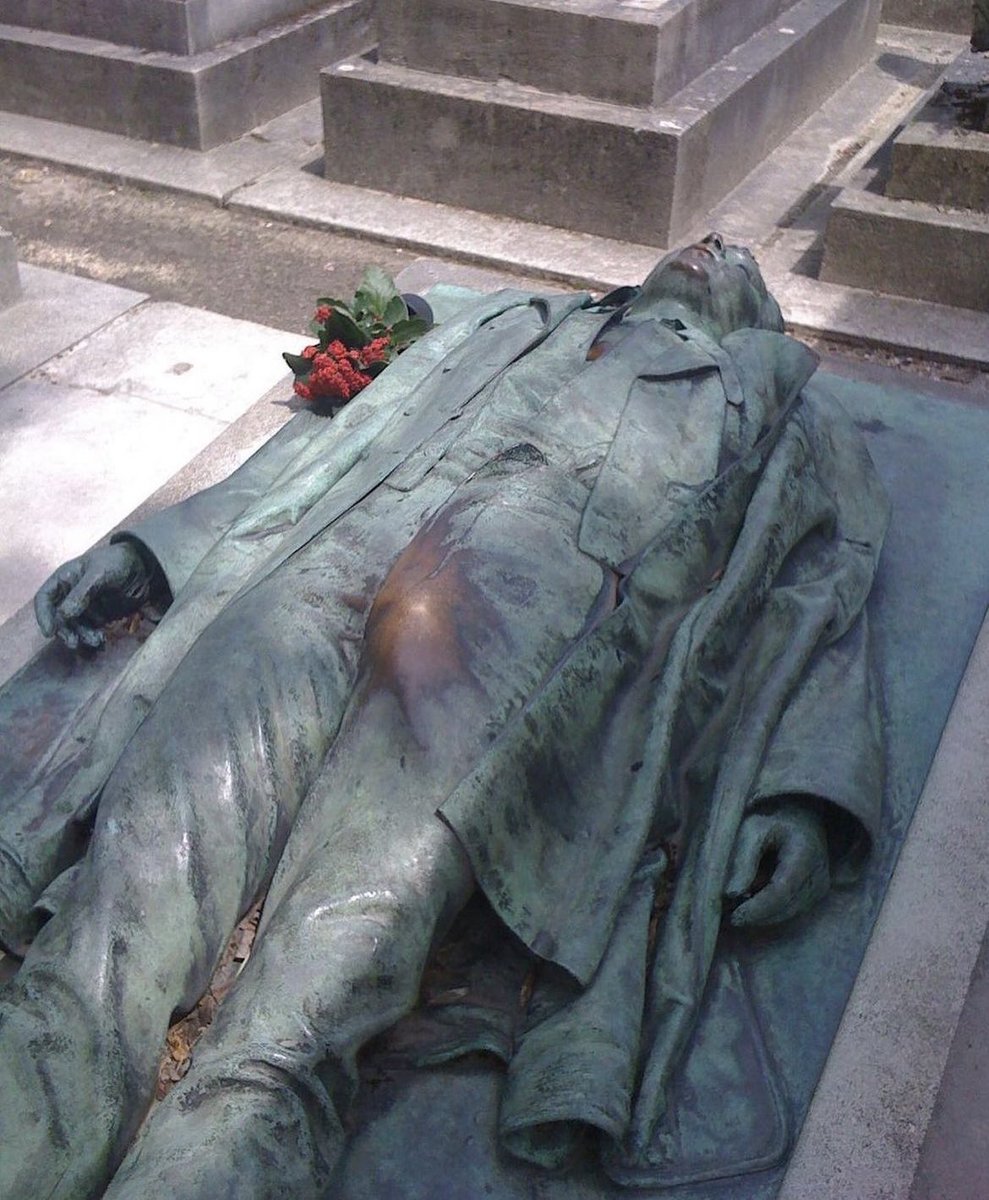
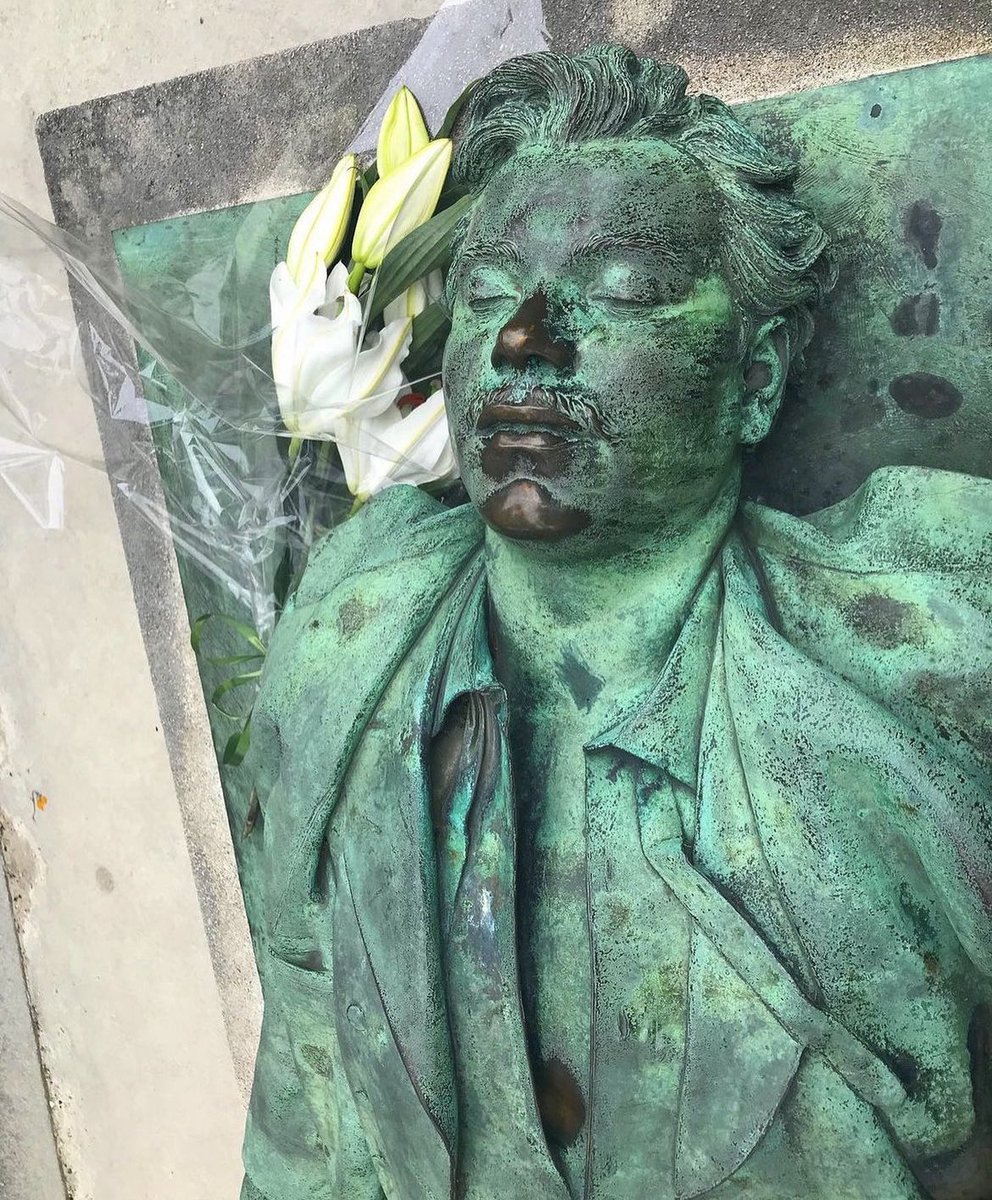
French journalist Victor Noir's grave features a sculpture with a highly noticeable protuberance in Noir's trousers. This unique characteristic has turned it into one of the most popular memorials for women to visit in the renowned cemetery. According to the myth, women can enhance fertility, bring about a blissful sex life, or even find a husband within a year by following a specific ritual. The ritual involves placing a flower in the upturned top hat, kissing the statue on the lips, and rubbing its genital area. Over time, these specific parts of the statue have become worn and shiny due to the legend's popularity, as depicted in other images. Victor Noir met his demise in 1870, and the life-sized bronze statue portrays him in a realistic style, as if he had just fallen on the street after the incident.
Afery władzy z ostatnich 24 godzin:
- Rząd nie miał pojęcia, że spadła na Polskę rosyjska rakieta
- Państwowa firma robiła remont mieszkania europosłowi
- Wiceminister został doradcą podatkowym bez egzaminu
Afery opozycji:
- Trzaskowski ma stare Volvo w dieslu