In 1933, archaeologists lifted a stone box from a corner of the Apadana at Persepolis. Inside lay two tablets, one gold and one silver, buried around 515 BC and untouched since. Darius the Great had written down the size of his empire and asked Ahuramazda to protect his house.
Tras más de mil 400 años sellada bajo tierra —entre climas extremos, humedad persistente y los constantes sismos que sacuden la región— la Tumba 10 de Huitzo, en el Valle de Etla, Oaxaca, dejó al descubierto por primera vez el esplendor de su arquitectura y decoración. En medio de la expectación, el asombro y el respeto, La Jornada realizó un recorrido exclusivo en la cima del cerro de la Cantera ⛰️
El hombre de la imagen es Mariano Barbacid, uno de los científicos más importantes en la investigación del cáncer.
Recientemente, su equipo ha logrado resultados extraordinarios en modelos animales, consiguiendo erradicar tumores de cáncer de páncreas en laboratorio mediante nuevas estrategias dirigidas a genes clave del crecimiento tumoral. Un avance enorme que abre la puerta a posibles terapias futuras contra uno de los cánceres más agresivos y letales que existen.
Y, sin embargo, ocurre algo desalentador.
En muchas publicaciones sobre este logro, algunas personas prefieren centrarse en hacer comentarios ofensivos sobre una marca en su rostro, en lugar de reflexionar sobre la magnitud de su trabajo, el conocimiento acumulado durante décadas y las vidas que estos descubrimientos podrían salvar.
Mientras unos juzgan apariencias, otros dedican su vida a luchar contra enfermedades que afectan a millones.
La ciencia avanza gracias a personas como él.
Lo verdaderamente importante no está en un rostro… está en los resultados. 🧬💙
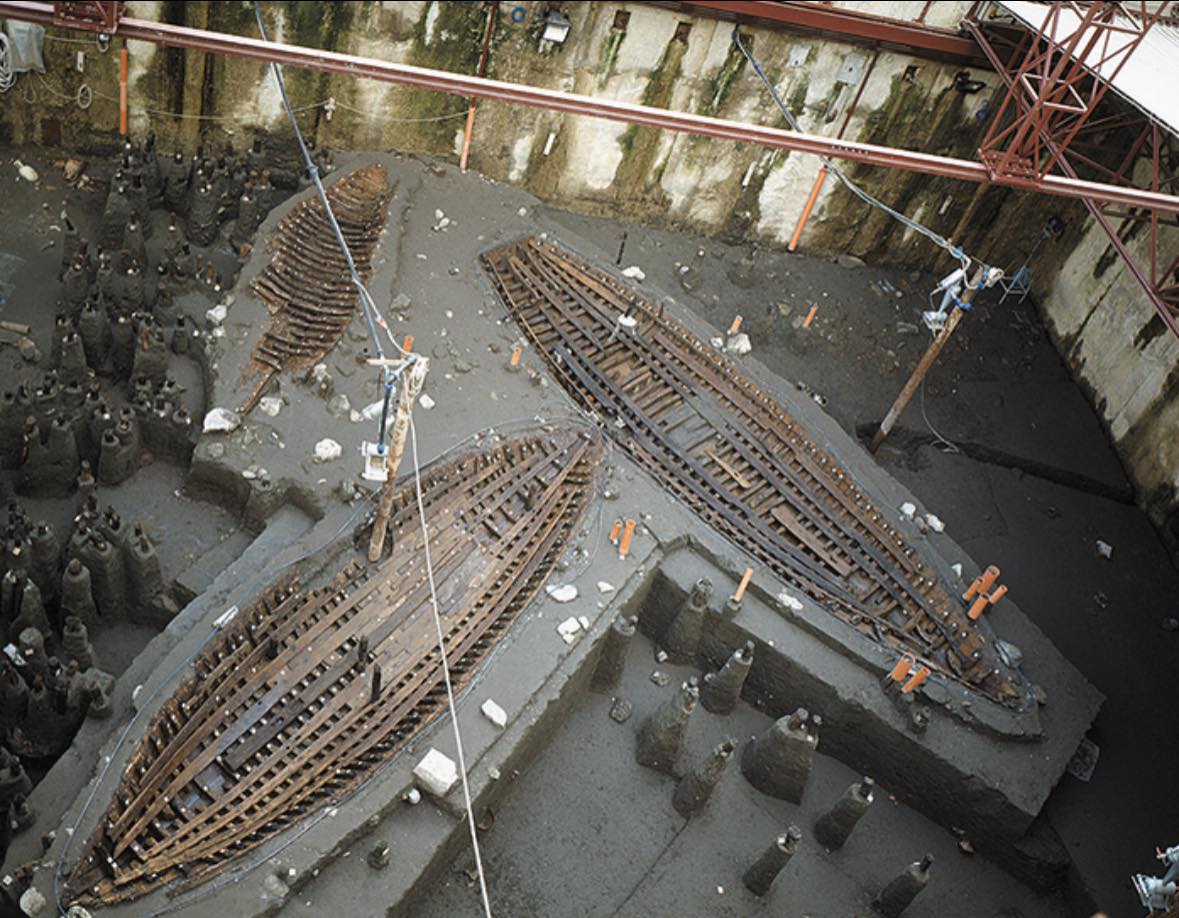
El 23 de mayo de 2015 se inauguró, tras más de una década de obras, la estación de metro Municipio en Nápoles. La ciudad miraba al futuro, pero también al pasado. La construcción permitió descubrir el puerto romano, más de 3000 objetos y, sobre todo, 7 impresionantes barcos 🧵👇
The Color of Pomegranates (1969, 1hr 9min) Streaming for Family Members on https://t.co/3biS8wcuLV & Apps in North America.
https://t.co/xGvm7jllgu
Directed by Sergei Parajanov.
The story of 18th-century Armenian poet and musician Sayat-Nova, told through moments from his life from childhood to his final days.
Jacques Tourneur explica cómo el terror mostrado en su cine siempre es sugerido y nunca mostrado, como en “La mujer pantera” (“Cat People”, 1942).
Recuerda que está a la venta nuestro libro “El cine de terror”, de Joaquín Vallet @joaquinvallet78#lamujerpantera#catpeople
In 1940, they found the untouched tomb of Pharaoh Psusennes I (the Silver Pharaoh) in Tanis.
One of the richest royal burials ever uncovered.
But World War II had just started, so almost nobody paid attention.
Big find, terrible timing.
Llevo semanas recorriendo el mundo árabe, desde lo profundo, hablando con gente del común, teniendo conversaciones densas y todos me dicen lo mismo:
Existe un “país” muy, muy, muy interesado en que cristianos y musulmanes se odien entre sí.
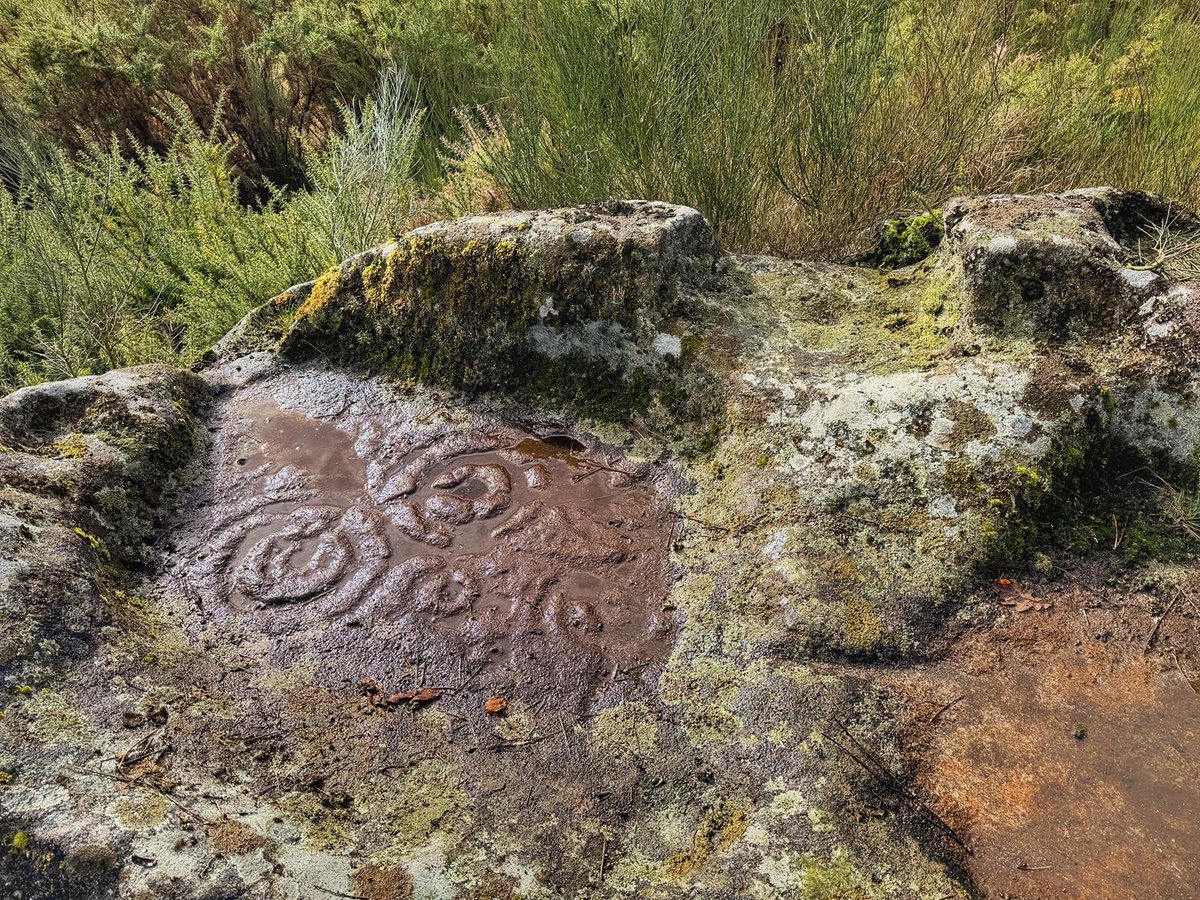
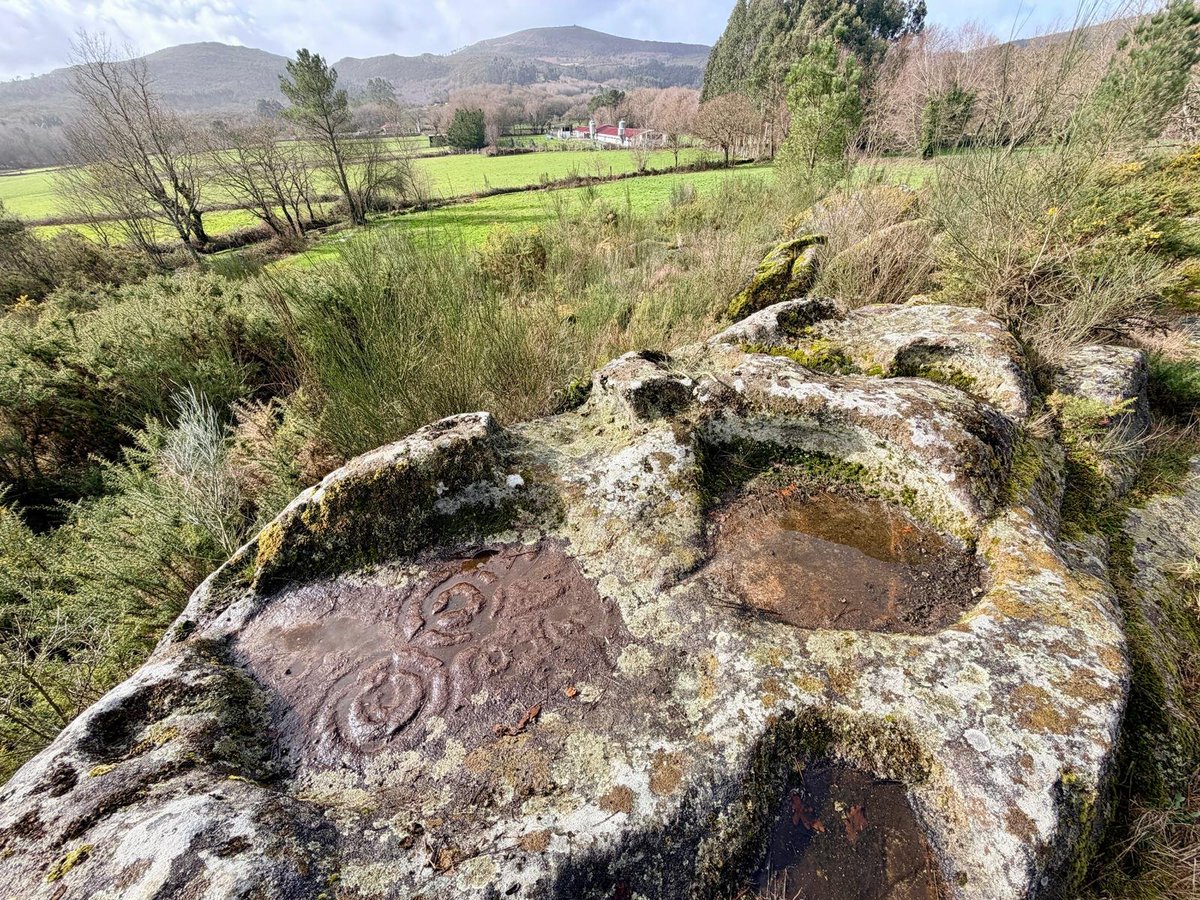
O petróglifo de Pena Longa (Silleda) amósanos como para os autores os penedos non eran só 'papel' para riscar trazos, senón elementos dinámicos que eran parte da composición. Aquí fixeron unha canaleta para traspasar a auga entre as pías e crear un marabilloso efecto visual.
The Imperial Treasury of Vienna houses one of the most unusual artifacts of the 17th Century: a glass container said to hold a real demon. According to historical records, the object was the result of a formal exorcism conducted in Germany, where a demon was allegedly captured and sealed within a glass vessel. This macabre relic offers a glimpse into early modern beliefs about evil, the supernatural, and spiritual authority.
Exorcisms during the 1600s were often elaborate and documented events. Clergy believed that demonic forces could physically manifest or influence humans, and special rituals were performed to expel them. In this particular case, accounts suggest that after the ritual, the demon was trapped in glass as a warning and a demonstration of the Church’s power over malevolent entities. The object was later transferred to the Imperial Treasury in Vienna, where it was preserved as a curiosity and as proof of spiritual intervention.
The glass vessel itself is simple but carefully sealed, suggesting the exorcists intended it to remain undisturbed. While modern science cannot verify the presence of supernatural entities, the artifact provides insight into the cultural and religious mindset of the era. Belief in demons, possession, and spiritual warfare was widespread, influencing daily life, law, and medicine in 17th-century Europe.
Scholars studying the object highlight its historical and psychological significance. It reflects how fear, faith, and ritual intersected, producing tangible items meant to embody spiritual truths. Visitors to the Imperial Treasury have long been fascinated by this relic, debating whether it represents actual supernatural containment, symbolic ritual, or a mixture of both. Regardless, it remains one of the most striking examples of early modern attempts to confront and materialize the invisible forces believed to inhabit the world.
Today, the demon-in-glass is displayed as a rare piece of spiritual history, captivating historians, theologians, and the curious alike. It offers a window into how people of the 17th century understood evil, the unknown, and the extraordinary lengths they went to control forces beyond human comprehension. The artifact remains a powerful testament to human imagination and the enduring fascination with the supernatural.
#archaeohistories
Seeing the Pink Panther main theme performed live is unreal. Henry Mancini conducting, Plas Johnson on sax like the original recording, and the Terry Gibbs Band locking in behind him.
Film music history happening in real time.