What do people ordinarily mean by "beautiful"?
New experimental philosophy studies
suggest that "beautiful" differs in some pretty fundamental ways from, say, "pretty"
For example, people think you can say "true beauty" but not "true prettiness"
https://t.co/1bOVkkRYqu
Core finding of this paper:
People think it makes sense to say that even though something clearly isn't beautiful in a superficial sense, there is some deeper sense in which it is truly beautiful
But people think that would not make sense for a word like "pretty"
@MeganTStevenson Clearly, we are learning something of profound theoretical importance from the fact that RCTs show so little effect of most interventions
It’s *so* strange that we don’t see more work exploring different theories designed to explain why this happens!
Why it’s so hard to agree on what counts as true https://t.co/r1PyNAWBkZ New research has mapped people’s contrasting conceptions of the truth. No wonder so many arguments feel irresolvable
Introducing - Where should I publish my x-phi? A new community resource for experimental philosophers, integrating info and metrics for choosing x-phi friendly journals. We'd love more community input and feedback. Check it out! https://t.co/UCoI9ZEUgO
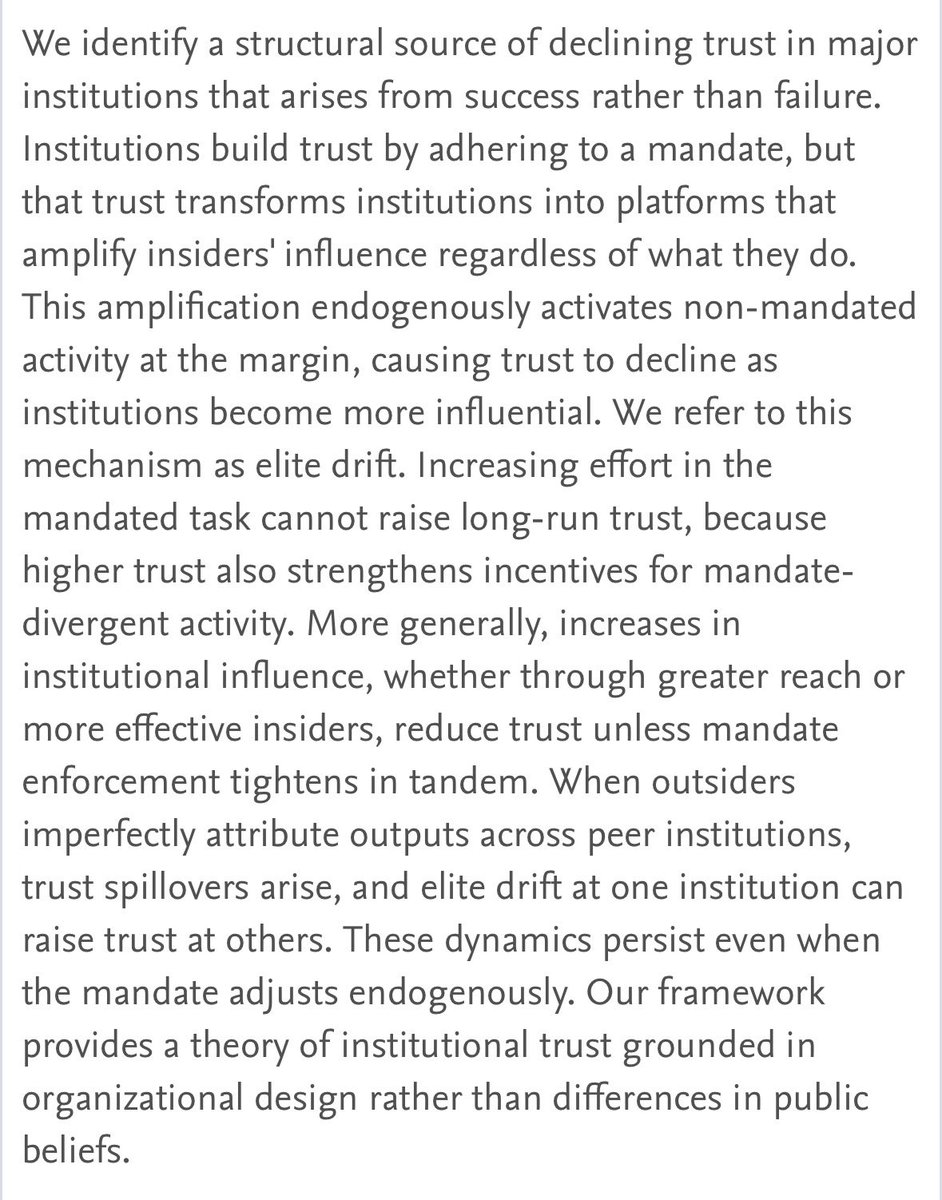
The result is an equilibrium. The trust you build in the discipline through your careful research is actually part of what creates the incentive to make wild claims with no good evidence, which in turn creates decreased trust
New theory of trust in institutions from Sanga and Givati
The theory suggests a new way to understand the ups and downs we see in trust in academic disciplines (how much people trust psychology, philosophy, etc.)
Thread
https://t.co/h2NpPJggqZ
But then, once there is a lot of trust in the discipline, people will have an incentive to take advantage of that trust:
They will capitalize on it to advance other agendas that don’t have to with finding the correct answer… which then leads to decreased trust
People's philosophical intuitions often clash. Is this due to conflicts between underlying beliefs? Three studies validate a new belief inventory and show laypeople collectively and individually hold conflicting beliefs about vision: https://t.co/liZhDBpxdB
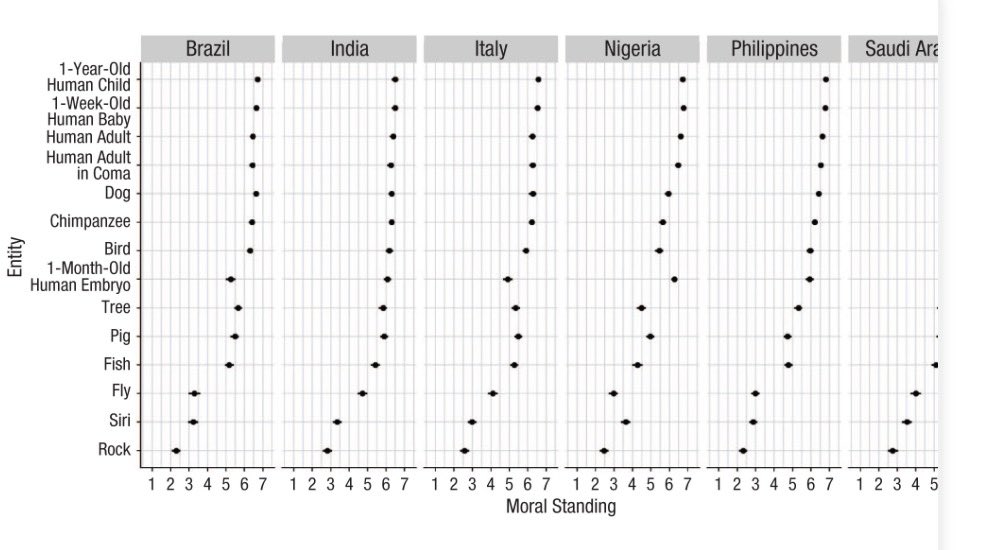
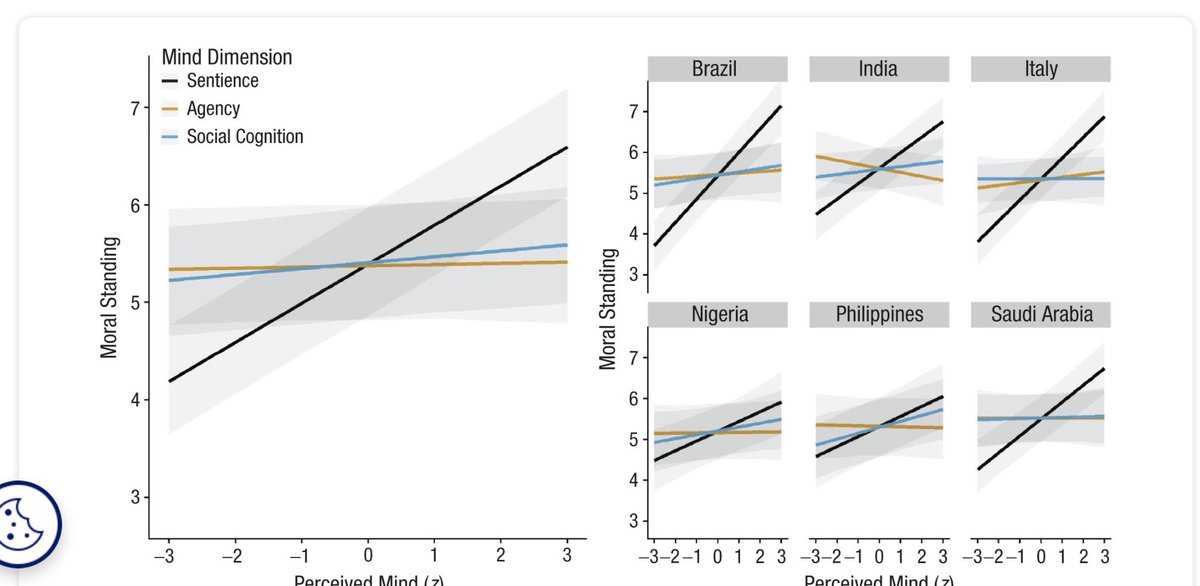
How do people decide whether it’s wrong to harm a pig? A chimp? A baby?
In the West, these judgments are based more on *experience* (being able to feel) than on *agency* (being able to think and act)
Study from @bxjaeger finds that same pattern across other cultures
Why we love sad music? You probably don’t want a stranger telling you how lonely they are... so why do you want a stranger *singing* about how lonely they are?
Cognitive scientist/opera singer Tara Venkatesan on experimental results about this puzzle https://t.co/S4dgXazPrf
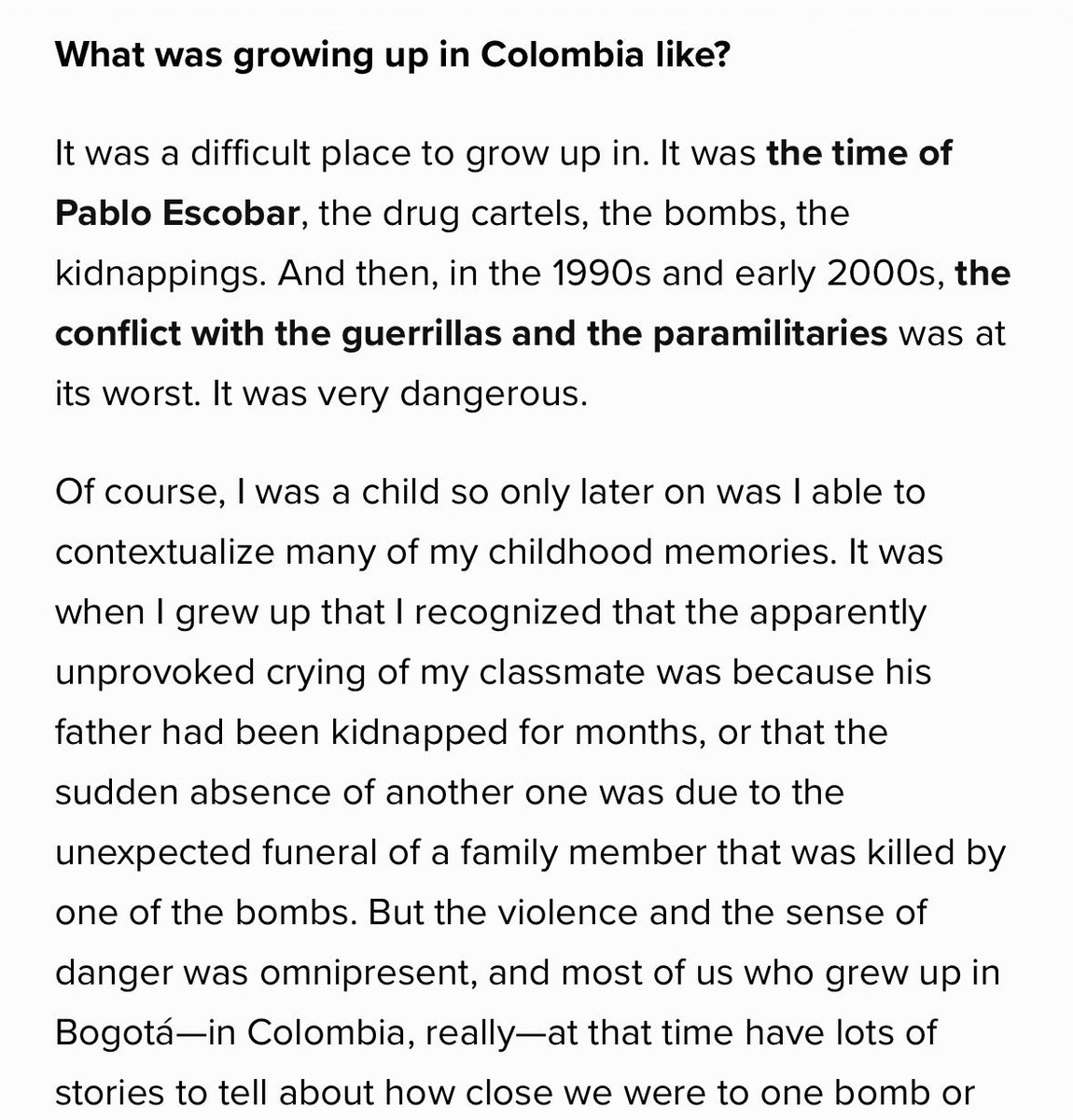
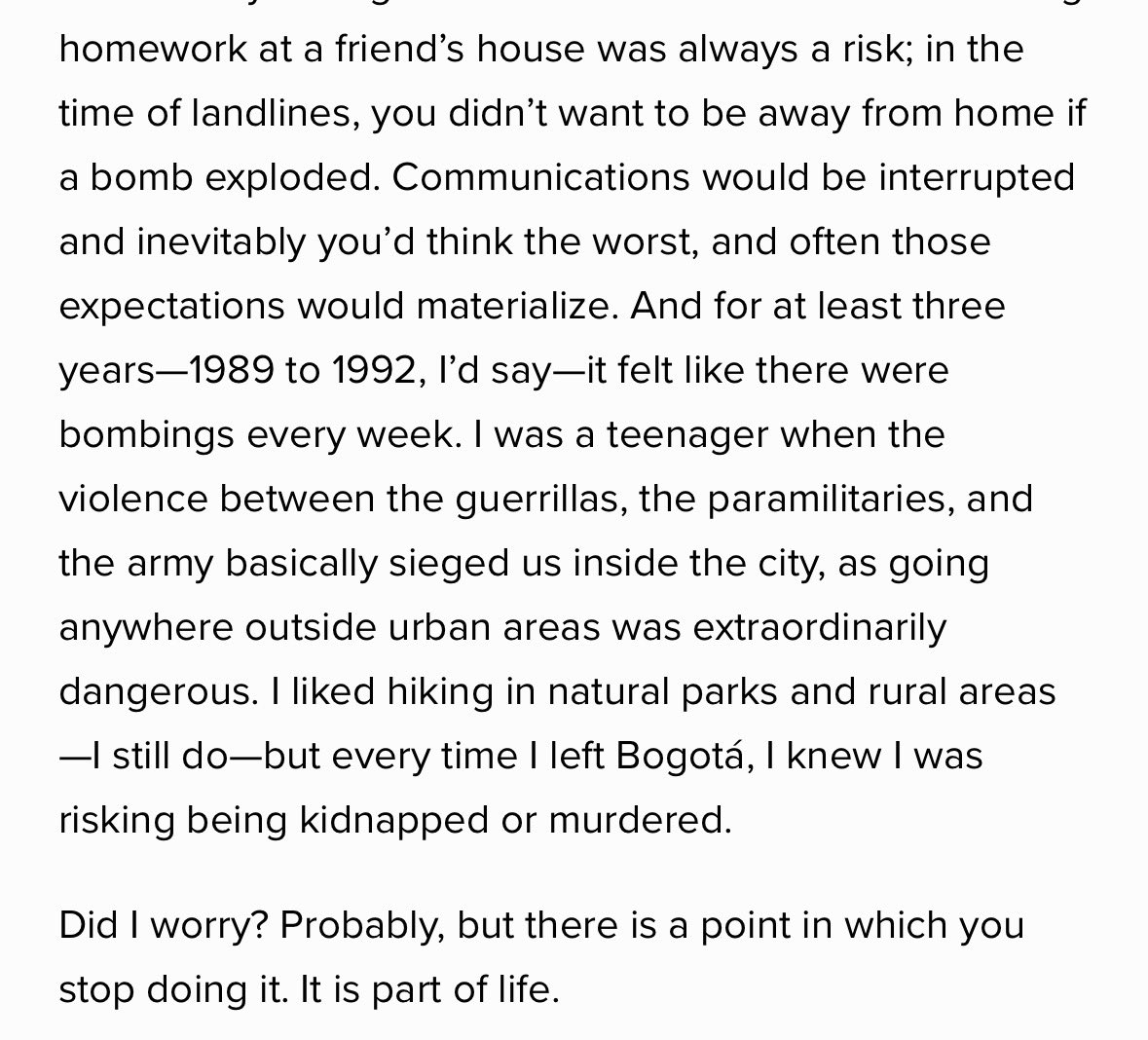
Interview with philosopher/psychologist Felipe De Brigard. Discusses his work, but also more personal aspects of his life
Quotation here is about what it was like growing up during a very violent period in the history of Colombia
https://t.co/bc2J7dDsHa
@omarvalenciag@TadegQuillien This new paper now shows that under certain circumstances, those theories predict that people will see the cause as a combination of two things
It then reports a series of experimental studies to test that prediction
We sometimes think an outcome was caused by two things. We might say Amy got sick because
(a) There was cilantro in the soup
*and*
(b) Amy is allergic to cilantro
Beautiful new theory of this kind of "plural causation" from @TadegQuillien
https://t.co/ARR6aStXFm
@omarvalenciag@TadegQuillien These theories predict that people will pick out the match as the cause and not the oxygen
Technical work in this field has been improving, and we are getting better at predicting which thing will be seen as the cause
The core idea: Start with a theory about why people usually select just one cause (e.g., why people say that the fire was caused by the match and not by the oxygen)
In certain cases, that very theory predicts that people will say that the cause is more than one thing