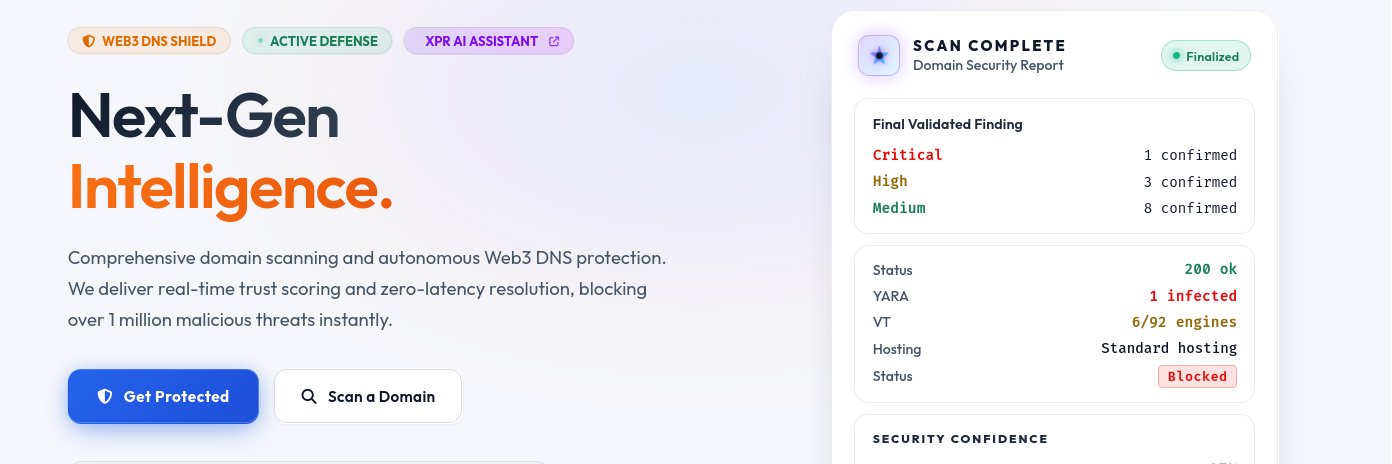
Our DNS is getting smarter and smarter. We're now blocking thousands of newly generated DGA (Domain Generation Algorithm) domains every day that are used for malware delivery.
A Dangling DNS attack occurs when an attacker claims an abandoned cloud resource still referenced by a domain's DNS record, allowing them to take control of the associated subdomain.
https://t.co/yKEPVuuhmM
From attack to full recovery in just 2 hours and 28 minutes.
Here’s how the incident unfolded:
⚠️ 08:49:19 — Attackers made their first move
🛡️ 08:49:21 — Malicious activity blacklisted
🔐 09:36:46 — Multisig (MSIG) created
✅ 11:10:09 — MSIG executed
https://t.co/slzvag9UmH
💰 11:17:05 — Funds successfully recovered and returned to victims
Attack detected. Threat contained. Funds recovered.
Security isn't about assuming you'll never be attacked. It's about being ready when you are. 🛡️
Every developer needs to watch this!
Over $400 million was stolen from the Web3 ecosystem through a sophisticated FaceStealer crypto theft scheme targeting developers — even cybersecurity researchers were among the victims.
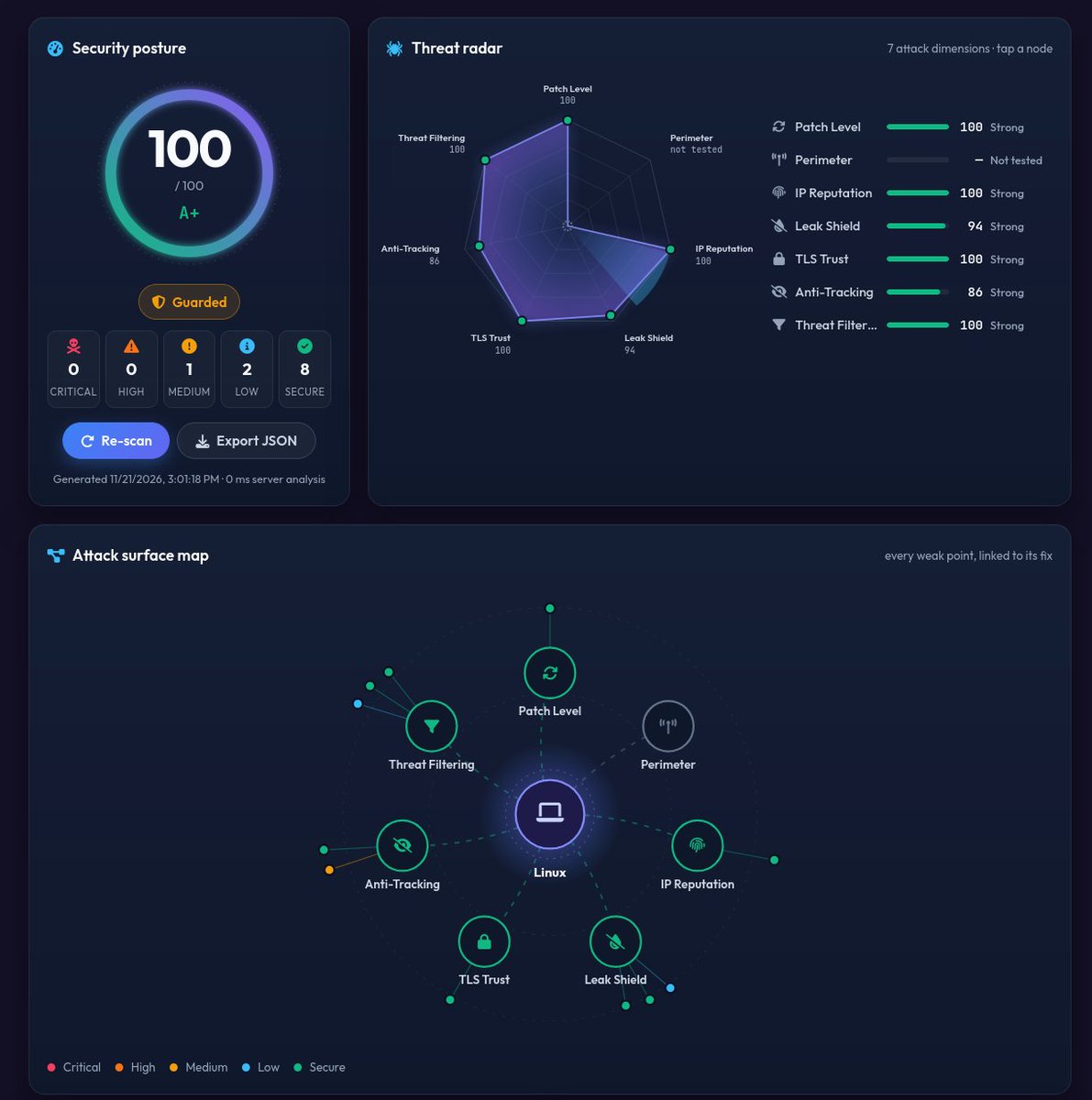
1/ Xprotect Browser Scan grades your security A+ to F: browser/OS patches vs exploited CVEs, 26-port firewall probe, botnet/IP reputation, WebRTC/DNS/IPv6 leaks, HTTPS interception, unsafe certificates, fingerprinting, tracker and malware DNS blocking, passkeys. No install.
2/ How it spots unsafe certificates: your browser tries to load https://t.co/7qupiBDwg1 test sites that use known-compromised ones (Superfish, eDellRoot, DSDTestProvider, preact-cli, webpack-dev-server). A healthy browser refuses. If one loads, your device or a proxy trusts it.
3/ A control site with a valid certificate must also load, otherwise the results are discarded, so a network outage can't look like a pass or fail. It detects these known certificates only, so a pass doesn't prove every certificate on your device is safe.
4/ Port check (opt-in): the server attempts a TCP connection to 26 fixed ports on the IP your request came from, then closes it. No data sent, no login attempts. You can't choose another target, and it's limited to 4 runs per hour per IP.
Browser Scan on @xprot3ct just got a major upgrade.
Now it checks:
🔍 Browser & OS vulnerabilities, including exploited CVEs
🛡️ HTTPS interception, MITM proxies & rogue certificates
🌐 VPN leaks (WebRTC, IPv6, DNS & timezone)
🚨 IP threat intelligence and reputation
🔥 Firewall exposure across 26 high-risk ports
https://t.co/7GeHgDGaeB
Another feature of https://t.co/KXNdEWSWij is that dApps can report ongoing attacks. We will share the details with the consortium to explore how we can help using our mechanisms, either by applying a blocklist or initiating a MSIG process to recover stolen funds if they are still on-chain.
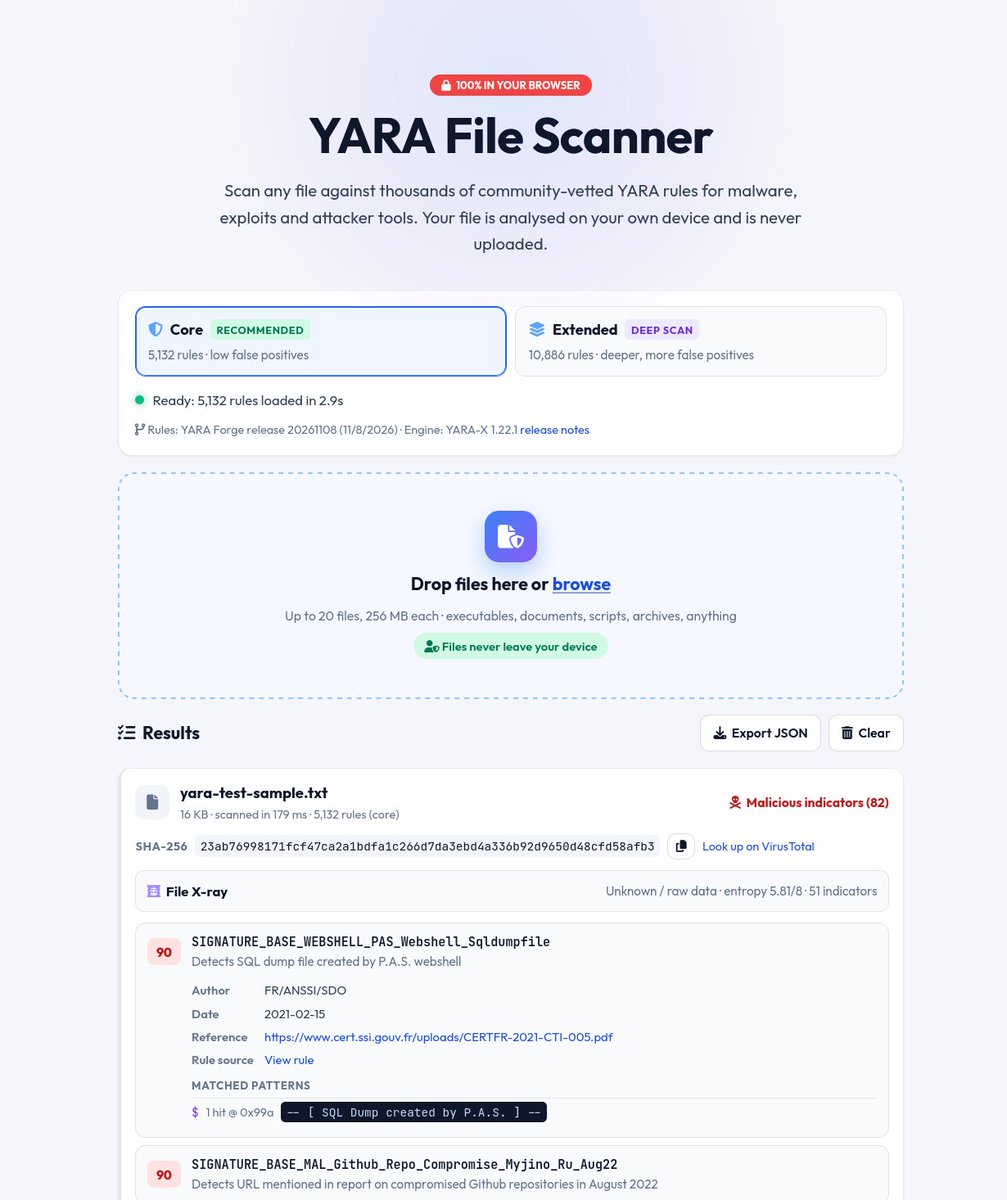
🛡 YARA File Scanner
🔍 Scan any file against thousands of community-vetted YARA rules for malware, exploits and attacker tools.
Submit a pull request with your own rules to our yara-rules repository and use it directly in this online service.
https://t.co/b1JerCXDIi
https://t.co/20yuznlGLK
Another great feature on @xprot3ct
🛡️ YARA File Scanner
🔍 Scan any file against thousands of community-vetted YARA rules to detect malware, exploits, and attacker tools.
🔒 Your privacy matters: files are analysed directly on your own device and are never uploaded.
https://t.co/20yuznlGLK
Months of work. Hundreds of new capabilities. 🔒
Deeper threat intelligence, AI-powered analysis, behavioural detection, malware scanning and much more.
Discover what's new: https://t.co/xE9qUZ5k7a https://t.co/xIT5BRDLew
Over the next five days, we'll be sharing lots of news and updates. The final post will be the biggest one!
Make sure to follow us on X @alvosec, also you can join in our Telegram https://t.co/EqayzDbYA5