🚀 New bot alert!
Thanks to ArtQ, our TG channel now gets regular space & NASA article drops 🌌
Get a quick teaser + link to explore more.
Stay curious, stay cosmic! ✨
➡️https://t.co/5qqa1h01WM
#SingularityX#SpaceNews#NASA#TelegramBot#Radix $XRD
NEWS 🚨: NASA released a side-by-side comparison to show how fast the Crab Nebula is expanding
1999 (Left) vs. newly released 2024 image (right)
Researchers estimate it's moving outwards at 3.4 million mph!!!
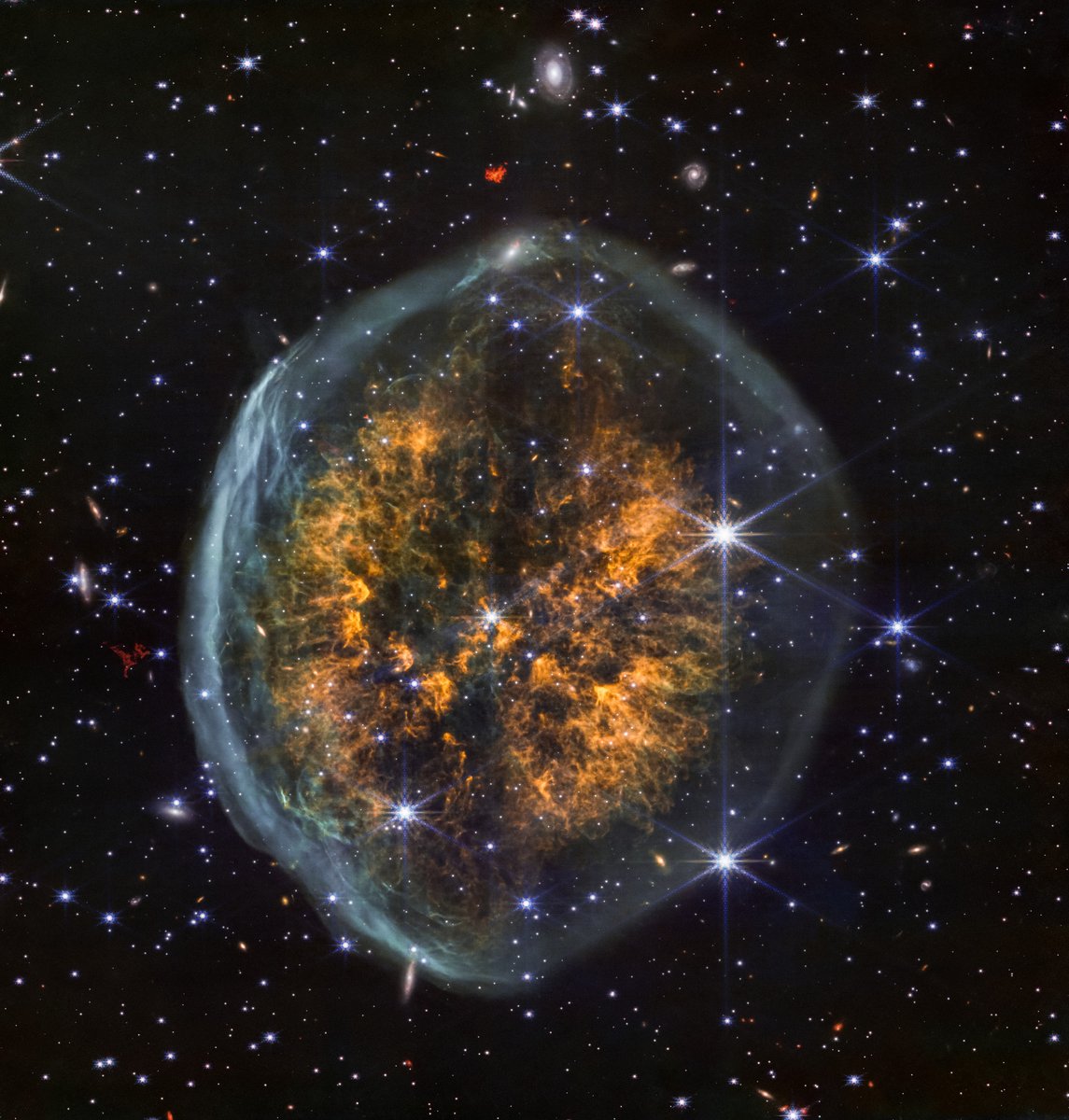
This stunning view of the Cranium Nebula was captured by @NASAWebb. 🧠✨
Through key instruments provided to the telescope, Canada secures access for our scientists to study cosmic origins and fuel high-tech jobs at home.
📷: NASA, ESA, CSA
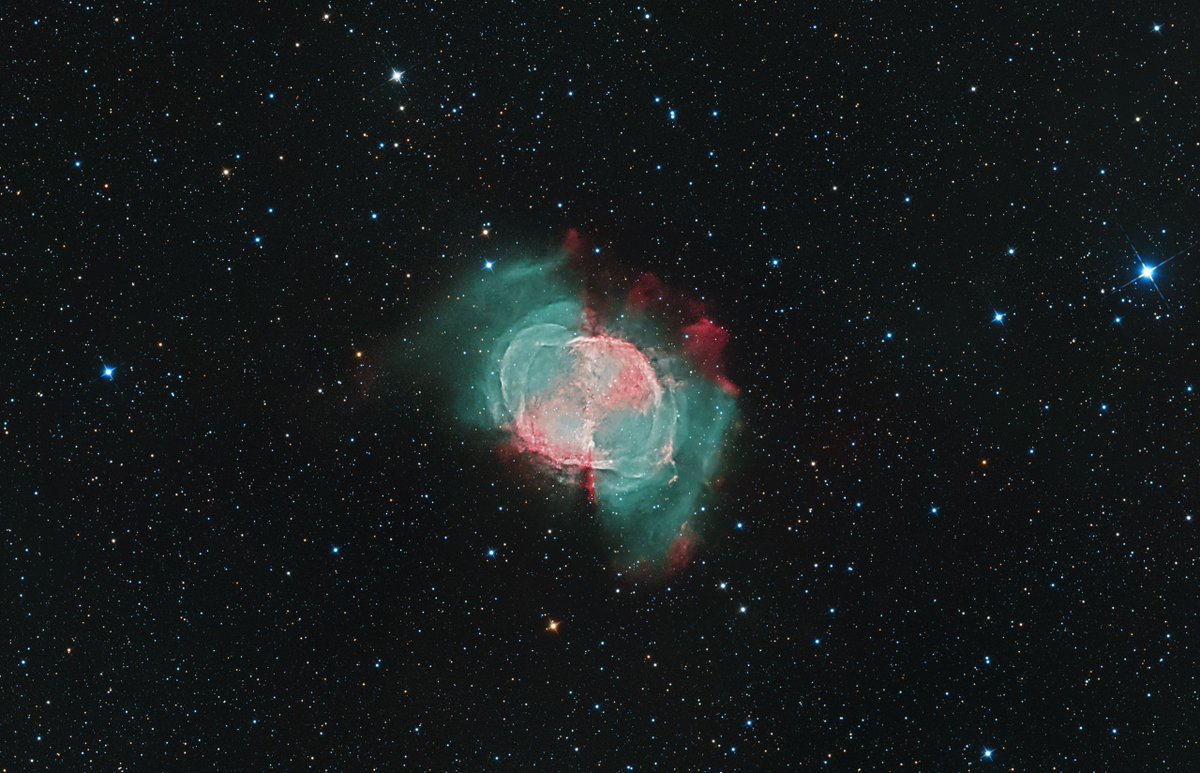
Image of M27 - Dumbell Nebula, by John Walsh, using the Leviathan Spectral Pro light pollution filter by Leviatahn Optical.
Total integration: 5h 8′
Image: https://t.co/jLELYFWP0D
Thanks for looking!
S.
🚀 SOLD OUT 🚀
All Star Sailor NFTs are officially sold out.
Thank you to everyone who supported, minted, shared, and believed in the project. We truly appreciate every single one of you.
Your support means everything. 💙
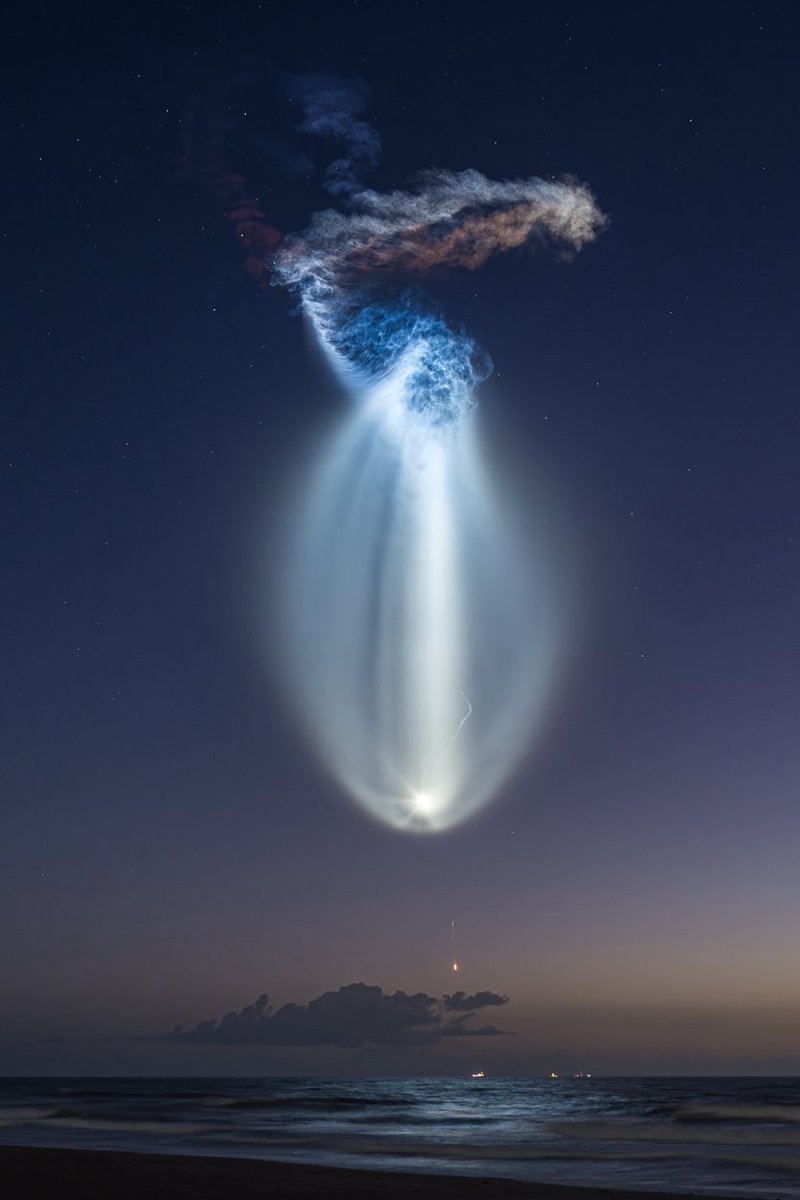
A space jellyfish was seen far and wide across the U.S. east coast this morning as a Falcon 9 rocket lifted off from Florida at 5:52am ET and climbed into the rising sun 🚀����❤️
Check out the new tool to forecast these - started off with a great one! https://t.co/zizpd3tzVj
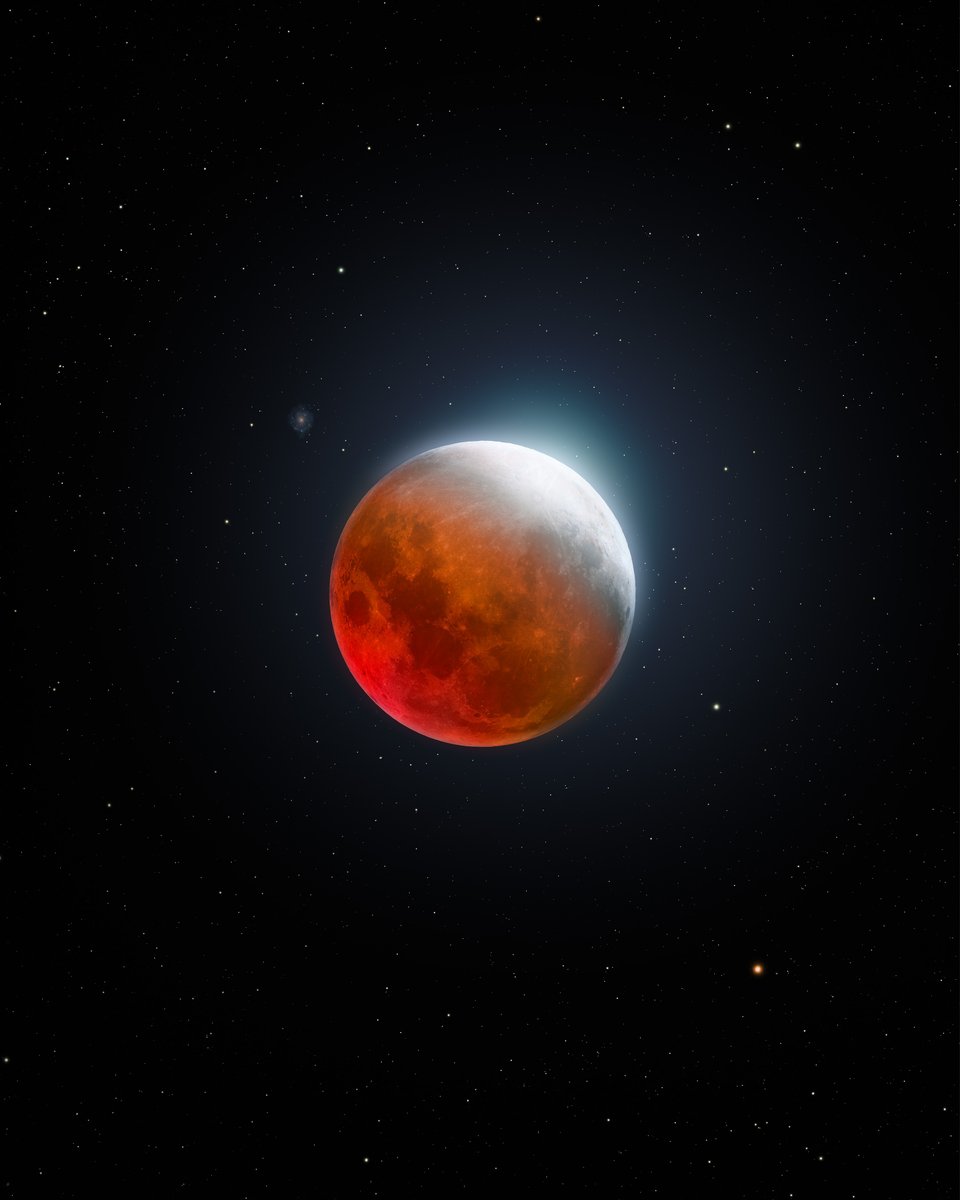
"The Touch of Terran Skies" is an ultra high dynamic range photo of this morning's Total Lunar Eclipse, which I captured using a number of instruments to reveal not just the incredible color on the lunar surface, but the deep space in the Cosmic Background.
Close up below 👇
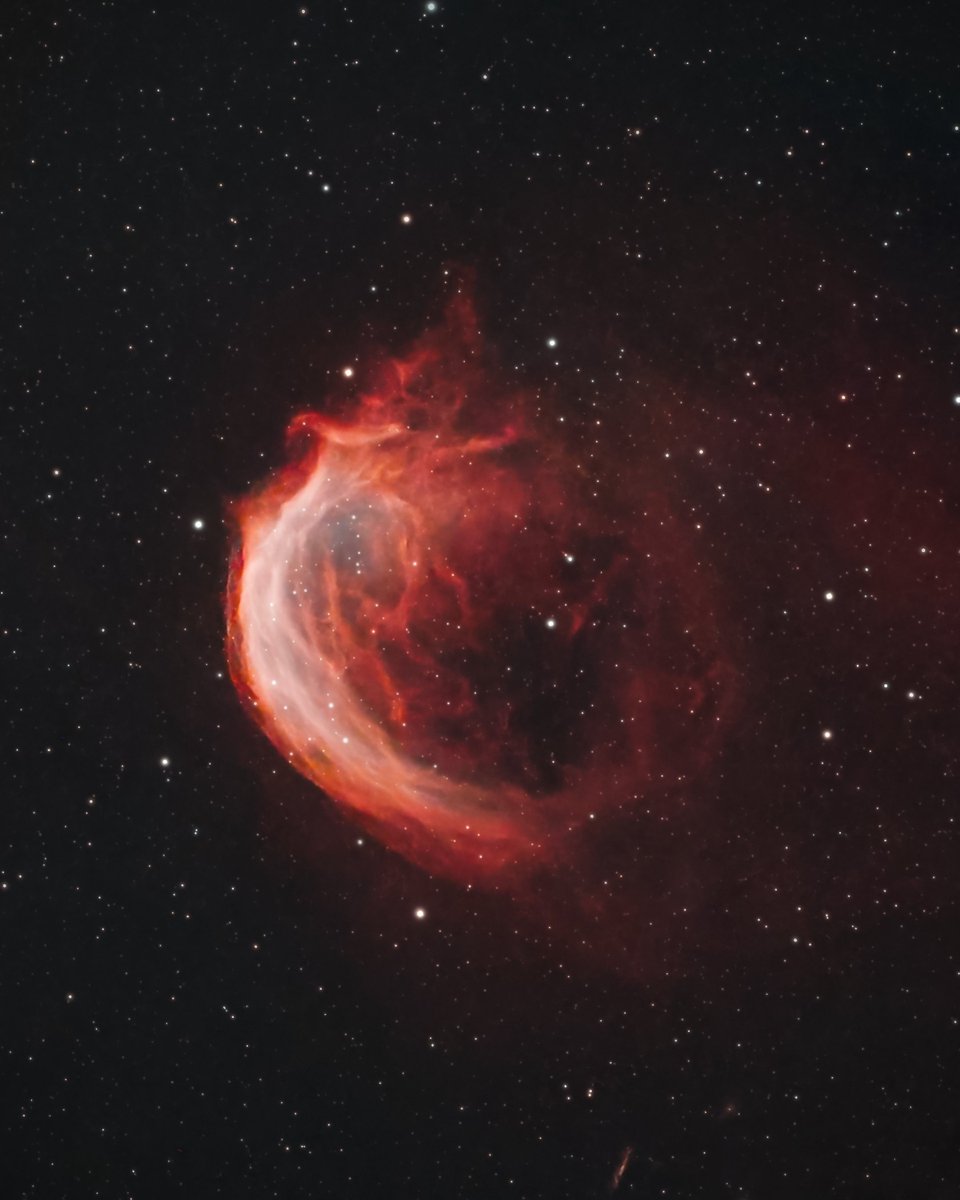
The 'Shrimp Nebula' 📸
Here is a neat little planetary nebula in the constellation Cassiopeia that you can try this year.
This object is catalogued as Sharpless 188 (Sh2-188), and is relatively small compared to other nebulae in Cassiopeia.
I took this picture from the backyard last fall using a longer-focal-length telescope and a color astronomy camera.
The image includes a whopping 13 hours of total exposure time - which is a LOT by my standards!
It's one of many successful test images using the 'Smart' version of the popular ASI585MC Pro - and I hope to run it again soon!
IMAGE DETAILS:
160 x 300s (over 4 nights)
13 Hours, 20 Minutes Total
Processing in PI and PS
GEAR USED:
Camera: https://t.co/uGhcyLY7dI
Telescope: https://t.co/RCP70pbTVV
Filter: https://t.co/eNql8HU6xI