An independent centre of excellence working to promote and integrate Yangon’s urban heritage into a 21st century vision as one of Asia’s most liveable cities
Happy 73rd Independence Day of Myanmar!
Unlike the past years, we are honoring and celebrating this year’s Independence Day by staying at home in order to control the spread of COVID-19. Here is the postcard issued in 1973 to commemorate the Independence of Burma.
In February 2020, YHT team assisted the renovation of the Kyargu ordination hall which is situated inside Kyargu Monastery compound.
This ordination hall was built in 1908 by British engineers and it is one of Yangon’s nine most treasured historic ordination halls.
YHT is excited to share an article in this week’s Economist on efforts to protect and revitalise Yangon’s built heritage, featuring the work of the Yangon Heritage Trust.
https://t.co/E3WcIM1oDO
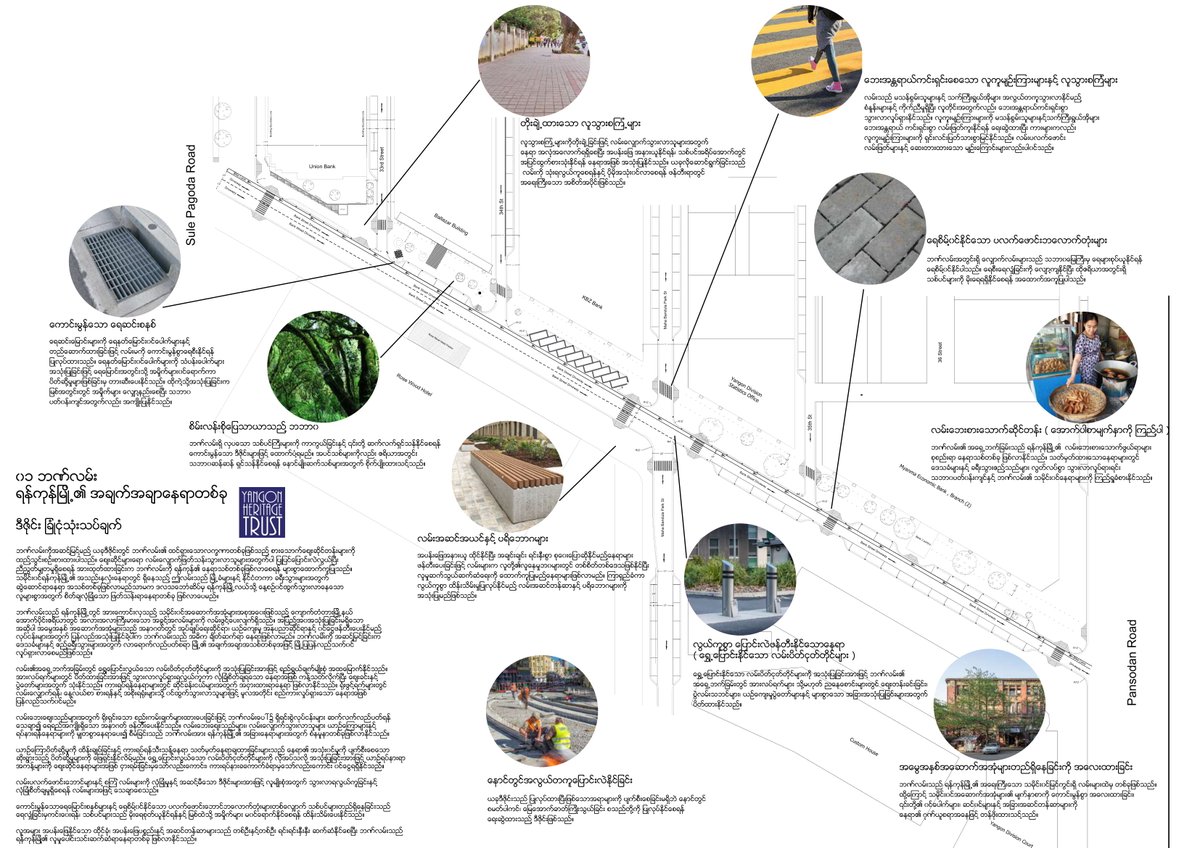
Bank Street is an important part of downtown Yangon and retains its historic character. The street has been overwhelmed by traffic and car parking while vendors have dominated the footpaths. Soon, it will set an example for how to manage and design good public space in Yangon.
YHT is delighted to be assisting YCDC on a major upgrade of Bank Street in downtown Yangon. The project will pilot new ideas around shared spaces where a balance is found between pedestrians, vendors and street furniture. This is an important step in YHT’s urban design advocacy.
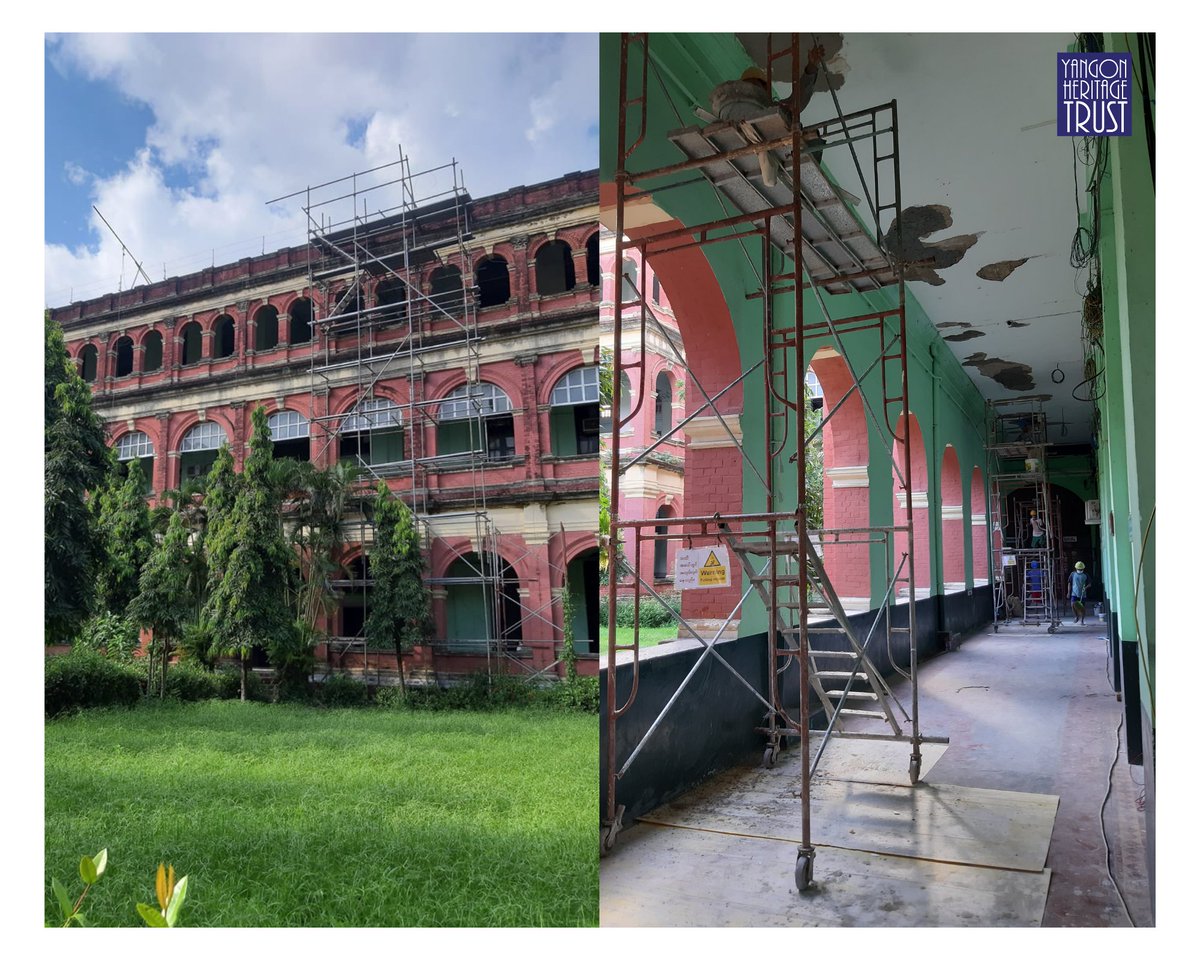
The YHT Service Team is working on the former High Court (High Court of the Yangon Region side) which is one of Yangon’s most significant historic buildings. For this project, we are assisting the contractor team to understand and use good historic repair methods and processes.
#UrbanTalk
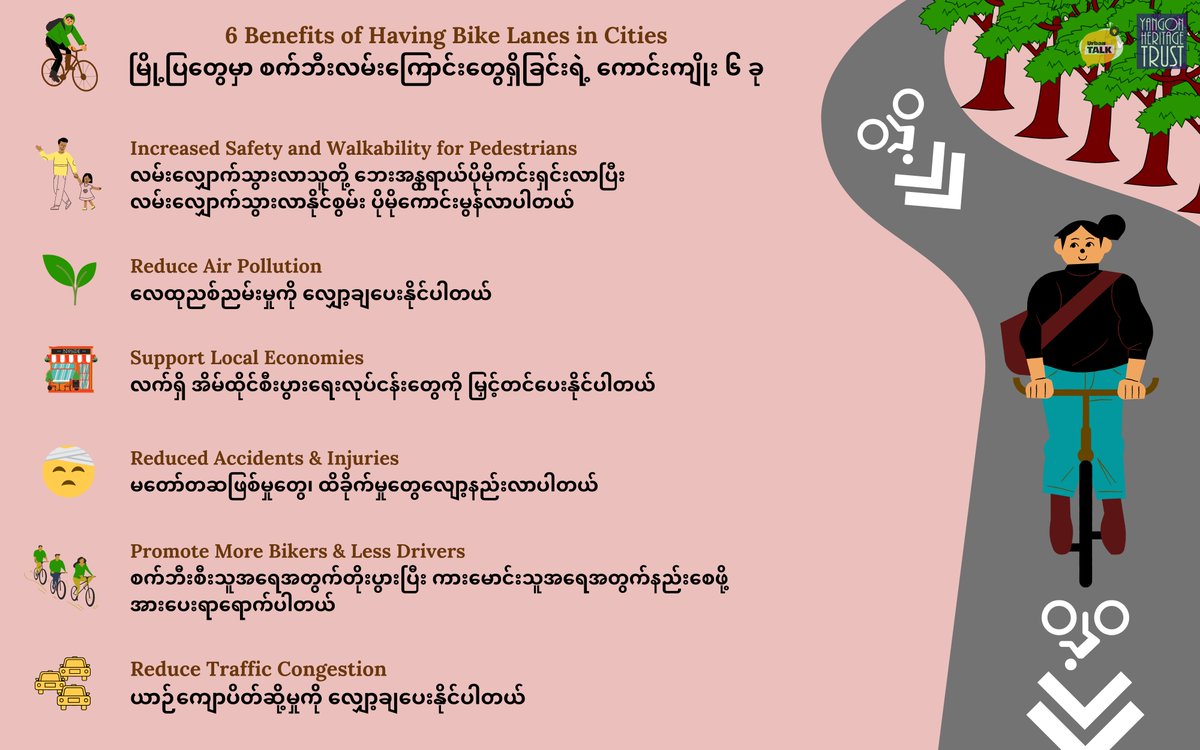
Having bike lanes clearly benefits cyclists, but it offers a lot more benefits as well to the cities. They may be one key to a happier, healthier city for everyone who lives there and make life better for pedestrians.
#HeritageInFocus
Basic Education High School (6) Botahtaung, formerly known as St. Paul’s High School, is one of the oldest schools in Yangon. The school was founded by Bishop Paul Bigandet, who served in Yangon from 1856 until 1894 to promote education and Christianity.
Defining liveability in Yangon can be based on the city’s unique strengths and specific challenges. YHT has identified 12 key principles for a liveable Yangon and they represent the core work areas where improvement is required.
#UrbanTalk
To create a livable city, planting trees is one of the key principles in doing so. Moreover, trees have tremendous benefits to our communities, our cities.
#HeritageInFocus
Built in 1902, this building on Bogalay Zay Street in downtown served the Yangon YWCA after its official recognition in June 1900 as a branch of the Indian National Committee which in turns was affiliated with the World YWCA. The extension was added in 1921.
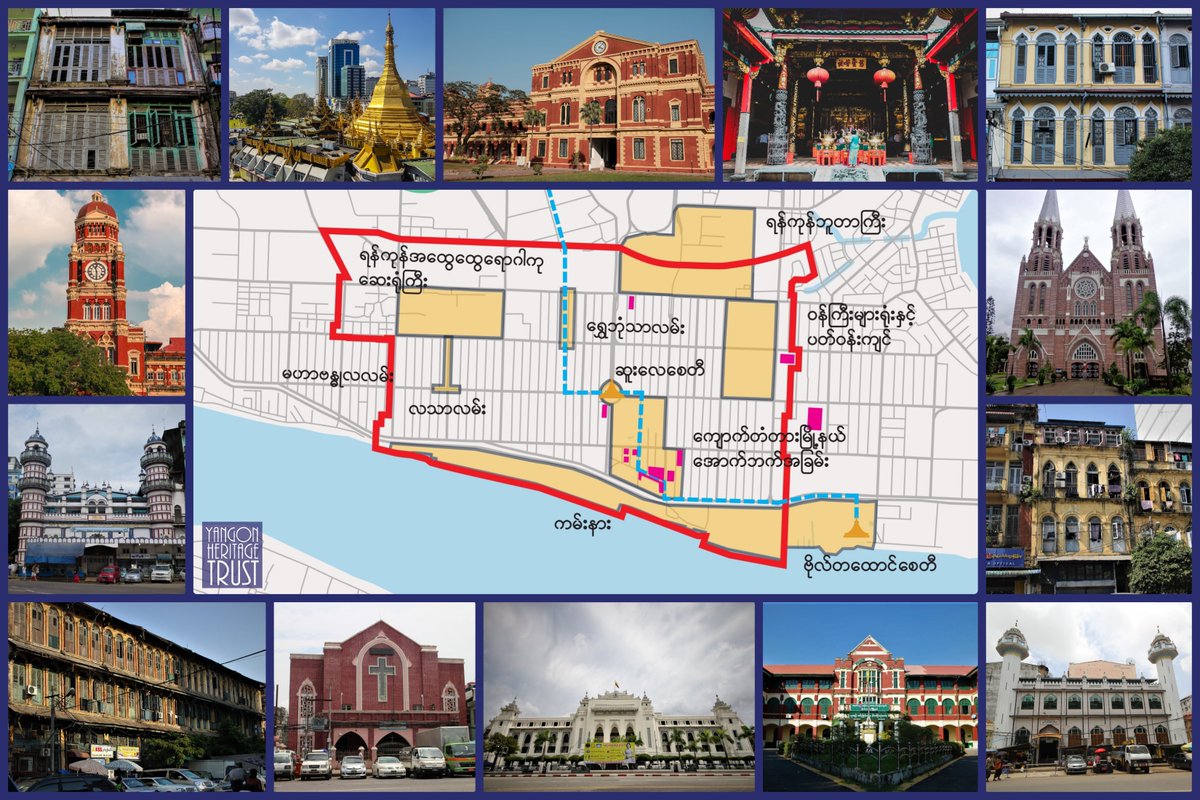
Those 2,122 heritage structures that YHT team has recorded within the historic downtown conservation area show a great deal of variety.
They include historic heritage buildings such as the Secretariat, City Hall, High Court and the religious sites and even residential flats.
Barcelona city introduced “Superblocks” in 2016 which are neighbourhoods of nine blocks, where traffic is restricted and opening up entire groups of streets to pedestrians and cyclists. Within this area, the residents can have a pleasant streetscape.
https://t.co/fUGP37yoXc
Please check here: https://t.co/l4ZrqU3YKX for the summary of the discussion last week with YHT's Chairman Dr. Thant Myint-U co-organized by the International National Trusts Organization (INTO) and the Victoria and Albert Museum.
#HeritageInFocus
Built in 1930, this majestic building located in Pansodan Street, originally served as the Yangon Branch of Grindlay’s Bank. From 1970 to 1996, this building housed Myanmar’s National Museum and currently houses the Myanmar Agricultural Development Bank.
With a hope to become an official regulatory tool to help ensure that new development affecting historic downtown places is well managed, YHT first proposed the Downtown Conservation Area.
Within that conservation area, YHT could record 2,122 heritage structures.
#UrbanTalk
Amsterdam, the capital of the Netherlands is known as the bicycle capital of the world.
The bicycle only roads in Amsterdam are regarded as the fastest and most convenient way to travel by the residents.
https://t.co/oOyrw4H9BN