2-minute demo for YarnSaga, AI-powered platform that turns storytelling into visual reality. From character consistency to epic frames, see how it works in action.
Quick Story is live: the fast, one-page way to make a comic in YarnSaga.
No cover, no props, up to 3 characters, same consistent characters across every panel — then one tap to share the page as an image + link.
How it works 👇
AI comic characters that finally stay consistent.
Every YarnSaga character is now a full studio-style model sheet — turnaround, action poses, expression study + a dedicated hands close-up.
More reference for the AI = less drift, far fewer broken hands. 👇
The blank page is where most comics die.
Quick Start kills it: type one sentence, pick an art style, hit Start.
~1 minute later → a finished 3-panel comic strip with consistent characters, open in the editor.
One prompt in. A comic out. 👇
Just shipped: type / in any scene in YarnSaga and pick a character from the list.
Instead of text the AI has to guess at, it drops a locked tag — a direct link to that character's saved appearance and reference images.
No typos. No mix-ups. No "who is this face?" panels.
YarnSaga checkout is now powered by Stripe.
Apple Pay, Google Pay, all major cards. Your card details never touch our servers — they go straight to Stripe over an encrypted connection.
Still pay-as-you-go credit packs. No subscription. Credits never expire. Nothing else changed.
Silver-white hair, violet eyes, crescent moon birthmark.
You generate the first panel — stunning. Exactly right.
Then you generate the second panel. Same prompt. Different scene. Your character has brown hair now. The birthmark is gone.
This is character drift. It's not your fault — it's how image models work. 👇
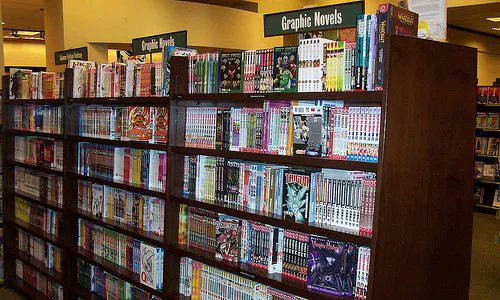
After 1986, the term "graphic novel" stopped being a marketing trick to make comics sound respectable.
Bookstores carved out shelves for them. Critics reviewed them next to literary fiction. Libraries cataloged them by ISBN, not by issue number. Universities taught them.
Comics had grown up — and they stayed grown up.
Forty years later, every serious graphic novel still owes something to those three books.
1986 was the year comics stopped being "for kids."
Three books came out within months of each other. Each one took the medium somewhere it had never been allowed to go.
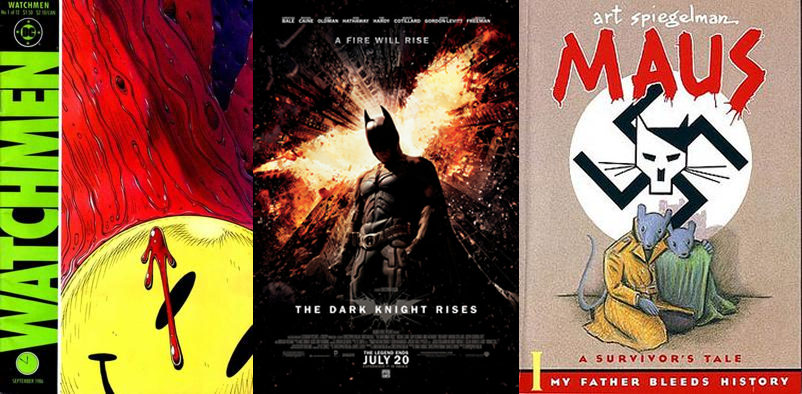
Watchmen. The Dark Knight Returns. Maus.
This is how comics became literature. 🧵
Maus, by Art Spiegelman.
A graphic novel about the Holocaust. Jews drawn as mice, Nazis as cats, Poles as pigs. Built from interviews with his father, an Auschwitz survivor.
It's not really a book about World War II. It's a book about a son trying to understand his father, and a father trying to survive his own son.
In 1992, Maus won the Pulitzer Prize.
Not the Pulitzer for cartoons. There isn't one.
The Pulitzer.
The Dark Knight Returns, by Frank Miller.
An older Batman comes out of retirement in a dystopian Gotham. Talk-show pundits debate vigilantism on screen. The Cold War turns hot. Superman is a government lapdog.
The story is told in TV news chyrons, talking-head debates, and brutal four-panel grids.
Miller didn't just write a Batman comic. He rebuilt the character as a tragedy — and proved superhero stories could carry the weight of any literary genre.