Amo a Pulp. Me gusta mucho el sentido de identidad que reflejan sus canciones hacia Sheffield. Me gusta la manera en que romantizan y erotizan lo cotidiano. Amo lo hot que es Jarvis. Me encanta ver a Candida porque me recuerda lo fuertes que somos las mujeres. Amo a Pulp 🤍
Les comparto el SETLIST OFICIAL de: PULP @ Palacio de los Deportes 🏟️ CDMX 📍 Martes 2 de Junio del 2026 🗓️ Te Mereces Más Tour 🌄 México 🇲🇽
🚨 Repertorio con la lista exacta de canciones que cantarán esta noche 🚨
#Pulp#TeMerecesMás#YouDeserveMore#CDMX#Tour2026#Concert #Fest #Concierto #Música #Music #Festival #México #Tour2027 #News #Ailoviutl #Rock #RockMusic #MexicoCity #PalacioDeLosDeportes #Setlist #Repertorio #ListaDeCanciones
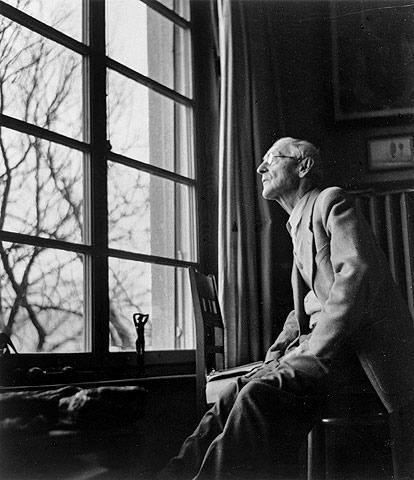
“Ni siquiera ha crecido la hierba. No se puede ser vagabundo y artista y al mismo tiempo un burgués sano y cuerdo. Si quieres embriaguez, ¡Acepta también la resaca! Si quieres sol y bellas fantasías, ¡Acepta también la suciedad y el hastío! Todo está dentro de ti, el oro y el barro, el deleite y la pena, la risa infantil y la angustia mortal. ¡Acéptalo todo, no te aflijas por nada, no intentes rehuir nada! No eres un burgués, tampoco eres un griego, no eres armónico y dueño de ti mismo, eres un pájaro en plena tormenta. ¡Déjala rugir! ¡Déjate llevar! ¡Cuánto has mentido! ¡Cuántos miles de veces, incluso en tus libros y poesías, has fingido ser el armonioso y sabio, el feliz, el iluminado! ¡Lo mismo han fingido ser los héroes al atacar en la guerra, mientras las entrañas temblaban! ¡Dios mío, qué siniestro y fanfarrón es el hombre, sobre todo el artista, sobre todo el poeta, sobre todo yo!”.
"El caminante", Hermann Hesse
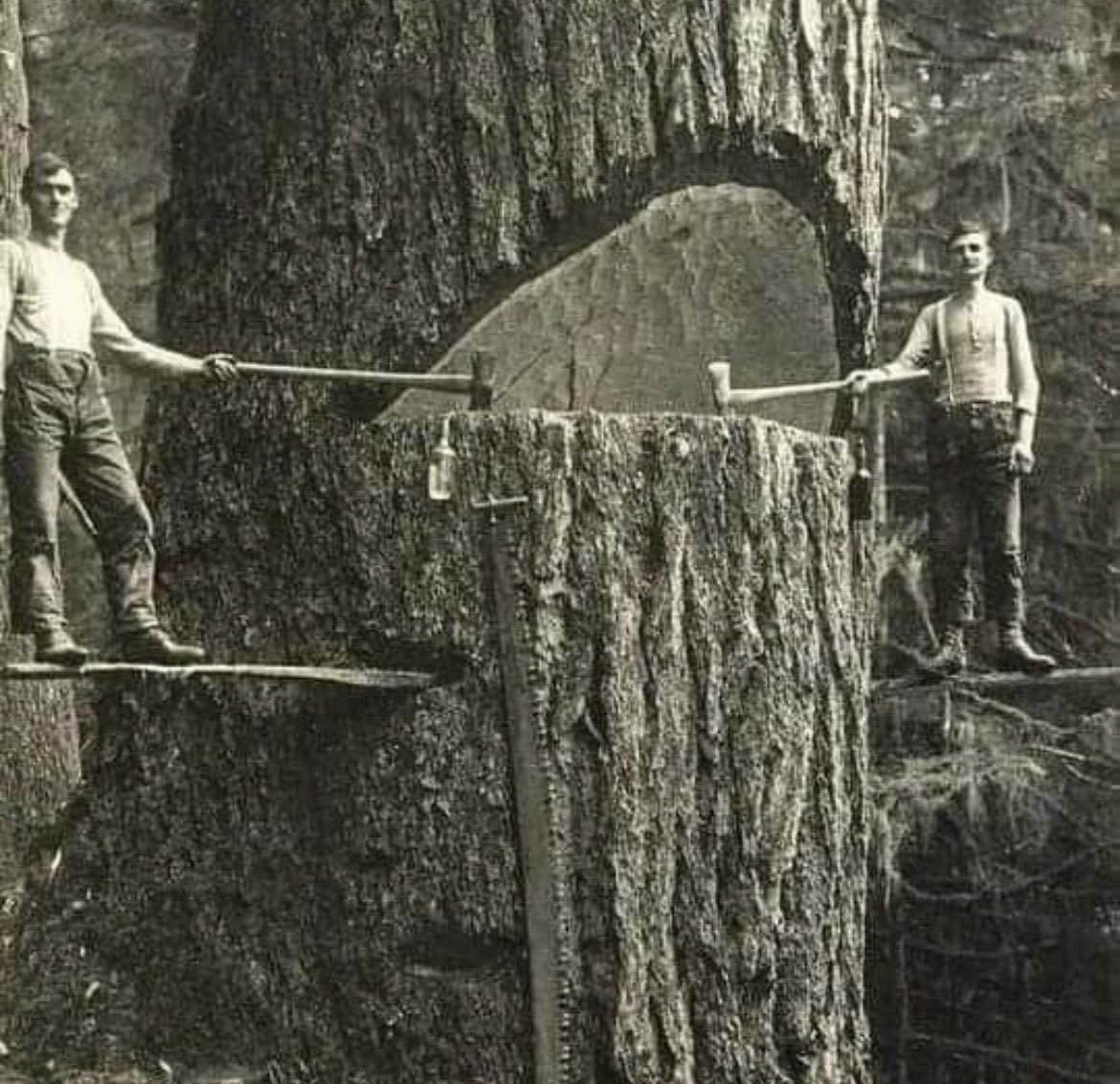
In the early 20th century, the Pacific Northwest region of the United States experienced a significant boom in the timber industry. This photograph shows two lumberjacks cutting a big tree in the Pacific Northwest in 1915.
During this period, the vast forests of the Pacific Northwest, particularly in states like Oregon, Washington, and Northern California, were rich in timber resources. Logging became a crucial industry, providing raw materials for construction, shipbuilding, and other growing sectors.
The demand for timber grew rapidly as the region's population expanded, and timber companies sought to exploit the vast forests. Logging operations often involved skilled lumberjacks who would venture deep into the forests to harvest the trees.
In the early 20th century, the tools and techniques used by lumberjacks were relatively primitive compared to modern logging practices. Two common tools used for cutting down trees were the crosscut saw and the ax. Lumberjacks would often work in pairs, cooperating to fell large trees. The process involved strategically cutting the tree at its base and utilizing leverage to control its fall.
The work of lumberjacks was physically demanding and dangerous. They faced numerous hazards, including falling trees, rolling logs, and rough terrain. However, the timber industry provided employment opportunities and attracted many workers, both locals and immigrants, looking for work and economic opportunities.
By the time of your specified year, 1915, the timber industry had become a crucial component of the Pacific Northwest's economy. It played a pivotal role in the region's development, shaping towns and cities, and supporting various related industries such as sawmills, pulp mills, and paper production.
Over time, concerns about sustainable logging practices and the preservation of forests grew. Conservation movements emerged to advocate for the responsible management of timber resources and the protection of natural environments.
Today, the history of the timber industry in the Pacific Northwest serves as a reminder of the region's rich natural resources and the complex balance between economic development and environmental conservation.