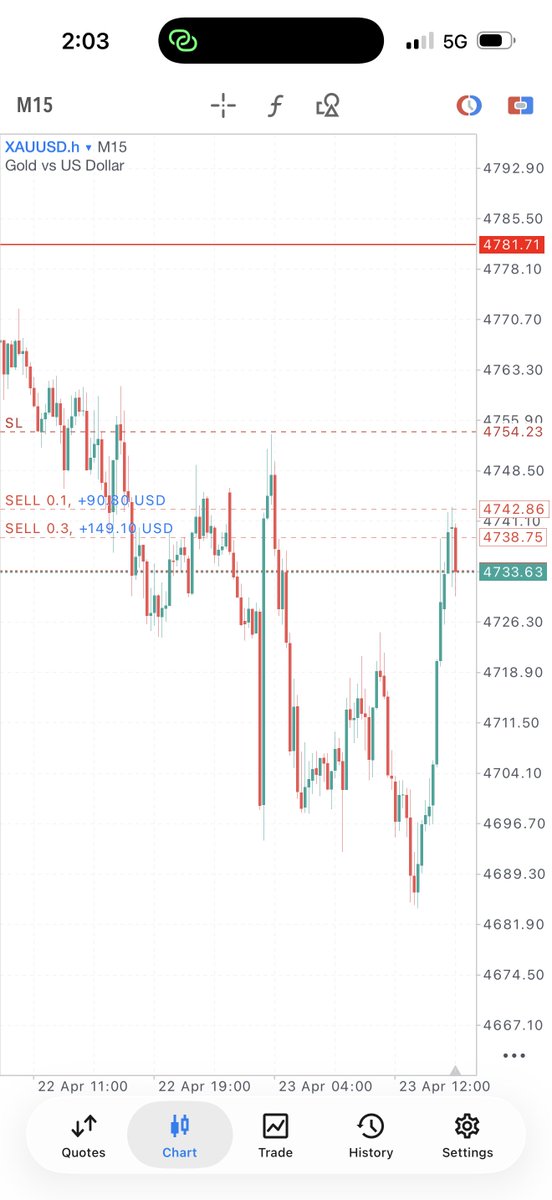
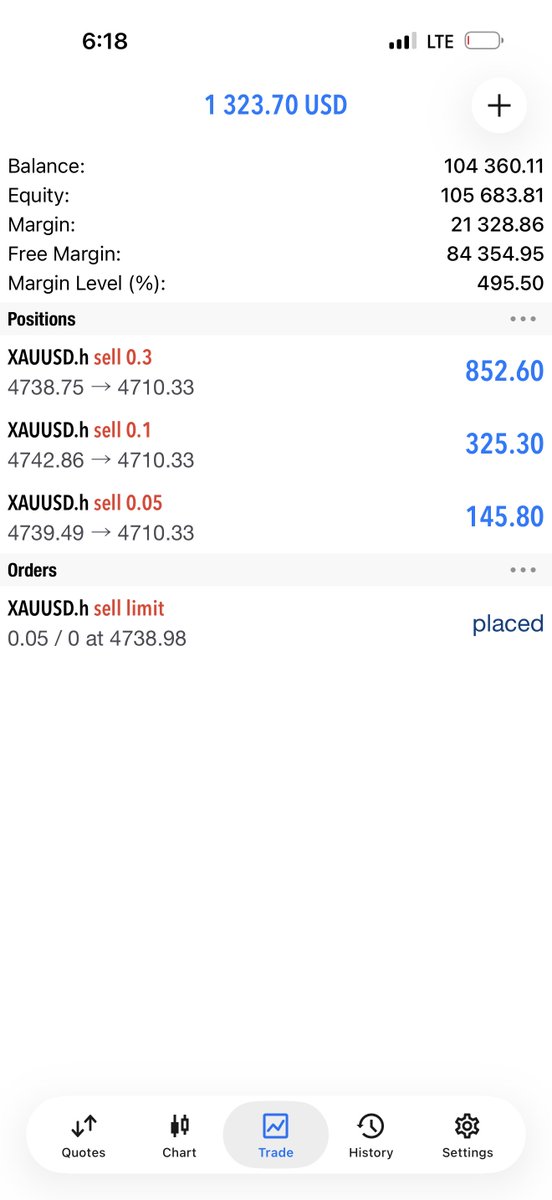
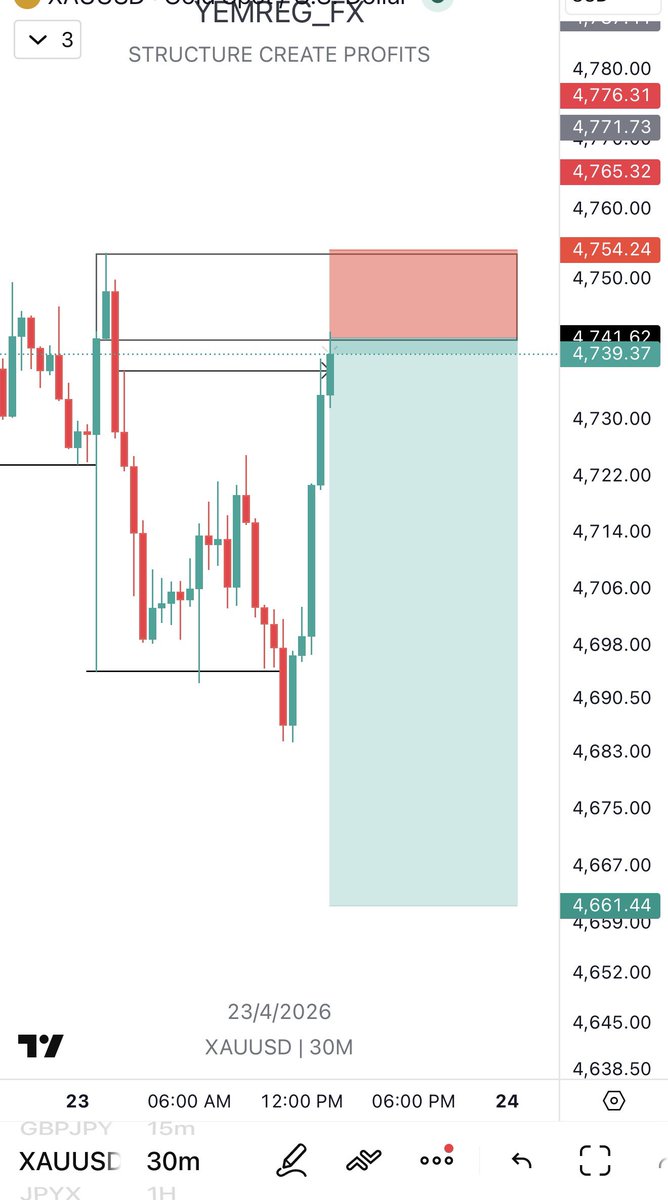
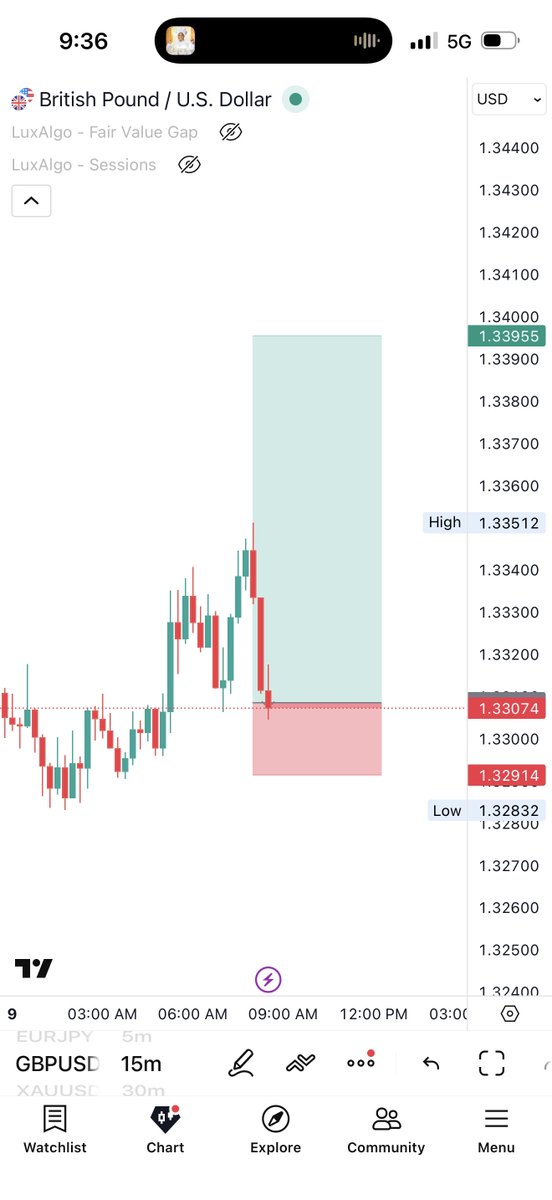
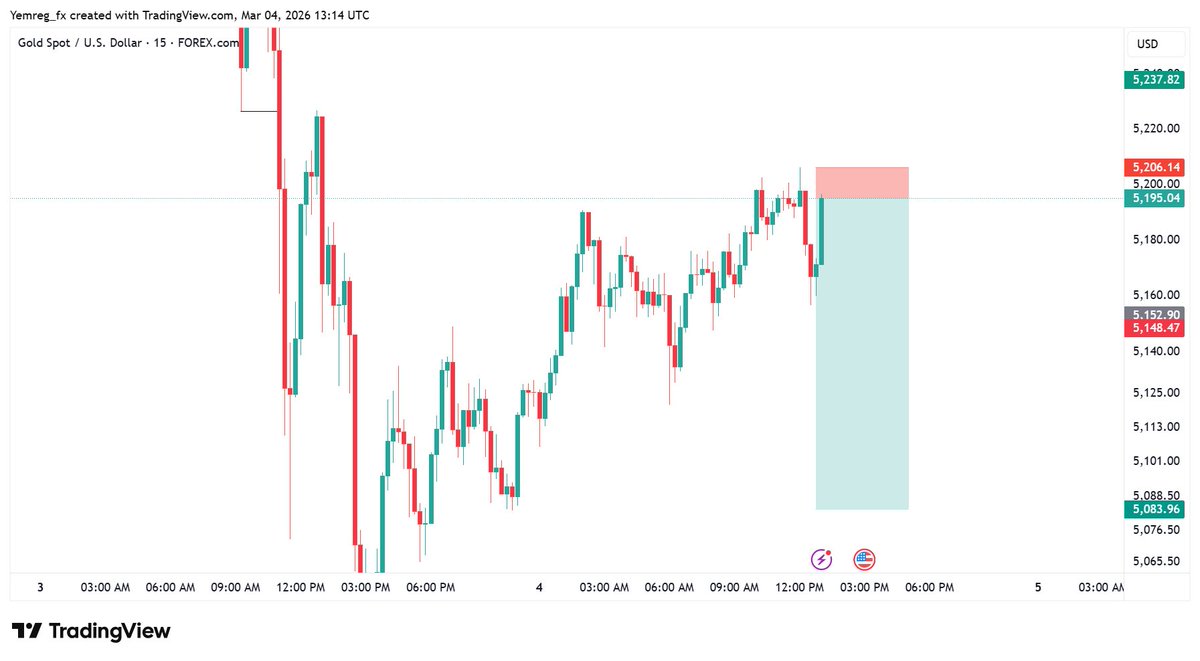
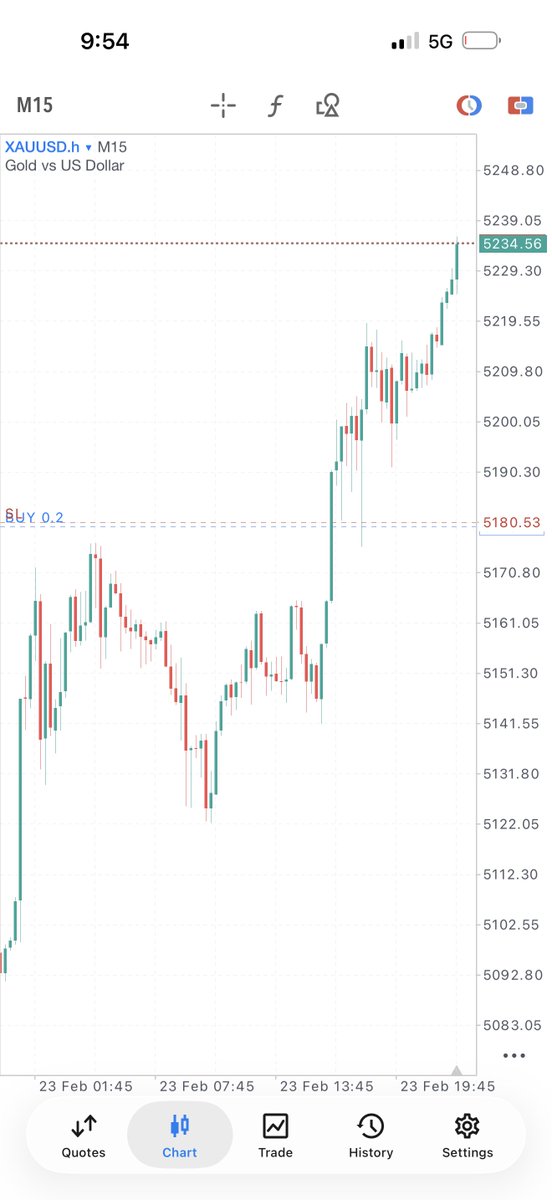
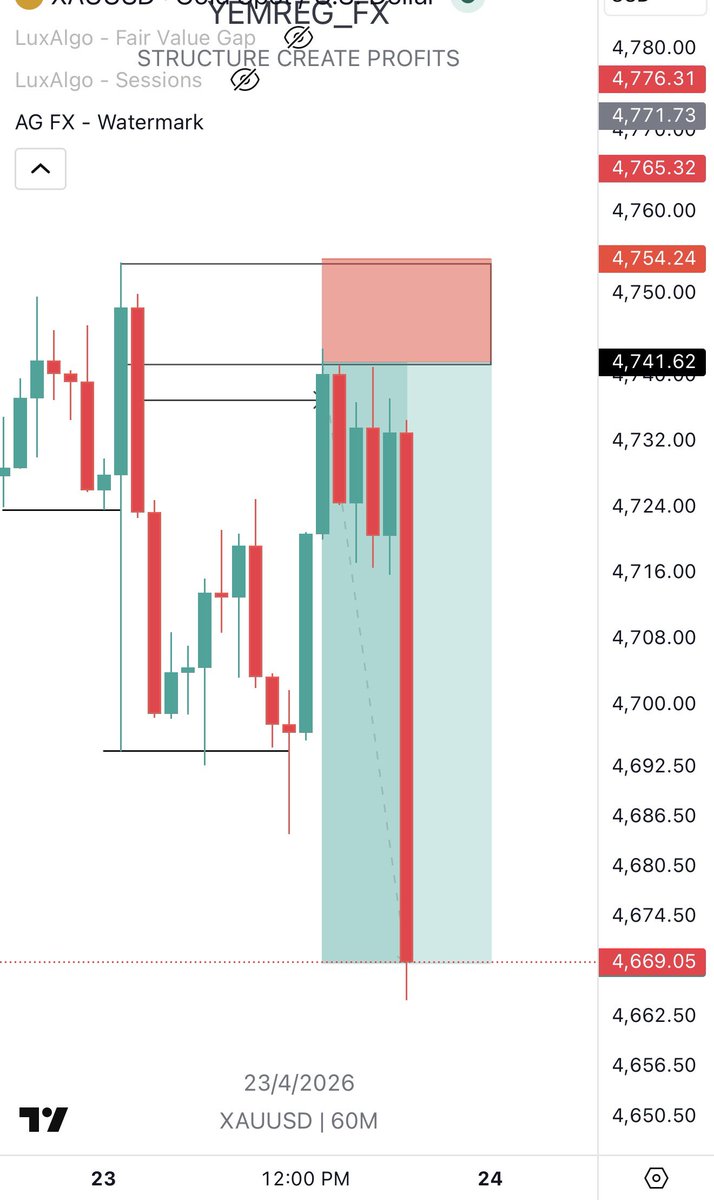
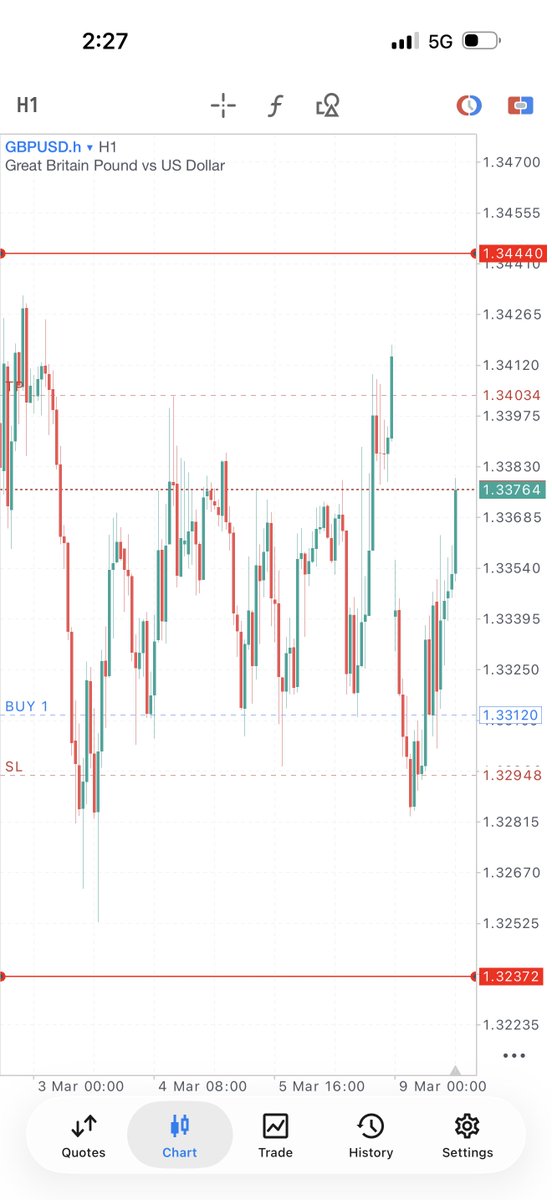
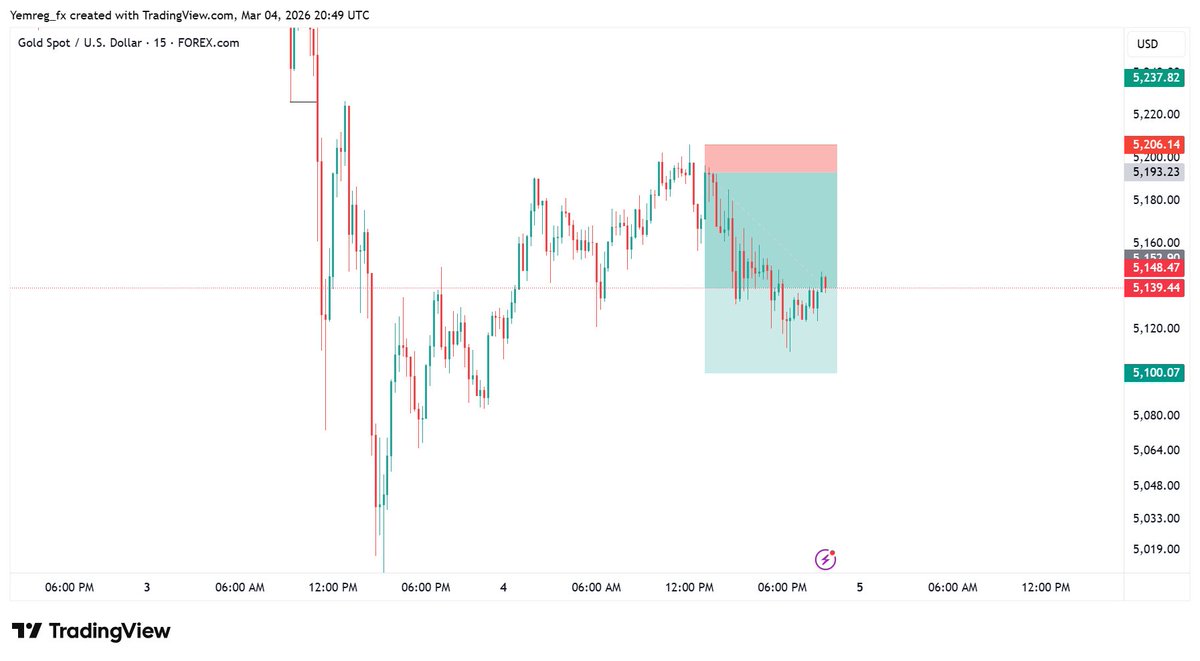
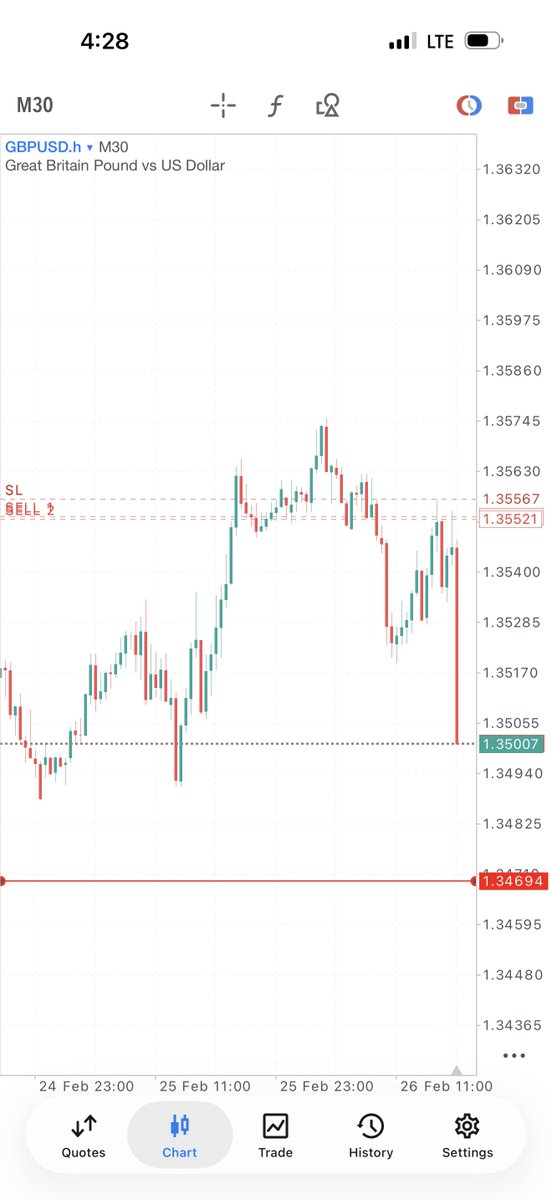
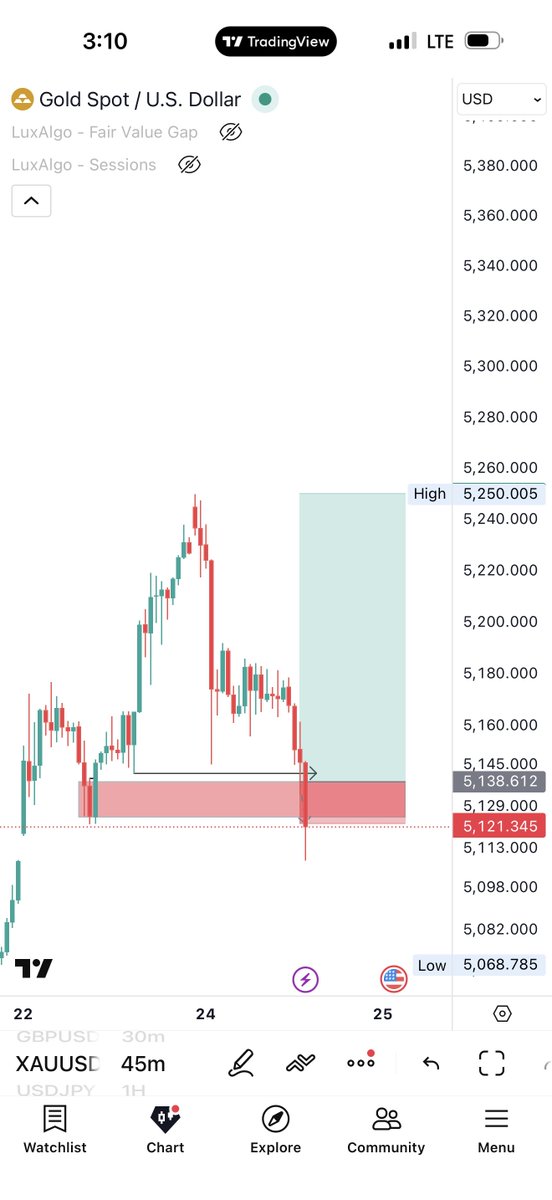
1:5 RR with 700 pips secured on XAUUSD. Proof that discipline, precision, and proper risk management outperform hype every time. 📈 #forex#forexsignal#explore#smc
Your so-called “psychology problem” is often just a weak technical edge in disguise. A poor edge is what actually damages most traders’ psychology — once the edge is fixed, half of the psychological struggle disappears.
I remember @thissdax mentioning in an interview with Mr. Peaks that trading psychology is overrated.
Advice is usually shaped by the adviser’s level of experience, discipline, and personal reality. Because of this, guidance from individuals who have achieved meaningful results in the area you want to grow in tends to be more valuable. However, every person operates under different circumstances, so discernment is essential—no advice should be accepted blindly, and it must always be evaluated against your own reality.
If your trading system or edge is weak, reduce your risk. Trade with small risk per position so you can stay in the market long enough to refine your strategy and gain consistency.
Focus first on improving your edge through data, backtesting, and trade review. Longevity in the market comes from capital preservation.
Once your system shows a proven edge—for example a consistent win rate around 60–70% with proper risk-to-reward—you can then consider gradually increasing your risk.
Trading or investing is a continuous process of learning.Most of the times ,in trading (like in real life ),you learn more from your mistakes than from your victories
In forex trading, some rules are created early in a trader’s journey not because they are optimal, but because of incomplete understanding. At that stage, what appears to be clarity is often a reflection of limited exposure rather than true market insight.
As experience accumulates, many of these rules become obsolete. This is not because the market changed, but because the trader’s understanding improved. With sufficient screen time, patterns become clearer, context improves, and decision-making becomes more precise. Rules that once seemed necessary are revealed as compensations for knowledge gaps.
Consistency plays a central role in this process. Without repeated execution and review, traders cannot identify which rules are structural and which are temporary safeguards. Time, in trading, is not passive; it represents deliberate practice, exposure to different market conditions, and continuous refinement of execution.
This principle extends beyond trading. Skill development in any performance-based field follows the same structure: consistency leads to experience, experience leads to clarity, and clarity leads to better decision frameworks. Without consistency, experience cannot compound, and without experience, clarity does not emerge.
In forex trading, sustainable growth is driven less by rigid early rules and more by adaptive rules built from tested data, market structure understanding, and disciplined execution over time.
One key thing I’ve learned about discipline and turning failures into wins is that improvement often requires repetition. People rarely change a behavior the first time they recognize it; change usually happens after repeated correction and conscious effort.
There is also a clear difference between ignorance and awareness. Ignorance means a mistake happens without understanding why, which makes repetition more likely. Awareness, on the other hand, creates feedback. Once you understand what you’re doing wrong, each repetition becomes a learning cycle rather than a blind mistake.
This is why awareness is critical to growth. Even if errors continue for a while, awareness significantly increases the probability of long-term correction, whereas ignorance keeps people trapped in the same patterns.