@MerlinCrossley@wordpressdotcom Understanding full implications of any suspicion of research misconduct.
Corruptly covering-up research misconduct potentially could constitute fraud, fraud-in-concert, perverting the course of the justice.
@mumumouse2 @MargarineOLeo This is an issue the NIH should highlight. They provide the bulk of research money and the Office of Research Integrity needs to refer any cases of fraud to the DOJ.
Any lab involved in Fraud should be barred from receiving NIH grants in the future.
Sobering report on fake papers from @HollyElse - ‘Systematic reviews’ that aim to extract broad conclusions from many studies are in peril | Science | AAAS https://t.co/octRrRjR27
I am really sad for the people who will live out their entire lives believing only in that which is “peer-reviewed” — “from an expert” — “objectively measured” — “mainstream consensus”
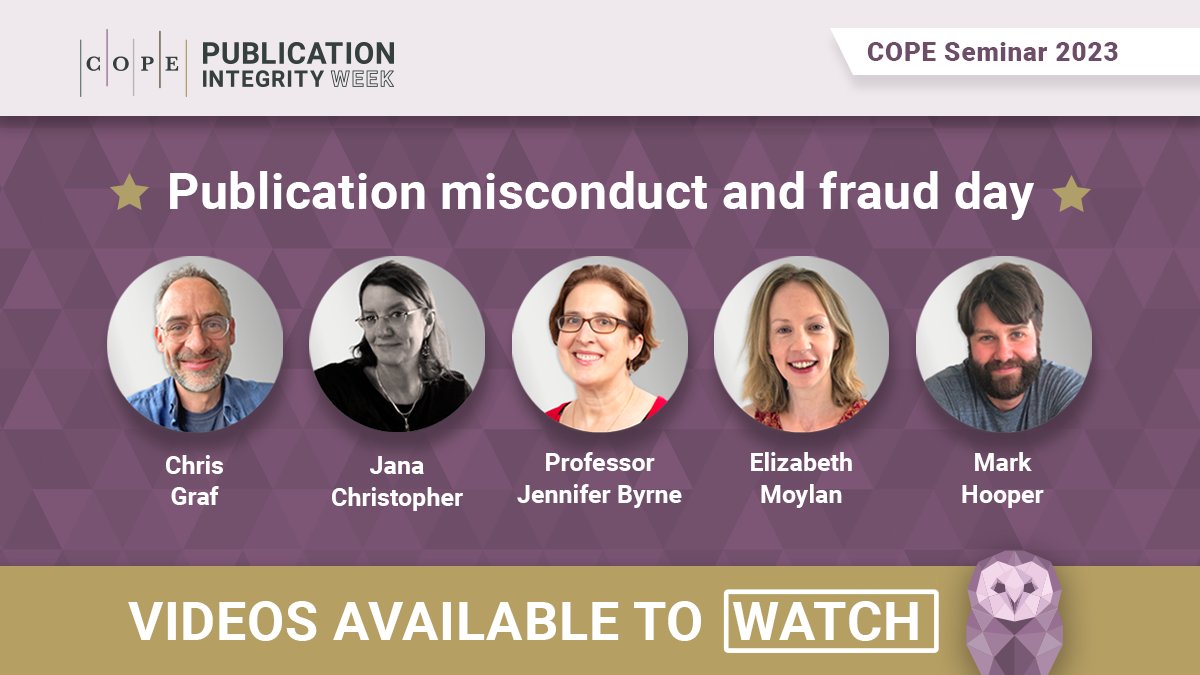
We dedicated a day of Publication Integrity Week to the threat presented by misconduct and fraud and how we can combat these issues together.
Watch videos:
*Publication ethics & research integrity overview
*Image manipulation
*Post-publication corrections
https://t.co/BabDennOxw
UNSW only has skills of abusing positions of power & public trust - repeatedly covering-up research misconduct & lying to the public, which has demonstrated over 10 years continuing to cover up & facility the research misconduct in L. Khachigian fraud & fraud-in-concert scandal.
https://t.co/zDupqtPosP
something to keep an eye on. Not very often one sees a response from the journal itself on @PubPeer Let’s hope @EMBO Reports is serious
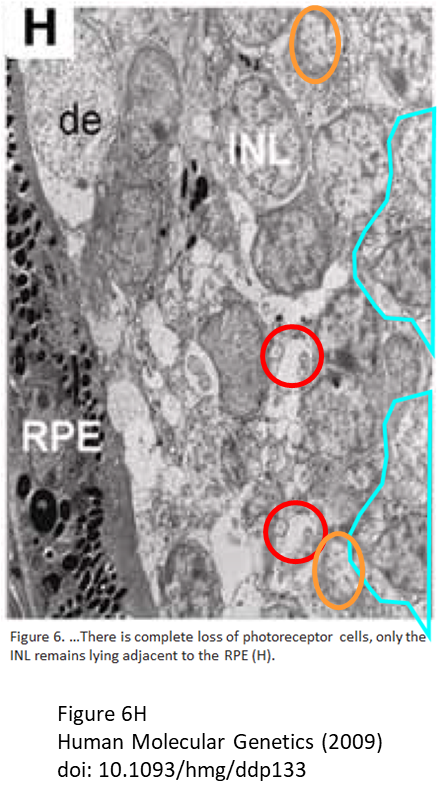
Journal Human Molecular Genetics (@OUPAcademic) permits authors to withdraw this figure in a “correction” to the paper. Was in PhD thesis of first author too.
See why we get cynical?
https://t.co/J2uiel3I5x
Another concerning Norman E. Sharpless error. How to show a remarkable reduction in bioluminescence... Just show the Day 1 image again and label it as Day 10😎
https://t.co/MykmBUBh8A
@MicrobiomDigest@MattNachtrab The idea that peer review is expected of scientists, both pre- & post-publication must not translate well outside of the sci community. Science fraud is a problem, particularly when bad science is used to make therapeutics. It takes a scientist to review data, not an investor.
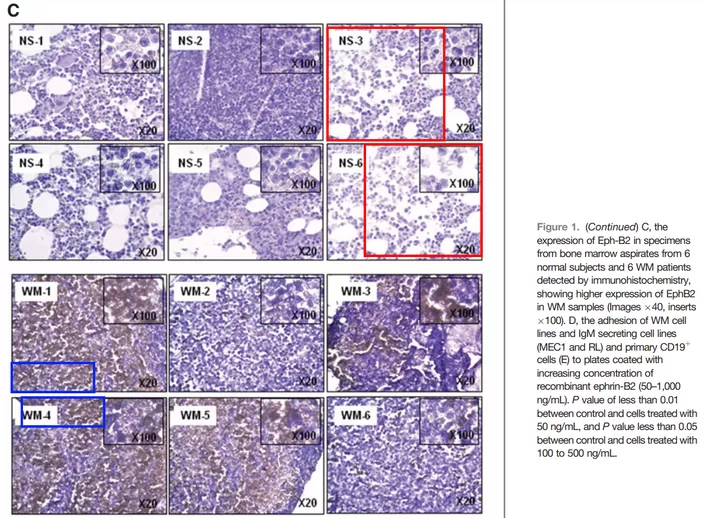
Scientists from Harvard gain ethical approval to aspirate bone marrow from healthy volunteers and cancer patients, then mix up the images during publication. Surely this is an enormous ethical transgression. I would be furious if I volunteered!
Few random thoughts about making papers reliable. 1) Huge labs and high productivity should be prevented, not rewarded. 2. The standard for indexing journals should go up, way up. At least half of the journals should be delisted. There is simply not enough credible expertise in