It is with a heavy heart I must say my dear little sister has passed away.
We’re getting close to our goal of preparing a proper funeral for Emily Klassen(Fendi). Please donate, like, comment, or share to help us finish strong. #InLovingMemory https://t.co/yLY6jvt3T9
The people building AI earnestly believe that it could kill us all by the end of the decade. This is not a marketing stunt. If anything, many executives and senior researchers will couch their phrasing in the press to sound sensible - but I hear the same people express fear privately. No other human activity poses this level of danger.
@BangBrosandHoes Internet forensics is here for the rescue..
You are safe, this is from a food item.
if you align the teeth of the package, it shows that this is from something much bigger.
Chips, cheetos, noodles?
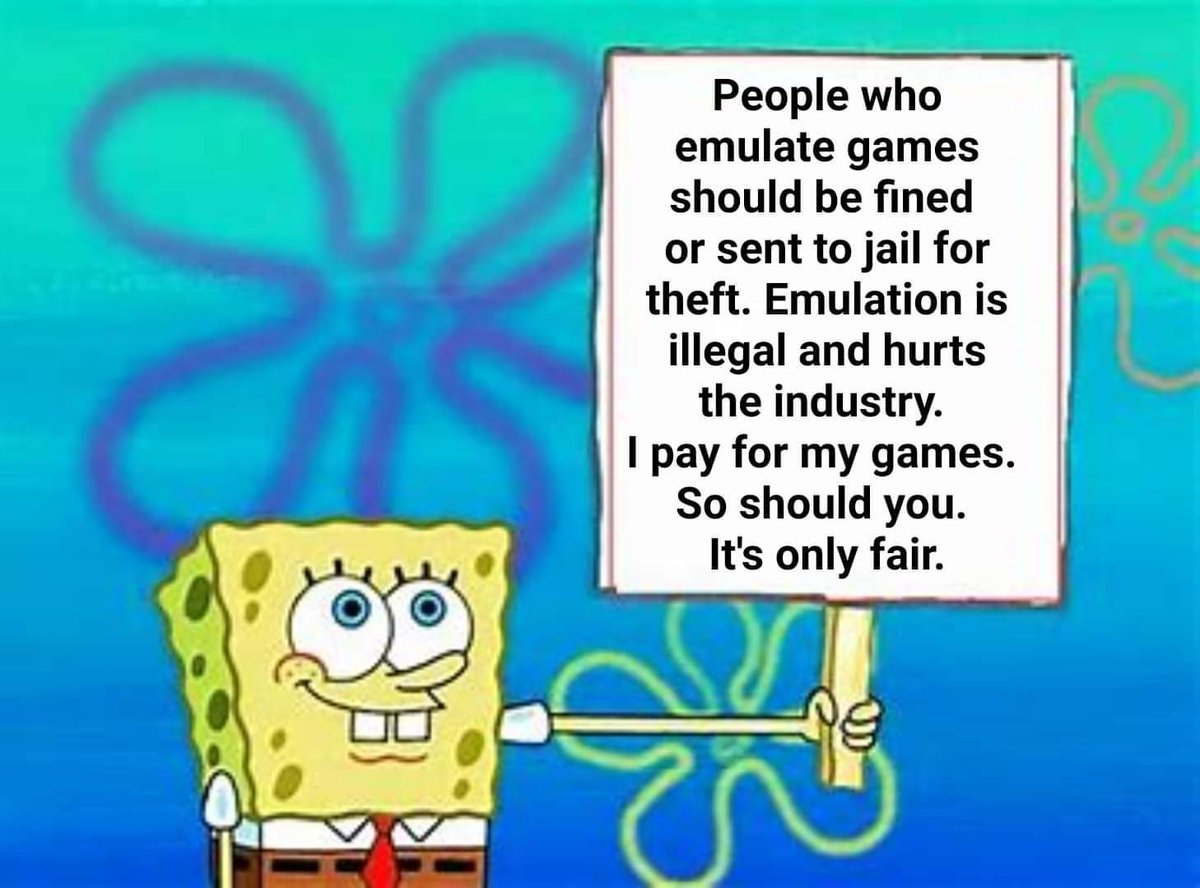
@OliverJia1014 The way I see emulation is like this:
Is the game readily avilable and at reasonable price (less than $80)?
Yes = Buy it or wait for it to go sale.
No = Emulate it, no single game is worth $100+ just play it. Especially if its a retro game decades out of print.
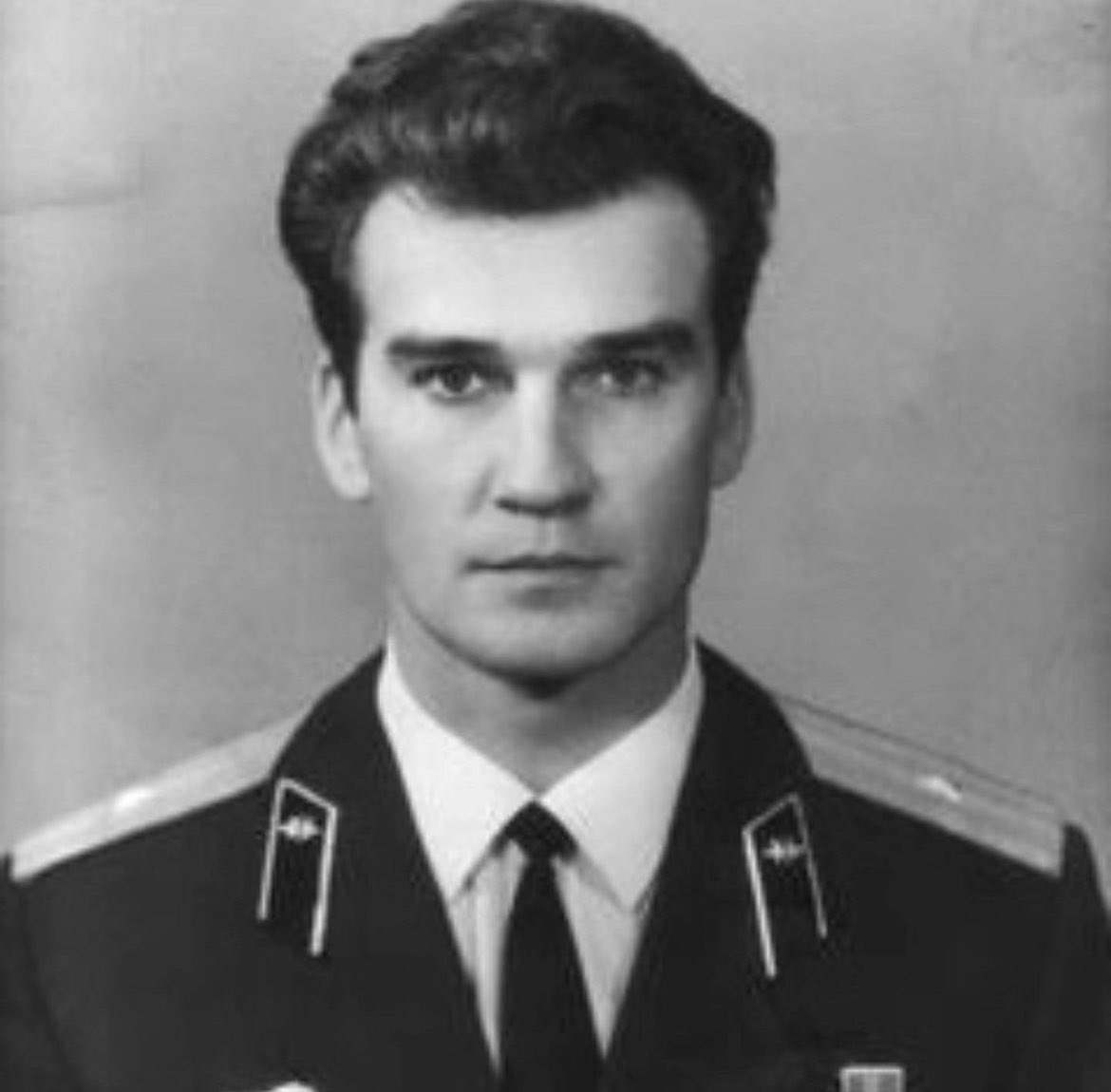
Stanislav Petrov, the man who saved the world from nuclear disaster, on this day in 1983, 39 years ago today, saw the word "LAUNCH" flash across the Soviet Union's attack early warning system. His screen stated with high reliability that a total of five American intercontinental ballistic missiles (ICBMs) had been launched and were headed toward the Soviet Union. Petrov had to make a decision: should he report an incoming American strike, or should he hold off, confident that what they were seeing was a false alarm?
If he reported it, Soviet nuclear doctrine called for a full nuclear retaliation. There would be no time to double-check the warning system or seek negotiations with the U.S. This occurred during the Reagan administration, which had taken a firmer stance against the Soviets compared to previous administrations. The Reagan administration was deploying Pershing I nuclear-armed missiles to West Germany and Great Britain, capable of striking the Soviet Union. Given these circumstances, Petrov had reasons to believe that Reagan's brinkmanship had escalated to an actual nuclear exchange.
However, Petrov chose not to report the incoming strike. In the end, his decision proved to be correct. The system had mistaken the sun's reflection off of clouds for a missile. A 1979 report by Congress had estimated that a full-scale Soviet assault on the U.S., and an eventual counter-strike, would have resulted in over 100 million deaths. Petrov, almost single-handedly, prevented those deaths.
Despite being right, Petrov was relentlessly interrogated afterward and never rewarded for his decision, according to David Hoffman of The Washington Post.
Croatia's member of the European Parliament: “Today it would be safer to sign contracts with the Colombian drug cartels than with the World Health Organization.”