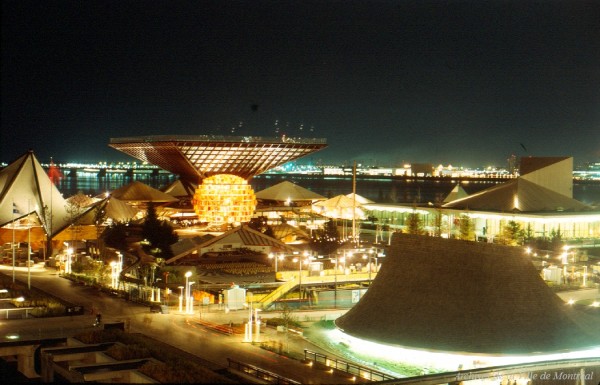
Le 27 avril est une journée marquante pour le parc Jean-Drapeau, car c'est l'anniversaire de l'inauguration de l'Expo 67. Un événement qui a laissé une empreinte indélébile dans nos mémoires! 🤩🥰
Consultez notre ligne du temps pour en savoir plus▶️ https://t.co/DunxKmQL82
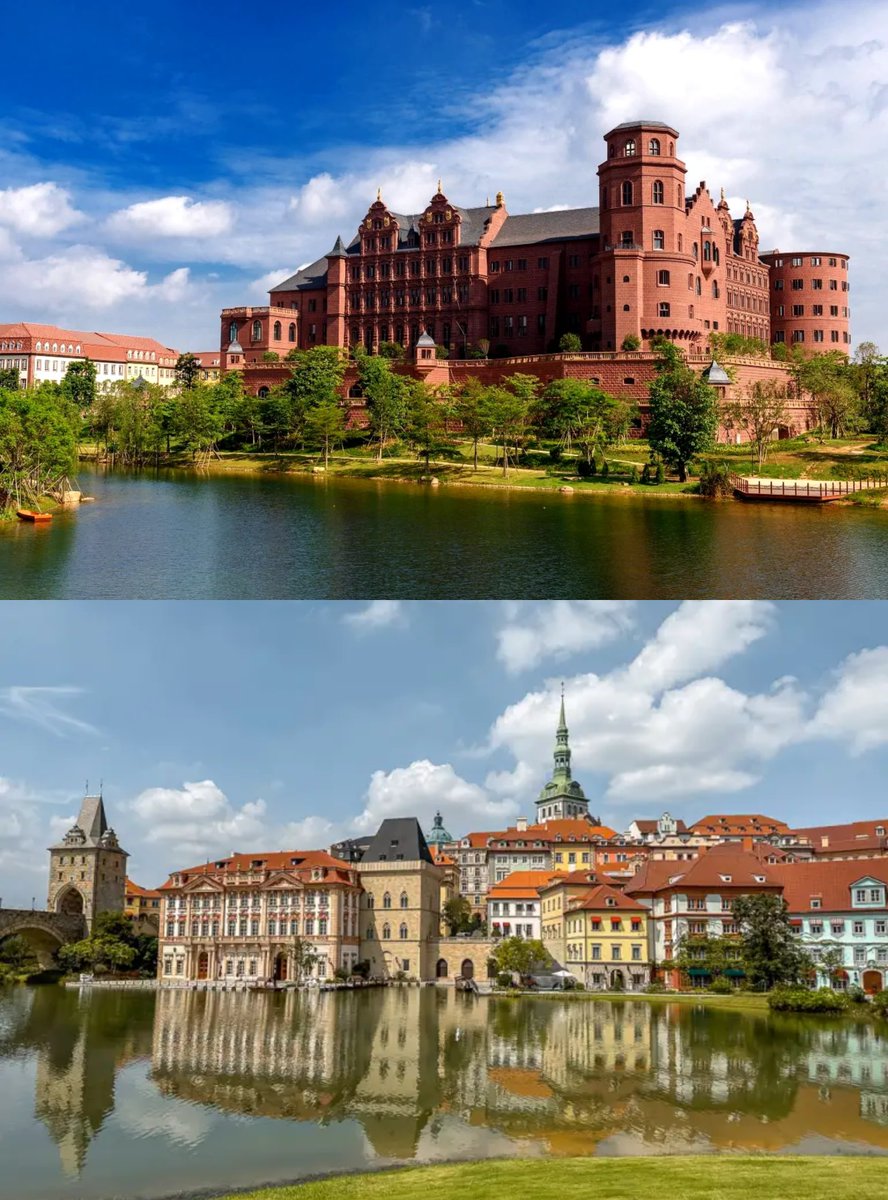
This city is not in Italy, France, or Germany.
It's in China and it's less than ten years old.
This is Huawei's R&D Headquarters, where 25,000 people work, and it might just be the most interesting office building(s) in the world...
With just one week until the big day, some members of our team are getting nostalgic over some vintage Christmas imagery from our collection.
This photograph depicts Paddington Station in 1956. We love their festive decorations, especially Santa going down the chimney! 🎅🏚️
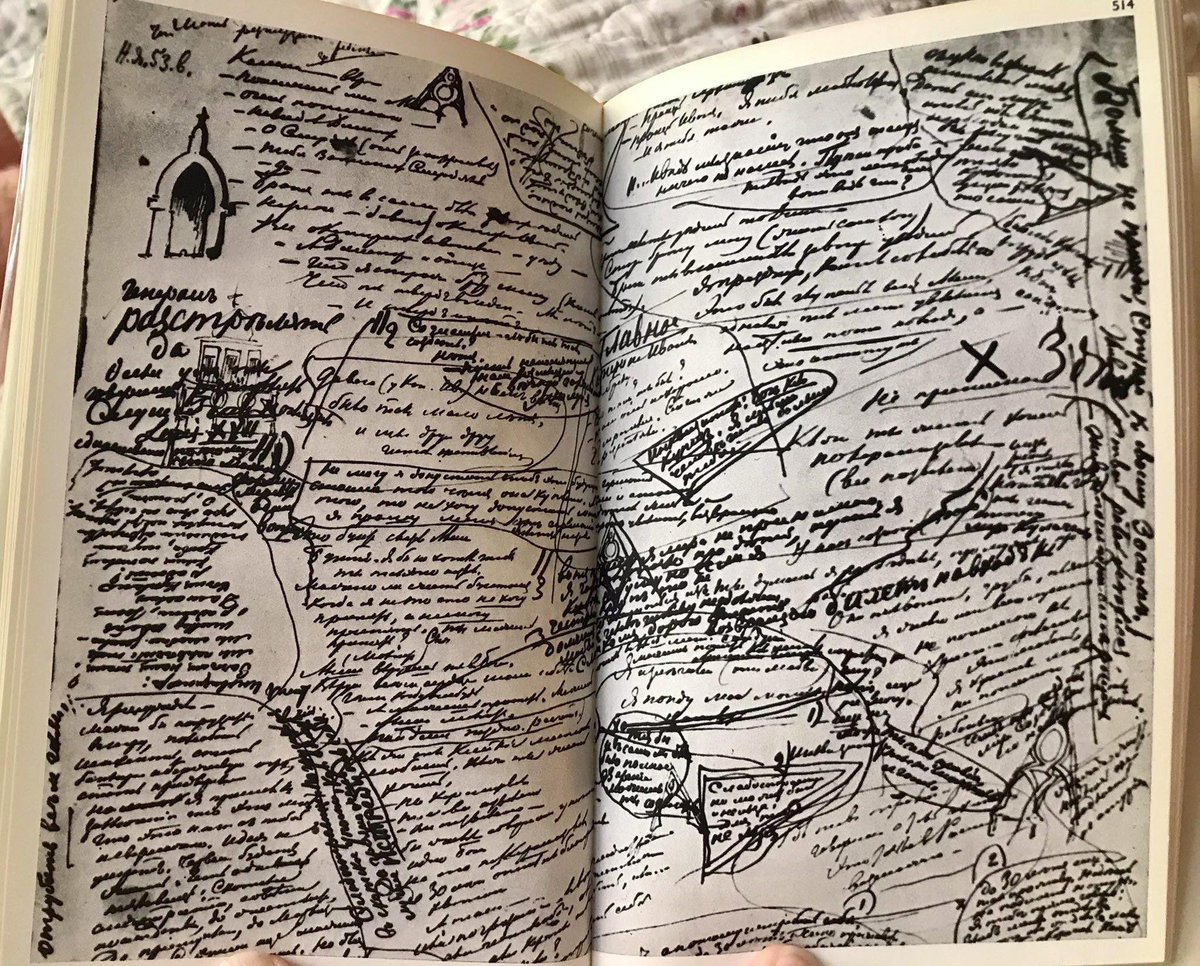
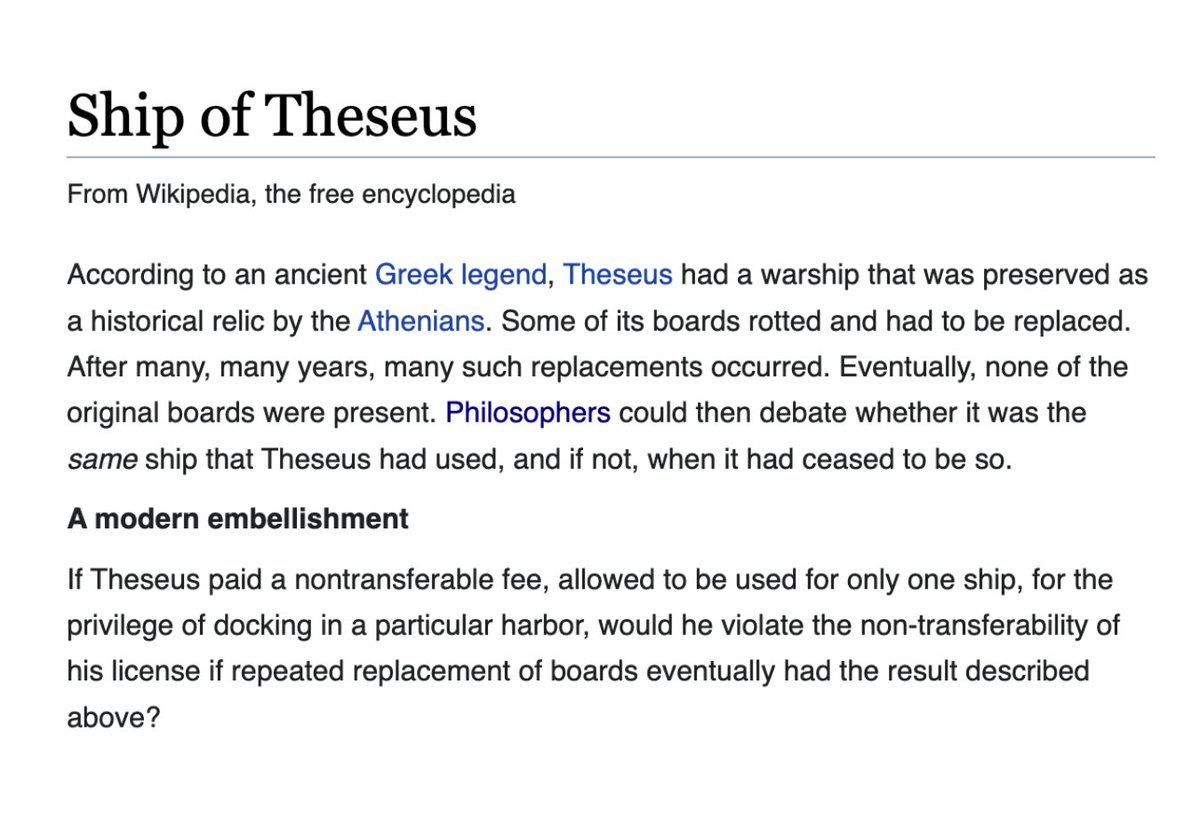
The "Ship of Theseus" article has been edited 1792 times since it was created in July of 2003. At present, 0% of the phrases in the original article (seen below) remain.
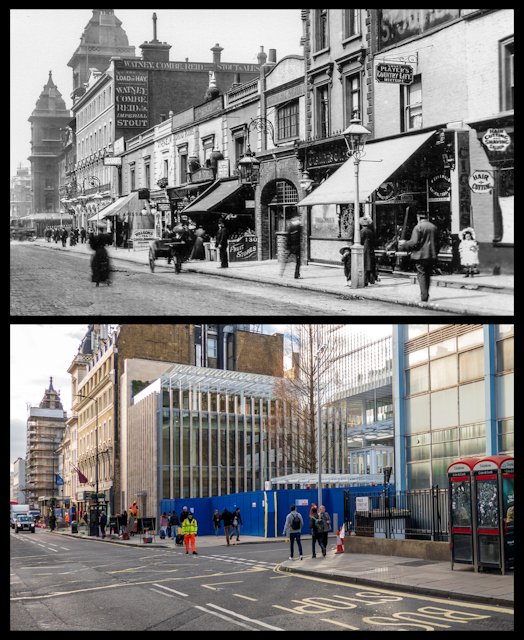
Eastbourne Terrace 1900-2023 On The Junction With Bishops Bridge Road Victorian Hotel/Pub Demolished In The Sixties https://t.co/GqF23wPlRS #oldlondon#paddington
The Huaorani tribe, also known as Waorani or Waos, is an indigenous group residing in Eastern Ecuador within the Amazon rainforest. With a population of approximately 4,000 members, the tribe maintains a unique cultural and linguistic heritage.
Their language is distinct and not known to be related to any other, reflecting their historical isolation.
The Huaorani people, who have a rich history of tree climbing as a vital skill for their way of life, have undergone physical adaptations in their feet. As a result, their feet have flattened over time.
Their main source of food comes from hunting monkeys and small game with spears and blowguns. The limited gene pool, continuous interaction with the challenging environment, and the need to climb trees have all contributed to these adaptations. In fact, some individuals in the tribe have six toes on each foot and six functional fingers on each hand. It's fascinating to note that the structure of their feet changes over time, starting with straight toes at birth.
The first peaceful contact with outsiders occurred relatively late, in the late 1950s, by American missionaries. Prior interactions were often marked by violence. The tribe's territory has been under threat due to oil exploration and illegal logging, which has led to conflicts with the outside world.
The tribe's culture is deeply rooted in their environment, and they practice a hunter-gatherer lifestyle, relying on the rainforest for sustenance and resources. Their traditional social structure is based on small, extended family groups, and they have a rich oral tradition, including storytelling and music.
Despite the challenges they face, the Huaorani continue to fight for their rights and the preservation of their culture and land.
In 1960, David Latimer planted a spiderwort sprout inside of a large glass jar, added a quarter pint of water, and then sealed it shut.
He opened the bottle for the first time only 12 years later, in 1972, to add some water and then sealed it for good.
The self-contained ecosystem flourished for more than 60 years as a perfectly balanced garden and self-sufficient ecosystem.
The bacteria in the compost ate the dead plants and broke down the oxygen released, turning it into carbon dioxide, essentially forming a microcosm of Earth.
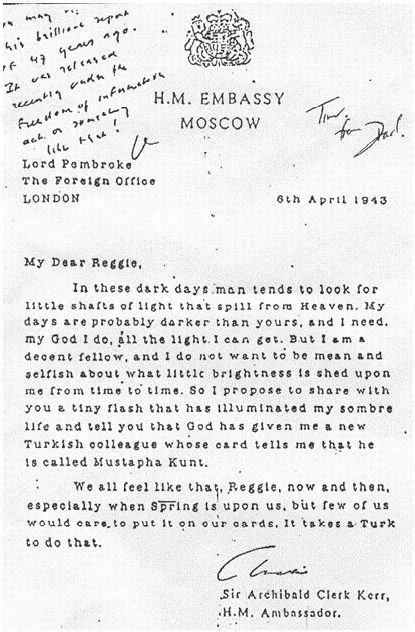
UK Ambassador to Moscow Sir Archibald Kerr writes to minister Lord Pembroke in London: "In these dark days man tends to look for little shafts of light that spill from Heaven... God has given me a new Turkish colleague whose card tells me that he is called Mustapha Kunt."
Inside the crypt of Boulogne Cathedral, the largest crypt in France. It contains more than 4000 square metres of painted murals. It dates back to the Roman period, although much is medieval. It was discovered when the new cathedral was constructed in 1827 #boulognecrypt
A breakthrough occurred in 1949, when poliovirus was successfully cultivated in human tissue by John Enders, Thomas Weller and Frederick Robbins at Boston Children’s Hospital.
Their pioneering work was recognized with the 1954 Nobel Prize.
Not long afterwards, in the early 1950s, the first successful vaccine was created by US physician Jonas Salk.
Salk tested his experimental killed-virus vaccine on himself and his family in 1953, and a year later on 1.6 million children in Canada, Finland and the USA.
The results were announced on 12 April 1955, and Salk’s inactivated polio vaccine (IPV) was licensed on the same day.
By 1957, annual cases dropped from 58 000 to 5600, and by 1961, only 161 cases remained.
Salk was committed to equitable access to his vaccine, and understood that elimination efforts would not work without universal low- or no-cost vaccination.
Six pharmaceutical companies were licensed to produce IPV, and Salk did not profit from sharing the formulation or production processes.
Source:
https://t.co/dWeaoXruc1.
#Today in 2003, a strange object designated J002E3 was discovered orbiting Earth.
It turned out to be an Apollo 12 rocket stage launched in 1969 that had returned
[read more: https://t.co/djQQH1aR3d]