Despite the absence of a regular league, adequate resources, and stable conditions, #Yemen has achieved notable success. They qualified for the 2027 @afcasiancup , topped their qualifying group, and delivered performances that garnered widespread admiration. This demonstrates once again that determination can prevail over challenging circumstances💪🏼🇾🇪
10/10
The window opened by the new cabinet and renewed IFI engagement is real — but it closes fast without peace, diversified domestic revenues, and disciplined policy. Worth reading both reports in full:
1- https://t.co/OcvyzTcpvX
2- https://t.co/6E5eNG0NBb
1/10 Two major reports on #Yemen's economy landed in April and May:
🔹 @WorldBankGroup — Yemen Economic Monitor, Spring 2026: "Pushing Against the Tide"
🔹 @IMFNews — 2025 Article IV consultations report (the first in 11 years)
We quickly summarised key findings in this 🧵:
9/10
The new GoY cabinet (Feb 2026) has committed to a substantive reform agenda. The IMF is back at the table after 11 years. Banks are relocating to Aden. Yemen's economy is stabilizing on borrowed time and borrowed money.
Thank you, @ZayedAward for Human Fraternity for such a wonderful experience and for being part of your great work this year.
سعدت جداً بمشاركتي ضمن جائزة الشيخ زايد (رحمه الله) للأخوة الإنسانية للعام الحالي ٢٠٢٦. 🙏👏🏻
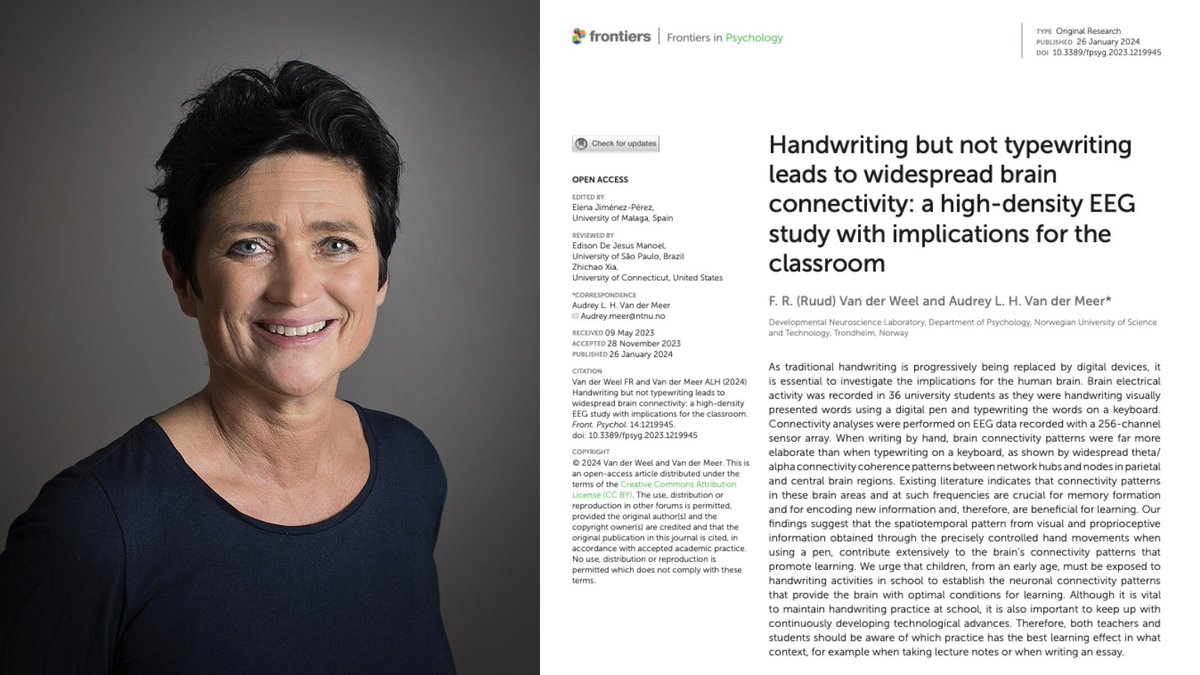
A Norwegian neuroscientist spent 20 years proving that the act of writing by hand changes the human brain in ways typing physically cannot, and almost nobody outside her field has read the paper.
Her name is Audrey van der Meer.
She runs a brain research lab in Trondheim, and the paper that closed the argument was published in 2024 in a journal called Frontiers in Psychology. The finding is brutal enough that it should have changed every classroom on Earth.
The experiment was simple. She recruited 36 university students and put each one in a cap with 256 sensors pressed against their scalp to record brain activity. Words flashed on a screen one at a time.
Sometimes the students wrote the word by hand on a touchscreen using a digital pen, and sometimes they typed the same word on a keyboard. Every neural response was recorded for the full five seconds the word stayed on screen.
Then her team looked at the part of the data most researchers had ignored for years, which is how different parts of the brain were communicating with each other during the task.
When the students wrote by hand, the brain lit up everywhere at once.
The regions responsible for memory, sensory integration, and the encoding of new information were all firing together in a coordinated pattern that spread across the entire cortex. The whole network was awake and connected.
When the same students typed the same word, that pattern collapsed almost completely.
Most of the brain went quiet, and the connections between regions that had been alive seconds earlier were nowhere to be found on the EEG.
Same word, same brain, same person, and two completely different neurological events.
The reason turned out to be something nobody had really paid attention to before her work. Writing by hand is not one motion but a sequence of thousands of tiny micro-movements coordinated with your eyes in real time, where each letter is a different shape that requires the brain to solve a slightly different spatial problem.
Your fingers, wrist, vision, and the parts of your brain that track position in space are all working together to produce one letter, then the next, then the next.
Typing throws all of that away. Every key on a keyboard requires the exact same finger motion regardless of which letter you are pressing, which means the brain has almost nothing to integrate and almost no problem to solve.
Van der Meer said it plainly in her interviews.
Pressing the same key with the same finger over and over does not stimulate the brain in any meaningful way, and she pointed out something that should scare every parent who handed their kid an iPad.
Children who learn to read and write on tablets often cannot tell letters like b and d apart, because they have never physically felt with their bodies what it takes to actually produce those letters on a page.
A decade before her, two researchers at Princeton ran the same fight using a completely different method and ended up at the same answer. Pam Mueller and Daniel Oppenheimer tested 327 students across three experiments, where half took notes on laptops with the internet disabled and half took notes by hand, before testing everyone on what they actually understood from the lectures they had watched.
The handwriting group won by a wide margin on every question that required real understanding rather than surface recall.
The reason was hiding in the transcripts of what the two groups had actually written down.
The laptop students typed almost word for word, capturing more total content but processing almost none of it as they went, while the handwriting students physically could not write fast enough to transcribe a lecture in real time, which forced them to listen carefully, decide what actually mattered, and put it in their own words on the page.
That single act of choosing what to keep was the learning itself, and the keyboard had quietly skipped the choosing and skipped the learning along with it.
Two studies. Two countries. Same answer.
Handwriting makes the brain work. Typing lets it coast.
Every note you have ever typed instead of written went into your brain through a thinner pipe. Every meeting, every book highlight, every idea you captured on your phone instead of on paper was processed at half depth.
You did not forget those things because your memory is bad. You forgot them because typing never woke the part of the brain that would have made them stick.
The fix is the thing your grandmother already knew.
Pick up a pen. Write the thing down. The slower road is the faster one.
لكل رواد الأعمال والذين هم في صدد إعداد دراسة الجدوى
تابعوا هذا الفيديو للاستخدام الذكي للذكاء الاصطناعي، كيف بالإمكان ان توفر الكثير من الوقت والجهد إذا عرفت كيفية استخدامه https://t.co/qgOL3gNpFs
أول يوم في المكلا
مر لي للفندق الصديق العزيز والاعلامي المخضرم أيمن باحميد وأخذني لجامع السلطان عمر بوسط المدينة لحضور صلاة الجمعة، خرجنا بعد أن سلمنا على خطيب المسجد الشخصية المؤثرة والمثيرة للجدل في المكلا متوجهين صوب منزل المهندس صالح بلعلاء الذي ضيفنا بكرمه وعلمه وتعرفت على أحد أهم المهندسين في مجال النفط والطاقة.
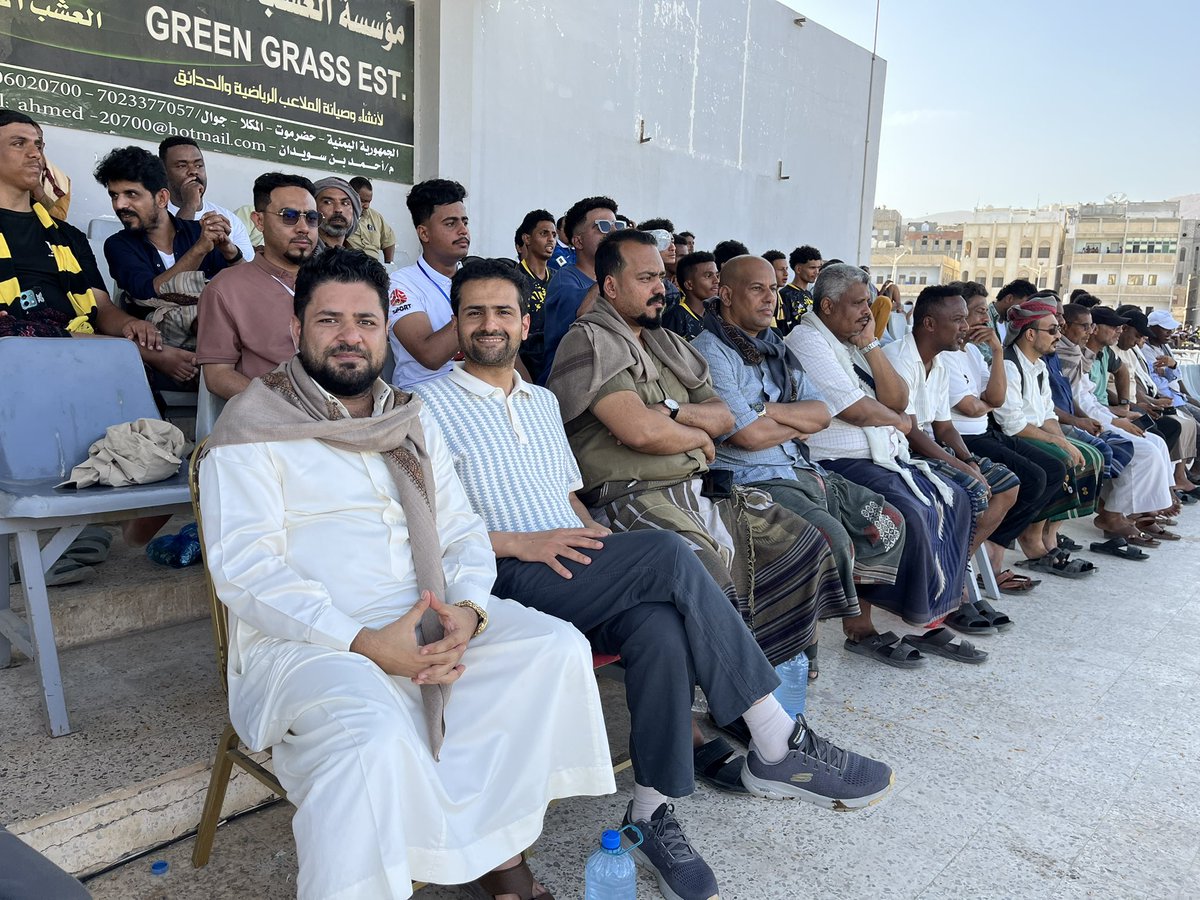
قلت لأيمن أنا مغرم بالالتراس الرياضي الحضرمي أرجوك الى ملعب المدينة، انطلقنا نحو ملعب بارادم لحضور مباراة التضامن والاتحاد وهناك شاهدت الاستعراض الرياضي والفني لجماهير الفريقين.. ايش الاغاني والرقصات والشعارات حاجة في منتهى الإثارة والمتعة.. ملعب ممتلئ تماما والناس يفترشون أسطح المباني المطلة على الملعب لمشاهدة المباراة❤️
خرجنا من الملعب وفي الطريق وخلال نقاشي مع أيمن حول الموالد والحضرات الصوفية قال لي لوجيت أمس الخميس لكن في مجلس علم يسمى "زاوية" في منزل مفتي حضرموت السابق الشيخ عبدالله الحداد، قلت له توكلنا على الله وعبرنا أزقة المدينة القديمة الجميلة حتى وصلنا البيت ويا لها من زاوية وياله من شيخ يتحدث في الماورائيات بشكل عذب وعميق ولغة جذابة.
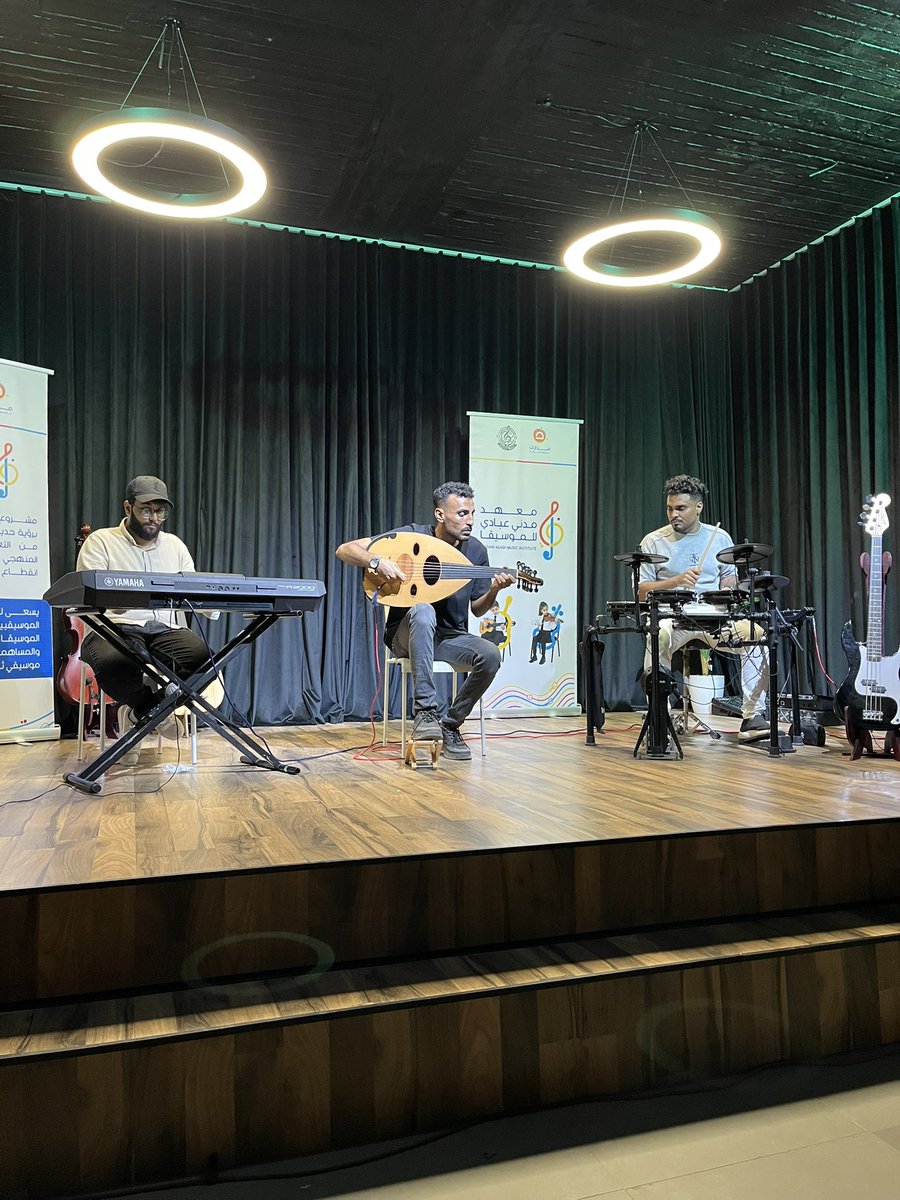
خرجنا من الخلوة واتجهنا لمؤسسة مدارات لحضور فعالية تدشين مركز تعليم الموسيقى.. شباب وبنات زي الفل يستعدون للتدرب على ١٢ آلة موسيقية.. نقطة ضوء وسط ظلام كبير وممتد يستحقون لأجلها كل الدعم، مشروع جبار بقيادة المبدع محمد باوزير.. وهناك التقيت بعراب الفن الحضرمي الحديث المايسترو الرهيب محمد القحوم والعازفة ابرار الحناني والعازف هيثم الحضرمي وغيرهم من الفنانين المخضرمين والصاعدين.
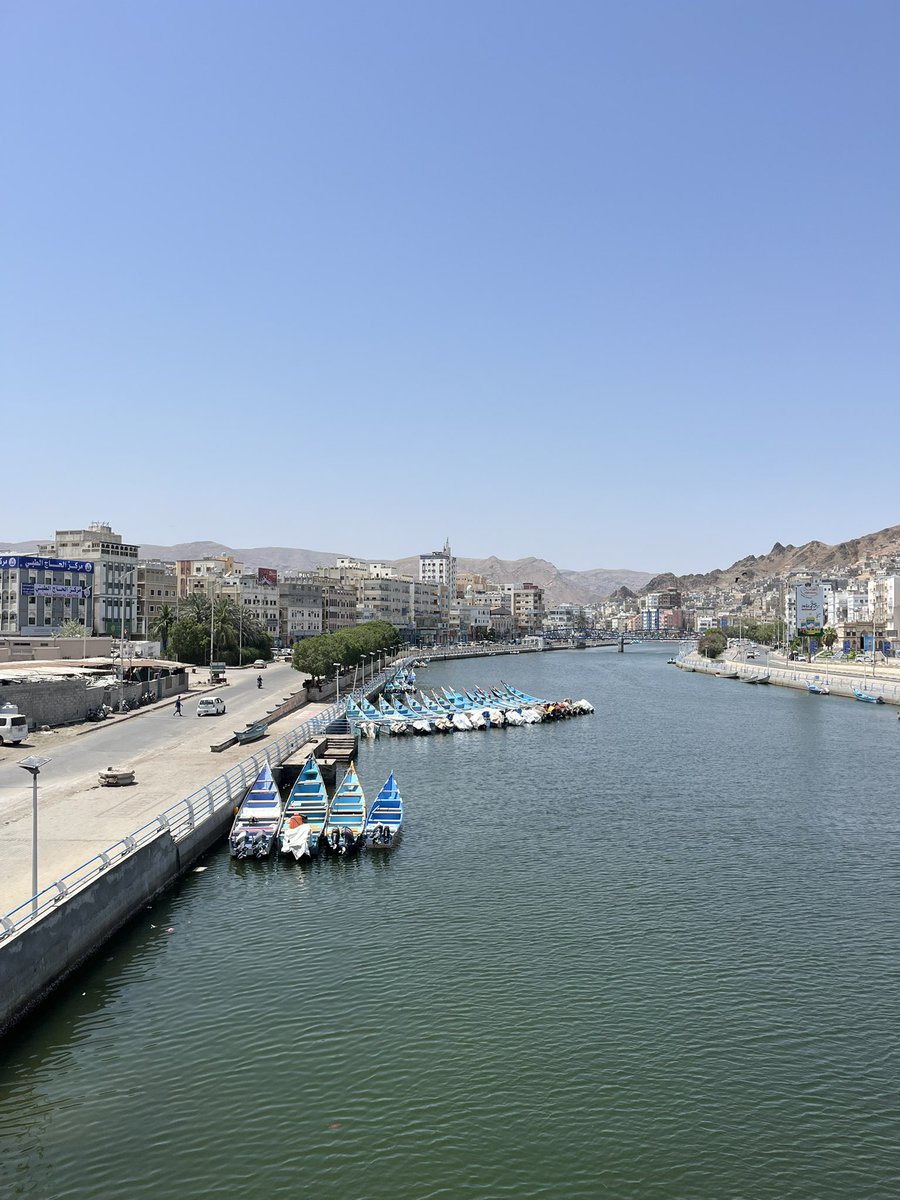
يوم حافل تزاحمت فيه الأحداث والفعاليات الجميلة والمتنوعة برفقة الغالي أيمن باحميد.. أشعر في ختامه بالروح عادت إلي بعد سنوات من الغربة ورغم أن هذه أول زيارة لي للمكلا لكن والله كأنها بلدي التي أنتمي لها منذ عرفت نفسي..
The hard questions ahead: — How do we sustain IDA's scale as ODA shrinks? — How do we make it work in conflict-affected settings? — How do we ensure the most fragile states aren't crowded out?
Looking forward to the work.
#Yemen#InternationalDevelopment#StateBuildling
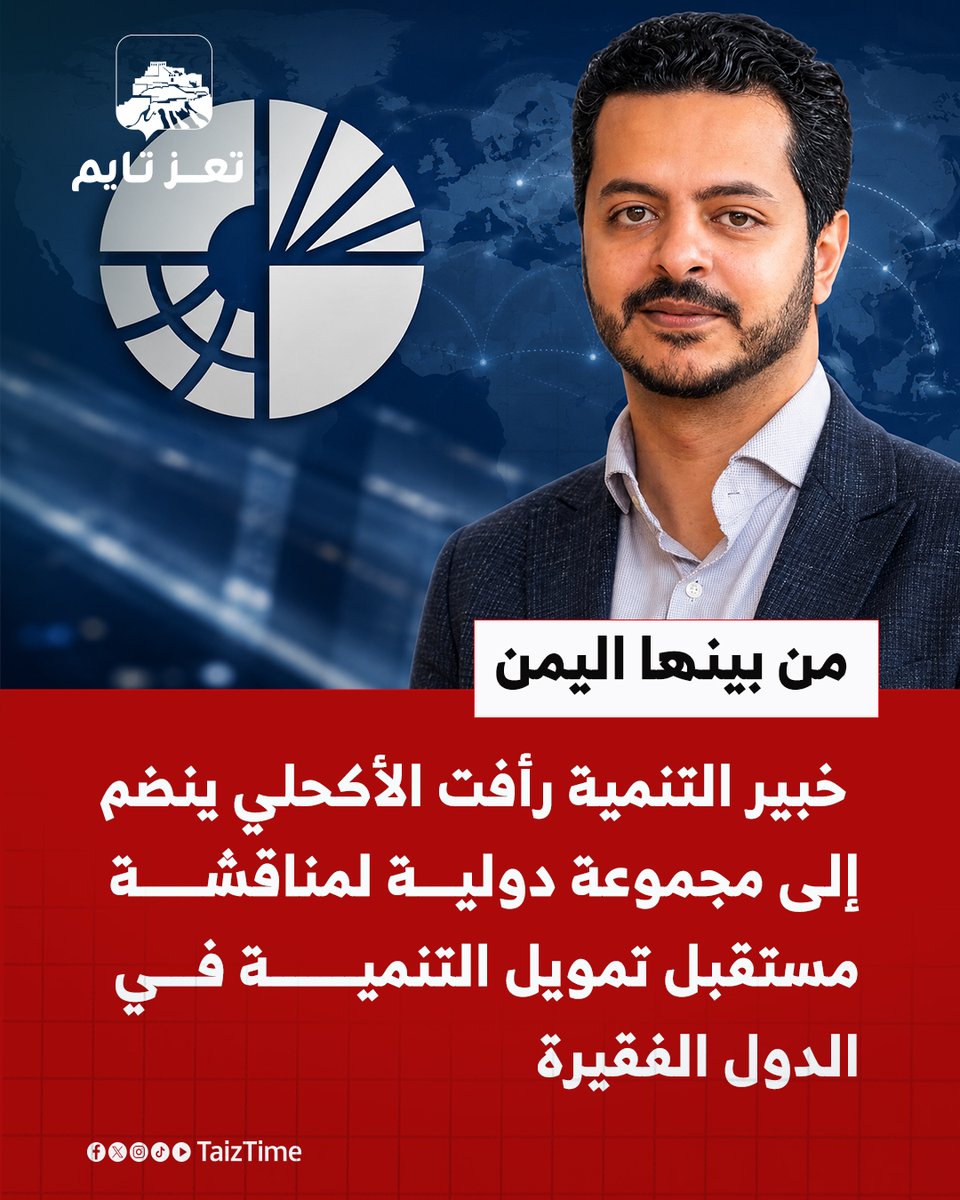
Honoured to join @ODIglobal's technical working group on the future of IDA — alongside leading voices in international development.
A thread on what this is, why it matters, and what I hope to bring to the table. 🧵
🔗 https://t.co/zFsYSLNc7s
I hope to bring a ground-level fragile-state perspective. Debates about MDB reform can go abstract fast — capital ratios, shareholder dynamics, financing structures.
But I've seen what happens when IDA-funded programs are delayed or poorly calibrated to conflict realities.