Two small island economies blew up in 2008. Iceland and Ireland. Their names differ by one letter, and their handling of the crisis differed by everything that matters.
Iceland's three big banks, Kaupthing, Landsbanki, and Glitnir, had grown assets to roughly ten times the country's GDP by 2008. Pure credit-fueled madness. When the music stopped, the Icelandic government did the unthinkable: it let them fail. Bondholders ate the losses. The state refused to socialize private bank debt onto 320,000 citizens who never signed up for it. Capital controls went up, the króna collapsed, and the politicians actually prosecuted bankers. Twenty-six of them went to prison. Sigurður Einarsson and Hreiðar Már Sigurðsson, the men who ran Kaupthing, served real sentences.
Ireland took the opposite road. In September 2008, the Irish government issued a blanket guarantee covering the liabilities of its major banks, including Anglo Irish Bank, a property-lending casino that should have been allowed to die in peace. The taxpayer absorbed the bill. By the time the rescue ended, Ireland had poured around 64 billion euros into its banks, roughly 40 percent of GDP. The state took on private gambling debts, then went to the Troika in 2010 hat in hand for an 85 billion euro bailout, and accepted years of austerity to pay for losses it had no business owning.
Both economies recovered. Both eventually grew again. The difference is who paid and who learned. Iceland made creditors and reckless bankers bear the consequences of their own decisions, which is the entire point of capitalism: profit and loss, not profit and bailout. Ireland protected the people who made the bad bets and handed the invoice to schoolteachers and shopkeepers.
You will hear economists call Ireland's GDP rebound a triumph (much of that "growth" is multinational accounting fiction, Leprechaun economics, but that's another lesson). What they skip is the moral architecture. When you guarantee bank liabilities, you abolish the discipline that makes markets work. You tell every banker in the country that downside is optional.
Iceland jailed its bankers. Ireland reimbursed theirs.
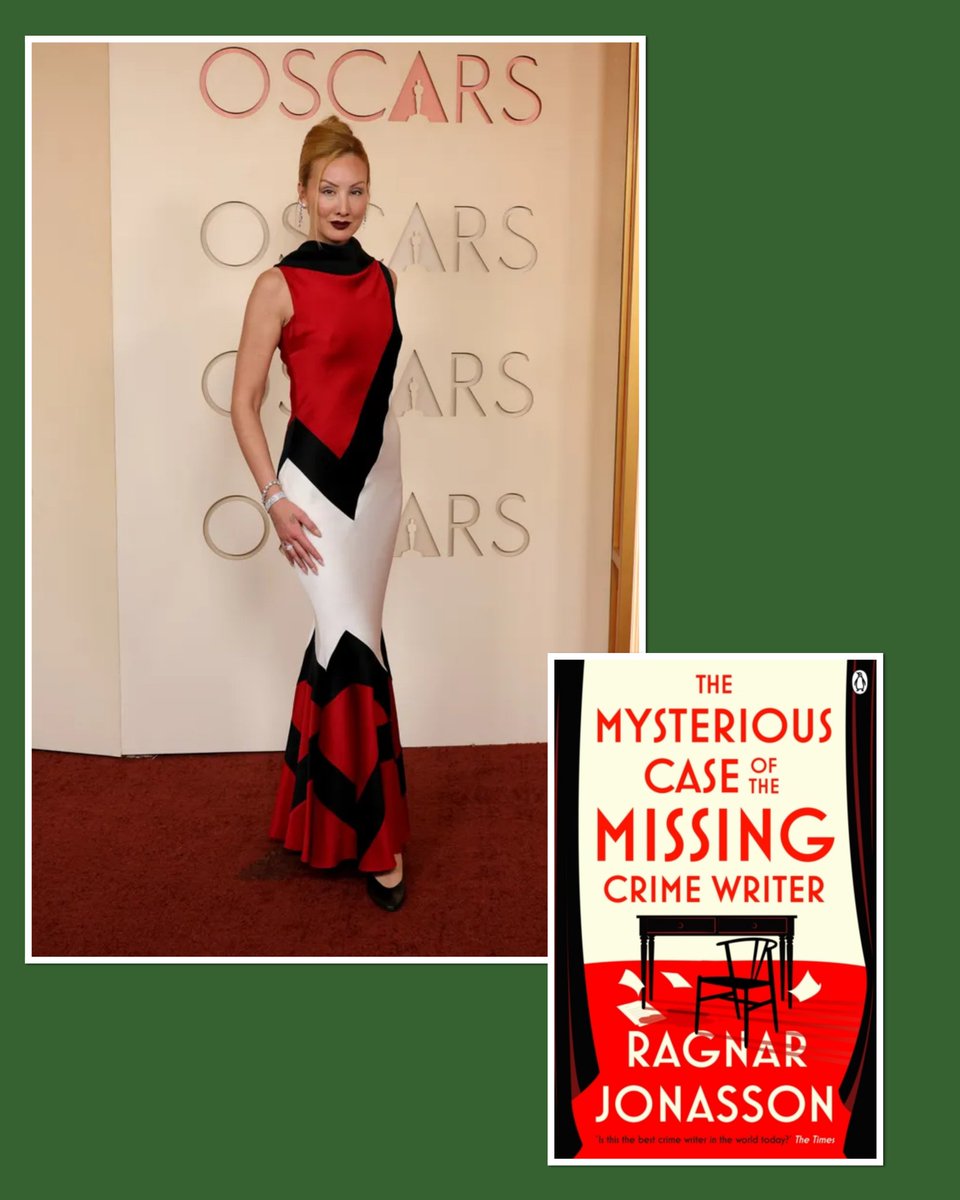
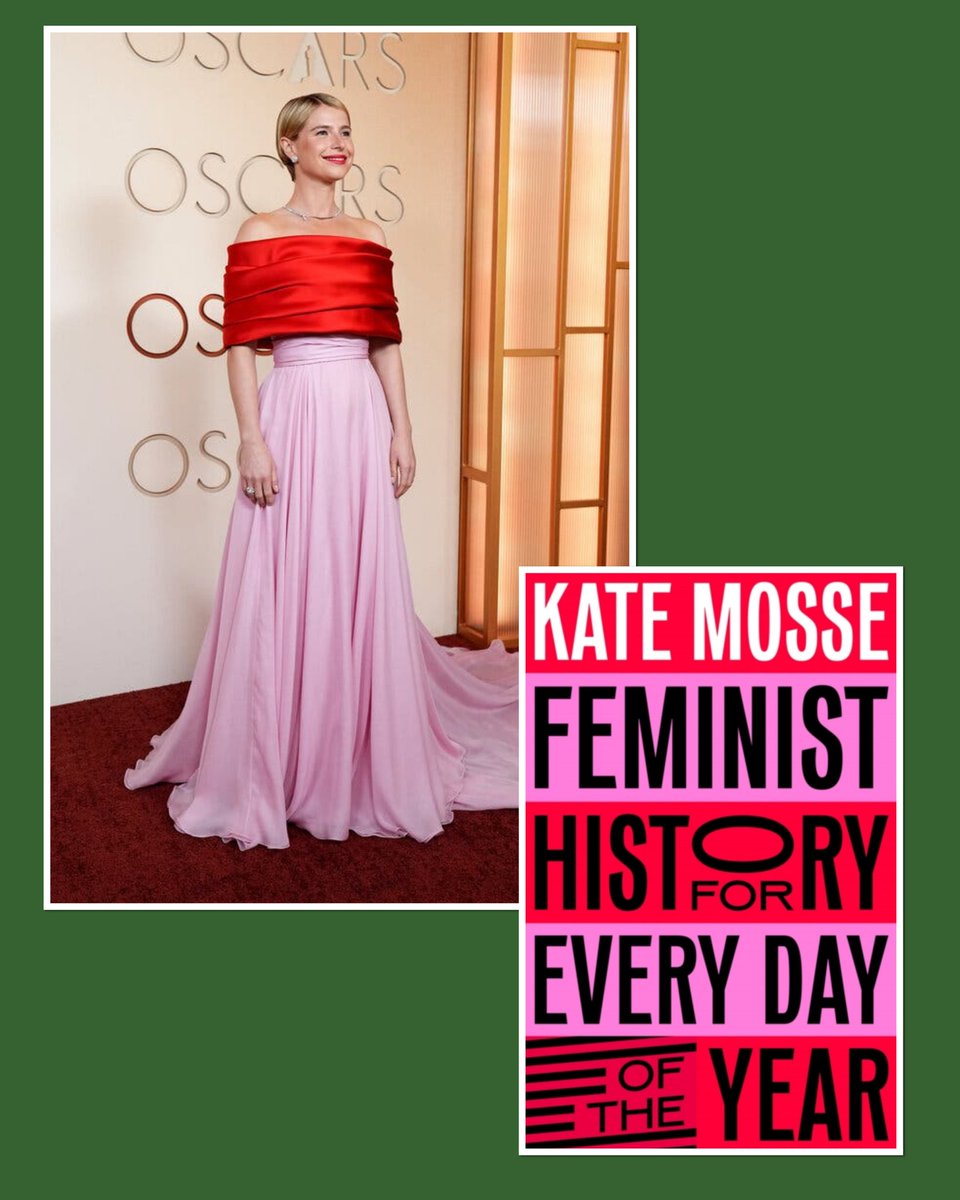
It's that time of the year again when people go to the #Oscars dressed as books.
*Some of these were done very, very, very early this morning, so aren't the best *
A thread 🧵
I understand some people can’t pay for Netflix to watch Louis Theroux’s documentary on the manosphere, so I thought I’d summarise it for you.
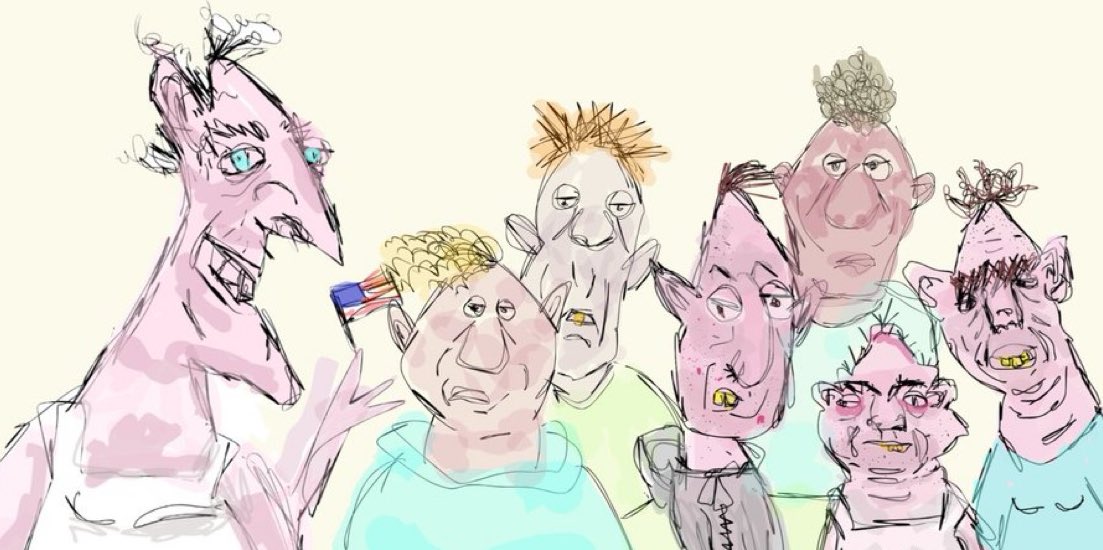
There’s a bunch of slightly balding chubby-muscle men who look very divorced and they kind of strut around like an insecure flock of chickens, and they say some very silly stuff that maybe a 9 year old boy might say when hitting his sister with a truck. These men are not smart and they do NOT come across as smart.
Then there’s these other men who are kind of probably a bit gay which is fine, we love a rainbow, and they are super into self care and beauty but have rebranded it looksmaxxing because obviously, women’s interests in aesthetics is ew. Also stupid men, but in a twinky way.
All are very upset that they look stupid whenever their views are repeated back to them and the logic falls through the floor like a cartoon piano.
You’re welcome.
A Gen Z joined the team.
Week one.
During onboarding, the manager said,
“We sometimes stay late during peak periods.”
Gen Z nodded.
Then asked,
“Is that paid… or just expected?”
The room went quiet.
- No attitude.
- No rebellion.
- Just a question.
Later that day, HR mentioned “growth opportunities.”
Gen Z replied,
“Does growth include raises, or just more responsibility?”
Again, silence.
- No laziness.
- No entitlement.
- Just clarity.
That’s when the team realized something.
When people say
“Gen Z is lazy,”
what they really mean is:
Gen Z watched old generation
- skip meals,
- miss birthdays,
- work weekends,
- and burn out
only to be told
“budgets are tight”
and “be grateful you have a job.”
So Gen Z chose differently.
- They don’t romanticize overwork.
- They don’t confuse suffering with ambition.
- They don’t trade health for praise.
They still work hard.
They just refuse to work for nothing.
It’s not laziness.
It’s pattern recognition.
And honestly,
after everything old generation went through…
Can you really blame them?
The defence debate in Ireland isn’t serious.
One side wants to pretend a post-Trump Europe doesn’t matter.
The other is busy imagining a Russian invasion of Ireland.
Neither is remotely credible.
Why is nobody saying “ we need to talk to Russia and build an enduring peace”
Europeans need to wake up. The only possible positive future involves peace and trade with Russia. Russia is a natural cultural and geographical fit.
We’re being led by war mongers.
Whose children will be far from bullets.
Armaments are the new industry of choice in Europe. That says it all.
"So what's your Zip Code?"
"Actually, we don't have Zip Codes in Ireland. We have Eircodes."
"I'm sorry, it has to be a Zip Code."
"Okay, em... one, one... one, one.. How many's that?"
"One more."
"One?"
"Thank you."
Fox hunting isn't Irish heritage or culture and it isn't a rural pursuit. It's a culture and tradition of animal cruelty imported from the UK by the "landed" gentry and even has British uniforms. It's cruel, pointless and not something we need to preserve. It's disgusting.
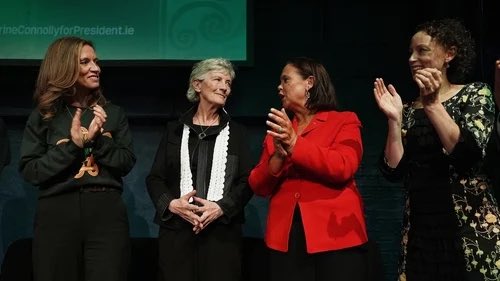
Catherine Connolly committed to learning fluent Irish in 2004, well into adulthood, after regretting not being able to do a live interview with RnaG. Then she actually followed through. How is it ‘elitist’ to expect the same thing of a literal Minister of the Gaeltacht
FFG's main attack on Connolly is that she has a record of putting her personal beliefs aside in order to abide by the requirements of the role she was in (barrister)
Surely that's what you want in a President?