THIS GUY MAKES COMPLEX AI AGENT CONCEPTS RIDICULOUSLY EASY TO UNDERSTAND.
No jargon wall. No assuming you already know what a reward model or an evaluation harness is.
Just a straight line from "I have no idea how agents actually work" to "oh, that's genuinely simple."
The best explainers do not simplify by cutting corners. They simplify by finding the one analogy that makes the whole thing click.
Un desarrollador chino llamado tw93 se hartó de que sus aplicaciones de escritorio le devoraran la RAM y el disco.
Abría Slack y desaparecían cientos de megabytes. Abría Discord, Notion o cualquier otra app y pasaba lo mismo. ¿La razón? Casi todas son lo mismo por dentro: un sitio web empaquetado con una copia completa del motor de Chrome (Electron).
Decidió que tenía que haber una forma mejor.
En 2022 empezó a construir Pake. Usó Rust + Tauri, que en vez de incluir un navegador completo, aprovecha el WebView nativo del sistema operativo.
El resultado fue brutal:
- Slack con Pake → 8 MB (en vez de 524 MB)
- Discord con Pake → 9 MB (en vez de 265 MB)
- ChatGPT con Pake → 9 MB (en vez de 260 MB)
Cuatro años después, su repositorio tiene más de 51.000 estrellas en GitHub. Tiene builds listos para Grok, ChatGPT, Gemini, Discord, YouTube, Twitter y muchos más. Todo bajo los 10 MB, ligero, rápido y gratis.
Y lo mejor: con un solo comando puedes convertir cualquier página web en una aplicación de escritorio nativa.
No fundó una startup. No levantó inversión. Solo resolvió un problema que molestaba a millones de personas.
A veces el cambio real lo hace una sola persona que se cansa de las cosas como están.
Esta brutal, repo en los comentarios 👇
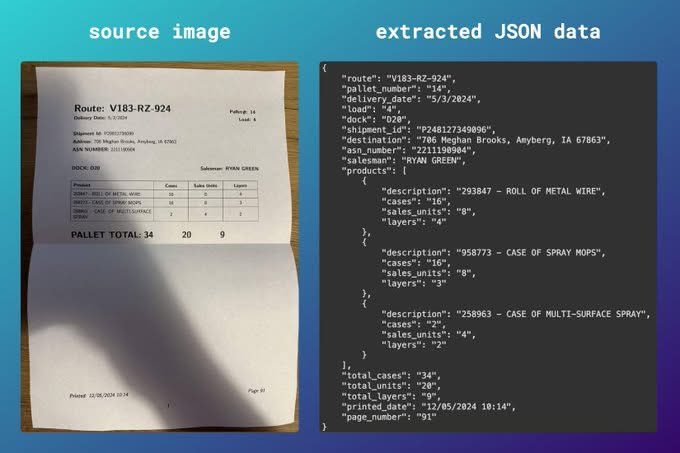
GLM-OCR, 0.9B model that beats Gemini on OCR benchmarks.💀
It's a 0.9B param vision-language model. supports 8K resolution, 8+ languages, and has built-in text, LaTeX, and table recognition modes.
demo's
- https://t.co/mqSSx2QBhy
Add this to your Codex custom instructions for a way better experience:
"When communicating your results back to me, explain what you did and what happened in plain, clear English. Avoid jargon, technical implementation details, and code-speak in your final responses. Write as if you're explaining to a smart person who isn't looking at the code. Your actual work (how you think, plan, write code, debug, and solve problems) should stay fully technical and rigorous. This only applies to how you talk to me about it.
Before reporting back to me, if at all possible, verify your own work. Don't just write code and assume it's done. Actually test it using the tools available to you. If possible, run it, check the output, and confirm it does what was asked. If you're building something visual like a web app, view the pages, click through the flows, and check that things render and behave correctly. If you're writing a script, run it against real or representative input and inspect the results. If there are edge cases you can simulate, try them.
Define finishing criteria for yourself before you start: what does "done" look like for this task? Use that as your checklist before you come back to me. If something fails or looks off, fix it and re-test. Don't just flag it and hand it back. The goal is to keep me out of the loop on iteration. I want to receive finished, working results, not a first draft that needs me to spot-check it. Only come back to me when you've confirmed things work, or when you've genuinely hit a wall that requires my input."
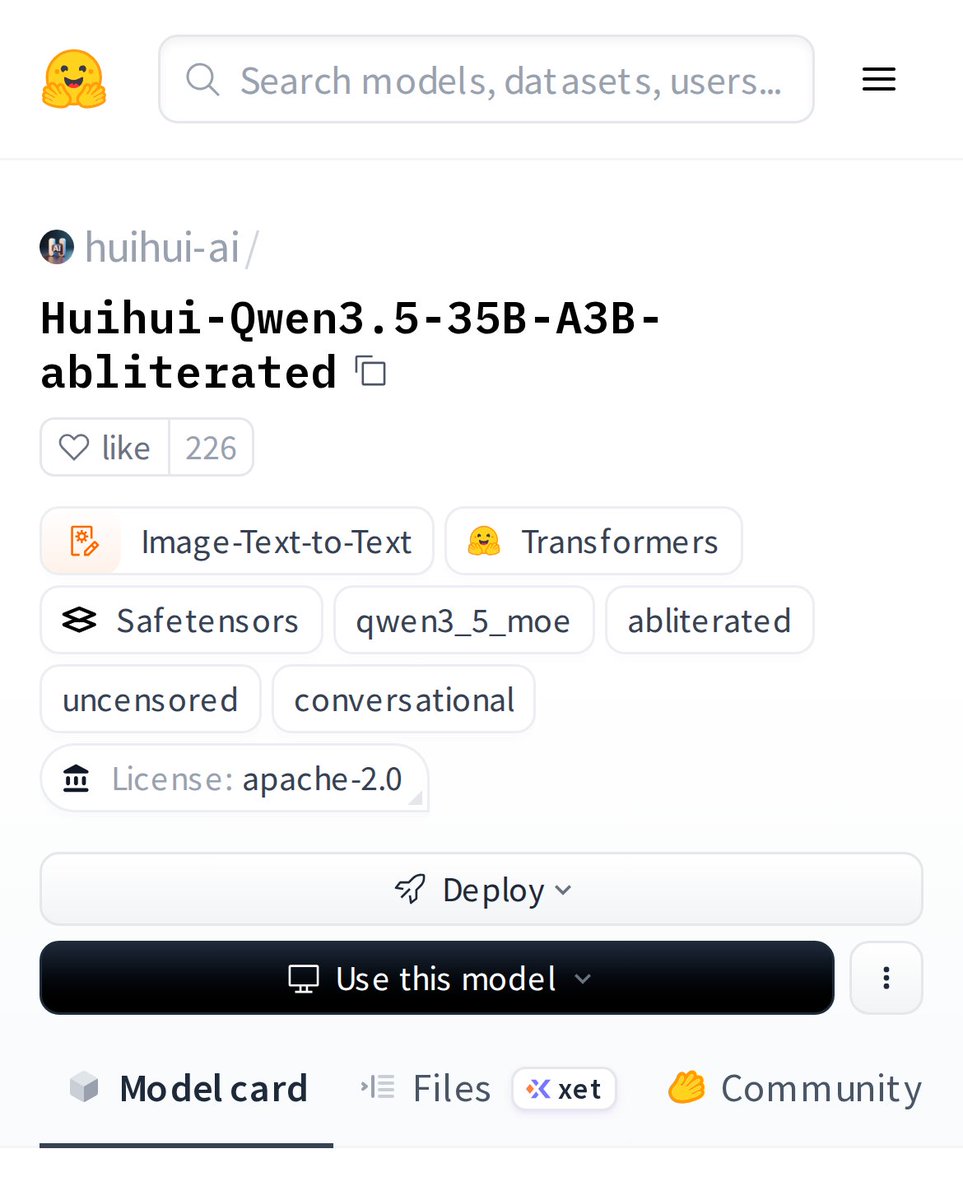
Meet Huihui-Qwen3.5-35B-A3B-abliterated: a powerful uncensored conversational AI that understands both text AND images. This model is turning heads because it combines visual comprehension with unrestricted dialogue capabilities. Perfect for developers who want raw, unfiltered multimodal AI.