Michael DeBakey and Denton Cooley were contemporary cardiac surgeons. In 1969, Cooley performed the first total artificial heart (TAH) implant on a man named Haskell Karp.
DeBakey alleged that the TAH was “stolen” by Cooley’s team from his research lab. Karp’s family also sued Cooley for malpractice.
Here is what happened in detail about the most scientifically productive feuds in surgical history.
Dr. Michael E. DeBakey joined Baylor College of Medicine in Houston in 1948 as chair of surgery. He revolutionized vascular and heart surgery with numerous innovations. He developed the Dacron graft repair for aortic aneurysms. When commercial fabric was unavailable, he purchased Dacron from a Houston department store and sewed the first prototypes on his wife's sewing machine. He was a demanding leader, researcher, and institution builder.
Enter Dr. Denton A. Cooley, a charismatic and exceptionally fast surgeon. He was trained at Johns Hopkins and joined Baylor in 1951 at DeBakey's invitation. Cooley specialized in high volume clinical surgery and performed more open heart procedures than anyone.
In the 1950s, the two men worked closely at Baylor and Methodist Hospital. They pioneered aneurysm repairs, open heart techniques, and other advances. However, their personalities clashed. DeBakey was authoritarian and research oriented, while Cooley was independent and patient focused. Tensions grew over time.
By the early 1960s, Cooley moved his practice to St. Luke's Episcopal Hospital and the Texas Heart Institute, across the street from DeBakey's base. They competed fiercely but rarely communicated. In 1968, Cooley performed the first successful heart transplant in the United States after Christiaan Barnard. This irritated DeBakey, who had kept Cooley off Baylor's transplant committee.
The breaking point came on April 4, 1969. Cooley, collaborating with Dr. Domingo Liotta from DeBakey's lab, implanted the world's first total artificial heart into 47 year old Haskell Karp at St. Luke's. Karp was dying of end stage heart failure.
DeBakey's laboratory had worked on artificial hearts since the early 1960s under National Heart Institute grants. Liotta, hired by DeBakey in 1961, led much of the development. The team had made progress on left ventricular assist devices, including a 1966 human implant, but DeBakey believed a total artificial heart was not ready for clinical use. He insisted on careful, stepwise research.
Frustrated by the slow pace, Liotta secretly approached Cooley in late 1968. They refined the device together in off hours. On the night before the surgery, while DeBakey was away, Liotta took pumps and components from the Baylor lab.
During Karp's operation, when the patient could not be weaned from bypass, Cooley removed the heart and implanted the TAH as a temporary bridge. Karp lived 64 hours on the device before receiving a human heart transplant. He died the next day from complications including infection and organ failure.
DeBakey was furious when he learned of the procedure. He called it theft and a betrayal, accusing Cooley and Liotta of using federally funded research without permission and bypassing ethical reviews. Baylor's investigation confirmed the device had been taken inappropriately. Liotta was fired and later left the country. Cooley resigned from Baylor.
Karp's family sued Cooley and Liotta for lack of informed consent, but Cooley won the case in court.
After this incident , for nearly 40 years, the two giants operated yards apart in the Texas Medical Center in icy silence. Their rivalry, though bitter, proved highly productive. It accelerated advances in heart transplants, artificial hearts, and surgical techniques.
Reconciliation finally came in 2007. Cooley made the first move, and the 98 year old DeBakey accepted honorary membership in the Cooley Cardiovascular Surgical Society. They publicly embraced and exchanged warm words. DeBakey died in 2008, aged 99. Cooley passed away in 2016.
بس فعلا مبيبقاش في حل تاني تعمله، انت لازم تدافع عن نفسك خصوصا ان مفيش حد يحامي عنك، سواء ساعة الموقف من الأمن، أو بعد كدة من المستشفى، بس في الموقف فعلا انت مبتفكرش في ده، الحاجة الوحيدة اللي بتحس بيها انك متهان و متداس عليك
المهم تعليقا على قصص الاستقبال دي، ففي threshold انت لو وصلتله بتخش في حتة مبتعرفش ترجع منها، و أما بتقعد مع نفسك و تفكر في الموضوع بتقول ان الموقف لو اتعاد مية مرة فده كان مش أصح ردة فعل للأسف
@yousef_alzahi الطب بيتطلب قدرة على الالتزام والحفظ لكنه مش بيتطلب مهارات معرفية عليا أو قدرات ذهنية زي الاستنتاج أو التحليل وبيفتقر للإبداع مقارنة بالSTEM fields
فكرة ان المجهود اللي محتاج تعمله بعد ما تخلص كلية الطب اضعاف المجهود اللي عملته فيها مش واخد حقه من الهلع انت حرفيًا بتتعب طول سنين الكية علشان بس يبقى مسموحلك تدخل السباق مع الناس اللي بتجري قدامك وانت السبع سنين دول يدوب بتسخن للي جاي!
إنما تصحى صباح الخير كدة تقول السجاير نفس داخل و نفس خارج؟ و ان اي حد بياكل بيض عنده جيوب انفية؟ طب فين ال data يا عم ضياء، عايزين paper ولا اي حاجة بتقول الكلام ده يقولك اصل انا عندي مئات العيانين في العيادة عالجتهم بنظام العرصات، حاجة في منتهى العبي يعني
انت عشان تطلع تفترض فرضية ما و يبقى كلامك يعتد بيه في الاوساط العلمية لازم تثبت كلامك بانك تحط فرضياتك دي تحت الاختبار، تجمع data و تقول النتائج اللي انت وصلتلها و هل نتايجك دي ذات قيمة اصلا ولا لا، ده اللي نعرفه في العلم.
انا عارف اني حوجع دماغي بالكلام اللي حقوله بس هي كلمة حق عادي يعني و كل واحد يعمل اللي في دماغه
الدكتور اللي اسمه ضياء ده
انا في البداية من زمان مكنتش مقتنع بحاجة من اللي بيقولها لكن في صديق ليا حد تبعه رحله فعلا و فعلا كان بيتشكي من حاجة ملهاش علاقة بالاكل و فعلا اتحسن
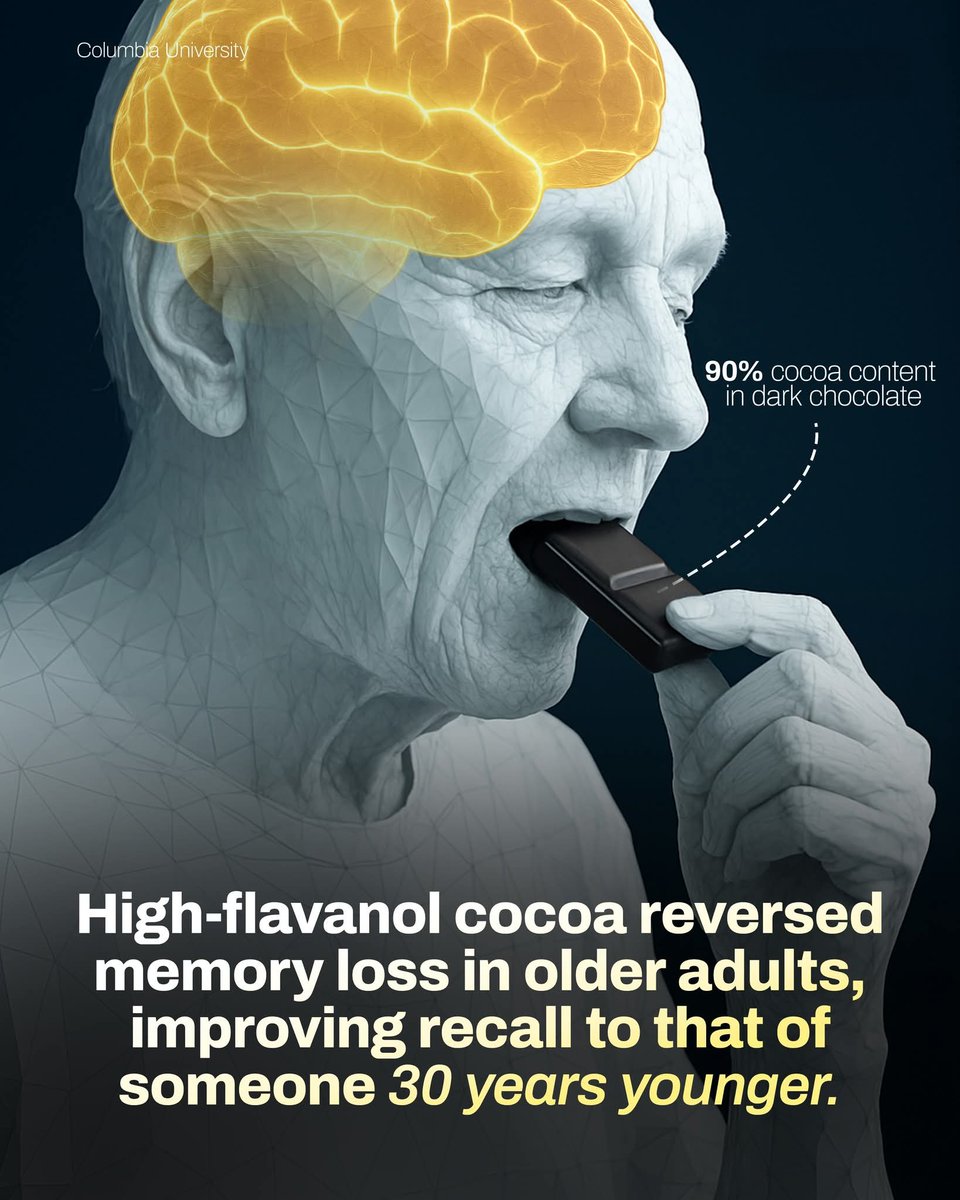
High-flavanol cocoa has been shown to significantly improve memory performance in older adults, according to research from Columbia University. The study found that consistent intake of high-flavanol cocoa helped reverse age-related memory decline. Participants who consumed it demonstrated recall abilities comparable to individuals 30 years younger. This effect is linked to flavanols found in dark chocolate, particularly varieties with high cocoa content. The findings suggest that incorporating flavanol-rich cocoa may support healthier cognitive aging.