‘I overplayed my part’, ‘I cared too much’ no. you were simply being you: gentle & thoughtful. someone was using you for their own benefit and you’re trying to understand how you messed it up? you didn’t. they didn’t value you the way you valued them, and that’s never your fault.
Africa before colonisation was mostly only led by women.
Out of men and women, it is women who do not usually escape accountability.
All of our patriarchal communities have been designed to hold women accountable for the least, and to help men escape accountability for the worst.
Women are not known to be as emotional and dramatic as men are.
Majority of women have the ability to regulate their emotions, unlike majority of men.
Majority of men are insecure and driven by ego, unregulated emotions, and private interests, unlike women who are the opposite.
Women already lead and run all our communities, households and societies in every country.
Women birthed every single person in our nations and are the reason we have nations.
Women generally have never been known to be violent, hateful, evil, or harmful creatures like men are.
https://t.co/InidioBqW4 is a website @martyrabuh and I put together
It is a master list of campaigns for Sudanese people and charities. Please check it out, share and donate if you can!
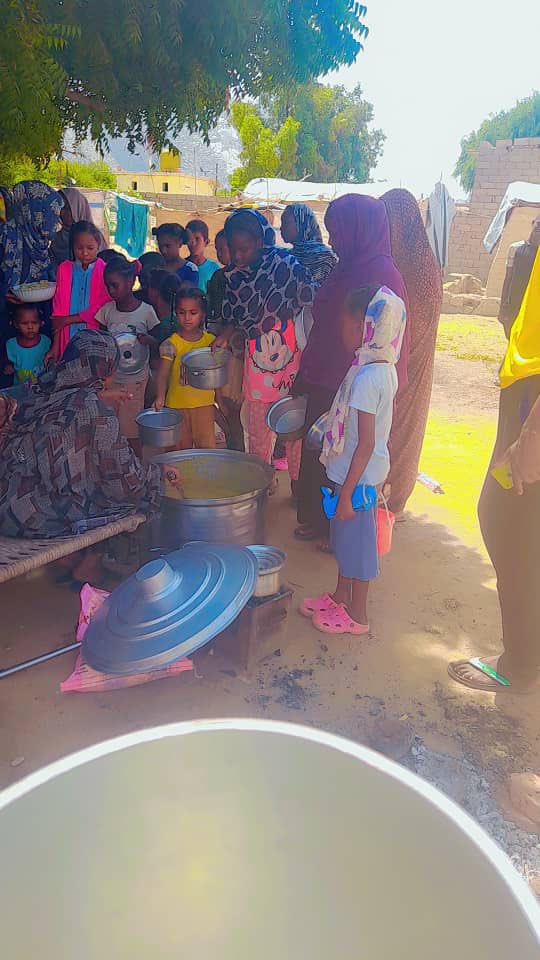
This is our kitchen in Kassala, Eastern Sudan, which supports two refuge centers in the city.
Currently, Khartoum Aid Kitchen operates in 8 of Sudan’s 18 states, supporting more than 30,000 needy people daily. Your donations are our only source of funding, so if you are able to help, please do. Thank you🙏🏽 https://t.co/i09cHrtKNM
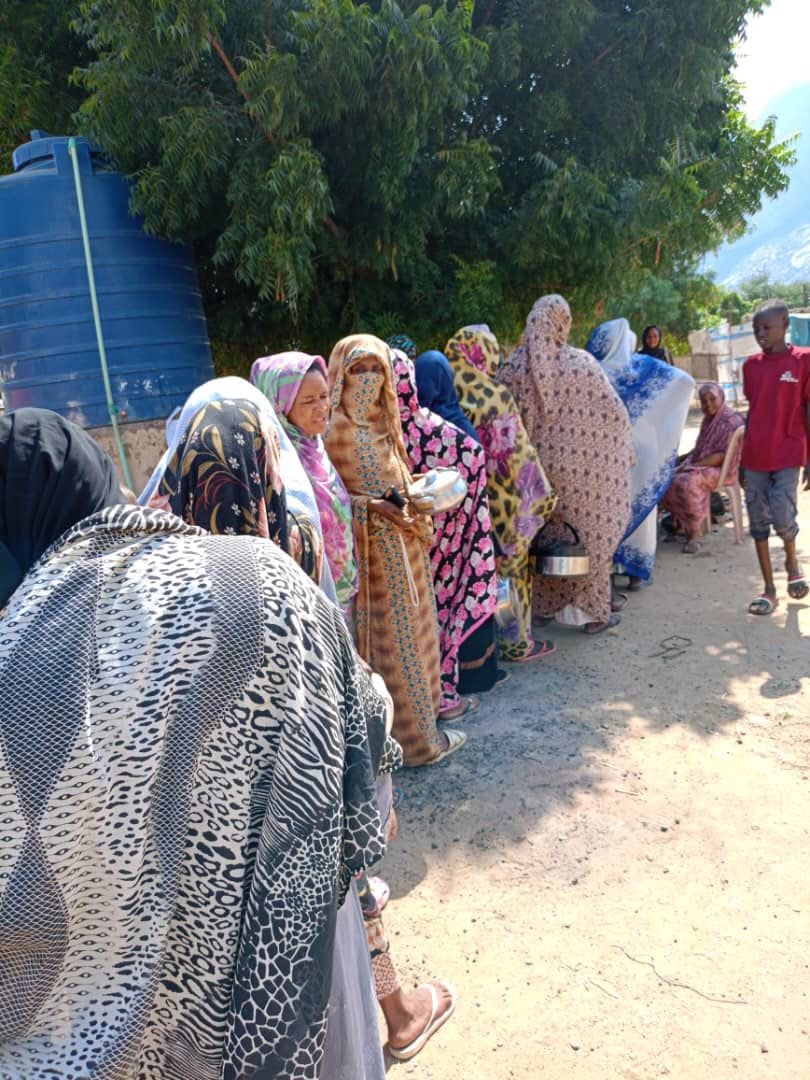
This is the queue for one of the 5 kitchens we support in Al Fitehab District of Omdurman.
Hunger is a very real threat and in some areas of Omdurman children continue to die from malnutrition. The work of grassroots community kitchens like ours are critical to preventing a widescale famine.
We are completely dependent on your donations to continue our work, so if you are able to help, please click on the link: https://t.co/i09cHruiDk
**My Language Learning Journey: From Beginner to Mastery**
Learning a new language can seem overwhelming, but with the right mindset and a clear plan, it becomes an enriching experience. I’d like to share my approach to learning languages like Spanish, Portuguese, and French. This method involves three key stages: starting with flexible resources, progressing to a controlled practice phase, and finally immersing in real-world use.
Stage 1: The Exploration Phase
In the early stages, I believe it’s important to explore different resources and find what works best for you. There are countless apps, videos, websites, and even tutors out there, so it’s crucial to experiment and use what suits your learning style. Whether you use applications, watch YouTube tutorials, or practice with a tutor on various platforms, this phase is about building a foundation in a way that’s enjoyable and engaging for you. The goal is to take your time to create a solid foundation for the next phase.
Stage 2: The Bridging Phase
Once you’ve got the basics down, it’s time to bridge the gap between learning and using the language. This stage involves controlled practice, where you focus on applying what you’ve learned in a structured way. You can use apps like Babbel/Busuu/Duolingo, listen to podcasts, or watch TV shows and movies that match your level of comprehension.
The goal is to expand your vocabulary, refine your grammar, and improve your listening and reading skills. This stage familiarizes you with the language in various contexts—whether listening to podcasts on topics you enjoy or watching shows with subtitles. It’s about seeing how the language works in real-life scenarios but with the comfort of structure.
Stage 3: The Practical Phase
Now comes the most exciting and challenging phase: the practical stage. In this phase, it’s time to immerse yourself in the language by practicing in an uncontrolled environment. Whether speaking with native speakers, watching movies without subtitles, or reading novels and stories, this stage pushes you out of your comfort zone.
For example, I like starting movies with subtitles in my preferred language, switching to subtitles in the language I’m learning, and finally watching them without subtitles. This gradual progression helps improve listening comprehension and boosts confidence.
It’s important to remember that making mistakes is part of the process. You’ll inevitably get things wrong at this stage—that’s how you learn! Don’t feel embarrassed because every mistake is a stepping stone toward improvement. The key is to stay committed, embrace your mistakes, and continue practicing. Learning a foreign language is an achievement in itself, and you should be proud of the effort you’re putting in.
- Final Thoughts:
Mastering a language takes time, but by breaking it down into these three stages, you can approach it in a structured, manageable way. From using apps and websites to practicing in real-world situations, every step is a valuable part of the journey. And remember, the more mistakes you make, the closer you get to mastery. So dive in, keep learning, and celebrate every small victory along the way.
#LanguageLovers #languagelearning #Spanish #portugese #french #languageexchange #multilingual