My friend and I have discovered a possible nova with a brightness of 18.38 ± 0.18 CV on multiple 600-second measurement images taken on 2024 August 7 at Huanyu Observatory (114.6954E 41.8712N), using a TOA130 telescope, an ASI2600MM camera, an AZ-EQ6 mount, and an L-band filter.
HiPOD: Monitoring the Zhurong Rover
The Chinese Zhurong rover has been on Mars since 14 May 2021, and MRO/HiRISE has imaged it several times to track its progress and monitor the surface for changes.
For full cutout: https://t.co/WKCpyrbqI9
NASA/JPL-Caltech/UArizona
#Mars
新的一年,星河长明
I wish I will discover new celestial bodies, like a dwarf nova or a supernova in the new year. And also I am going to pass the college entrance examination to realize my dream.
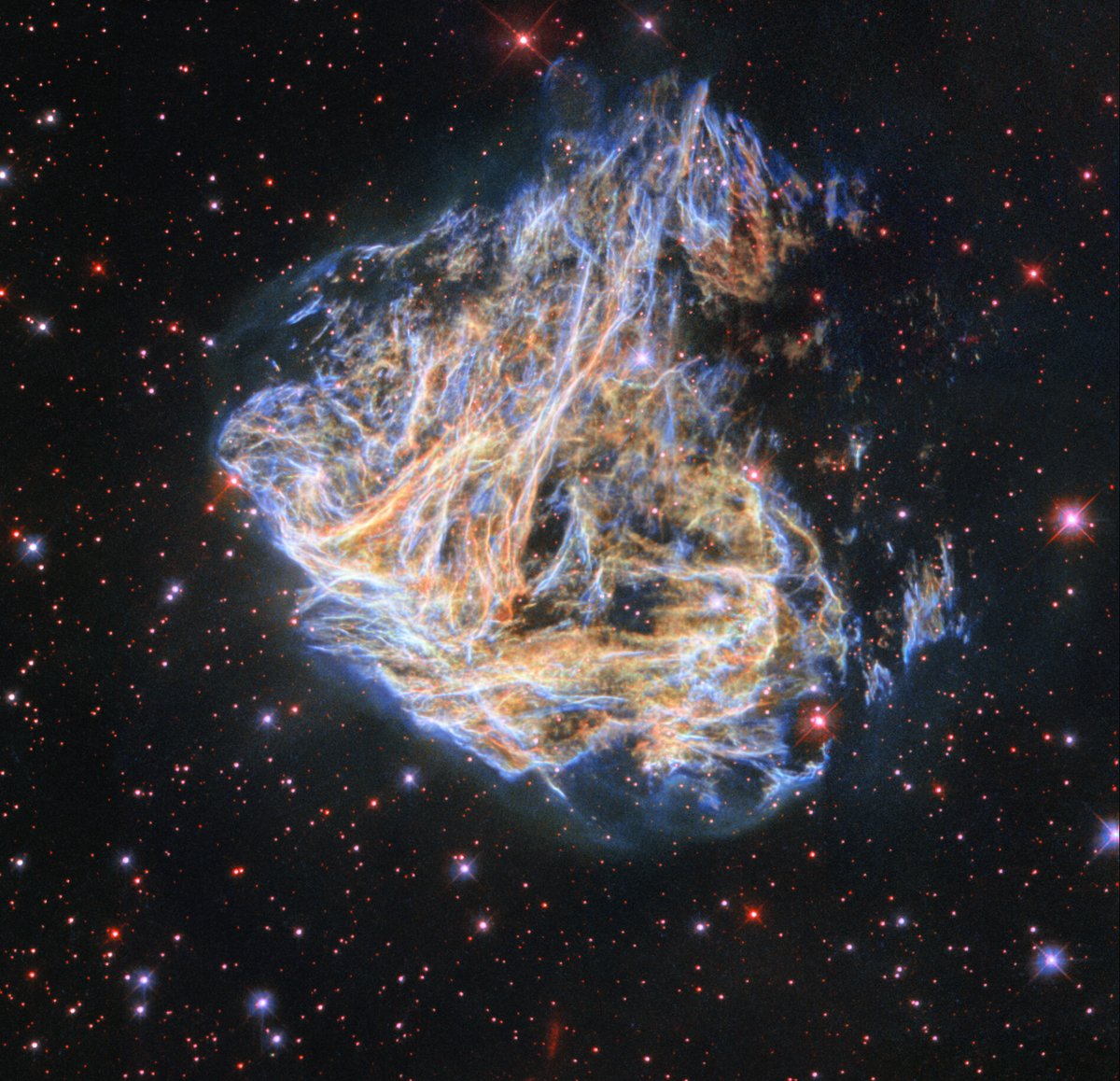
DEM L 190 looks like #NewYearsEve fireworks! 🎆
This supernova remnant was also voted our Twitter audience's favorite Hubble image from 2022. Good choice!
DEM L 190 is 160,000 light-years away, and made of the debris from a large star's death. For more: https://t.co/ksFPBekjwW
Astronomers observed a major eruption from a volcanic comet flying through the solar system, likely spewing more than 1 million tons of debris into space.
https://t.co/OZTee0WmqS
(NEW) ATel 15779: M31N 2022-11b: Additional Photometry and Confirmation as the Fourth Reported Eruption of the M31 Recurrent Nova M31N 1984-07a... https://t.co/IkLU6cA3W4
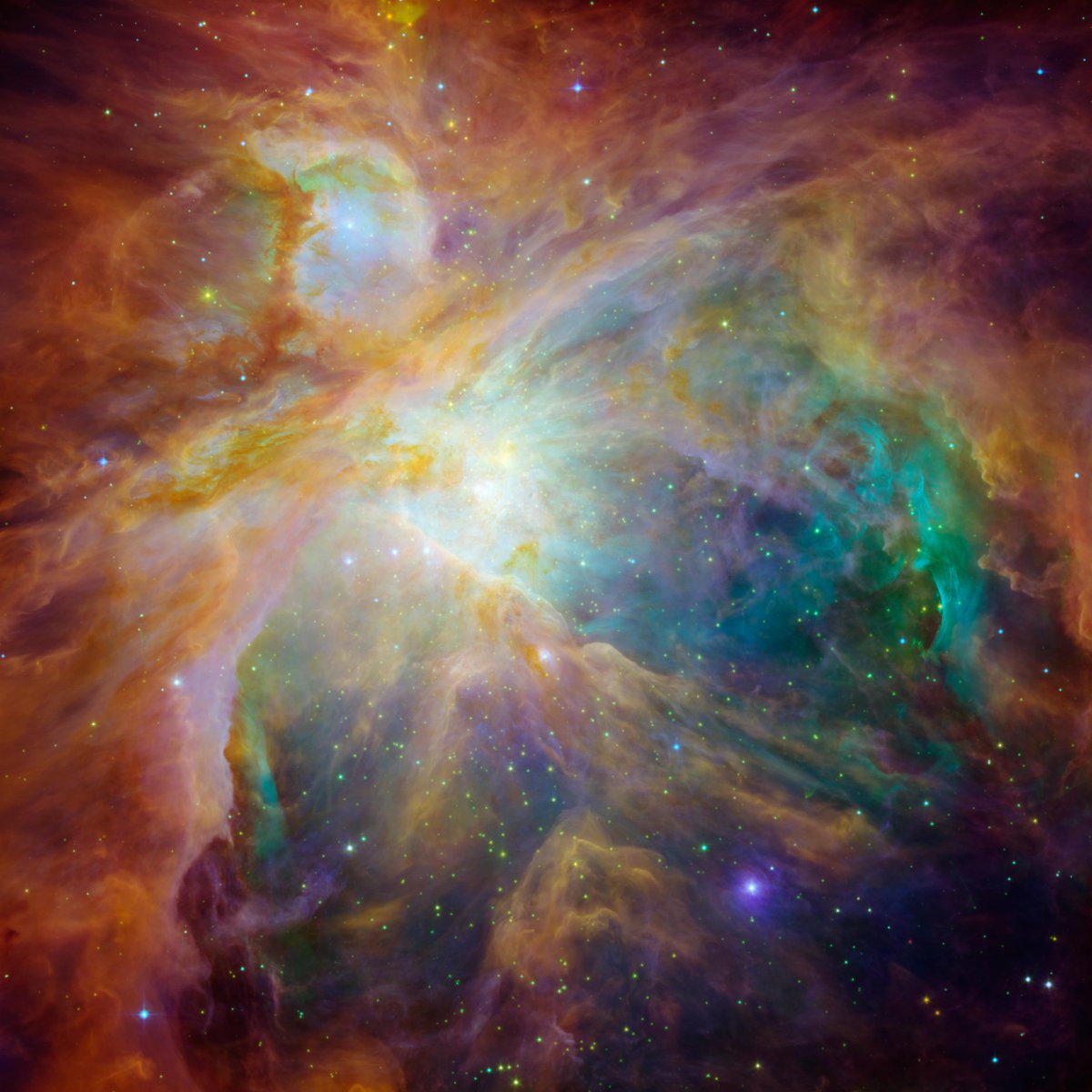
#HappyThanksgiving from the Hubble team! 🦃
Turkey might just be on our minds, but the Orion Nebula, imaged here by Hubble and the Spitzer Space Telescope, looks like it might be home to a “space turkey”!
Read more about this image: https://t.co/ssO5uXihps