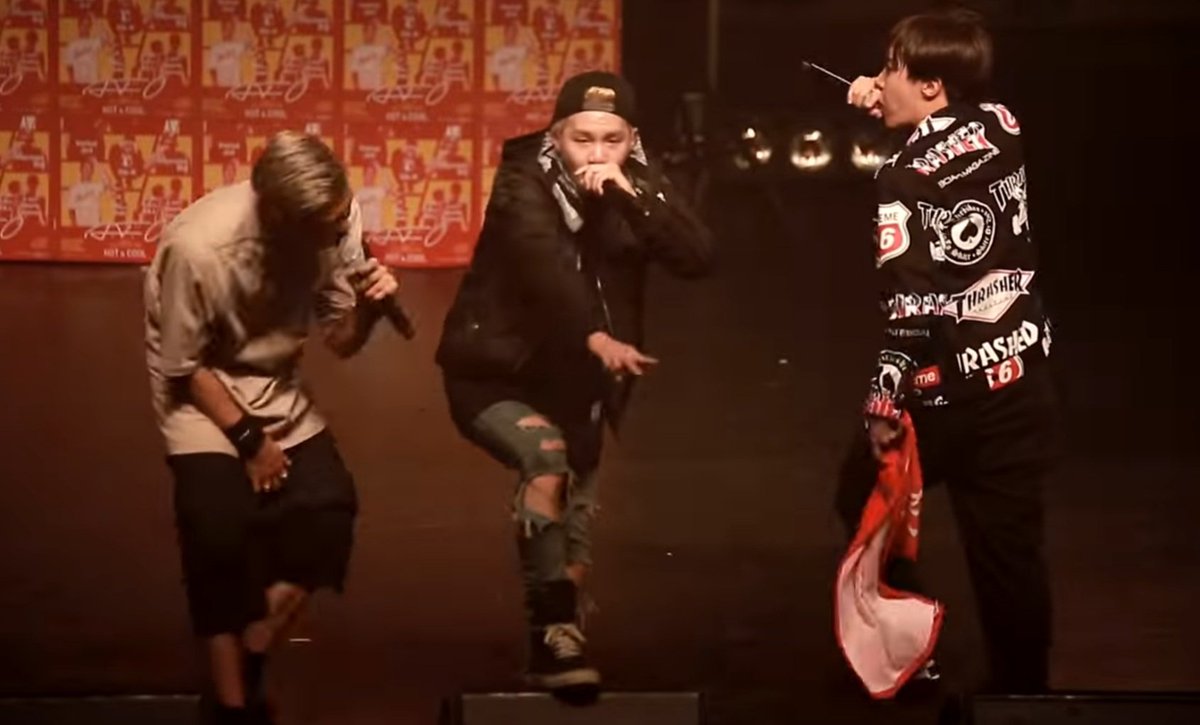
Hooligan'da yoongi'nin kullandığı "El cucuy" ifadesi için bir army çok güzel bir ayrıntı yakalamış:
(1 saatimi aldı)
"Yoongi'nin kendisine "El Cucuy" demesi, Hooligan içindeki en karanlık ve en katmanlı sembollerden birini ortaya çıkarıyor. Özellikle rap bölümündeki görsellerle birleşince bunun etkisi daha da büyüyor.
El cucuy (veya el coco) latin Amerika folklorundaki efsanevi bir canavar/öcü figürüdür. İnsanların çocukları uslu durmaları için korkuttuğu şeydir. Karanlıkta saklanan bir korkuyu temsil eder kontrol edilemeyn, sürekli pusuda bekleyen ve qsla tamamen kaçamayacağın bir varlık gibi. Hep oradadır.
Bu yüzden yoongi'nin kendisini "El Cucuy" olarak tanımlaması, hem Btse hem de özellikle ona yönelik yıllardır oluşturulan kamu algısını tamamen tersine çeviriyor.
Çünkü yıllarca eleştirmenler ve medya onu şöyle gösterdi
fazla sessiz, fazla sert, fazla agresif, dobra.
Ama yoongi bu imajı reddetmek yerine onu bir silaha dönüştürüyor.
Aslında şunu söylüyor;
"Bwni canavar gibi gösterdiniz. güzel. O zaman yarattığınız şeyden korkun."
İşte bu yüzden onun rap sahnesindeki görseller bu kadar ağır ve yoğun hissettiriyor.
Işıklar daha sert, daha karanlık ve daha kaotik bir halde atmosfer bir performanstsn çıkıp tam anlamıyla bir hakimiyet hissine dönüşüyor. Yoongi avlanan biri gibi görünmüyor dokunulamaz biri gibi görünüyor. Etrafındaki herkes dağılırken ya da çökerken onun yıkımın içinde ilerleyişinde buz gibi bir özgüven var.
Kültürel olarak da '÷el Cucuy' genellikle insanları itaate zorlamak için kullanılan bir figürdür:
"Uslu dur yoksa el cucuy gelir."
Bu yüzden Yoongi'nin bu unvanı sahiplenmesi daha da güçlü bir anlam taşıyor. Çünkü Hooligan temelde itaate karşı bir eser. O, korkunun sembolünü özgürlüğün sembolüne dönüştürüyor.
Görsel olarak da sahneleri bu dönüşümü destekliyor:
Domino taşları gibi düşen düşmanlar, yıkımın ortasında gelen kahkahalar, agresif beden dili, kırmızı alarm ışıkları, çöken yapılar ve BTS'in etrafındaki fırtına imgeleri…
Bütün bunlar, insanların korktuğu "canavarın" artık gölgelerde saklanmadığı hissini yaratıyor. Artık tamamen görünür durumda ve kontrol tamamen onun elinde.
Ayrıca Yoongi'nin özellikle nesilden nesile anlatılan bir folklor figürünü kullanması da çok önemli. Çünkü BTS her zaman toplumsal baskı, gençlik üzerindeki beklentiler, kontrol mekanizmaları ve korku temalarını işledi.
El Cucuy bununla doğrudan bağlantılı.
Toplum düzeni korumak için korku yaratır. Ama insanlar artık korkmamaya başladığında, bütün sistem çökmeye başlar."
The most important imagery of the entire MV. They bout to be a problem 😎!
Soooo, nobody asked me, but here ya go 🤓! My take on this specific imagery.
Pavement is flat. Roots are alive. Pavement suggests a clean road people can walk on and forget (K-pop industry vs BTS impact). Roots suggest something buried, tangled, difficult, and necessary. So to me, the visual is saying:
What people now walk on came from work; BTS had to grow underground first.
Fame is the visible tree. The struggle, history, language, identity, rejection, discipline, and artistry are the roots nobody wanted to look at until the tree got too big to ignore.
The microphone, being the “tree,” is the sharpest part. My pookie 🥰 is basically saying the voice did this. Not corporate acceptance. Not permission. Not fitting neatly into somebody else’s mold. Their music, their words, their performance, their sound, that is what rooted them into the ground and spread outward. And that lines up with how ARMY use “BTS paved the way”: not as “nobody existed before them,” but as shorthand for BTS breaking global barriers in a way that changed what became possible after them.
The setting matters too. It’s cold, brutalist, concrete, industrial. Nothing about it looks soft or welcoming. Then you have these bright white roots spreading across that hard surface like life forcing itself into a place that was never built for it. That feels very BTS to me. The framing of ARIRANG is basically about reclaiming “K,” redefining it from the standpoint of artists treated as outsiders in a Western-centered music industry, and it specifically reads “Hooligan” as BTS’s journey challenging that space.
And then there’s the crowd behind him: black-clad, masked, anonymous, almost militarized. I don’t read them as simple backup dancers. I read them as the machine. It could be the industry. It could be the public. It could be critics, copycats, gatekeepers, or all the faceless pressure that comes with becoming a symbol. They move as a group, but he is the one visibly attached to the source. That source is not glamorous. Its roots.
Also, the roots are white, not dark. That choice feels deliberate. White can read as exposed nerve, bone, truth, spirit, or even purity of intent. So instead of roots being hidden in the soil, they are dragged out where everyone can see them. Almost like: you wanted the spectacle, but here’s the wiring too. Here’s what fed the legend. Here’s the cost.
The title “Hooligan” makes this even nastier in a good way. A hooligan is somebody unruly, disruptive, too loud, too much, not “proper.” The song is described as comparing BTS’s journey to a hooligan and notes the tension between seducing the public and attacking the stage aggressively. So this image reads like a refusal to be polite, digestible, or sanitized. It says:
You called us disruptive; fine, then watch what disruption grows into.
So to me, when RM stands there connected to the mic like that, it reads like a statement:
This didn’t happen by accident. This was built from the music. From the message.
from the years of being doubted and still making the ground move.
Basically? He’s saying if you’re walking comfortably now, maybe thank the roots.
Everybody loves standing in the shade now, but nobody likes admitting who planted the tree.
Biiiiiiisssssssshhhhhhhhh!!
POOKIE TALK YO SHIT 😎! Ha-ha-ha-ha-ha-ha-ha-ha-ha-ha-ha-ha-ha-ha, hooligan 🥷!
#BTS_HOOLIGAN
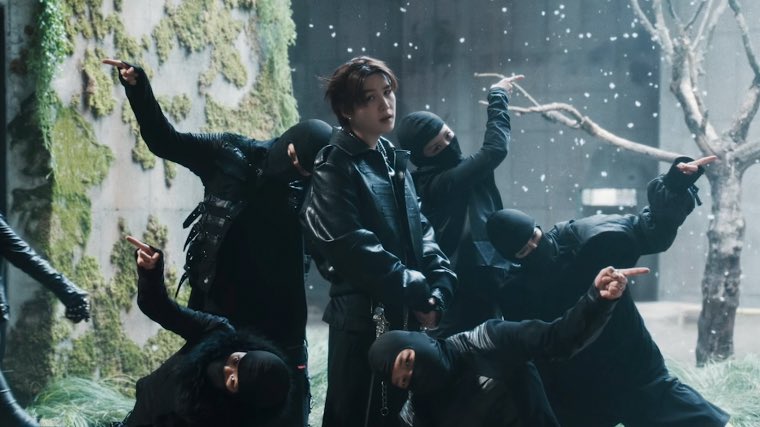
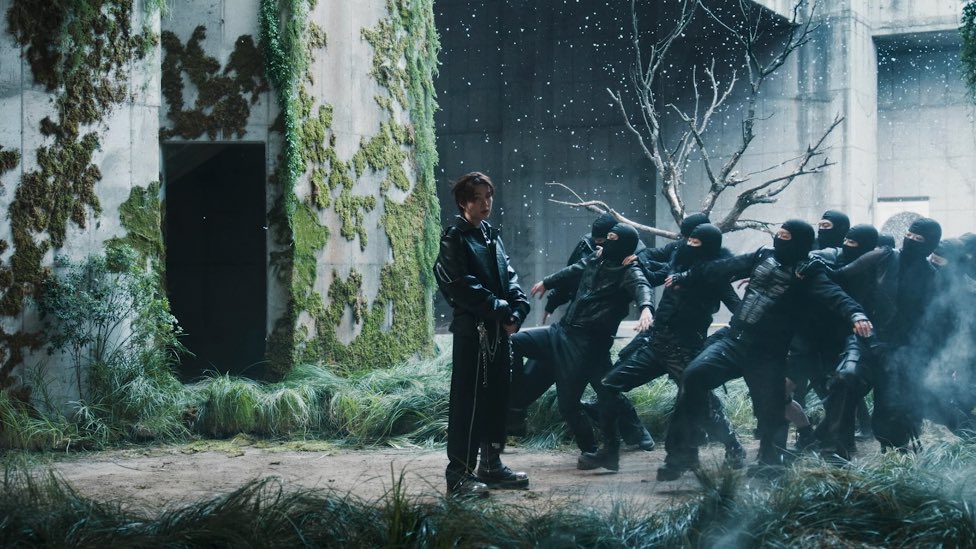
one of my favorite frames from ‘hooligan’ is yoongi standing completely still while the chaos bends around him, like he’s the force holding it all together
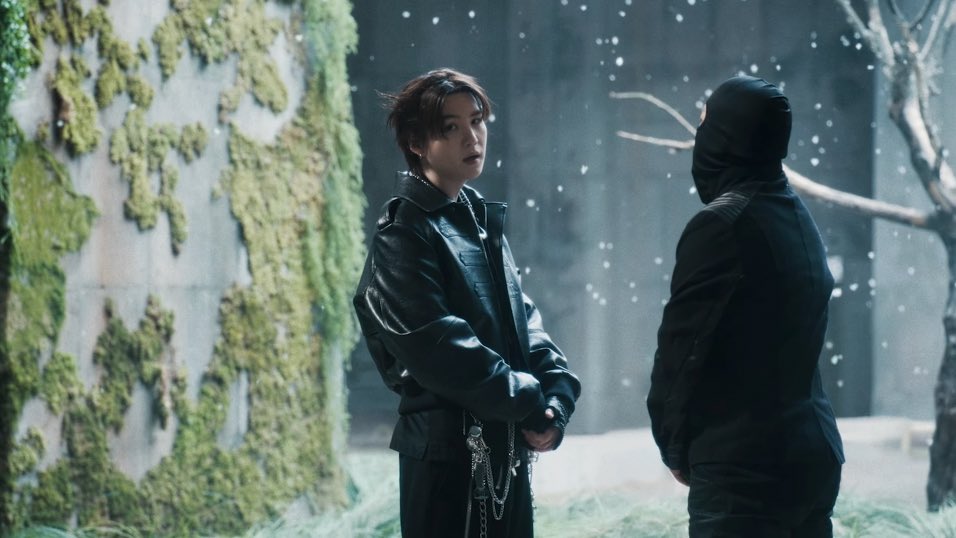
the moss creeping over ruined concrete against the dead tree in the background feels like life clinging to ruin, capturing his duality of survival and destruction in one shot
with “i go cuckoo crazy, loco” and “때려 부숴 like hooligan,” the chaos around him reads like the rage and madness he’s rapping about
then everyone disappears except one masked figure and it turns into confrontation. almost like he’s standing face to face with his shadow self
while everything breaks apart, he stays calm and unmoved. he’s not caught in the storm, he is the storm. he is the hooligan
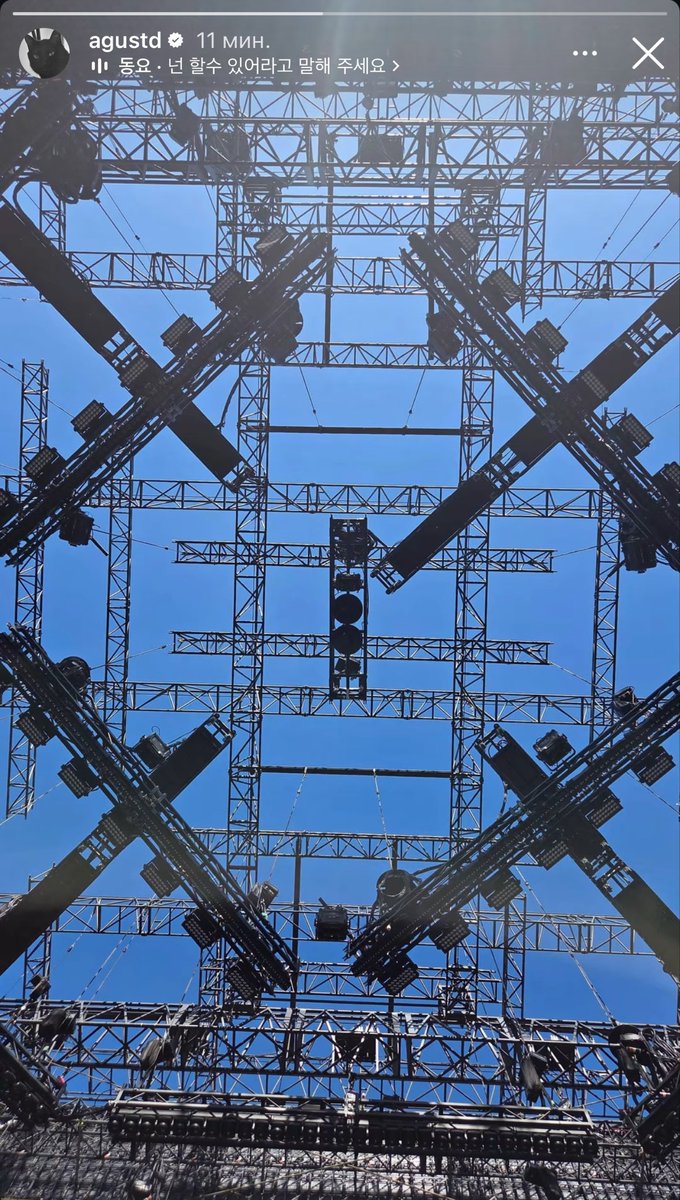
Обновление инста-сторис Юнги 😭
* – в качестве фоновой музыки Юнги использовал песню «넌 할 수 있어라고 말해 주세요 (Пожалуйста, скажите мне: "Ты справишься")». Это очень популярная корейская детская песня, которую часто используют как подбадривающую песенку, чтобы придать им сил и уверенности.
#SUGA #슈가 #방탄소년단슈가 #BTSSUGA #AgustD