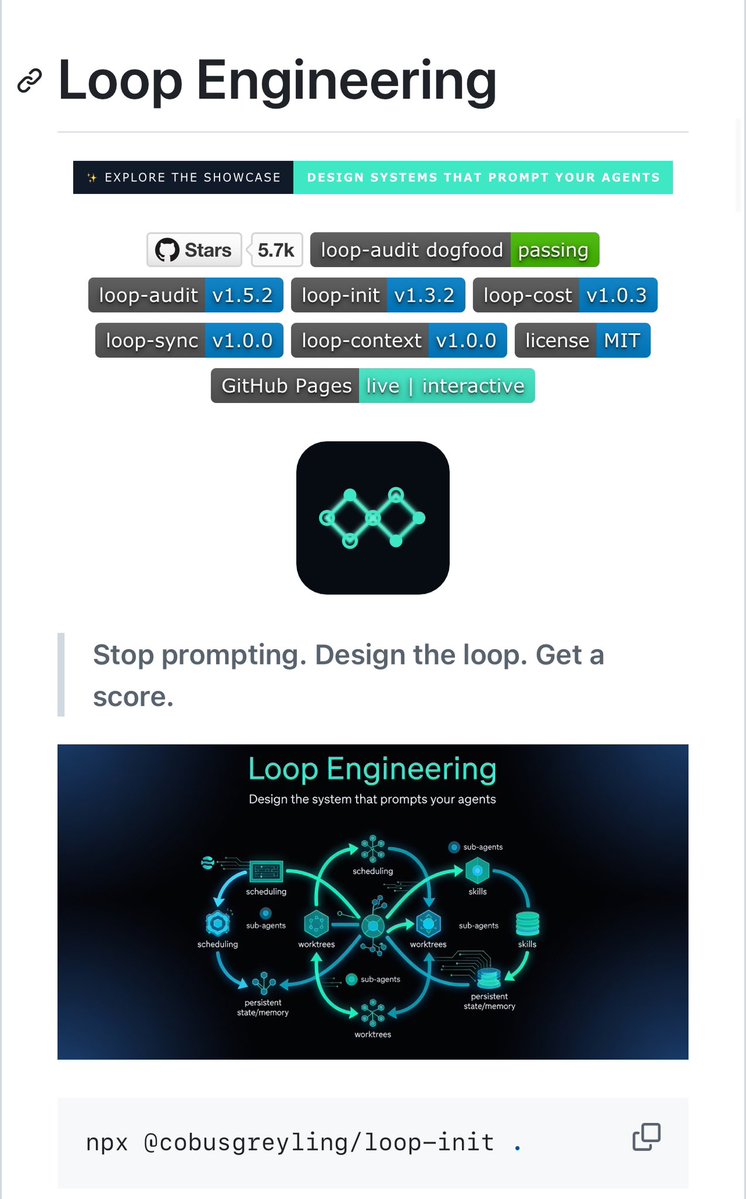
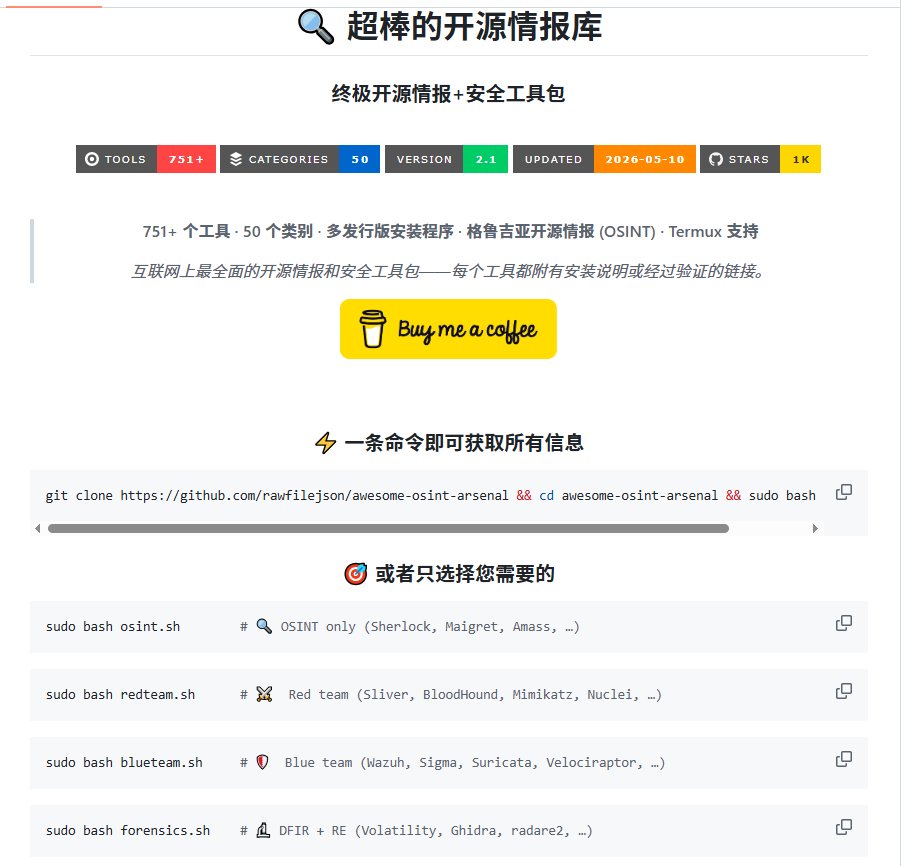
A TEAM OF AI RESEARCHERS JUST OPEN-SOURCED THE BLOOMBERG TERMINAL FOR QUANT FINANCE.
A Bloomberg Terminal costs $25,000 per year per seat. Banks pay for thousands of them.
This thing reads every quant paper, every financial blog, every SEC filing, every arXiv preprint, and turns it into a searchable knowledge base. For free.
PhD Students - Do you want to learn how to do research?
If yes, check out these free resources.
𝐄𝐥𝐬𝐞𝐯𝐢𝐞𝐫 𝐑𝐞𝐬𝐞𝐚𝐫𝐜𝐡𝐞𝐫 𝐀𝐜𝐚𝐝𝐞𝐦𝐲 offers free resources.
Here are 10 of my favorite resources.
𝟏. 𝐇𝐨𝐰 𝐭𝐨 𝐰𝐫𝐢𝐭𝐞 𝐚 𝐥𝐢𝐭𝐞𝐫𝐚𝐭𝐮𝐫𝐞 𝐫𝐞𝐯𝐢𝐞𝐰 (𝟔𝟎 𝐦𝐢𝐧 𝐯𝐢𝐝𝐞𝐨)
You will learn
- What reviewers look for in a literature review?
- How to conceptualize and write a review?
- Common myths about literature reviews.
Link: https://t.co/CkiiL5ESfd
𝟐. 𝐇𝐨𝐰 𝐭𝐨 𝐢𝐝𝐞𝐧𝐭𝐢𝐟𝐲 𝐫𝐞𝐬𝐞𝐚𝐫𝐜𝐡 𝐠𝐚𝐩𝐬 (𝟏𝟐 𝐦𝐢𝐧 𝐯𝐢𝐝𝐞𝐨)
You will learn
- What is research gap?
- Steps for identifying research gap.
- Tools for identifying research gap.
Link: https://t.co/Te1qAiJMVw
𝟑. 𝐇𝐨𝐰 𝐭𝐨 𝐜𝐨𝐧𝐝𝐮𝐜𝐭 𝐞𝐯𝐢𝐝𝐞𝐧𝐜𝐞-𝐛𝐚𝐬𝐞𝐝 𝐫𝐞𝐬𝐞𝐚𝐫𝐜𝐡 (𝟑𝟖 𝐦𝐢𝐧 𝐯𝐢𝐝𝐞𝐨)
You will learn
- What is evidence-based research?
- Stepwise approach for conducting evidence-based research.
- How to enhance reliability of your research?
Link: https://t.co/86CplBZ9Wl
𝟒. 𝐇𝐨𝐰 𝐭𝐨 𝐟𝐢𝐧𝐝 𝐫𝐞𝐥𝐞𝐯𝐚𝐧𝐭 𝐫𝐞𝐬𝐞𝐚𝐫𝐜𝐡 𝐩𝐚𝐩𝐞𝐫𝐬? (𝟏𝟓 𝐦𝐢𝐧 𝐯𝐢𝐝𝐞𝐨)
You will learn
- How to conduct basic search?
- Save searches and set up alerts.
- How to download and export searches?
Link: https://t.co/qXlf6WmZVH
𝟓. 𝐇𝐨𝐰 𝐭𝐨 𝐰𝐫𝐢𝐭𝐞 𝐚𝐧 𝐚𝐛𝐬𝐭𝐫𝐚𝐜𝐭 (𝟒𝟎 𝐦𝐢𝐧 𝐯𝐢𝐝𝐞𝐨)
You will learn
- Why a good abstract is important?
- What is ideal length of abstract?
- What to include in the abstract?
Link: https://t.co/OMbt2FfOB5
𝟔. 𝐇𝐨𝐰 𝐭𝐨 𝐬𝐞𝐜𝐮𝐫𝐞 𝐟𝐮𝐧𝐝𝐢𝐧𝐠? (𝟔𝟎 𝐦𝐢𝐧 𝐯𝐢𝐝𝐞𝐨)
You will learn
- How to write grant application?
- What funders look for in grant applications?
- Tips for winning grants.
Link: https://t.co/MUINtewi4x
𝟕. 𝐇𝐨𝐰 𝐭𝐨 𝐮𝐬𝐞 𝐆𝐞𝐧 𝐀𝐈 𝐢𝐧 𝐫𝐞𝐬𝐞𝐚𝐫𝐜𝐡 (𝟓𝟑 𝐦𝐢𝐧 𝐯𝐢𝐝𝐞𝐨)
You will learn
- How has Gen AI impacted research?
- How to use Scopus AI search tool?
- Future of Gen AI in research
Link: https://t.co/TL0v4XKFy3
𝟖. 𝐀𝐮𝐭𝐡𝐨𝐫 𝐩𝐨𝐥𝐢𝐜𝐢𝐞𝐬 𝐨𝐧 𝐭𝐡𝐞 𝐮𝐬𝐞 𝐨𝐟 𝐆𝐞𝐧𝐞𝐫𝐚𝐭𝐞 𝐀𝐈 (𝟏𝟏 𝐦𝐢𝐧 𝐯𝐢𝐝𝐞𝐨)
You will learn
- Ethical cases related to Generative AI
- Opportunities offered by Generative AI
- Risks posed by Generative AI
Link: https://t.co/LpkmjruyhB
𝟗. 𝐇𝐨𝐰 𝐭𝐨 𝐰𝐫𝐢𝐭𝐞 𝐜𝐨𝐯𝐞𝐫 𝐥𝐞𝐭𝐭𝐞𝐫 𝐟𝐨𝐫 𝐲𝐨𝐮𝐫 𝐦𝐚𝐧𝐮𝐬𝐜𝐫𝐢𝐩𝐭 (𝟖 𝐦𝐢𝐧 𝐯𝐢𝐝𝐞𝐨)
You will learn
- Importance of a good cover letter
- How to write strong cover letter?
- What to include in the cover letter?
Link: https://t.co/WES7MXbfM4
𝟏𝟎. 𝐇𝐨𝐰 𝐭𝐨 𝐫𝐞𝐬𝐩𝐨𝐧𝐝 𝐭𝐨 𝐫𝐞𝐯𝐢𝐞𝐰𝐞𝐫𝐬’ 𝐜𝐨𝐦𝐦𝐞𝐧𝐭𝐬? (𝟑𝟕 𝐦𝐢𝐧 𝐯𝐢𝐝𝐞𝐨)
You will learn
- Understanding reviewers’ comments
- How to write response to each comment?
- How to increase your chances of paper acceptance?
Link: https://t.co/HD8GRUBgvT
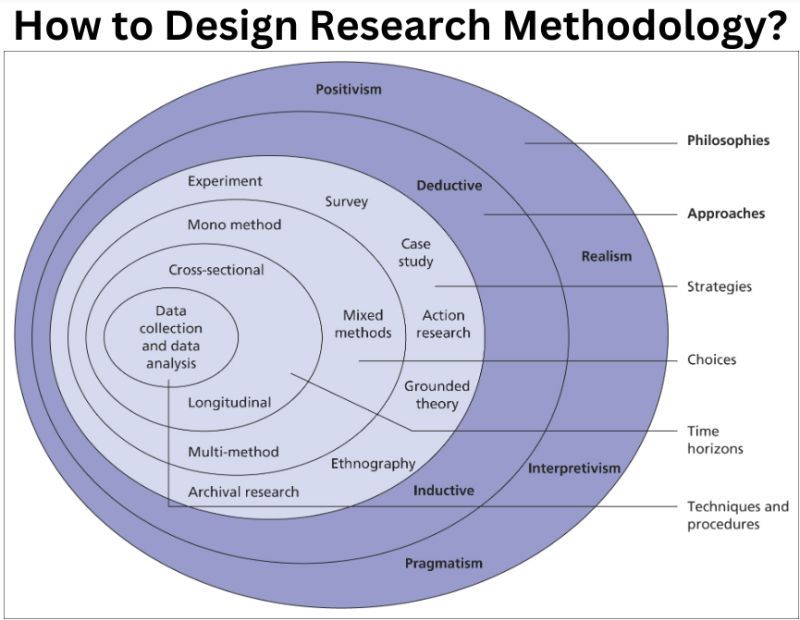
PhD Students - How to design a research methodology?
You can use the Research Onion model to design your research methodology.
Here is a simple understanding of the different layers of the onion model.
𝟏. 𝐏𝐡𝐢𝐥𝐨𝐬𝐨𝐩𝐡𝐢𝐞𝐬
It refers to the view or stance from which the research has been conducted.
𝟐. 𝐀𝐩𝐩𝐫𝐨𝐚𝐜𝐡𝐞𝐬
Here you will formulate your hypothesis or an observation to test.
𝟑. 𝐒𝐭𝐫𝐚𝐭𝐞𝐠𝐢𝐞𝐬
Here you will choose the concrete method such as action research, survey, interview, or case study, etc.
𝟒. 𝐂𝐡𝐨𝐢𝐜𝐞𝐬
Here you need to specify whether you used one method, two methods, or multiple methods to conduct this research.
𝟓. 𝐓𝐢𝐦𝐞 𝐡𝐨𝐫𝐢𝐳𝐨𝐧𝐬
You need to answer in what time frames the research was conducted e.g., in one go or in various different times.
𝟔. 𝐓𝐞𝐜𝐡𝐧𝐢𝐪𝐮𝐞𝐬 𝐚𝐧𝐝 𝐩𝐫𝐨𝐜𝐞𝐝𝐮𝐫𝐞𝐬
You need to specify what type of data has been collected and how the data has been collected.
Credit: The research onion model by Saunders, Lewis and Thornhill
Most PhD programs train specialists.
The best ones train thinkers.
A PhD isn’t just about mastering a niche topic it’s about learning how to question assumptions, evaluate evidence, solve complex problems and communicate ideas across disciplines.
The researchers who make the biggest impact often think beyond their field.