Small arboreal vertebrates usually avoid using large tree cavities for breeding because of predation risk.
However, my #cameratrap observations showed that large cavities are still attractive sites for feeding, resting, or social interactions.
https://t.co/9ZBSh7ESfl
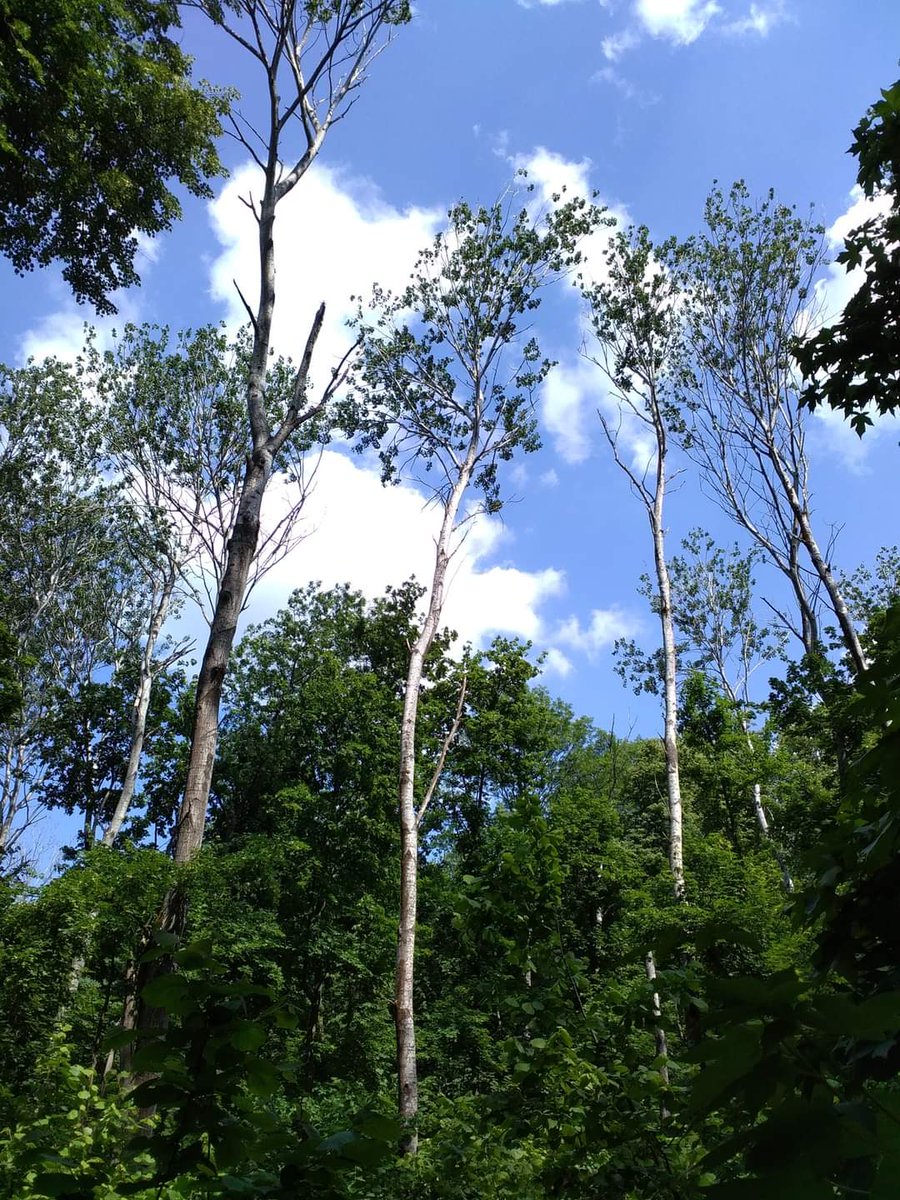
On our local study plot in E Ukraine, #aspen stands were especially important for settling birds.
Such stands descend from improper reafforestation on industrial clear-cuts made in the mid-20th century. Now in a protected area, they are full of canopy gaps and emerging deadwood
Black Woodpecker range in E Europe contracted to the north in the early 20th century. In recent ~50 years, they have been expanding to the south again. It could be driven by changes in logging intensity and maturation of forest plantations in the region
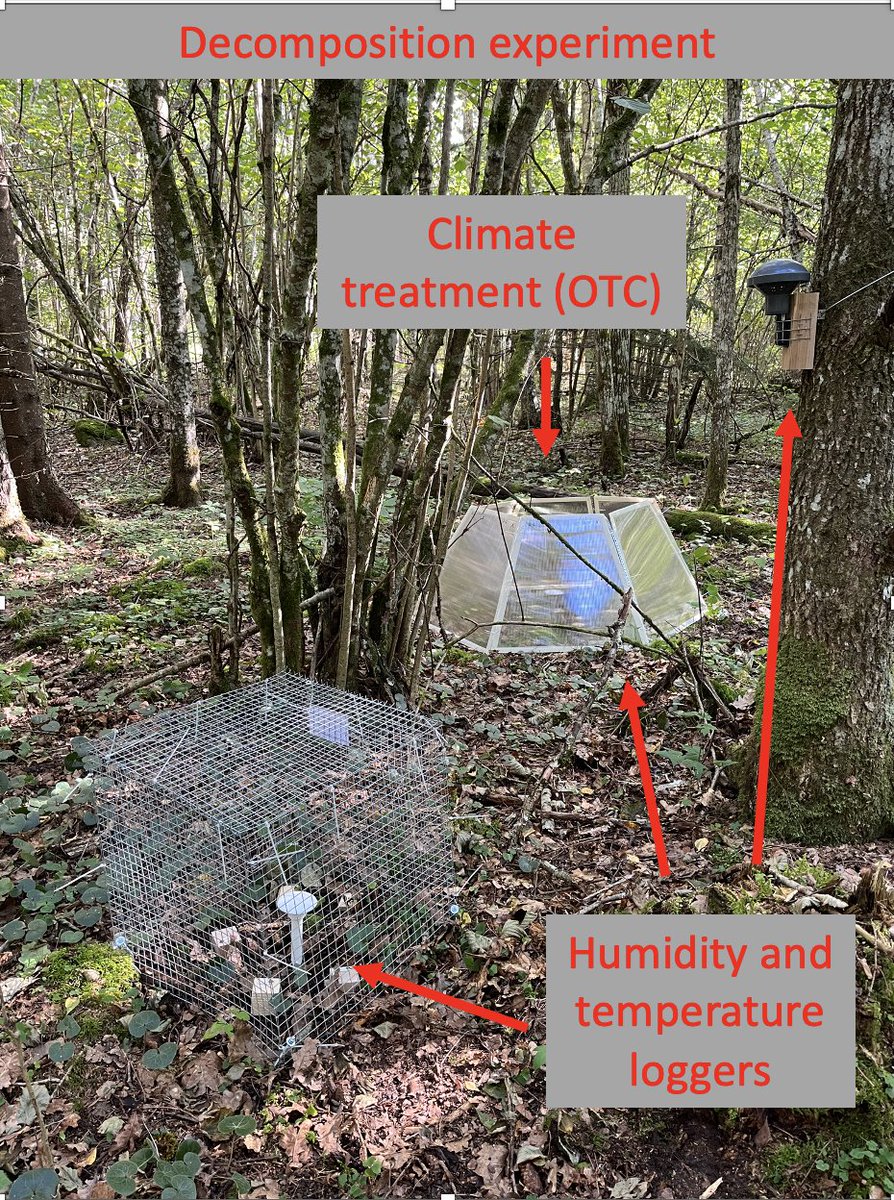
PhD position announcement: please share! Interested in joining the amazing @FutureScapes_ee team @unitartu for lab challenges and fieldwork? Fully financed 4y position open on carbon accumulation in soil and dead wood under changing climate, with fungi in focus. w/@IvikaOstonen
PhD position announcement: please help distribute! Interested in working in the amazing Oecologicum at @unitartu on a project that involves both hi-tech lab challenges and fieldwork? Looking for a PhD student to study dead wood fungi and biogas flux. Contact for more info!
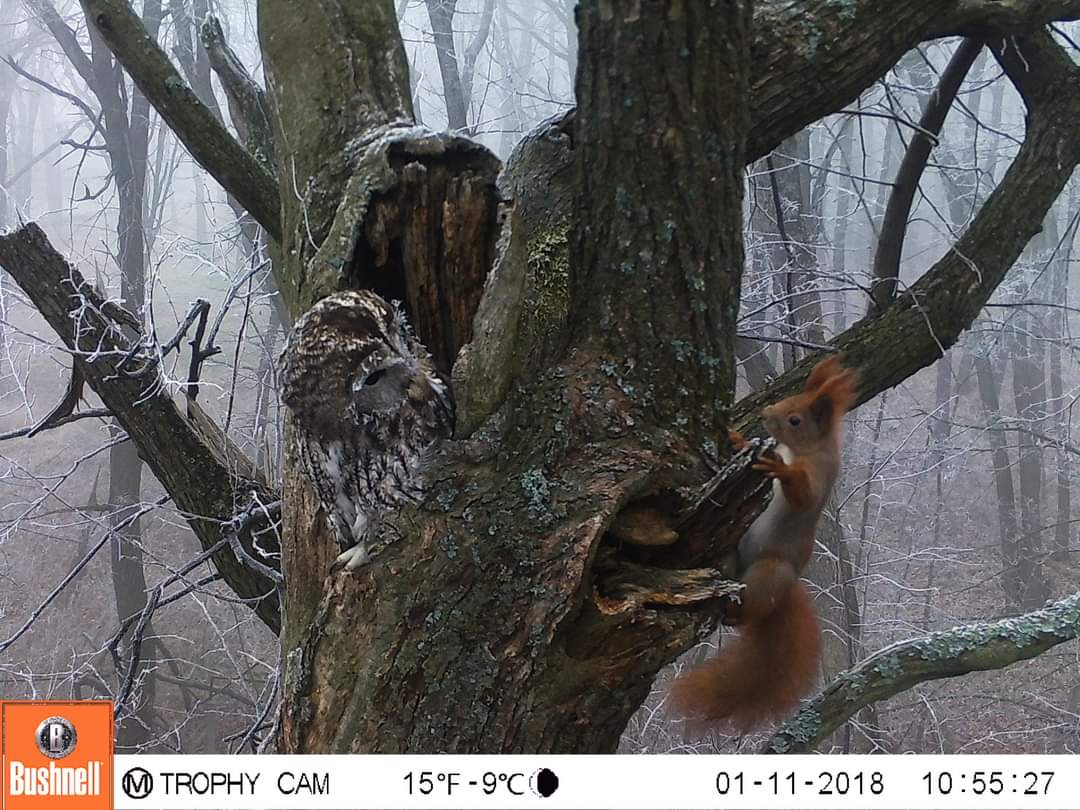
A rare footage of tawny owl attempting to hunt squirrel. Seems to be unsuccessful.
Not a common prey for this species.
From my #cameratrap study in Kharkiv region, Ukraine
This is about our long-term bat studies in Kharkiv region, Ukraine. I am wondering when it would be possible to survey many of these territories again.
Bat diversity and abundance are highest in old deciduous #forest stands on river banks in Eastern Ukraine https://t.co/D2bigPDTko https://t.co/tbDWN9YCT1
PostDoc and/or PhD student position on offer in soil microbiology / ecology / bioinformatics for a person from UKRAINE (displaced after 24 Feb or in near future) in my lab. Includes research funds
#ScienceForUkraine#Microbiology#Ukraine
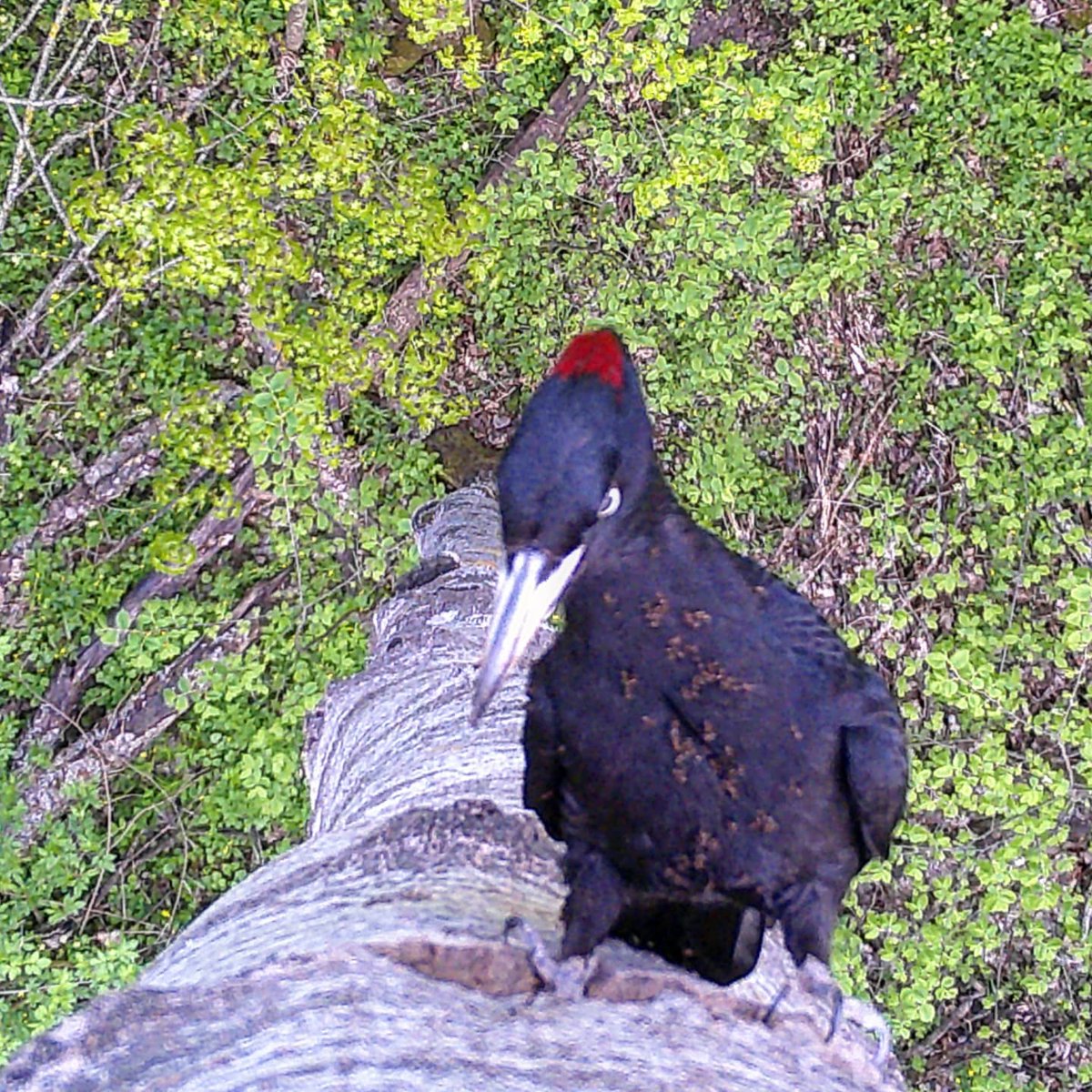
Black woodpecker covered with Myrmica #ants, probably after feeding on their nests. Quite common situation in my #cameratrap study. Seems that they are not bothered.
Hornet Wasps are especially abundant on my study plot this year. Look how they drive away other visitors.
Videos from my #cameratrap study on the use of large #TreeCavities
Kharkiv region, Ukraine
@AnEtchabear @wildlifeni As I understand, there were just imitations of attacks and it was enough for birds/squirrel. At least, contacts were too short to allow wasps to inject a lot.