PickMe pays 18% VAT on the full ride fare. Uber pays 18% VAT on its service fee only. Same trip. Same road. Ten times the tax burden on the local company.
PickMe can't absorb that gap, so it gets passed to you. Higher fares. Every time. And beyond ride-hailing, every local SaaS platform and homegrown digital service faces the same asymmetry, making it rational for Sri Lankan entrepreneurs to simply incorporate in Singapore instead.
Here's what makes it worse: it was COPF that pushed to bring foreign digital platforms into the VAT net in the first place. Before that, Uber paid nothing. We fixed half the problem. The Govt then implemented the framework without equalising the tax base, and handed foreign platforms a structural advantage inside a net we built to level the playing field.
I raised this in @ParliamentLK on June 23rd. The VAT threshold fight was won. This one isn't over.
Scientists say they have detected evidence of cosmic-scale wind coming from a supermassive black hole at the center of our galaxy, potentially solving one of the longest-standing mysteries in astronomy. https://t.co/C65loTvFmp
Singapore’s Foreign Minister, Dr Balakrishnan casually explaining how he built his own AI agent (a 2nd brain for diplomacy) using Claude & WhatsApp integration etc. on a Raspberry Pi
“You cannot govern a technology you have only been briefed on.” 🇸🇬
இந்தியர் அனைவருக்கும் ஒரு மகிழ்ச்சிகரமான தருணம்!
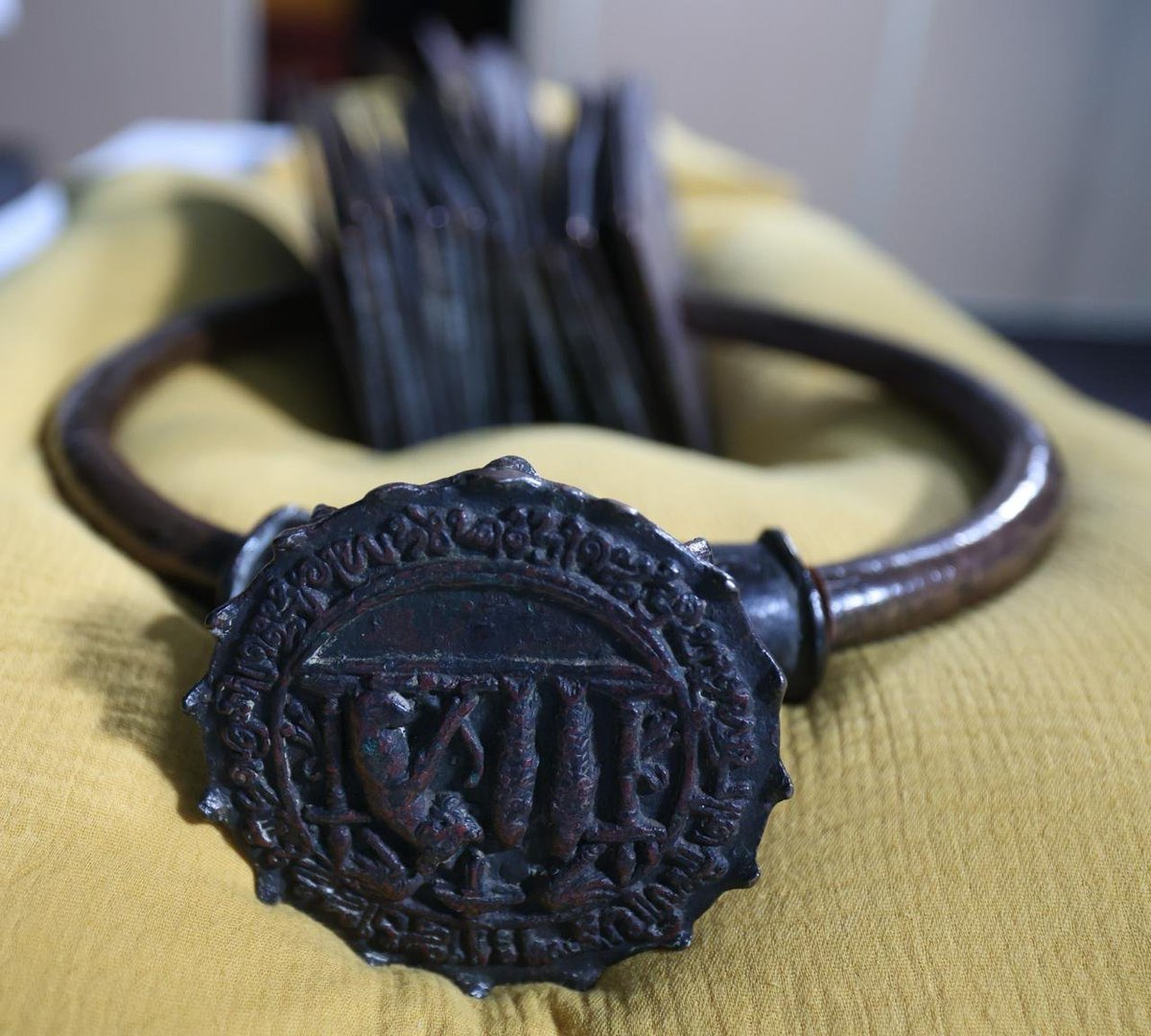
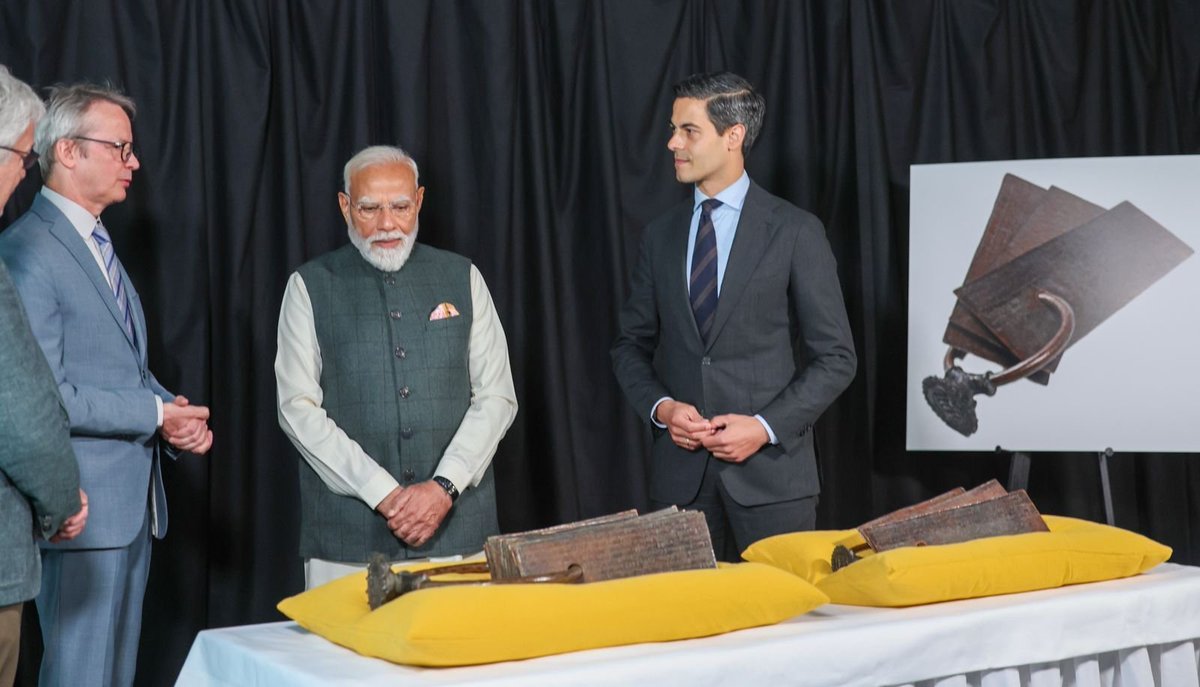
11-ம் நூற்றாண்டைச் சேர்ந்த சோழர்கால செப்பேடுகள், நெதர்லாந்தில் இருந்து இந்தியாவிற்குத் திரும்பவும் கொண்டுவரப்பட இருக்கின்றன. இது தொடர்பான விழாவில் பிரதமர் ராப் ஜெட்டன் அவர்களுடன் இணைந்து பங்கேற்றேன்.
சோழர் கால செப்பேடுகள், 21 பெரிய மற்றும் 3 சிறிய தகடுகளின் தொகுப்பாகும். இவற்றில் பெரும்பாலான எழுத்துக்கள்
உலகின் மிகவும் அழகான மொழிகளுள் ஒன்றான தமிழில் பொறிக்கப்பட்டுள்ளன. இவை மாமன்னர் முதலாம் ராஜேந்திர சோழன் தனது தந்தை முதலாம் ராஜராஜனால் வாய்மொழியாக அளிக்கப்பட்ட வாக்குறுதியை முறைப்படுத்தியதை குறிக்கின்றன. மேலும், இவை சோழர்களின் பெருமையையும் பறைசாற்றுகின்றன. இந்தியர்களாகிய நாம், சோழர்களின் கலாச்சாரம், கடற்படைத் திறமை ஆகியவற்றால் மிகுந்த பெருமை கொள்கிறோம்.
நெதர்லாந்து அரசுக்கும், குறிப்பாக 19-ஆம் நூற்றாண்டின் இடைப்பட்ட காலத்தில் இருந்து செப்பேடுகளைப் பாதுகாத்து வந்த லெய்டன் பல்கலைக்கழகத்திற்கும் எனது நன்றியைத் தெரிவித்துக் கொள்கிறேன்.
@MinPres
More payments missing : Minister Nalinda Jayatissa says a $625,000 payment sent to the U.S. Postal Service has not been received, according to US authorities.
Follows the alleged $2.5M Treasury cyber fraud currently under probe.
@numberslka Same salary. Different rules.
We pay tax on 100% of our income.
MPs pay tax on only a fraction of theirs.
We pay ~55,000 and they pay ~7,000.
Not fair!
TUBE LIGHT: Sri Lanka’s electric car boom is straining the power grid, with most EVs charged between 6 pm and 10 pm, adding another 300 MW of demand. @anuradisanayake today appealed to owners not to plug in during peak hours. The government is finally seeing the light.
Welcome Silojah Sivapathan, our new Environment Specialist, strengthening #CMET’s #SriLanka team. A master’s-qualified Environmental Specialist, she brings regulatory & safeguarding experience & will support strong environmental standards as we advance Taprobane Minerals Project.
Scientists have detected traces of nuclear activity in the West Philippine Sea. They found higher levels of a radioactive substance called iodine-129 in seawater samples from this area.
After testing 119 samples from different parts of Philippine waters, they discovered that iodine-129 levels in the West Philippine Sea were 1.5 to 1.7 times higher than in nearby regions. This isotope is almost always produced by human nuclear activities (like nuclear reactors or old weapons tests), so it acts as a clear sign of nuclear-related processes.
Most likely, ocean currents carried it from the Yellow Sea area near China. There, nuclear fuel reprocessing plants and leftover contamination from Cold War-era nuclear tests probably released it into rivers and the ocean, and it traveled hundreds of miles to reach Philippine waters.
Good news: the levels are very low and pose no danger to people, fish, or the environment.
This discovery shows how connected our oceans are and why countries need to work together to monitor and protect them. It's also a great example of important scientific work being done right here in the Philippines.
["Filipino Scientists Detect Nuclear Signatures Drifting Into West Philippine Sea." Advocates Philippines, 2025]
For all travelers in Sri Lanka! 🇱🇰
Starting today, Google Maps is updating the info on Main Roads(12000kms) with 6 specific condition alerts (e.g.lane closures, construction, etc.).
This will be a big help to plan your trips better, save time & avoid unexpected traffic! Check your Maps app & travel safe!(Pilot project until 31st December)
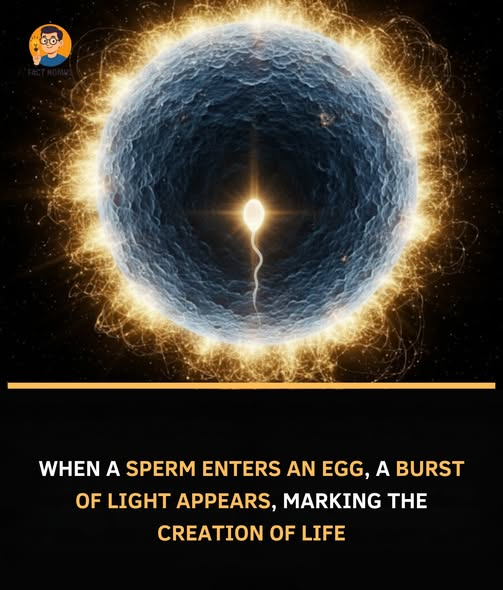
Scientists have captured one of the most extraordinary moments in biology: the exact instant fertilization occurs. And it’s marked by a breathtaking microscopic phenomenon known as the “zinc spark.”
This dazzling flash of light happens the moment a sperm successfully meets an egg.
The egg releases millions of zinc ions in a sudden burst, creating a shimmer so brief it can only be seen with powerful microscopes. First observed in mouse eggs, researchers later confirmed the same phenomenon in human eggs, proving that this tiny sparkle is a universal signal of life beginning.
Beyond its beauty, the zinc spark is a critical scientific discovery. It serves as a reliable indicator that fertilization has truly succeeded, giving embryologists and fertility specialists a new tool to understand and monitor conception.
What makes this so remarkable is that life, at its very start, can be witnessed as a literal flash of light. It’s a rare and awe-inspiring glimpse into the moment a new human life begins a microscopic celebration of creation that reminds us how delicate, precise, and extraordinary the processes of life truly are.
In a single, fleeting shimmer, science has captured one of nature’s most profound miracles
🧬 A father’s story doesn’t end with him — it’s written again inside his children, at the molecular level.
New research is revealing something that rewrites what we thought we knew about inheritance.
Scientists have discovered that a father’s early-life stress can leave biological marks on his sperm — marks that don’t alter DNA itself, but change how that DNA is read.
A 2025 study published in Molecular Psychiatry examined men who had experienced significant childhood adversity. Their sperm showed unique patterns of DNA methylation and small non-coding RNAs — chemical signatures that influence which genes turn on, which stay silent, and how the body interprets the world.
These epigenetic imprints may shape how future offspring respond to stress, regulate emotions, build resilience, and even develop aspects of immunity.
It challenges the old belief that only mothers influence biology before birth.
A father’s mind — his trauma, his healing, his environment — may echo across generations before life even begins.
This discovery expands our understanding of inheritance from something purely genetic to something deeply human:
Experience can become biology.
Hurt can become heritable.
And healing can, too.
Fun Fact:
Epigenetic marks in sperm can change within months, meaning lifestyle, stress reduction, and mental health support can directly alter what a father passes on.
Caring for men’s mental health isn’t just personal.
It’s generational.
It’s the quiet work of protecting children who haven’t been born yet — and rewriting the future long before it arrives.
Source:
Molecular Psychiatry (2025): “Childhood Adversity and Epigenetic Signatures in Human Sperm.
Public Assistance Requested 🔈
Sri Lanka Police are seeking help to identify and arrest a suspect involved in the sexual harassment of a female tourist in October.
If you have any information, please contact Pothuvil Police:
📞 071 8591168 / 063 2248022
#SriLanka#LKA Via @SL_PoliceMedia
A 2-billion-year-old rock just revived an old alien theory.
Fresh findings from NASA and Japan’s space agency reveal that asteroid Bennu—a carbon-rich relic from the solar system’s infancy—contains key ingredients of life: 14 of the 20 amino acids used by Earth’s organisms, plus chemical precursors to DNA and RNA.
Confirmed in January 2025 by the OSIRIS-REx mission, these molecules were locked inside pristine rock untouched since before Earth itself existed. They bolster panspermia, the idea that life’s raw materials arrived from space rather than emerging here.
Picture Earth cooling from its fiery birth. Comets and asteroids, loaded with stable organic compounds, slammed into the young planet, delivering the chemical seeds of biology. Panspermia needs no live passengers—just durable molecules that can spark complexity on a hospitable world.
In short: life may not have begun on Earth; it may have been assembled here from cosmic imports.
For years, skeptics questioned whether fragile organics could survive the void, atmospheric incineration, or explosive impact. Yet lab tests and missions like OSIRIS-REx now show many can. If Bennu carries life’s toolkit, the universe may be seeded with it everywhere.










![Rainmaker1973's tweet photo. Scientists have detected traces of nuclear activity in the West Philippine Sea. They found higher levels of a radioactive substance called iodine-129 in seawater samples from this area.
After testing 119 samples from different parts of Philippine waters, they discovered that iodine-129 levels in the West Philippine Sea were 1.5 to 1.7 times higher than in nearby regions. This isotope is almost always produced by human nuclear activities (like nuclear reactors or old weapons tests), so it acts as a clear sign of nuclear-related processes.
Most likely, ocean currents carried it from the Yellow Sea area near China. There, nuclear fuel reprocessing plants and leftover contamination from Cold War-era nuclear tests probably released it into rivers and the ocean, and it traveled hundreds of miles to reach Philippine waters.
Good news: the levels are very low and pose no danger to people, fish, or the environment.
This discovery shows how connected our oceans are and why countries need to work together to monitor and protect them. It's also a great example of important scientific work being done right here in the Philippines.
["Filipino Scientists Detect Nuclear Signatures Drifting Into West Philippine Sea." Advocates Philippines, 2025]](https://pbs.twimg.com/media/G_cBrTWXMAAjxjo.jpg)