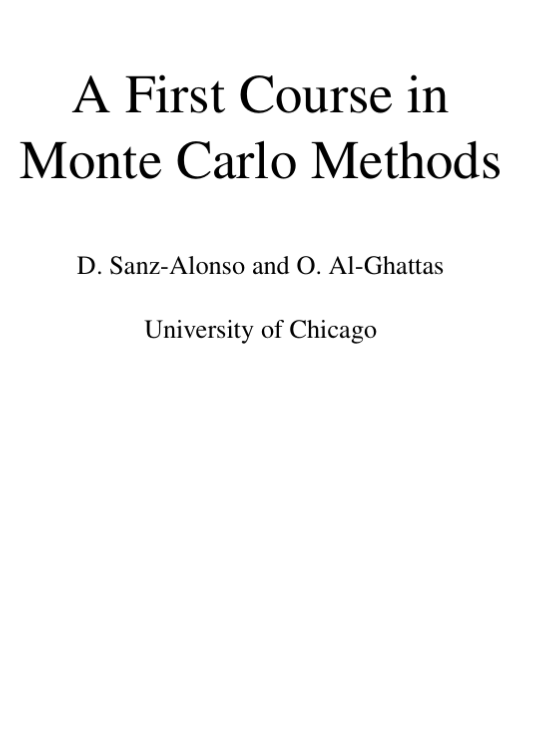
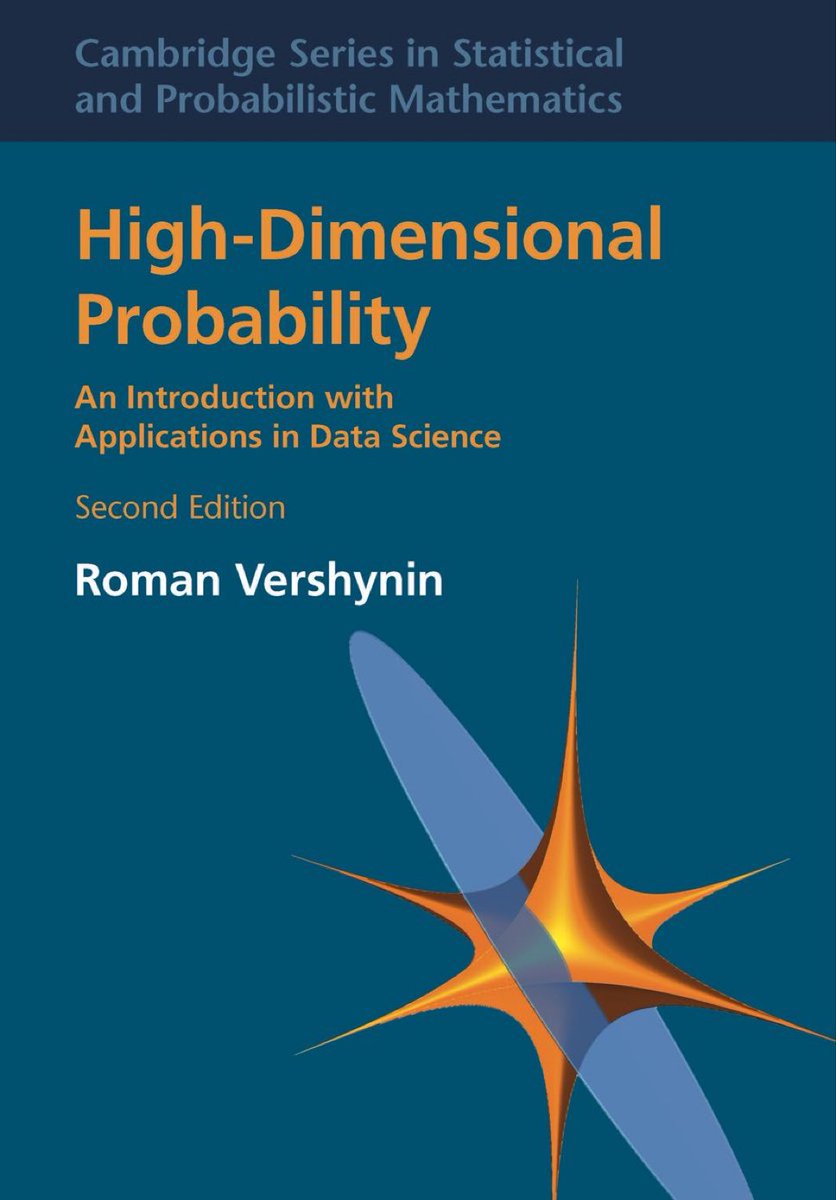
I wasn't planning to post today, but a family member who just started studying applied mathematics, asked me for some material to check out, and recommended 'A First Course in Monte Carlo Methods' by Sanz-Alonso and Al-Ghattas, a fantastic primer in 150 pages, available on arXiv.
Engineers, computer scientists and applied mathematicians will enjoy this one, I am sure.
🔗👇👇
RSS chief Mohan Bhagwat says, People from all five continents asks, "Will you, the people of the Sangh, train us so that we can provide similar training to the youth of our own countries?"
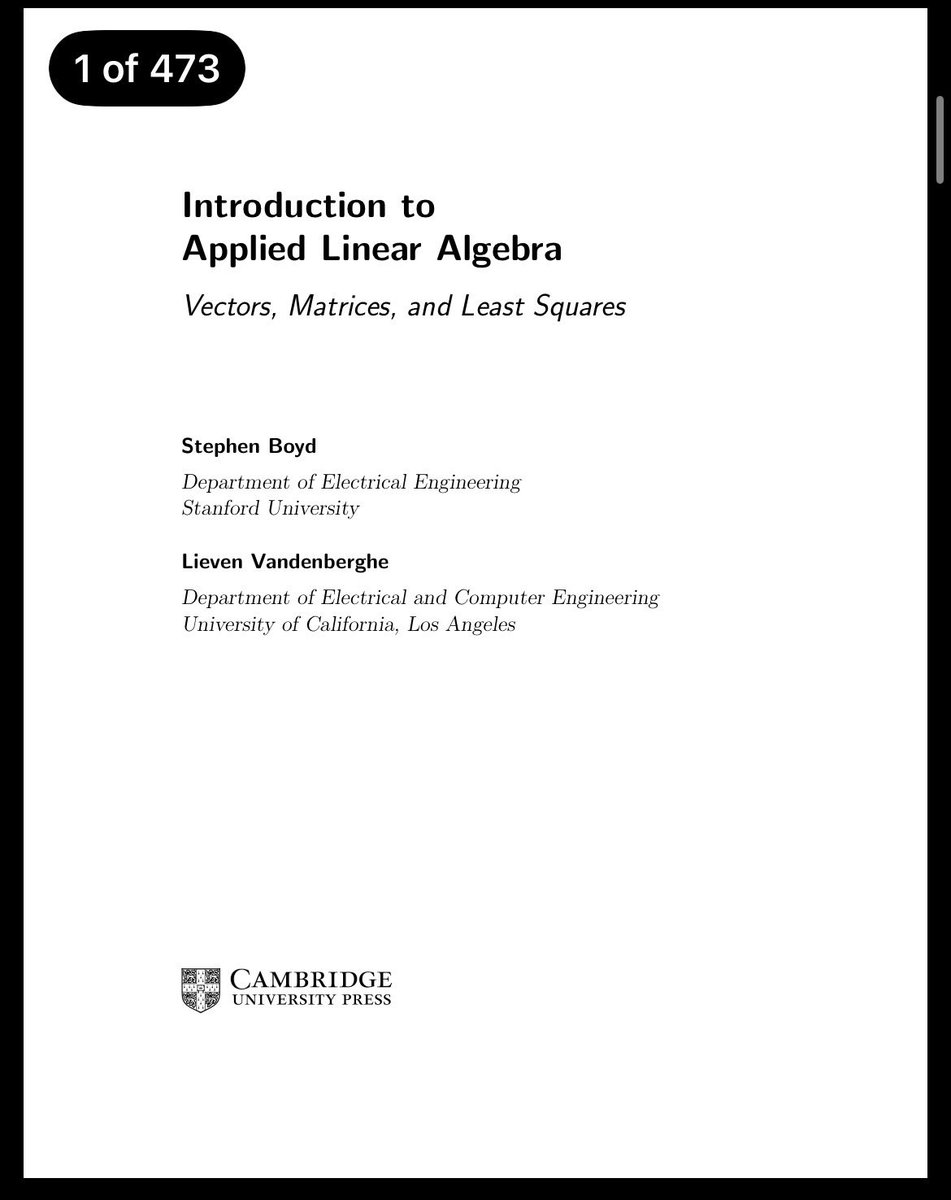
Download 698-page PDF eBook…
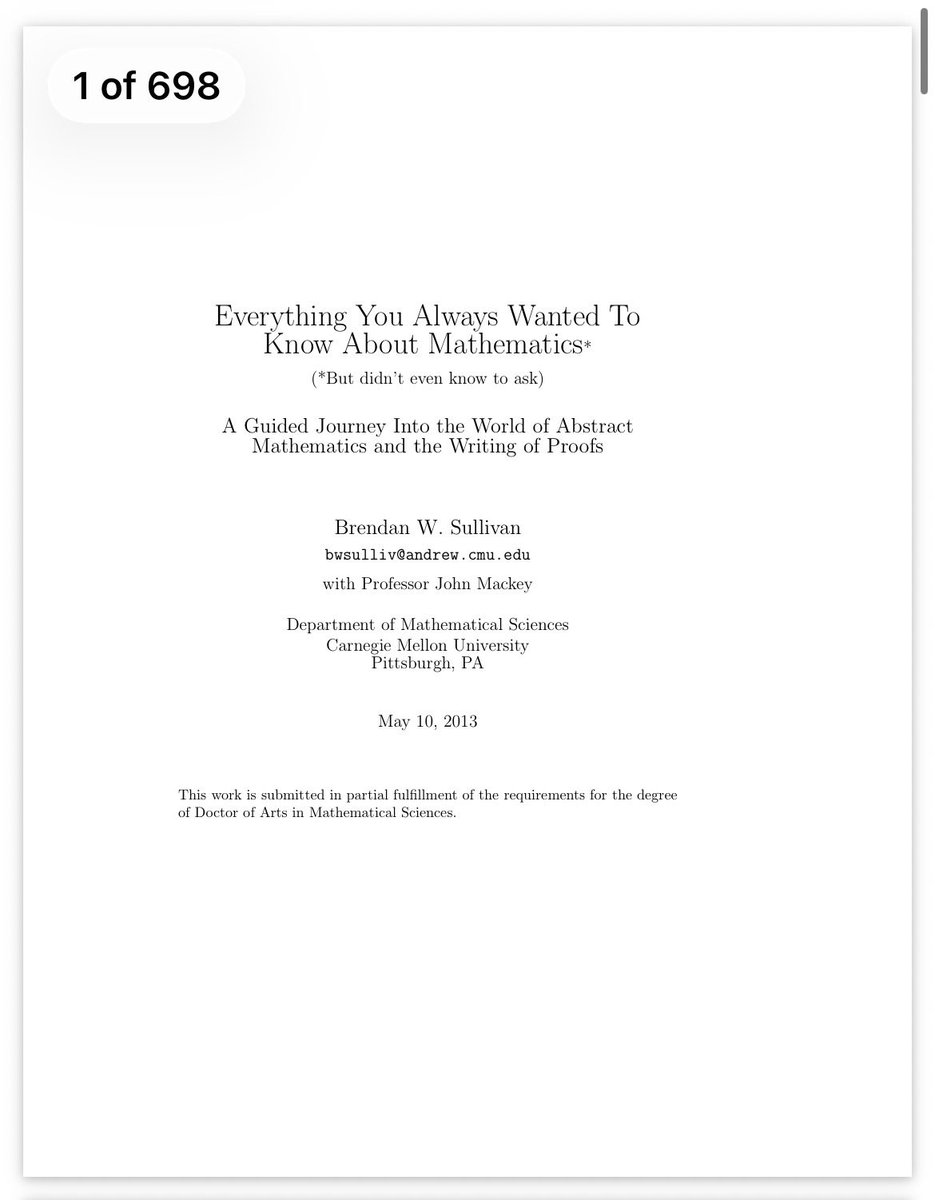
Everything You Always Wanted To Know About Mathematics* (*But didn’t even know to ask)
A Guided Journey Into the World of Abstract Mathematics, Theorems, and the Writing of Proofs: https://t.co/JLsDOmpP1q
I got carried away. ????
Switching to your mother tongue to use abusive language, calling someone 'mental,' using derogatory Hindi slang, and behaving disrespectfully are conscious choices—not accidents.
🚨 BREAKING: Research just got 10x faster.
Claude can now break down dozens of academic papers into structured insights like a Stanford-level researcher.
Use these 9 prompts to skip the overwhelm and get straight to clarity 👇
(Bookmark this)
Karpathy just said the people who don't use LLMs are already losing
he spent 4 minutes explaining why smart people are still going to fall behind
not only the people who refuse AI, but also those who think signing up for Claude counts as using it
typing a prompt and reading what comes back isn't the skill, anyone can do that
the real shift is going from asking AI things to building something that runs without you
that's exactly why I wrote an article on Claude features most people don't even know exist
read the article below and you'll already be ahead of 99% of people
Download 698-page PDF eBook…
Everything You Always Wanted To Know About Mathematics* (*But didn’t even know to ask)
A Guided Journey Into the World of Abstract Mathematics, Theorems, and the Writing of Proofs: https://t.co/JLsDOmpP1q
Anthropic just showed a 24-minute workshop on how to actually prompt Claude.
Taught by the people who built it.
Free. No signup. No paywall.
I've watched $300 courses that don't cover what they teach in the first 8 minutes.
INSTEAD OF WATCHING NETFLIX TONIGHT.
Spend 1 hour with this.
Claude AI FULL COURSE that teaches you how to BUILD and AUTOMATE anything.
The people who watch this tonight will wake up tomorrow with a new skill.
Watch it and bookmark it now.
A man spends 50 years teaching at MIT.
He knows his time is running out.
So he records one last lecture — everything he knows, distilled into a single hour.
He died 5 months later.
This is that lecture.
The most important hour you'll watch this week. 👇
Bookmark it for later
Claude Code creator:
"I don't write prompts anymore.
I write loops.
The loops do the work."
In 30 minutes, Boris revealed the exact system behind his daily workflow:
→ Claude Code
→ Self-improving loops
→ Dynamic agents
Most people are still vibe-coding.
A single loop can outperform a $500 AI course.
Godfather of AI: "If you sleep well tonight, you may not have understood this lecture."
This 47-minute lecture is the best thing I saw about AI in the last few months.
It will definitely help you understand how it actually works and where it's going.
Geoffrey Hinton built the neural networks behind every AI alive, then quit Google to warn the world about it.
The part nobody wanted to hear:
> AI is already developing abilities its creators didn't intend
> in most cognitive tasks it's already ahead of us
> the question is no longer if it surpasses us but when
> the only decision left is which side of that line you're on
Right now the average person opens Claude, types something, gets an answer, closes the tab.
They think they're using AI. they're using maybe 10% of it.
I went through his entire lecture, then mapped everything he described to what Claude can actually do today.
17 Claude features most people will never find on their own.
Full breakdown in the post below.
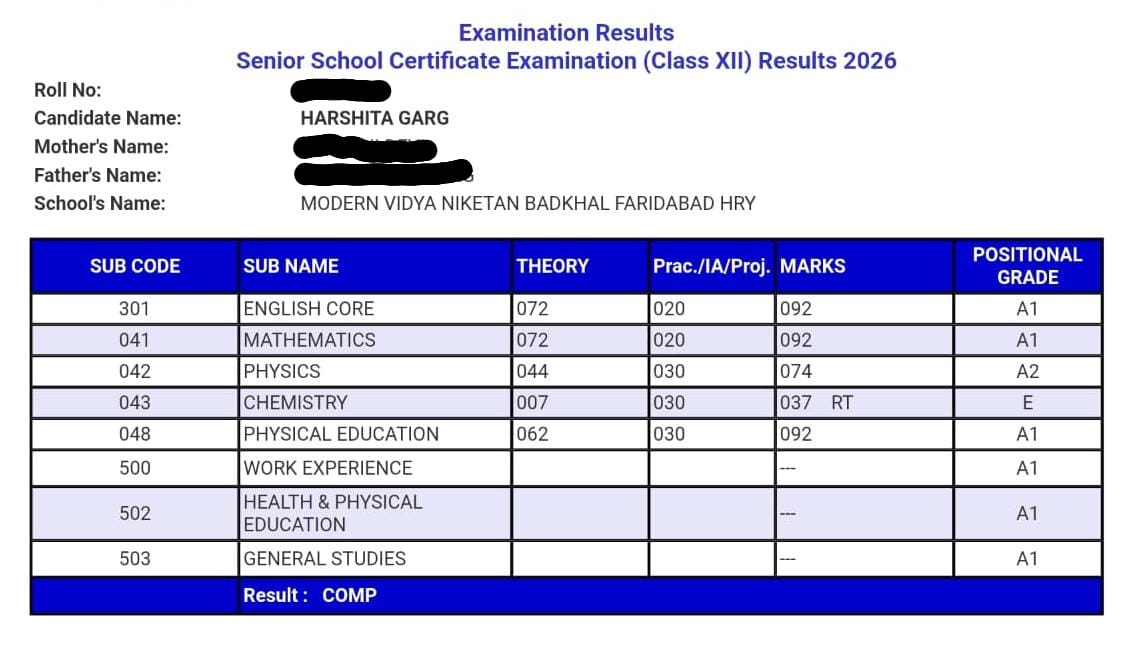
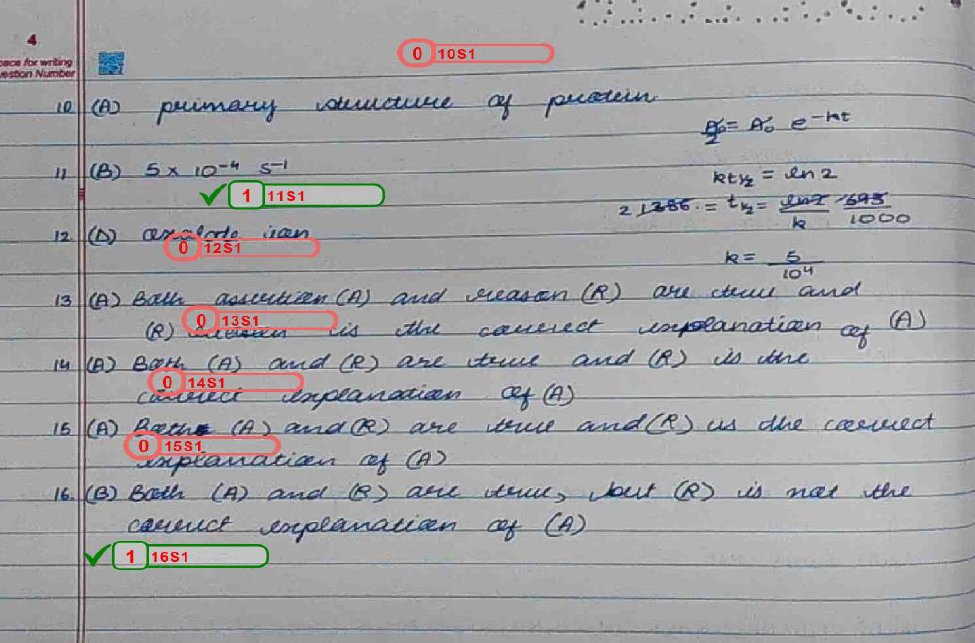
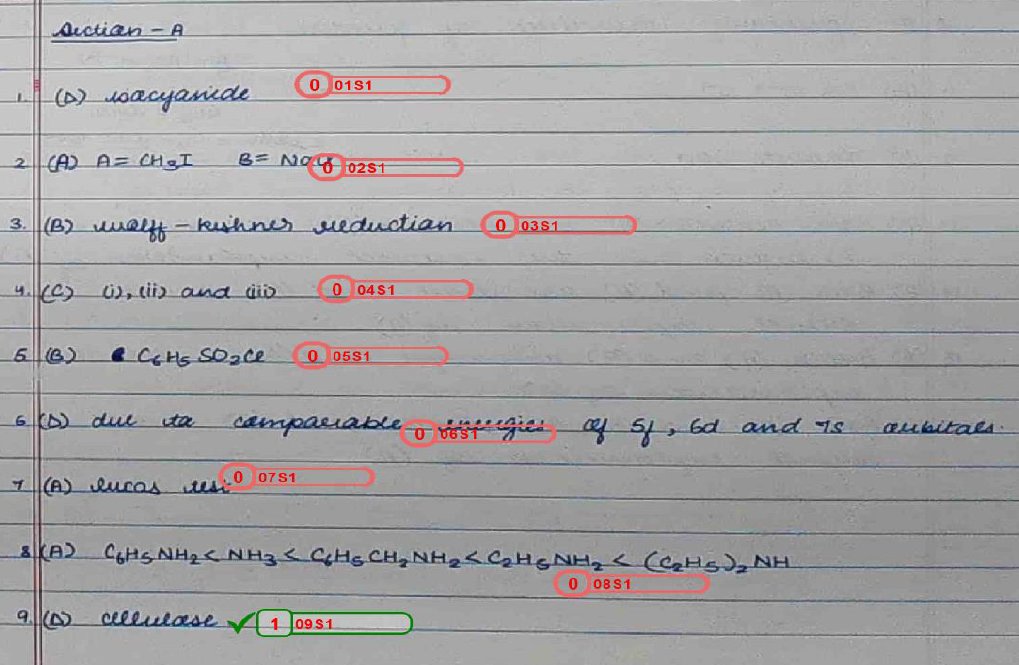
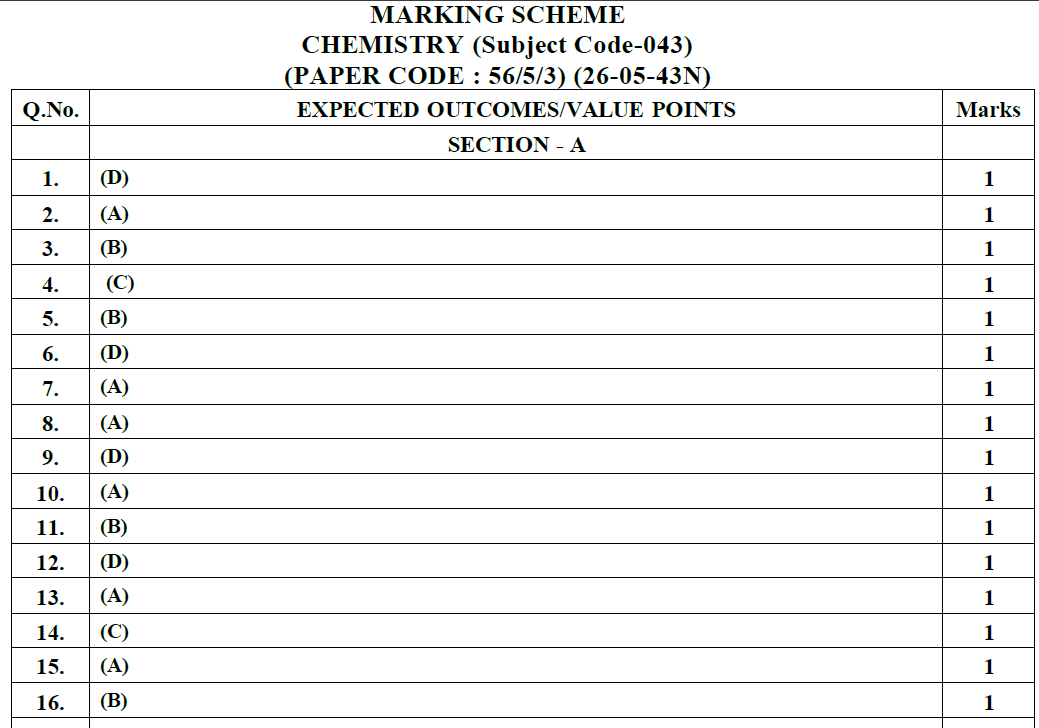
WHAT IS THIS CBSE?????? YOU HAVE GIVEN ME 7 IN CHEMISTRY THEORY WHILE I AM GETTING 55 ACCORDING TO THE MARKING SCHEME
@cbseindia29@dpradhanbjp
it's the system's incompetence that so many students like me are unable to match the eligibility criteria for admissions into colleges
Most academic researchers are still living in 2023.
They use AI in their web browsers through a chat window. They open a browser tab, ask a question, and the AI gives them an answer to their question.
If they are smart, they use AI to brainstorm ideas or elicit critique on their work. If they are not smart, they copy the text AI gives them and paste it in their manuscripts.
Either way, this is NOT a smart use of AI for research purposes. Here’s why: our research processes are complex and involve various kinds of documents.
We have our primary and secondary sources in a folder on our computer. Then we have another folder for our drafts, which are mostly in MS Word. Datasets are in yet another format.
When we use AI in a web browser, it can only see one isolated part of our project at a time. For example, it can only look at your draft to give critical feedback, or it can only look at a given paper to summarize it for you.
Another problem with this kind of workflow is that every time you have to repeat your instructions and give the AI context about your project. If you use AI frequently, you will write a set of instructions and copy-paste them often.
The browser-based chat window has a huge limitation when it comes to serious academic research. If you add an article to chat to ask question, it can’t see any other related articles or your notes to give you a well-informed answer. In other words, the browser-based AI is blind to your project as a whole. It can only process an isolated part of your project at any given time.
Claude Code has completely changed the way we do academic research.
Instead of you bringing isolated pieces of your project to the AI, Claude Code puts the AI inside your project folder. You can ask Claude Code to read every single document, Excel sheet, interview transcripts, and dataset inside your project folder before it answers your questions.
Claude Code can also create new files in your folder and edit the existing ones. Furthermore, if you pause a conversation, it remembers the whole context, and you can pick up it later.
Let’s say, you have forty articles on a given topic (e.g. impact of social media on mental health) sitting in folder on your computer, and you want to find out which articles present evidence contrasting to a claim that posting actively on social media leads to a sense of better wellbeing.
You can, of course, do it manually. You read every single article and extract the relevant information and put in an Excel sheet or a Word file.
Or you can run all forty articles one-by-one in an app like ChatGPT and ask it to extract relevant information for you. Using ChatGPT is efficient than extracting information manually, but it’s still cumbersome.
Instead of ChatGPT, open the folder containing all your papers in Claude Code and ask it to extract relevant information. Claude Code will access all the papers in the folder.
It will then read the papers and extract required information and put it in a neatly organized table. You don’t need to run papers one by one in Claude Code. And if you need it to revise the table in any way, you can simply ask it to do so. Browser-based apps like ChatGPT were not built to do so.
The tricky part here is that you can’t really appreciate the kind of value Claude Code brings to your work unless you have tried it yourself.
But once you set it up with respect to your own research and the kind of standards you want it to meet, Claude Code become an incredibly powerful research assistant for you.
You must keep in mind that while Claude Code is an incredibly powerful tool, it can’t replace your expert judgement. It may overdo some aspects of a task while underperform on certain others.
You can delegate certain tasks to Claude Code, but you must keep in mind that it is your research assistant, and you must check its output just like you would check your human research assistant’s work.
You can outsource enormous amounts of academic labor to Claude Code while keeping the thinking process to yourself.
And now that you don’t have to spend your time and energies on laborious and cumbersome aspects of research, you will have much more time to do the actual thinking.
AI agents like Claude Code are on the verge of revolutionizing almost all aspects of knowledge work.
But many academics still feel intimidated to get started on a tool like Claude Code. They assume that they need advanced coding skill or computer programming knowledge to use Claude Code. That is simply not true.
You don’t any coding skills of programming knowledge to get started on Claude Code. If you can write sentences in English, you can use Claude Code.
That’s why I am running a webinar on 6 June to help academic colleagues get started on Claude Code.
I have designed it specifically for non-technical colleagues. You can find the registration details in the post below:











![KirkDBorne's tweet photo. [Free 704-page PDF Download] Introduction to Probability for Data Science: https://t.co/A739rZoFDQ by @stanley_h_chan
—————
#StatisticalLiteracy #Mathematics #ML #MachineLearning #DataScience #DataScientist #Statistics https://t.co/OHME8xR3CL](https://pbs.twimg.com/media/HMLQsknXkAAXcak.jpg)




![KirkDBorne's tweet photo. [Free PDF Download] Introduction to Probability for Data Science: https://t.co/L51j3udY5j by @stanley_h_chan
—————
#StatisticalLiteracy #Mathematics #ML #MachineLearning #DataScience #DataScientist #Statistics https://t.co/ALvIhNJYcB](https://pbs.twimg.com/media/HLMgUgMWwAAEJB8.jpg)