Beyin belirsizliği sevmez. Çünkü temel görevi seni mutlu etmek değil, hayatta tutmaktır. Bu nedenle potansiyel tehditleri öngörmeye çalışır, olası senaryoları tekrar tekrar simüle eder ve risk arar. Sorun şu ki modern hayatta beyin, fiziksel tehditlerle sosyal ve psikolojik tehditleri çoğu zaman benzer şekilde işler. Bu yüzden aşırı düşünme çoğu zaman zayıflığın değil, aşırı aktif bir koruma sisteminin sonucudur. Ancak aynı sistem kontrolden çıktığında kaygıyı besler. Döngüyü kırmanın ilk adımı, zihnindeki her düşüncenin bir gerçek değil, beyninin ürettiği bir tahmin olduğunu fark etmektir.
Özgür irade diye bir şeyin olmadığını, verdiğimiz her kararın ve sergilediğimiz her davranışın milyonlarca değişken tarafından (genetik, çevre, çocukluk, biyoloji) önceden belirlendiğini savunan Robert Sapolsky'nin özgür irade dışında stres, sosyal bağlar, kapitalizm gibi birçok konuya değindiği videosu. Tavsiyedir.
Evlada küsülmez, evlatla dertleşilmez. Evlat, çevreye kötülenmez. Evladın sırrı açık edilmez. Evlat, sizin dert ortağınız veya psikoloğunuz değildir. Anne babaya, baba anneye kötülenmez. Evlada travmalar ve kötü bir geçmiş anlatılmaz. Evladınızı rahat bırakın.
15년차 한의사로서 말씀드립니다. 귀에서 삐— 하는 이명이나 원인 모를 불안·불면 같은 자율신경 증상으로 힘들다면 ‘후두하근’을 한 번 의심해보셔야 합니다.
뒤통수 아래에 있는 작은 근육인데, 스트레스와 거북목 자세가 반복되면 긴장이 쉽게 쌓이는 부위입니다. 문제는 이 긴장이 단순 근육통으로 끝나지 않는다는 점입니다.
① 자율신경 불균형
후두하근은 상부경추·경막과 연결돼 있어, 과하게 긴장하면 몸이 계속 긴장 모드에 머물 수 있습니다. 두근거림, 두통, 만성 피로와도 관련이 있다고 봅니다.
② 이명·귀 먹먹함
이 부위 주변에는 뇌로 가는 추골동맥이 지나갑니다. 후두하근 긴장이 심하면 머리·귀 주변 긴장과 순환에도 영향을 줄 수 있어 이명을 호소하는 분들에게서 자주 굳어 있는 경우가 많습니다.
③ 몸이 기억한 긴장
후두하근은 균형 감각을 담당하는 중요한 근육입니다. 거북목 자세가 지속되면 이 부위가 계속 수축하면서 목 전체 긴장으로 이어지기도 합니다.
그래서 후두하근은 단순히 “목 근육”이 아니라, 몸이 쌓아둔 긴장의 시작점으로 보는 경우가 많습니다.
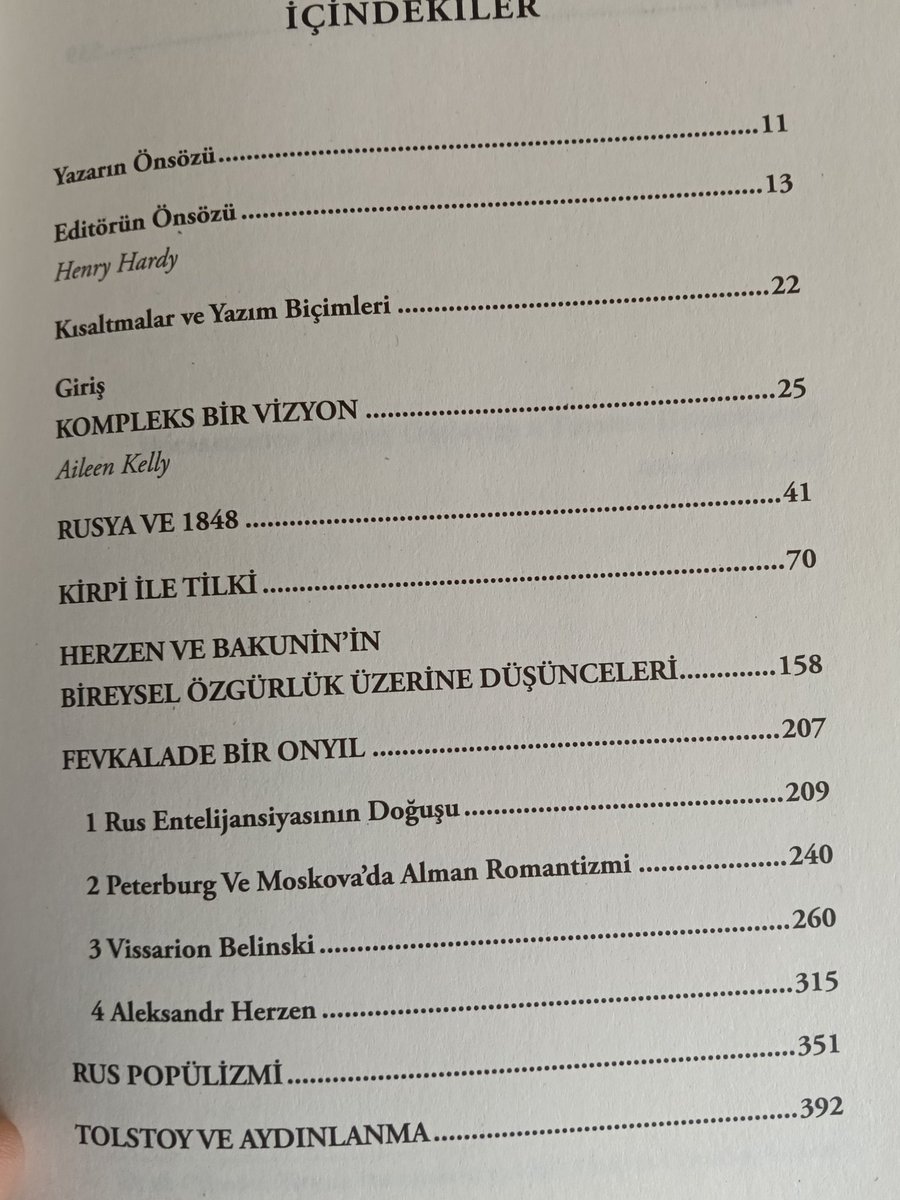
İçinde Isaiah Berlin'in meşhur "Kirpi ile Tilki" metninin de bulunduğu bu kitabın ne kadar kışkırtıcı ve leziz olduğunu bilseydiniz, işi gücü bırakıp hemen şimdi edinmenin / okumanın çaresine bakardınız.
(Evet, sevdiğim insanları ve kitapları az biraz abartırım.)
젠슨 황 방한의 설계자 메디슨 황 이야기
1. 매디슨 황 (젠슨의 장녀, 현 엔비디아 Physical AI 플랫폼 시니어 디렉터)
곽노정 SK하이닉스 대표가 젠슨 맞이하자마자 곧바로 그 옆 30대 미국 여성에게도 인사.
LG에서도 구광모 회장이 포옹 직후 같은 인물에게 다가감.
재계 총수들이 황 CEO만큼 예우한 동행인.
2. 단순 딸 동행이 아니었다.
엔비디아 임원으로 구성 된 내부 핵심 서포트 조직 'The Band' 소속.
행사마다 황 CEO와 함께 PT 슬라이드 검토, 무대 조명까지 직접 챙김.
지난해 깐부 치킨집 회동 그 자리를 기획한 게 매디슨임.
한 달 전 서울 방문해 동선 직접 답사.
3. 이번 방한 홍대 삼겹살 자리
황 CEO 자리 비울 때 매디슨이 총수 테이블로 가서 최태원,구광모,이해진과 직접 대화.
구광모 회장에게 맥주 따라주며 대리 외교.
깐부회동에 앞서 최태원 회장의 장녀 최윤정 회장과 만남을 가지기도 했음.
4. 이력이 독특함
미국요리학교(CIA) 학사
르 꼬르동 블루 런던 와인·미식 학위.
LVMH 명품 마케팅 출신.
2019년 MIT AI 단기 교육 후 2020년 엔비디아 인턴 입사.
인턴에서 18개월 만에 첫 승진 그리고 5년 만에 시니어 디렉터.
연봉: 2021년 16만 달러 → 2025년 110만 달러 (SEC 공시 기준).
2년 늦게 합류한 오빠 스펜서 황(디렉터)보다 직급이 위.
그냥 올라간게 아니다.
입사 초기엔 기술 배경이 전혀 없어
“방 안에서 기술이 가장 부족하고 아는 것도 가장 적은 사람”이었다고 서울대 강연에서 회고.
회의할 때마다 이해 못 한 단어를 구글 문서에 다 적어뒀다. 퇴근 후 2~3시간씩 하나씩 찾아 공부했다. 시간이 지나면서 문서가 점점 짧아지더니 결국 문서 자체가 필요 없어졌다.
매디슨 황은 전통적이지 않은 커리어 경로를 걸었지만 돌이켜보면 모든 단계에서 일관되게 유지한 원칙이 있었다.
장인 정신, 집요한 디테일, 끊임없는 재창조가 그것이라며 이를 모두 담을 수 있는 게 엔비디아였기 때문에 입사했다고 함.
커리어가 반드시 직선적일 필요는 없다라고 강조.
5. 젠슨 황의 가족주의 경영
오래 함께한 동료 자녀도 채용
공동 창업자·이사회 멤버 자녀도 재직 중.
직원들에게 족벌주의 지적받자
2세들이 부모 세대보다 더 좋은 성과 내고 있다"고 일축
6. 엔비디아 후계 구도
임원 60명이 중간 단계 없이 황 CEO 직접 보고 → 넘버2가 구조적으로 없음.
블룸버그 보고
빌 게이츠엔 발머, 잡스엔 팀 쿡이 있지만 황 CEO엔 뚜렷한 후계자 없다
황 CEO 본인은 생애 마지막 날까지 CEO로 일하겠다"고 밝혔지만 남매 모두 현재 GPU 부서 아닌 미래 사업부에 배치된 것은 눈여겨볼 지점.
승계보다는 젠슨 황의 외교를 확장하는 가족 네트워크로 보는 게 아닐까 험.
마케팅,요식업 출신이 엔지니어 조직에서 같은 수준의 기술적 권위를 갖기는 어렵다는 지적도 타당하지만 역할 자체가 그게 아닌 것 같음.
황 CEO가 직접 챙길 수 없는 총수 레벨 관계 관리를 딸이 대신하는 구조.
그게 이번 방한에서 정확히 입증됐음.
83세에 하루에 운동을 3시간씩 하고, 책 집필까지 하고 있는 전길남 카이스트 명예교수. 아직까지도 무언가를 배우는 눈빛.
인간은 결국 몸이다. 아무리 클로드가 미토스, 페이블같은 어마어마한 AI를 가지고 나와도, 인간은 결국 몸으로 이 세상을 살아남아야 함. 부지런히 몸을 움직여야 한다.
Dr. Gabor Maté, otoimmün hastaları onlarca yıl inceledi. Lupus. Romatoid artrit. MS. Crohn, Alerjiler vb.. (Farklı teşhisler, farklı belirtiler)
Ama tıbbi dosyaların arkasındaki hayatlara baktığında, onu şaşırtan ortak bir örüntü gördü:
Bu ne genetikle ne de beslenmeyle ilgiliydi.
Hemen hepsinin ortak özelliği..+
Арнольд Шварценеггер: "Знаешь, почему большинство талантливых людей так и остаются никем? Они включают фальшивую скромность. Они говорят: «Я творец, я просто делаю свою работу. Пускай мир сам меня заметит».
Это чушь. Ты можешь быть гением, создавать лучшие продукты или писать шедевры. Но если люди об этом не знают, у тебя ничего нет. Абсолютный ноль. Твой талант просто умрёт вместе с тобой.
Умение продавать, продвигать себя. Доносить свою ценность до других и убеждать — это не грязное ремесло. Это величайшее искусство, без которого ты никто.
Чем больше людей узнают о том, на что ты способен, тем ближе ты к вершине. Перестань прятаться в тени. Выходи и учись заявлять о себе на весь мир. Твой успех зависит только от этого"
AI가 5년 치 보안 버그를 6주 만에 찾아낸 시대
- 팔로알토 네트웍스가 자사 코드 분석에 AI 모델 미토스를 붙였더니 개발자가 5년에서 7년 걸려 찾을 취약점을 단 6주 만에 찾아냄
- AI를 지속 추론 모드로 돌리면 답을 찾을 때까지 계속 시도하면서 여러 취약점을 엮어 새로운 공격 경로까지 스스로 발견함
- 오픈소스와 중국형 모델이 빠르게 따라오면서 이런 해킹 능력이 석 달 안에 퍼질 수 있어, 방어자가 해커보다 먼저 구멍을 막아야 하는 경쟁이 시작됨
- 아로라 CEO는 AI 시대에 기존 SaaS 시장이 셋으로 갈린다고 봄
- 데이터를 모아 분석해주던 분석형 SaaS는 기업이 자체 데이터에 LLM을 직접 돌리면서 사실상 끝났다고 진단함
- 데이터브릭스, 스노우플레이크, 오라클 같은 인프라 기업은 앞으로 3년간 저장 수요가 10배로 늘어 오히려 저평가 상태라고 봄
- 세일즈포스처럼 깊이 자리 잡은 업무 시스템은 5년 안에 UI가 사라지고 AI 에이전트가 일을 대신하는 형태로 다시 만들어질 것으로 전망함
- 정부나 대기업은 예산의 10퍼센트 이상을 보안에 써서 잘 막지만, 진짜 위험한 곳은 치과나 병원, 소규모 사무실 같은 곳임
- 체인지 헬스케어 랜섬웨어 사태처럼 허술한 패키지 소프트웨어를 쓰는 작은 인프라가 뚫리면 나라 전체에 경제 혼란이 올 수 있음
- 모델 자체는 전기나 수도 같은 유틸리티가 되어, 난이도에 따라 낮은 지능은 1센트, 높은 지능은 10달러에 실시간으로 사 쓰는 시대가 옴
- 돈은 모델이 아니라 기업 문제를 실제로 풀어주는 AI 애플리케이션에서 나오며, 5만 개 기업이 저마다 모델을 가져다 시스템을 새로 짜는 건 비효율이라 이를 대신할 회사들이 시장을 가져감
- 미토스의 오류율이 30퍼센트에 달해 공격에는 쓸 만해도 보험금 지급이나 자율주행 같은 곳에는 치명적이라, 오류율을 0퍼센트대로 낮추는 사후 정제 작업이 핵심 경쟁력이 됨
- AI 시대에도 하드웨어는 지연 시간을 줄이고 처리량을 높이는 가장 싼 방법이라, 금융권은 여전히 클라우드보다 자체 하드웨어를 선호함
- 구글 임원 출신답게 구글이 지금 저평가됐다고 보며 우리 생애 첫 10조 달러 기업이 될 자산과 영업력을 갖췄다고 평가함
- 인력을 줄일 거라는 예상과 달리 팔로알토는 AI 전환 수요에 맞추려 기술 인력을 역대 가장 많이 뽑고 있다고 밝힘
The man who leaked the Pentagon Papers spent the rest of his life sitting on something far darker, and the book he finally wrote about it scared me more than anything I have ever read.
His name was Daniel Ellsberg. The book is called The Doomsday Machine: Confessions of a Nuclear War Planner.
Most of you know Ellsberg as the analyst who in 1971 handed 7,000 pages of classified Vietnam War documents to the press and almost went to prison for it. That story has a hero arc. A man of conscience, the system exposed, justice eventually served.
What almost nobody knows is what he did not leak.
When Ellsberg copied the Pentagon Papers at night on a photocopier borrowed from an advertising agency, he also copied something else. Thousands of pages about America's nuclear war plans. He had carried the same security clearance for both files. He intended to release them next.
He never got the chance. While the FBI was closing in after the Pentagon Papers went public, he transferred the nuclear documents to his brother, who buried them near a trash dump. A tropical storm hit. The papers dissolved into mud.
For decades, Ellsberg reconstructed what he remembered from notes, Freedom of Information Act requests, and interviews with people who had been in the same rooms. The Doomsday Machine is what came out of that reconstruction, and it is the most honest account of American nuclear policy that any insider has ever published.
The thing that hit me first is this: everything you believe about who controls nuclear weapons is wrong.
The official story, the one presidents repeat in press conferences and diplomats repeat in treaties, is that the American nuclear arsenal answers to a single chain of command ending at the desk of the President. The launch codes. The football. One person. One decision.
Ellsberg had a "go anywhere, ask anything" research mandate from RAND Corporation in 1959 and 1960. He traveled to air bases across the Pacific. He asked the question directly.
What he found was that the authority to launch nuclear weapons had been delegated far down the military hierarchy, to generals, to base commanders, to fighter pilots sitting in cockpits on remote runways. Not secretly. Not illegally. Deliberately. The military had decided that waiting for a presidential order in a world of supersonic bombers and thirty-minute missile flight times was tactically suicidal. So they had quietly built a system where dozens of people, in dozens of locations, could start a nuclear war on their own judgment.
The lock codes designed to prevent unauthorized launches at nuclear missile silos had been set to 00000000. All zeros. To make them faster to enter.
Nobody told the public. Nobody told most of the government. The President's control was, in Ellsberg's word, a hoax.
The second thing that stopped me cold was the plan itself.
In spring 1961, Ellsberg was at the White House when a general briefed Kennedy's national security team on what would actually happen if the United States executed its nuclear war plan against the Soviet Union.
The general showed a graph. The vertical axis was deaths. The horizontal axis was time, measured in months.
The curve flattened at 100 million Soviets dead from radioactive fallout alone. Not from the initial blasts. Just from the dust that floated back down.
Someone asked what would happen to China.
There was a second graph. China would lose roughly 300 million people.
When Ellsberg followed up and asked the total, accounting for fallout drifting into Western Europe, into neutral countries, into American allies, the number came back as approximately 600 million dead. In the Pentagon's own estimate. From a first strike the United States was planning to execute in response not to a nuclear attack, but to any conventional military confrontation that involved more than one American battalion.
Six hundred million people. A hundred holocausts, Ellsberg wrote later, by their own accounting.
And that estimate was made in 1961, before scientists understood nuclear winter. The actual death toll from the same strike, calculated with modern climate models, would have been the near-extinction of the human species.
The third revelation is the one that kept me awake.
The Soviet Union built a mirror of the same system, called Perimeter, sometimes referred to as the Dead Hand. It is a semi-automated retaliatory network designed to launch the entire Soviet nuclear arsenal if it detects that Soviet leadership has been destroyed and communication has gone dark. It was built to ensure that no American first strike could prevent retaliation.
It still exists. Russia never dismantled it.
Both countries built machines that can end civilization on their own. Both machines are still running.
Ellsberg spent the final years of his life trying to make people understand that the threat had not diminished, that the fundamental architecture of the nuclear age had not changed, that a fraction of the existing arsenals could still kill everyone alive today. He testified. He gave interviews. He filed lawsuit after lawsuit under the Freedom of Information Act.
He died in June 2023 at 92, still trying.
The strangest thing about the book is what it does to you after you put it down.
You go about your day. You check your phone. You argue about ordinary things. And somewhere underneath all of it sits this fact, verified and documented, that the species has built and maintained and continuously upgraded machines capable of ending itself, that those machines are controlled by systems far more fragile and distributed than anyone is allowed to officially admit, and that the people who designed them considered 600 million deaths an acceptable outcome of a conventional conflict.
Ellsberg called it ordinary insanity. Madness so widely shared, so institutionalized, that it stopped looking like madness at all.
He said that was the most dangerous thing about it.
The book is available everywhere books are sold. It will be the most important 400 pages you ever read and the most difficult ones to finish.
What book has genuinely scared you? I want to build a list.