I had to call customer support, so I connected my phone to Linux over Bluetooth, routed the audio with PipeWire to ChatGPT Voice, and let it help. It answered automated questions, dictated numbers, chose menu options, and handed the call to me when needed 😄#Pipewire#GPTLive
Built Feedway 📰 — a tiny self-hosted service that turns n8n workflows, scripts, and LLM-generated briefings into a JSON Feed for feed readers such as Miniflux.
One POST endpoint. Safe HTML. Retry deduplication. Automatic retention. Distroless Docker.
https://t.co/mPwElnsOtQ
GPT-5.6 helped me complete a platform for running automated workflows. What stands out is how well it works as an assistant and reviewer: I can give it a sizeable app and my best-practice requirements, and after a deep review it produces a sensible summary and improvement plan
🇵🇹 Carta aberta ao Governo de Portugal
@LMontenegroPSD@Leitao_Amaro@miguelluz
Senhor Primeiro-Ministro Luís Montenegro, Senhor Ministro António Leitão Amaro, Senhor Ministro Miguel Pinto Luz,
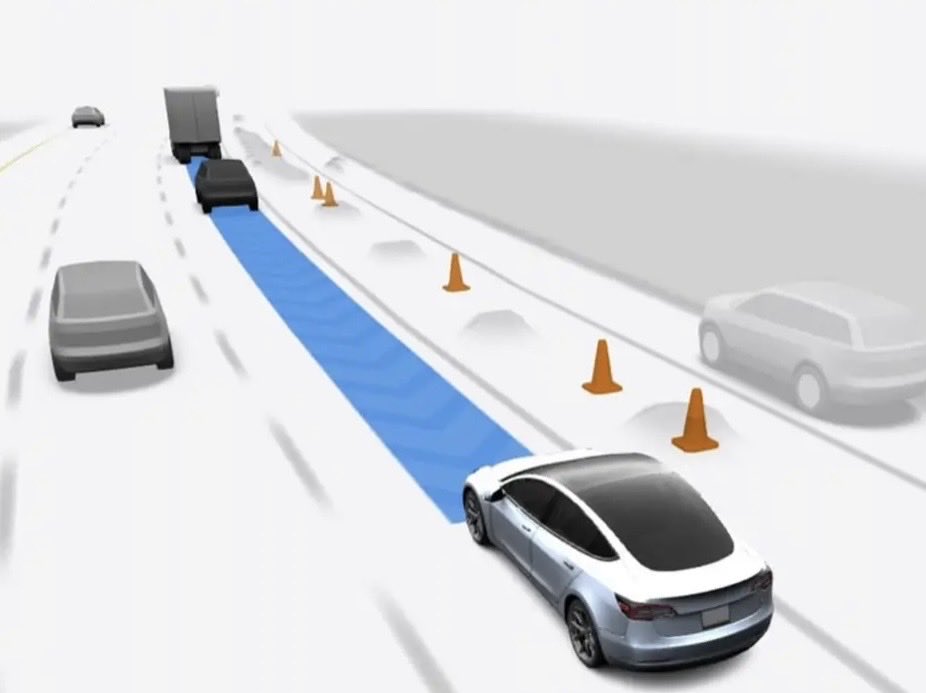
Escrevo como alguém que escolheu Portugal para viver. Tenho um pedido simples: tragam o Tesla FSD (Supervised) para Portugal.
A 10 de abril, os Países Baixos foram o primeiro país europeu a aprovar o sistema, depois de 18 meses de testes independentes da autoridade RDW. Em dois meses, a Lituânia, a Estónia, a Dinamarca e a Bélgica seguiram o exemplo. Nenhum destes países repetiu os testes. Reconheceram a homologação neerlandesa ao abrigo do quadro europeu (UN R-171) e aprovaram com base nos dados que já existem.
Os resultados falam por si: nos Países Baixos, cerca de 40.000 Teslas já percorreram 24 milhões de quilómetros sem incidentes relevantes, segundo a própria RDW. Os carros com FSD registaram 3,5 vezes menos colisões do que a condução manual.
E é aqui que isto deixa de ser sobre tecnologia e passa a ser sobre vidas. Só este ano já morreram mais de 220 pessoas nas estradas portuguesas, mais 25% do que no ano passado. Portugal está acima da média europeia na mortalidade rodoviária. A ANSR diz que as principais causas são humanas: velocidade, álcool, distração. Um sistema que nunca se distrai, nunca bebe e nunca adormece evita mortes que vão acontecer com condutores humanos. O próprio Governo chamou à sinistralidade uma chaga social. Esta é uma forma concreta de a combater.
Portugal pode fazer o mesmo que a Dinamarca e a Bélgica: o IMT analisa o dossier da RDW e aprova. Não custa nada ao Estado e coloca Portugal à frente da Alemanha, da França e da Espanha.
Há 500 anos, Portugal liderou o mundo numa nova tecnologia: a navegação. Partiu à frente de todos e deu novos mundos ao mundo. Portugal pode voltar a estar na fronteira de uma nova tecnologia e liderar como fez há 500 anos. Cada mês de espera custa vidas. Basta decidir.
Com admiração e respeito,
-@levelsio
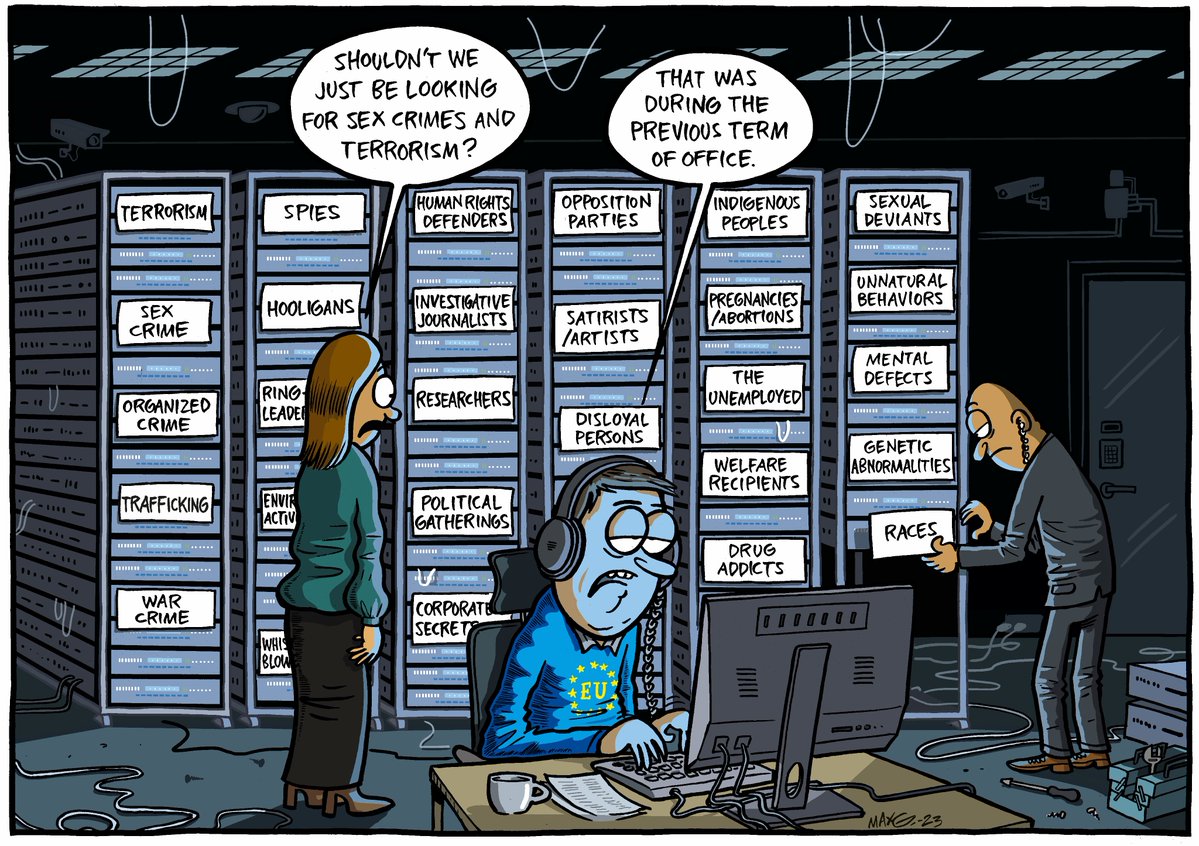
Chat Control 1 is back. Despite the European Parliament voting down the legislation twice this year, the Council of the European Union and parts of the Parliament today managed – through an urgent procedure – to extend it for another two years. The law was originally introduced as temporary legislation, so that its effectiveness could be evaluated. At the end of 2025, the European Commission itself concluded that it was not possible to determine whether the law had any measurable effect. Even so, it has now been pushed through.
Some of today's amendments could have stopped the law. And a majority of the voting MEPs wanted to do so. By a margin of 314-276, the Parliament voted to reject the proposal through these amendments. However, since it was an urgent procedure, 361 votes were required. As a result, the majority lost today and Chat Control 1 was passed. The urgent procedure was a dirty play by the Council and parts of the Parliament – it’s a procedure not meant to be used on legislation already rejected by the Parliament.
For now, Chat Control 1 will remain in effect. This means that tech companies may continue scanning communications without a warrant or suspicion.
However, the real battle is Chat Control 2. Unlike Chat Control 1, it would require all providers to scan communications, and to do so far more extensively than Chat Control 1 ever has.
Today is a dark day for freedom and democracy in Europe. General chat surveillance has been implemented in Brussels. A disgrace.
The so-called Chat Control 1.0 cleared a crucial hurdle in the European Parliament today. This means platforms may once again be allowed to scan private messages, officially on a “voluntary” basis, but in practice this marks the return of indiscriminate monitoring of private communication.
What makes this especially bitter is that a majority of the MEPs who voted were reportedly against it. According to Patrick Breyer, 314 MEPs voted against the regulation, 276 voted in favor and 17 abstained. And yet the rejection failed because it was not enough to have a simple majority of those voting. An absolute majority of all MEPs would have been required.
That is the democratic scandal.
When a majority of those present votes against a proposal and it still passes because a formal threshold is not reached, it does not feel like democratic decision-making to many citizens. It feels like a procedural trick.
And it becomes even more problematic when you look at the context: Chat Control had already been rejected before. Yet the issue was put back on the agenda shortly before the summer break, through an urgent procedure, at a time when absences could become decisive.
This is not just some technical regulation. It goes to the very core of private communication. It is about whether digital messages remain fundamentally private or whether platforms may systematically scan content again, without concrete suspicion, without a court order and without any individual cause.
A free society must not turn private communication into a potential surveillance zone. Anyone who takes digital fundamental rights seriously cannot accept millions of innocent people being placed under general suspicion.
Today, a dangerous signal was sent: fundamental rights can be hollowed out through procedural logic, timing and political tricks. Not through an open, clear and honest majority, but through a system in which absence effectively helps the supporters.
This is a dark day for Europe.
Not because the fight is over, but because today showed how easily digital fundamental rights come under pressure when surveillance logic, symbolic politics and institutional tricks come together.
Anyone who wants a free internet, anyone who wants to protect private communication and anyone who takes democracy seriously should talk about this.
Share this issue. Inform yourself. Look at who voted how. And never forget: freedom rarely disappears all at once. It disappears step by step, often in technical details, often in complicated procedures and often exactly when too few people are watching.
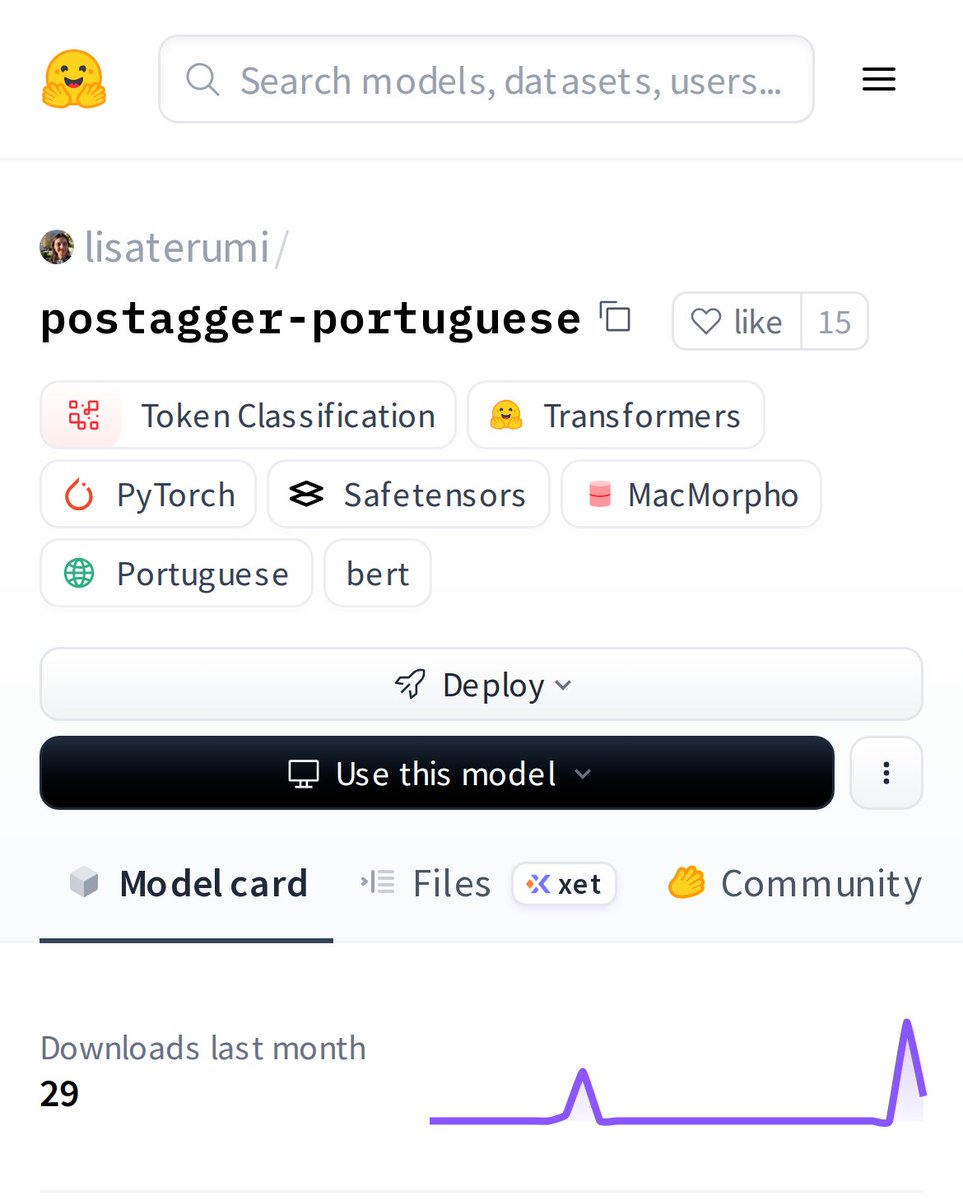
Meet the Portuguese language's new grammar detective. This BERT-based model specializes in Part-of-Speech tagging, automatically labeling each word in Portuguese text as nouns, verbs, adjectives, and more. It's a game-changer for NLP in Portuguese!
Another super impressive use case... Nano banana is killing the game 🥲 It's so luck to be a language learner in this era.
> Prompt:
Draw a detailed {{pet shop}} scene and label every object with English words.
Label format:
- First line: English word
- Second line: IPA pronunciation
- Third line: {Chinese} translation
@PGerschmann Twitter mi podsunął wpis, spodobały się mi przemyślenia. Też robię podobny eksperyment i widzę że dokładnie w tej samej lokalizacji 😀. Pozdrawiam