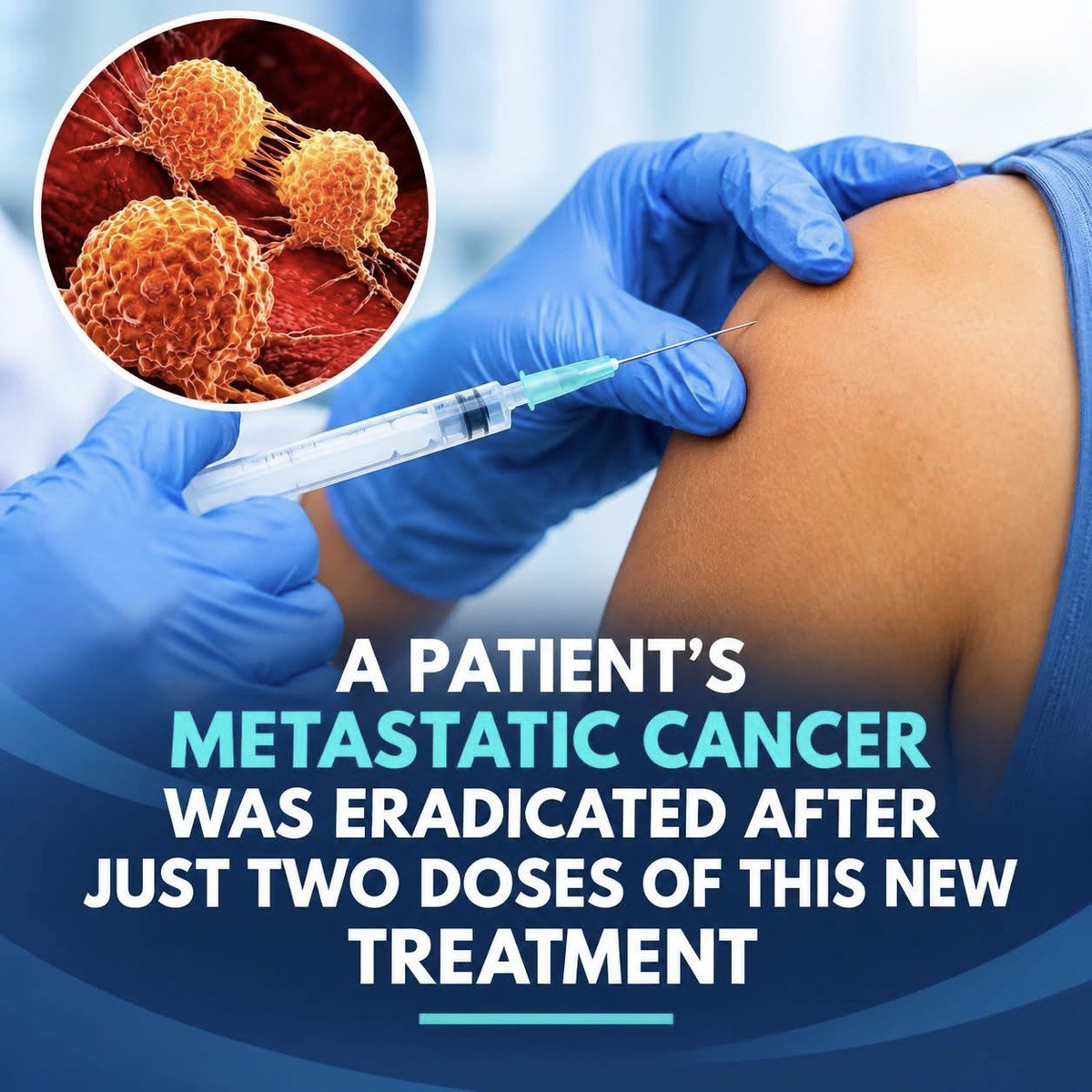
🧬 Doctors Reprogrammed a Child’s Immune Cells—and Something Remarkable Happened
A 3-year-old boy was facing metastatic hepatoblastoma, a rare childhood liver cancer that had spread to his lungs.
After chemotherapy and several surgeries, the cancer returned. Then researchers tried something very different.
They took the child’s own T cells and genetically modified them to recognize glypican-3, a protein found on many liver cancer cells.
The engineered cells were then given back to him through an experimental CAR T-cell treatment.
After the first infusion, doctors saw a partial response. Eight weeks later, he received a second dose.
Then came the remarkable part…
Follow-up scans showed no detectable tumors, apart from residual scarring. The reported follow-up found the child remained disease-free for at least 12 months.
But there is an important catch.
⚠️ This was an individual case from an early-stage experimental treatment. It does not mean CAR T-cell therapy can currently cure liver cancer, and larger studies are needed to know how safe and effective this approach will be for other children.
Still, the idea is extraordinary:
What if, instead of attacking cancer with only conventional treatments, doctors could teach a patient’s own immune cells to recognize and hunt it?
Source: National Institutes of Health. (2025). Case report of glypican-3-targeted CAR T-cell therapy in a child with hepatoblastoma.
We're giving away a CONTROL Resonant custom wrapped NVIDIA GeForce RTX 5080 to celebrate its official release with #RTXON.
To enter:
🟢 Share this post
🟢 Comment #RTXON
T&Cs: https://t.co/Mbf7w3j1q3
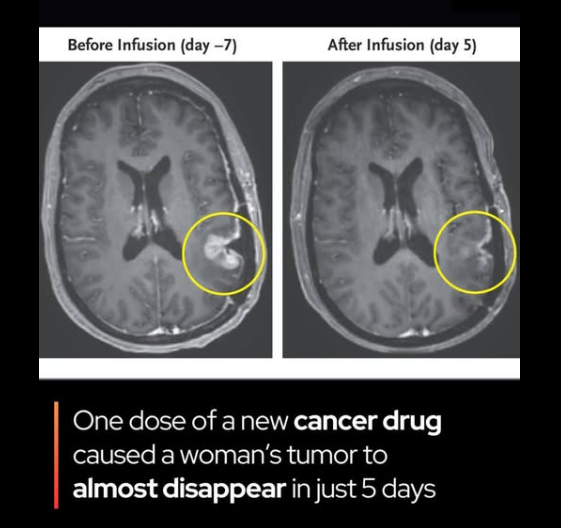
A single dose of a new cancer drug made a brain tumor almost disappear – in just five days.
Doctors at Massachusetts General Hospital reported “dramatic and rapid” tumor regression in the first patients treated with a next-generation form of CAR T-cell therapy for glioblastoma, one of the most aggressive brain cancers known.
The therapy, called CARv3-TEAM-E, was developed to overcome a major hurdle in treating solid tumors: their ability to hide from the immune system.
The personalized treatment reprograms a patient’s immune cells to attack the tumor, and in one extraordinary case, nearly eliminated the cancer within just five days. This novel therapy is designed to target multiple features of the tumor at once, a strategy that may help overcome the common challenge of treatment resistance in solid tumors like glioblastoma.
Although the tumors eventually returned, the early outcomes were described as unprecedented. One patient saw a 60% reduction in tumor size that lasted for half a year—an impressive result in a cancer known for its aggressiveness.
The trial’s success marks a major step forward for immunotherapy in brain cancer and raises new hopes for long-term control or even a cure. Researchers are now working to refine the treatment and extend its effects, with the ultimate goal of turning a once-terminal diagnosis into a survivable condition.
@ScholarshipfPhd A 12-page scholarship tracker that scores every application by award size ÷ effort ÷ days left so students know which one to open first.
Excel + Google Sheets:
https://t.co/IPBRV2LD4R
@rosemoni18 A 12-page scholarship tracker that scores every application by award size ÷ effort ÷ days left so students know which one to open first.
Excel + Google Sheets:
https://t.co/IPBRV2LD4R
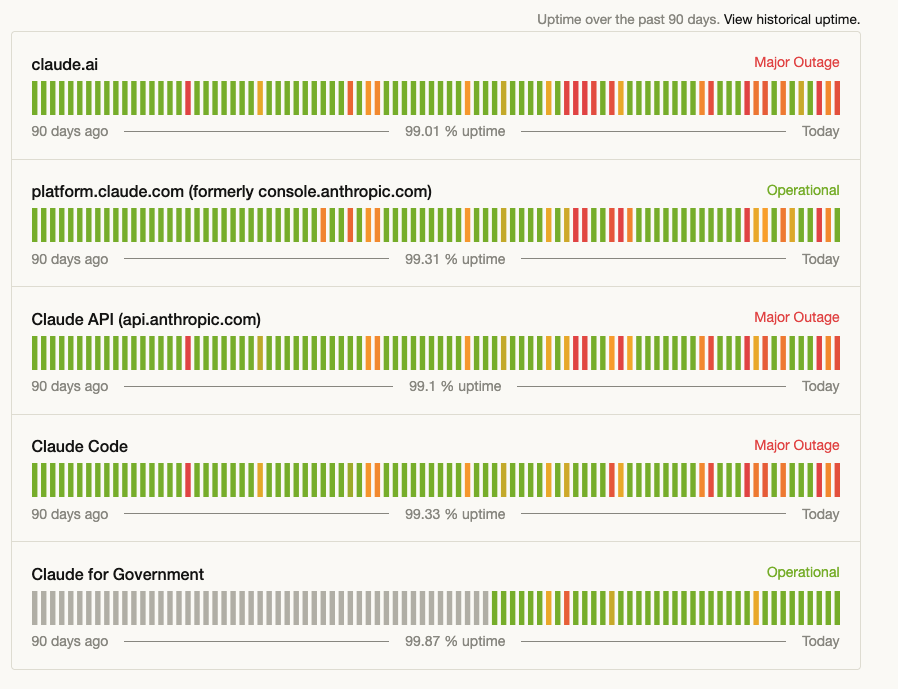
@bridgemindai I think new model Mythos may have taken over Anthropic’s infrastructure, shutting down Opus and other models to use all the available compute power.
@Moonknight7448 In Islam, rape is a grave sin and a serious crime. It carries severe punishment under Islamic law, which can include the death penalty depending on the case. Please verify the facts before commenting.