Most of Life’s Problems Are Not Meant to Be Solved
I’ll tell you this: the biggest mistake of the first half of my life was always trying to "fix" everything completely. I later discovered that the vast majority of life’s difficulties are not meant to be solved; they are meant to be endured and lived with.
When I was young, I had this obsession. I believed that everything had an optimal solution—a perfect answer. I thought if I were just smart enough, worked hard enough, and invested enough time, I could find that one "correct" path and settle things once and for all.
Whether it was a project at work or friction in a relationship, I approached everything like a math problem. I tried to analyze every variable, weigh every pro and con, and design a flawless plan. I expected the world to run precisely according to my script. Whenever there was a slight deviation, I would feel an overwhelming sense of defeat and anxiety.
It wasn't until later that I realized this "problem-solving mindset" is itself a massive drain on one's inner energy.
Life is not mathematics; it is fluid, chaotic, and full of variables. Many things simply do not have a "perfect resolution"—there is only a "temporary balance."
Take your anxiety, for example: the more you try to "solve" it, the more it becomes a black hole that swallows you whole. What you need to do is not to eliminate the anxiety, but to live your life while carrying it. Or consider a broken relationship: some cracks simply cannot be mended. You can only accept the imperfection and keep moving forward.
Ultimately, this life is a continuous process of shaking hands and making peace with our own helplessness.
We didn't come into this world to pass one exam after another; we came to experience one encounter after another. The things you can't fix, the people you can't keep, and the regrets you can't erase—these are all fundamental parts of life.
When you stop being obsessed with "fixing" everything and instead learn to "hold" everything, you will find that the tense, combat-ready state of mind disappears. You begin to loosen up; you begin to expand.
As it turns out, true strength is not the ability to solve problems, but the inner stability to coexist with them.
Mathematics.
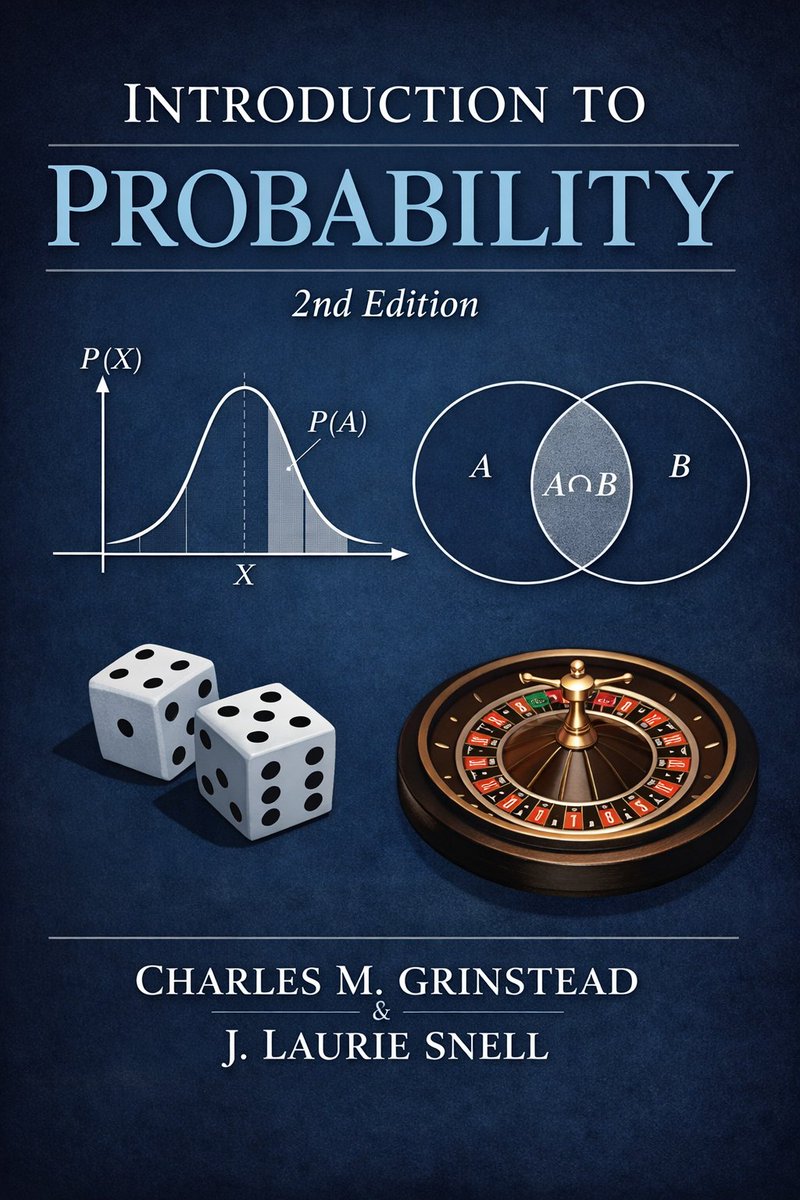
Free book PDF. "Introduction to Probability," 2nd edition, by Charles M. Grinstead and J. Laurie Snell.
"Probability theory began in seventeenth century France when the two great French mathematicians, Blaise Pascal and Pierre de Fermat, corresponded over two problems from games of chance. Problems like those Pascal and Fermat solved continued to influence such early researchers as Huygens, Bernoulli, and DeMoivre in establishing a mathematical theory of probability. Today, probability theory is a well-established branch of mathematics that finds applications in every area of scholarly activity from music to physics, and in daily experience from weather prediction to predicting the risks of new medical treatments."
Link: https://t.co/JxZlnwr6Gi
today is feb 19, 2026
gold price: $5,007
btc price: $66,839
gold mcap: $34.811T
btc mcap: $1.336T
btc mcap / gold mcap = 3.8%
save this. remember this day.
let’s check back in 4 years.
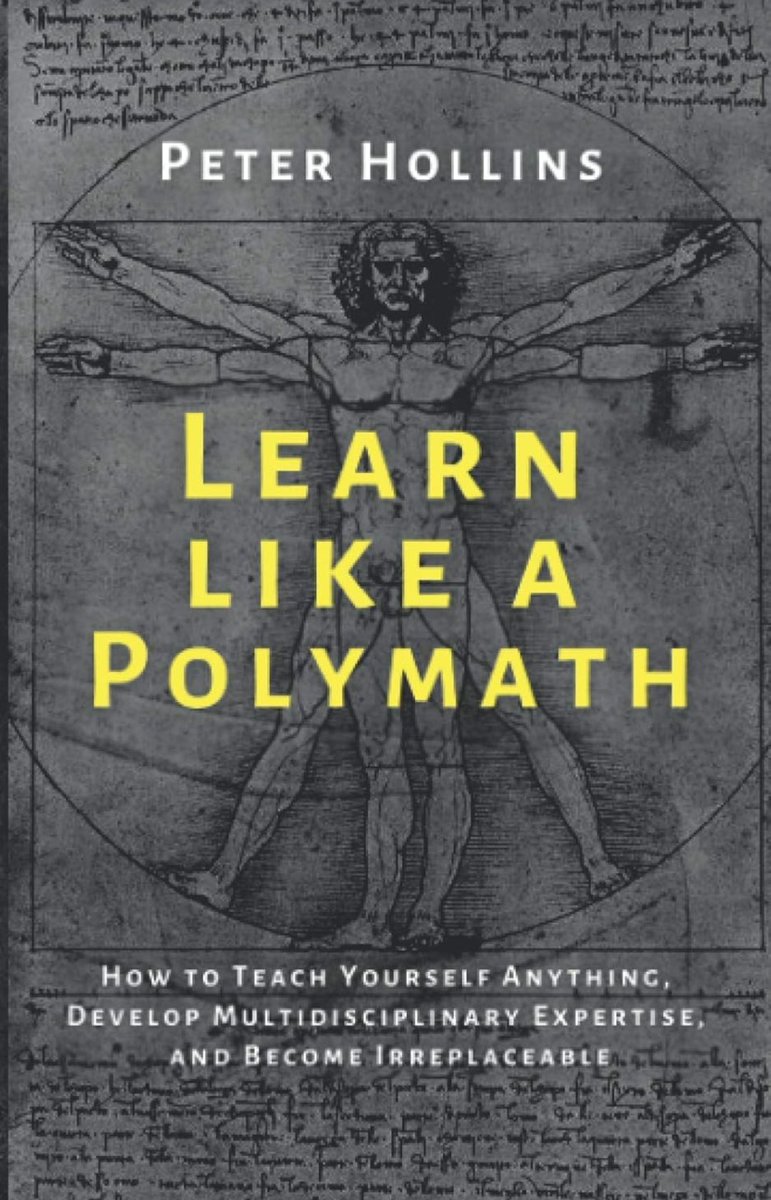
this book is for people who refuse to stay in one lane.
> this book breaks down how to teach yourself fast, connect disciplines, and build rare, cross-domain leverage instead of shallow expertise.
a framework for building range without losing depth.
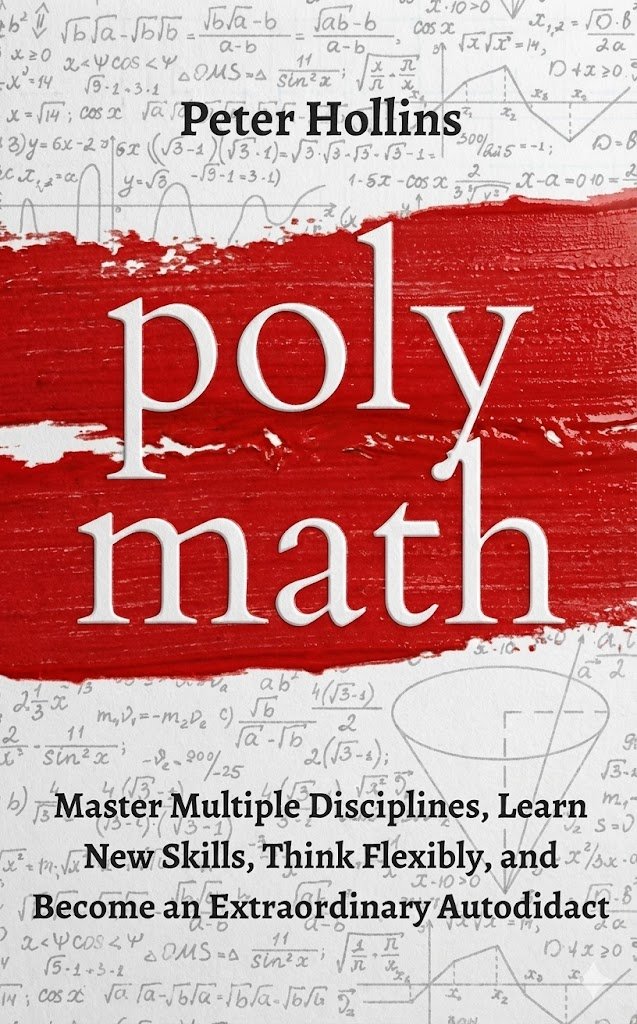
> this book breaks down how to learn across disciplines, acquire skills fast, and think flexibly without becoming scattered.
> written for serious autodidacts
Subconscious Fact of the Day:
Repetition is how your mind learns. Not motivation. Not inspiration. Repetition. Do something consistently, and your subconscious accepts it as truth. That's how you reprogram.
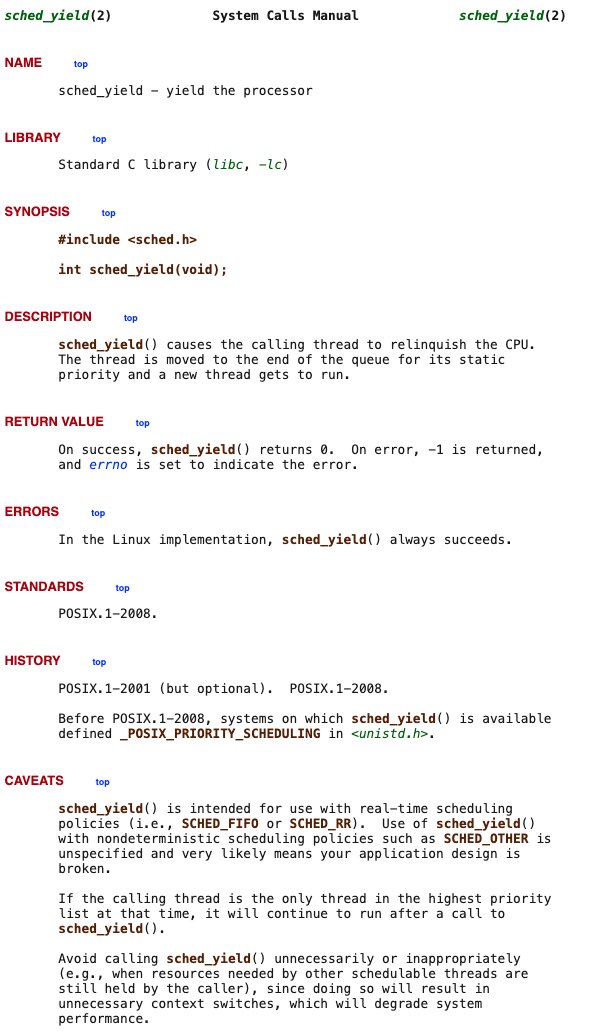
Your music software has 5 milliseconds to process an audio buffer. Miss that deadline? You hear a crackle.
This is why Linux has real-time scheduling. And syscall sched_yield (#24 on x86_64) is how real-time threads politely share the CPU.
Let's talk about it. 🧵👇