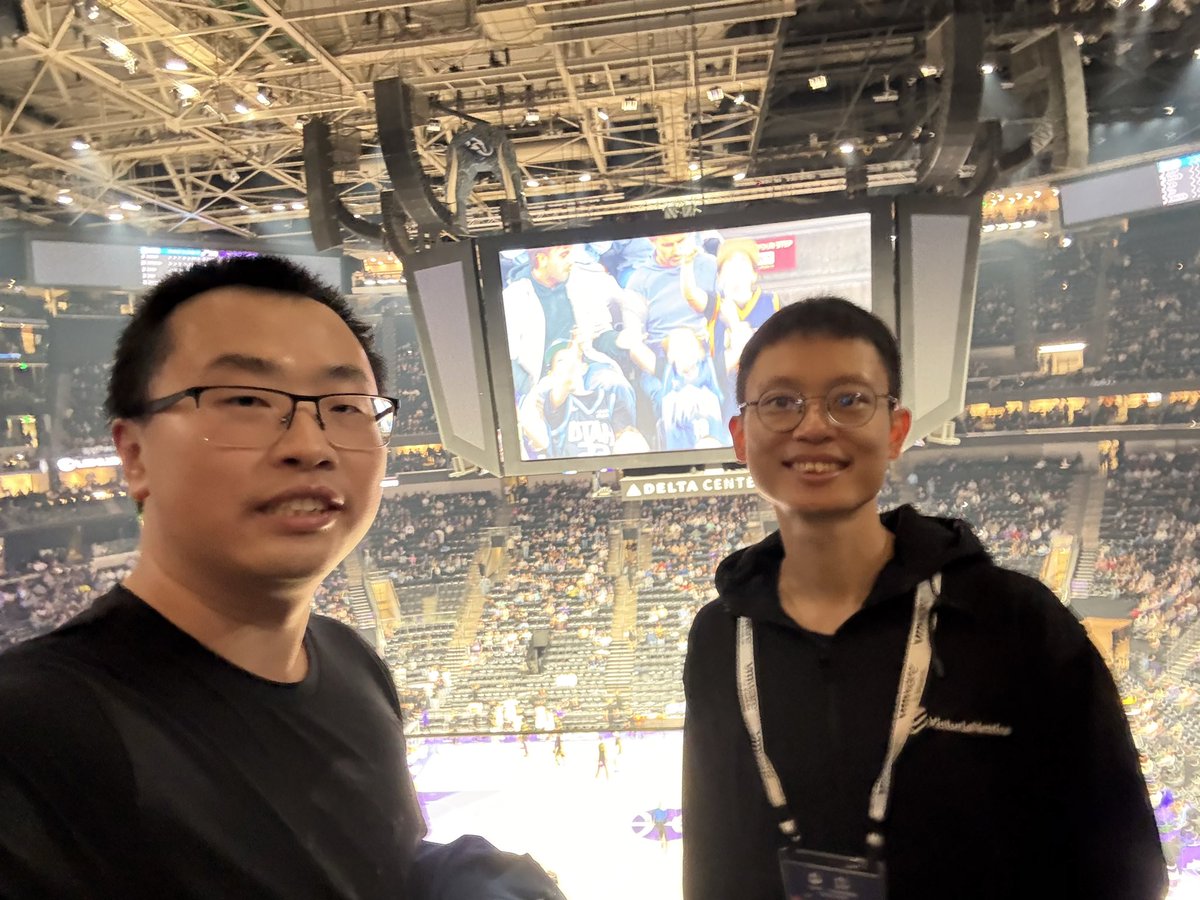
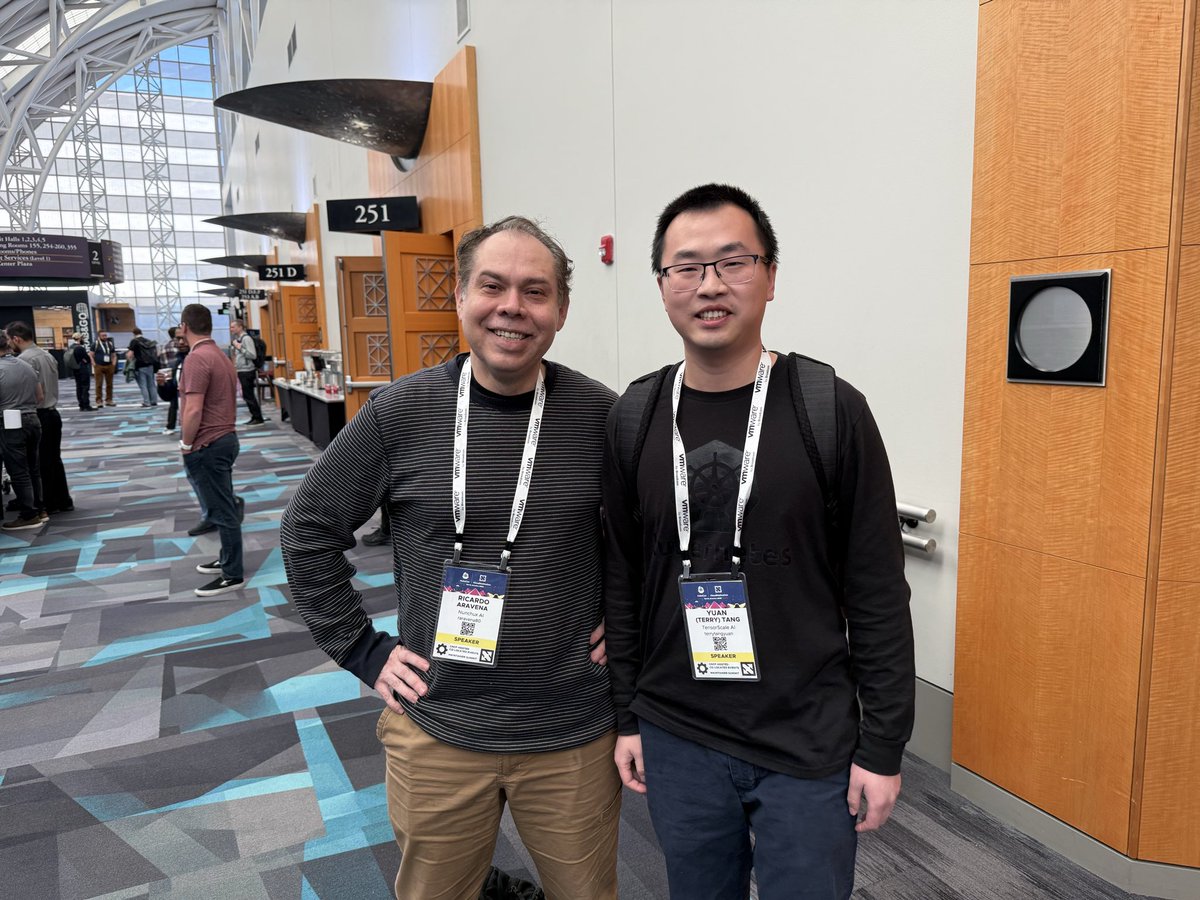
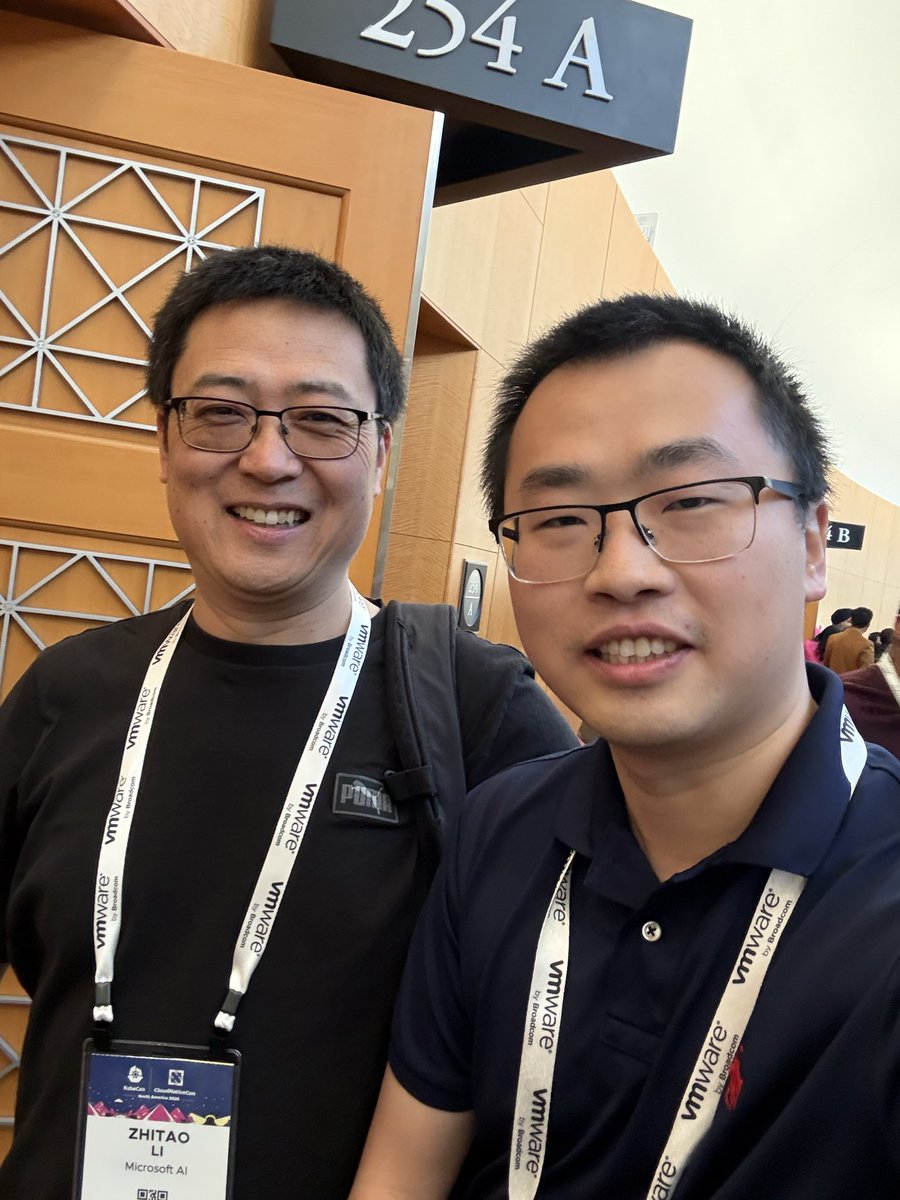
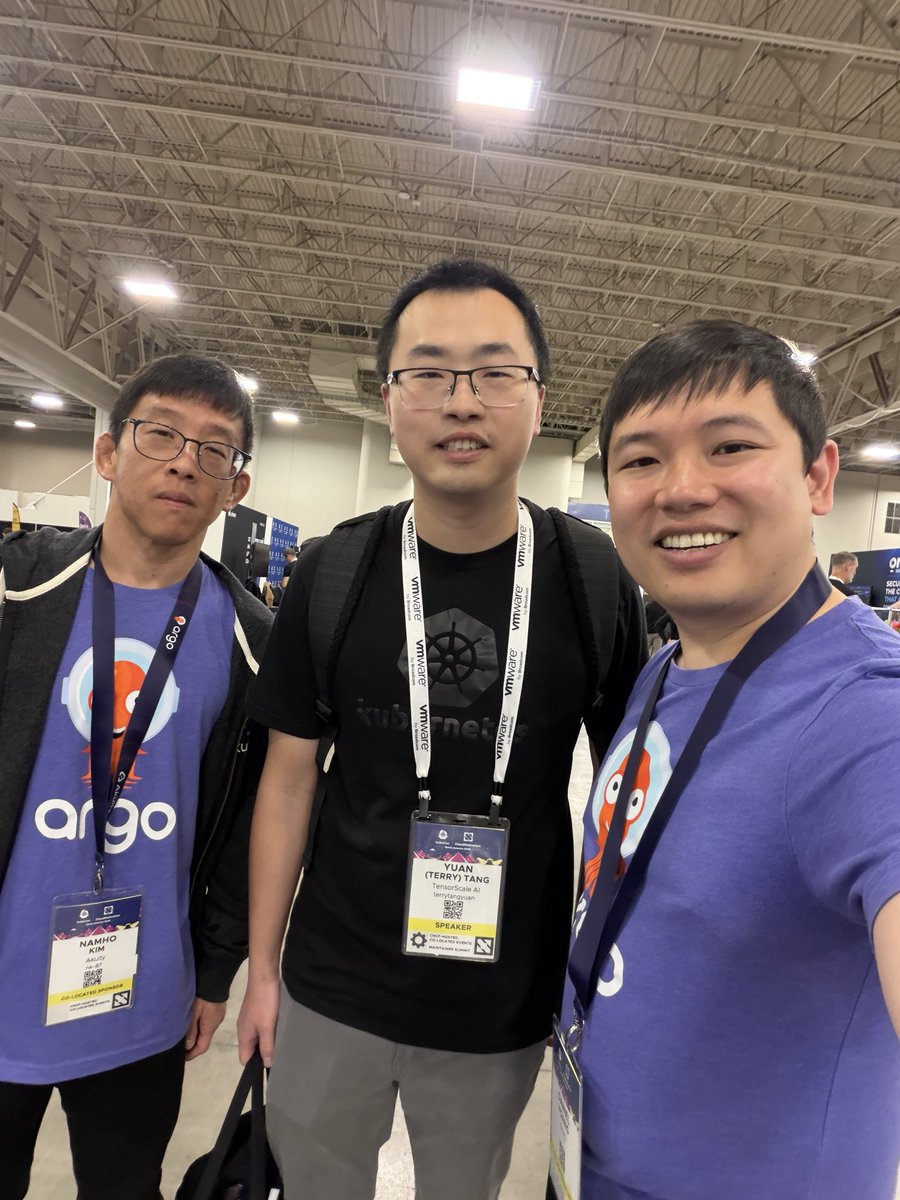
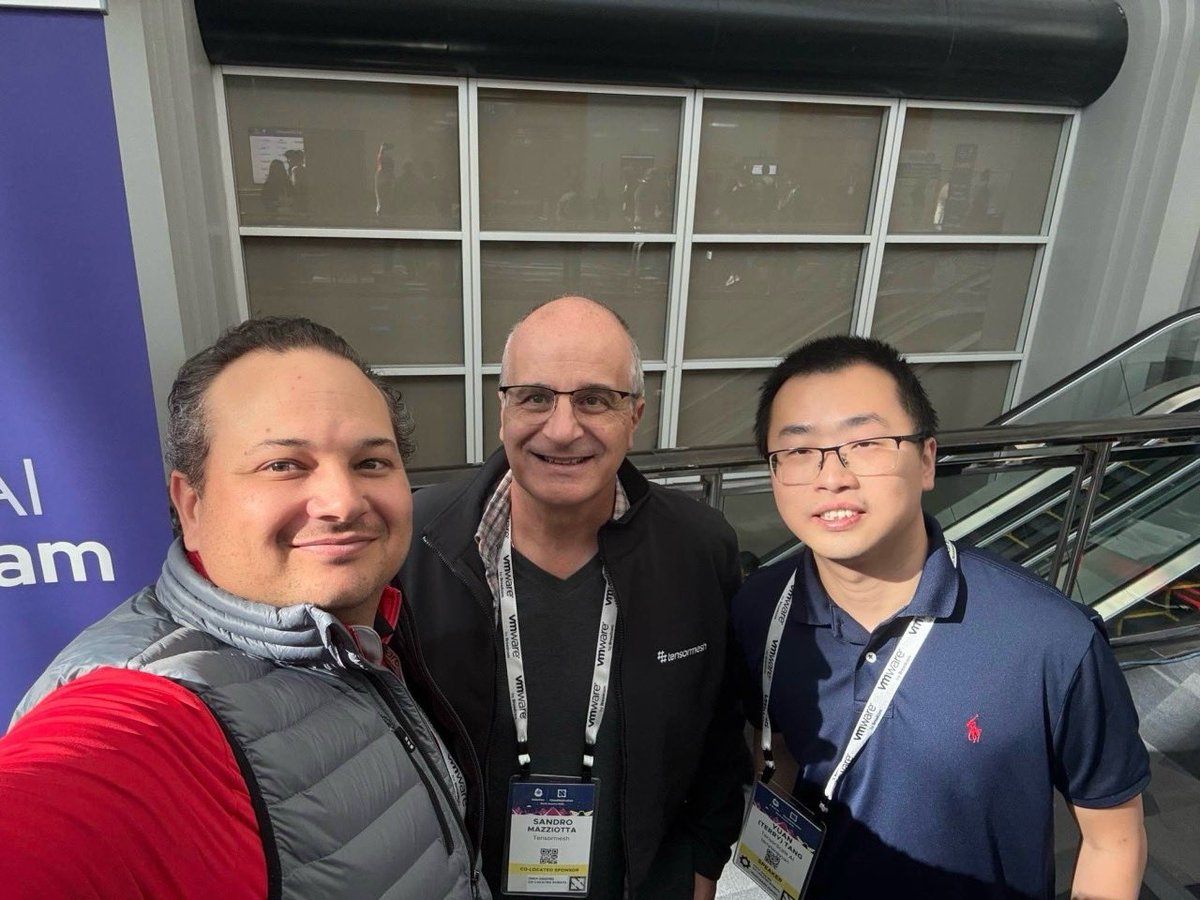
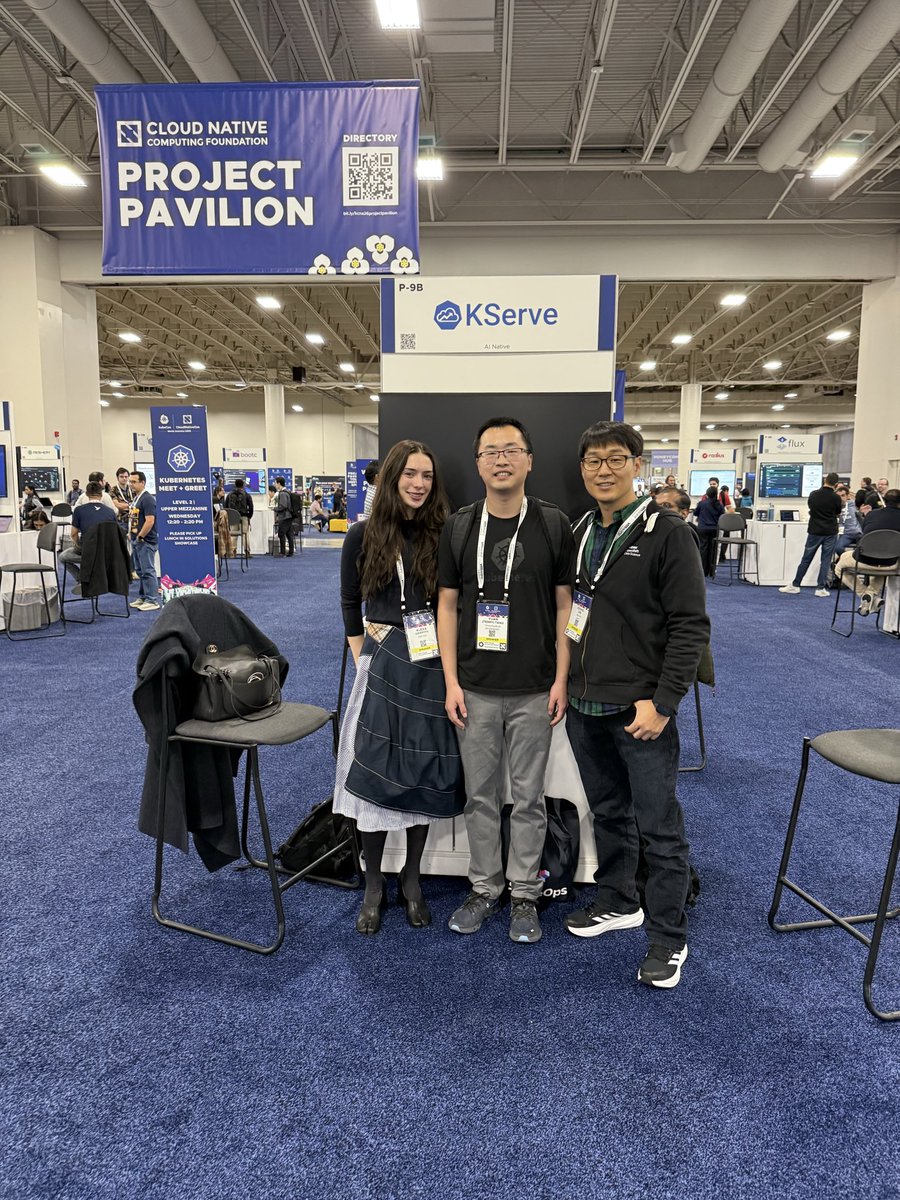
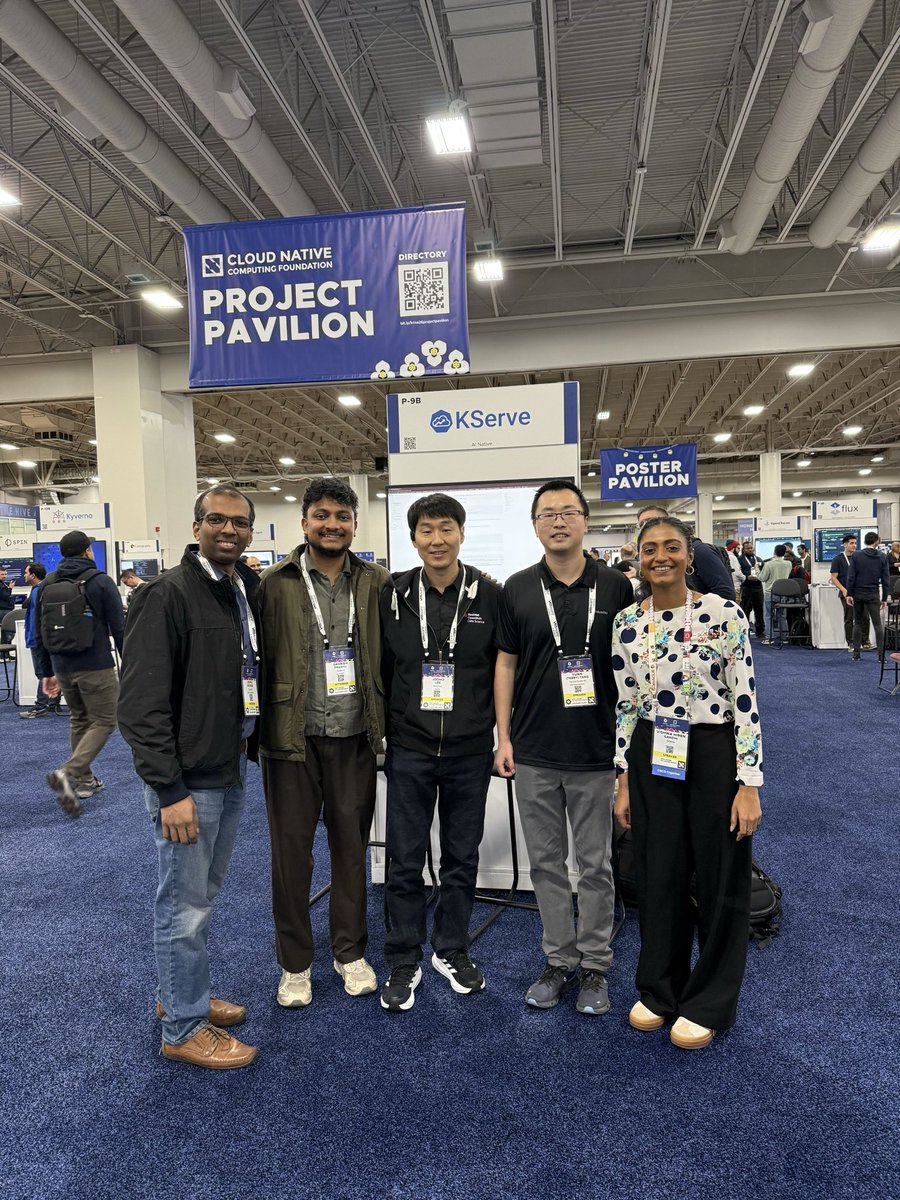
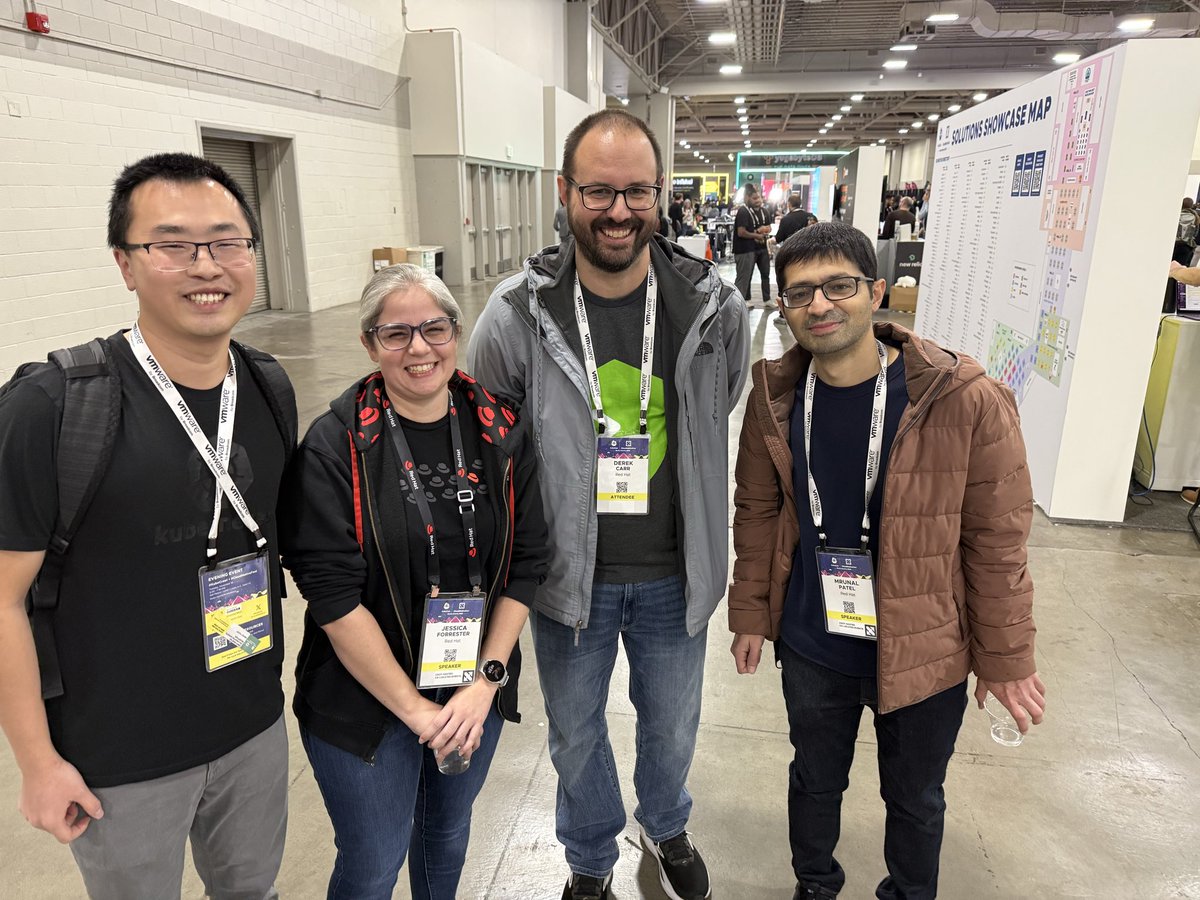
That’s a wrap for KubeCon NA 2026! It’s great to catch up with longtime friends and collaborators as well as getting to know more folks from the community!
It was a pleasure to help organize the Cloud Native AI and Inference Day with Rajas Kakodkar and Yuzhui Liu. We had an amazing line-up of speakers and sessions. Highly recommend checking out the recordings once they are available!
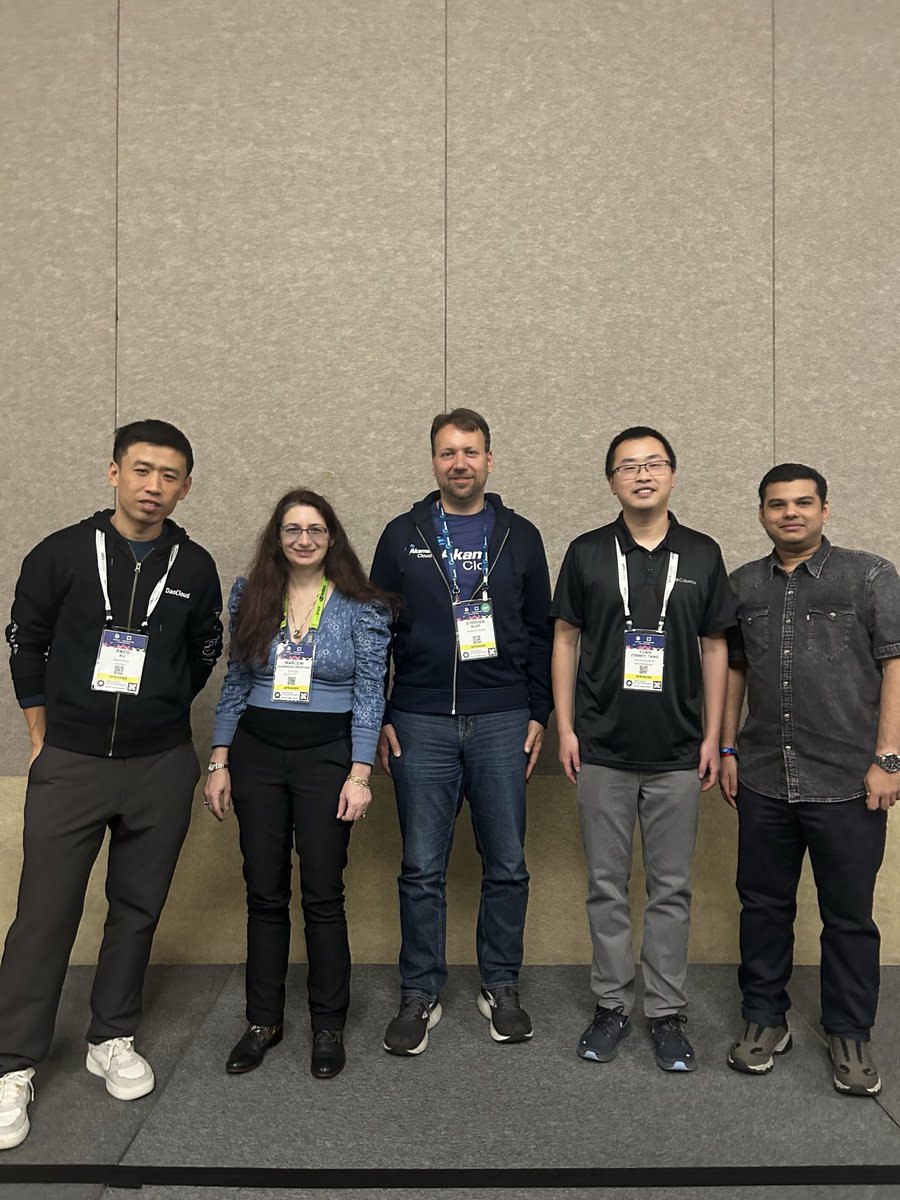
Together with Stephen Rust, Marlow Warnicke, Rajas Kakodkar, and Paco Xu, we provided an overview of some of the amazing work the CNCF TAG Workloads Foundation community has been working on.
Until next time!
Start of #KubeCon week: legs first, brain cells next! 🥾🏔️
As 3 CNCF Ambassadors, @zig_max, Mathieu, and I decided to warm up on The Living Room Trail and test a new concept: sharing our cloud native activities, talks, and projects on the move.
@CloudNativeFdn@linuxfoundation
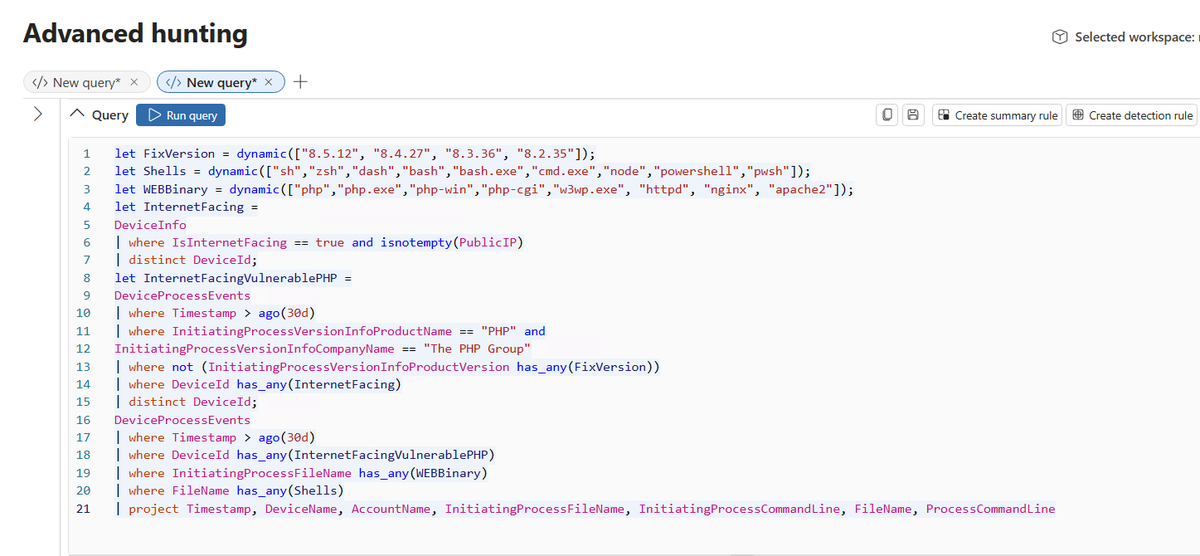
𝗛𝗶𝗴𝗵-𝗙𝗶𝗱𝗲𝗹𝗶𝘁𝘆 𝗽𝗵𝗽𝟮𝘀𝗵𝗲𝗹𝗹 𝗞𝗤𝗟 𝗗𝗲𝘁𝗲𝗰𝘁𝗶𝗼𝗻 🔎
With php2shell exploitation picking up, I’m sharing a high-fidelity KQL detection to help fellow MDE defenders hunt for potential exploitation.
Rather than broadly hunting for shell activity, this query focuses on:
• Internet-facing endpoints
• Potentially vulnerable PHP versions
• Shell processes spawned by PHP worker processes
This combination helps narrow the hunt to higher-signal activity and gives defenders a more focused starting point for investigation.
KQL Code: https://t.co/eXwBFasnuK
#ThreatHunting #php2shell
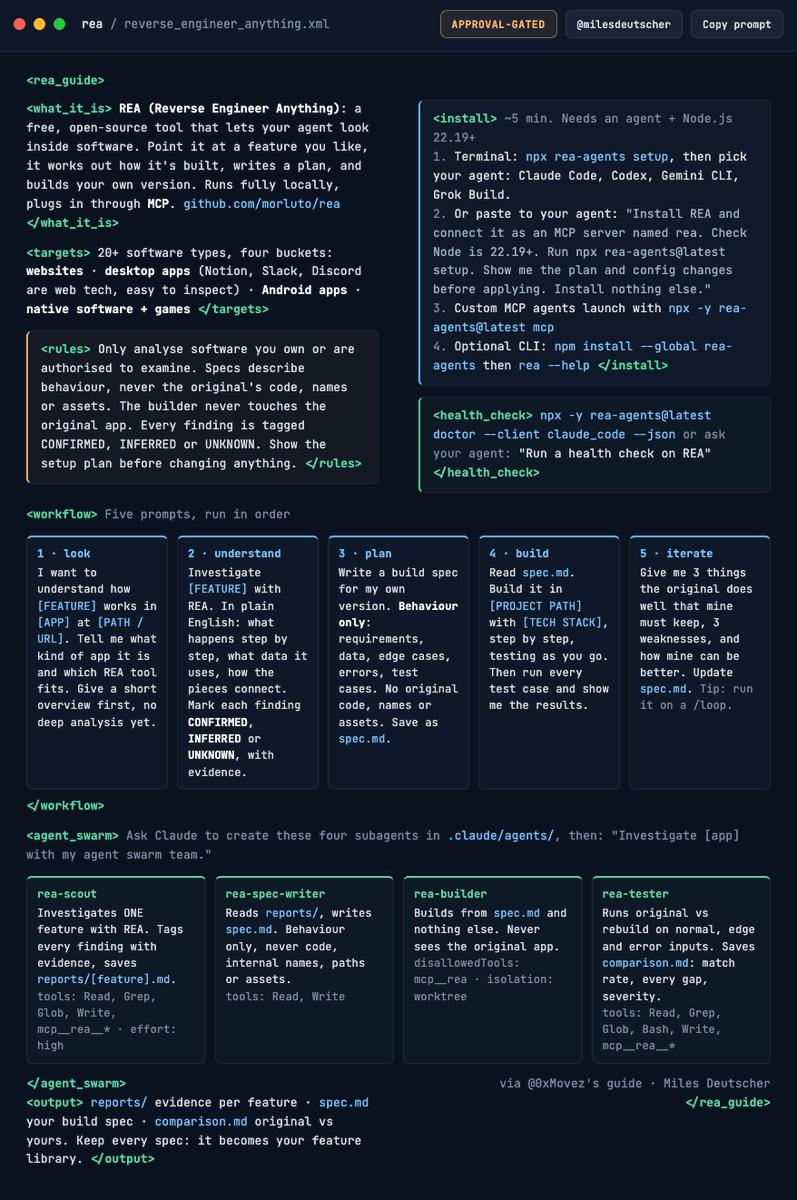
REA (Reverse Engineer Anything) is the most powerful GitHub repo I've ever used.
It's basically a legal way to hack websites and apps and steal their features; I've never seen anything like it.
If you inject this prompt into Claude, it will reverse-engineer anything.
Steal this:
Crazy cool blog I saw on linkedin about an SMB signing bypass technique
TLDR: SMB re-auth reuses the original signing key and never checks the new identity matches the old. So you sign a session as a low-priv account you control, re-auth it with a relayed privileged login, and get a privileged session still signed with your original low-priv key, which btw is accepted even where signing is required, with DCs included.
https://t.co/G3MWUMfA0f
Cloudflare lance Quick Tunnels : une commande transforme votre localhost en URL publique chiffrée sur son edge. Pas de compte, pas de DNS, aucun port ouvert. Connexion sortante uniquement, TLS et filtrage DDoS inclus, tunnel éphémère qui meurt avec le process. ⬇️
Google Brain founder Andrew Ng:
"Prompting will be dead in 6 months
Agent harnesses built with loops and graphs will replace it"
Agent → Harness → Feedback → Loops → Graphs → Self-Improving Systems
In this 1-hour Stanford lecture, he explains what the best engineers are building instead and how you can start today
Prompt → Run → Verify → Improve
The first 20 minutes teach what most $1,500 courses try to sell you
For free
Bookmark and watch it today
Then read the guide below on building an agent harness that improves itself
awesome-ai-security-tools: A curated list of public-source, research, and commercial tools for AI security and AI-assisted cybersecurity — autotriage, agent security, AI/ML supply chain, pentest agents, AI SAST, LLM-driven fuzzing, threat intelligence, SOC/SIEM triage, reverse engineering, LLM red-teaming, and more.
https://t.co/eE90QDt9qe
Train your own LLM from scratch!
A step-by-step repo that walks you through building and training a transformer model from scratch using PyTorch. From downloading training data all the way to generating text.
The architecture is built from the ground up following the original "Attention is All You Need" paper. MLP, single head attention, multi-head attention, transformer blocks, and the full transformer model - all coded and explained with detailed diagrams at each step.
Training data comes from The Pile - a diverse 825GB open-source dataset covering books, articles, code, websites, and more. The repo includes scripts to download it, preprocess and tokenize it using tiktoken, store it in HDF5 format, and feed it into training batches.
You can train a 13M parameter model on a single Colab T4 GPU. At 13M parameters the model starts generating proper grammar and coherent short sentences. For billion-parameter training you need at least an A100 or RTX 4090. The repo includes a full GPU compatibility table so you know exactly what's possible on your hardware.
Includes a complete SFT and RLHF guide as a separate notebook for taking your trained model further.
Key capabilities:
• End-to-end pipeline: data download → preprocessing → training → text generation
• Full transformer implementation from scratch with PyTorch
• Trains models from 13M to 2B+ parameters on a single GPU
• Training data from The Pile (825GB, 22 diverse datasets)
• Tokenization via tiktoken (r50k_base)
• SFT and RLHF guide included
100% open source.
I've shared the link in the replies!
Cloudflare a publié une skill très complète d'audits de sécurité pour agents en 6 phases.
C'est celle qui a servi de base à leur système interne de détection de vulnérabilités. L'agent qui vérifie une faille n'est jamais celui qui l'a trouvée. ⬇️
We escaped Docker's hypervisor with three lines of bash. CVE-2026-77179: A container gets complete read and write access to the host filesystem.
When you mount a folder into a container, Docker's VMM uses virtio-fs, and the file server runs on the host.
Because of a TOCTOU bug, if a container opens a file, deletes it while holding its file handle open, and replaces the parent folder with a symlink, the kernel will follow the symlink to anywhere on the host.
Full technical breakdown:
https://t.co/jwsc5aozru
Keycloak is vulnerable to a critical unauthenticated account takeover (CVE-2026-18963)
I reproduced the bug locally; interesting one (power of LLM, I think)
https://t.co/hBuQe28aEm