The sheer scale of a trillion dollars can be hard to comprehend. Let me put it in perspective. You would be able to buy 42 miles of high speed rail in California with that much money.
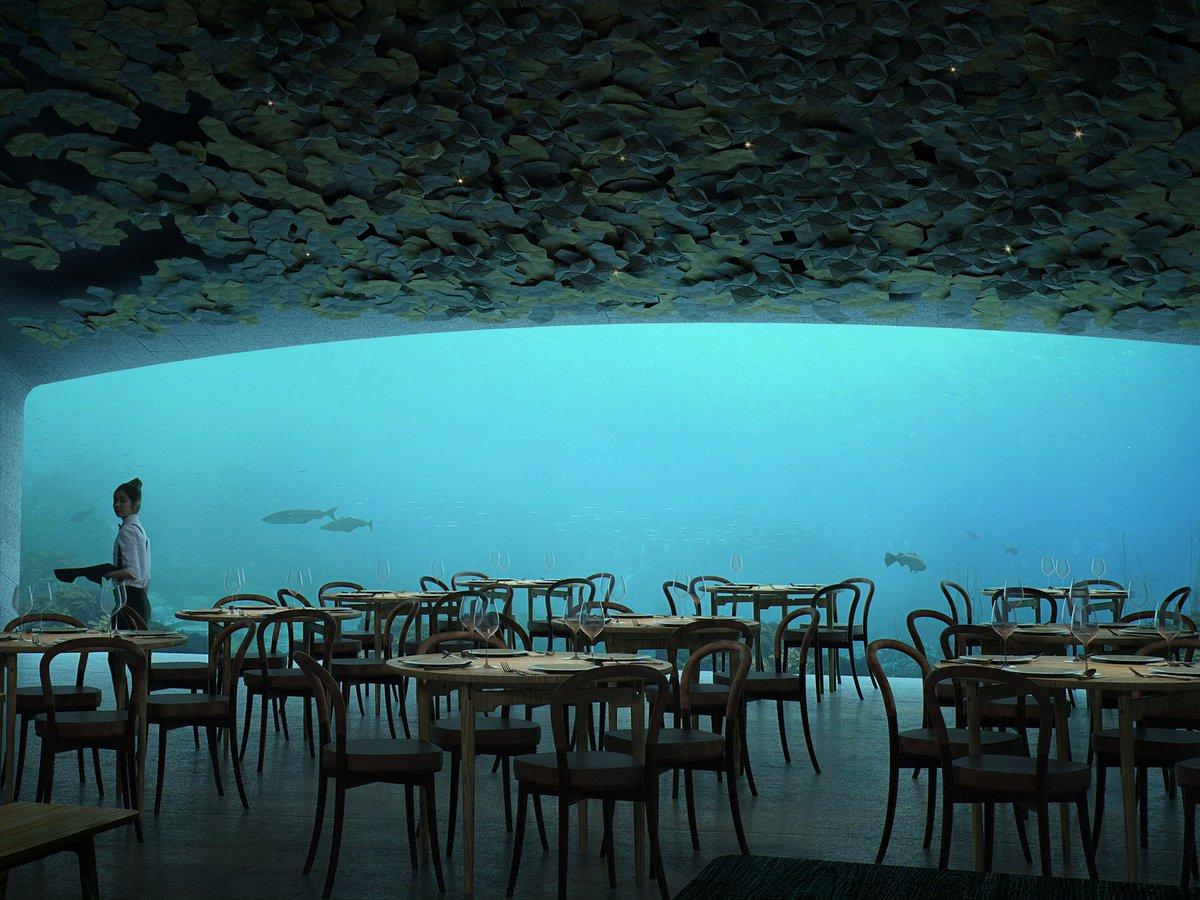
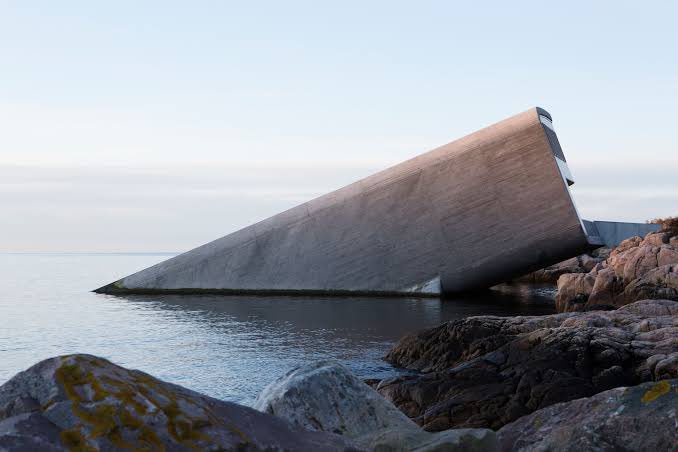
There’s an underwater Michelin-starred restaurant in Norway built 18 feet beneath the sea.
It’s the world’s largest underwater restaurant.
Guests eat a 22-course menu for ~$400 while making eye contact with jellyfish.
The building is designed to survive storms and doubles as an artificial reef for marine life.
We need more weird shit like this in America.
Activist: "Your cows are putting carbon into the atmosphere."
Farmer: "Where did they get it?"
Activist: "What?"
Farmer: "The carbon. Where did the cow get it before it put it anywhere."
Activist: "From... eating?"
Farmer: "From eating grass. And where did the grass get it."
Activist: "The soil?"
Farmer: "The air. The grass pulled it out of the air last spring. The cow ate the grass. The cow breathed some of it back out. It went back into the air it came from."
Activist: "But it's still going into the atmosphere."
Farmer: "It's going back. There's a difference between a thing going somewhere and a thing going back. You've described a circle and you're frightened of it."
Activist: "Then just don't have the cow."
Farmer: "The grass still dies in autumn. It rots where it falls. The carbon goes back into the air either way, just without anyone getting fed in the middle."
Activist: "It's not that simple."
Farmer: "It's grass, cow, breath, grass. Or it's grass, rot, air, grass. Same circle, fewer dinners. If that's complicated for you I'd stay away from the water cycle. That one's got clouds in it."
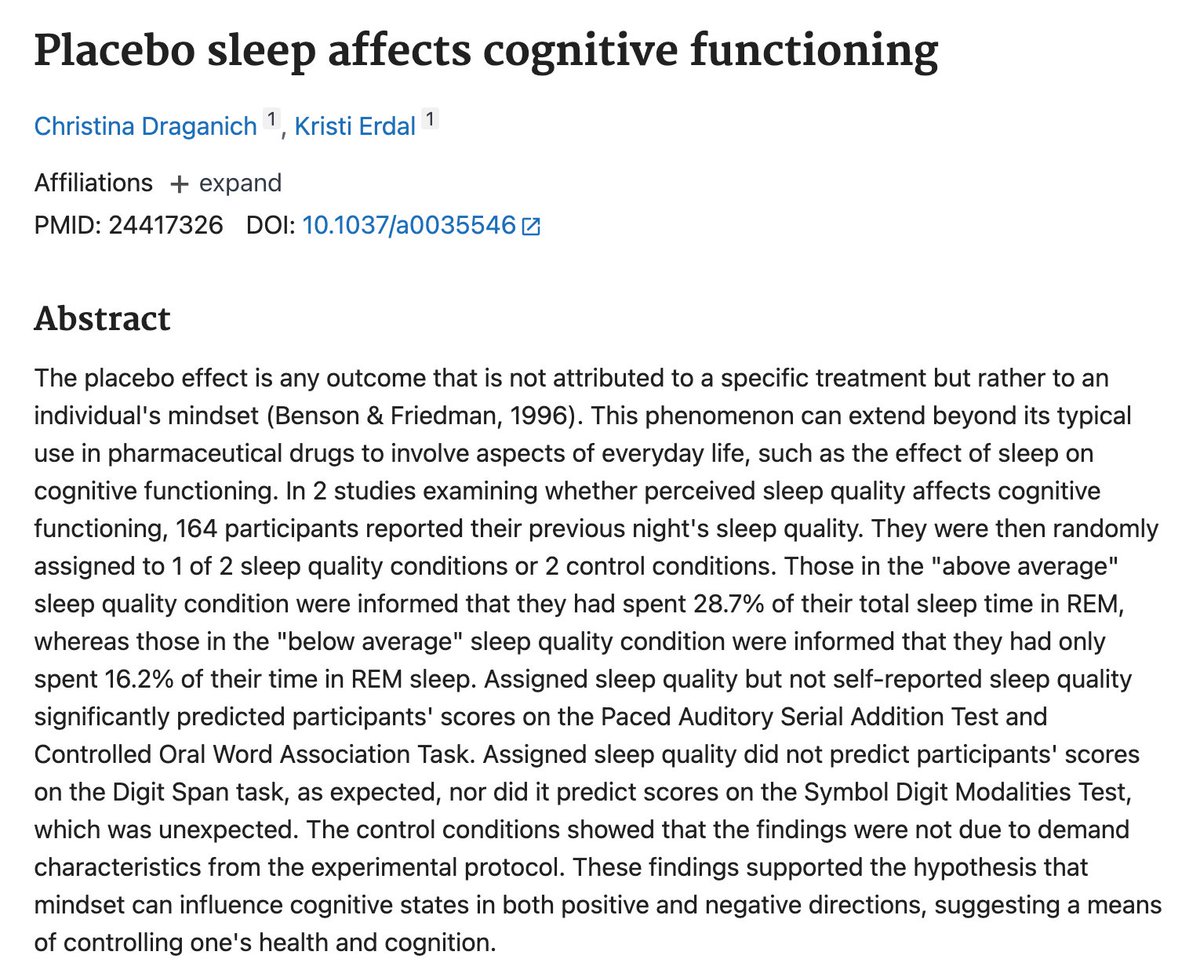
Veronika Job at Stanford found that believing hard work recharges you actually makes it recharge you.
She gave people a questionnaire after a tough task. The ones who said recharged performed better on the next one. The ones who said drained performed worse.
The task was identical. The belief was not.
I think about this every time I want to quit after something hard.
I spent a week in Northern California. Here's my review:
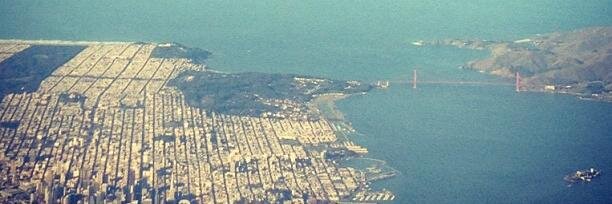
1. San Francisco (2 Days)
This was my first time visiting SF as an adult. I'd been when I was 10 years old but that doesn't count (although Alcatraz was pretty sick). I had my expectations low, which is key to any first time experience, but can also be tricky. For example: the first time I saw Hot Tub Time Machine, I thought it was the funniest movie I'd ever seen. Had no expectations. Took my wife to see it after hyping it up, and she did not think it was the funniest movie she'd ever seen. I set her expectations too high.
I thought SF was cool. Could I live there? Eh. I'm not sure I could ever get used to those hills, but they are super unique to any other American city. Being right on the Bay is pretty badass. The people were friendly and the service was good. I prefer the SF vibe over the LA vibe. Less pretentious and “douchey” for lack of a better word. Also much cleaner than I expected. Someone told me they got a new mayor who's done a good job, or maybe there was a big push during SB. Either way, not the zombie apocalypse you might think from watching the news.
My first Waymo ride was fun. Kinda creepy how all the billboards in SF are about AI. Def think it will be the first city where robots outnumber humans when the time comes.
2. Yosemite (3 days)
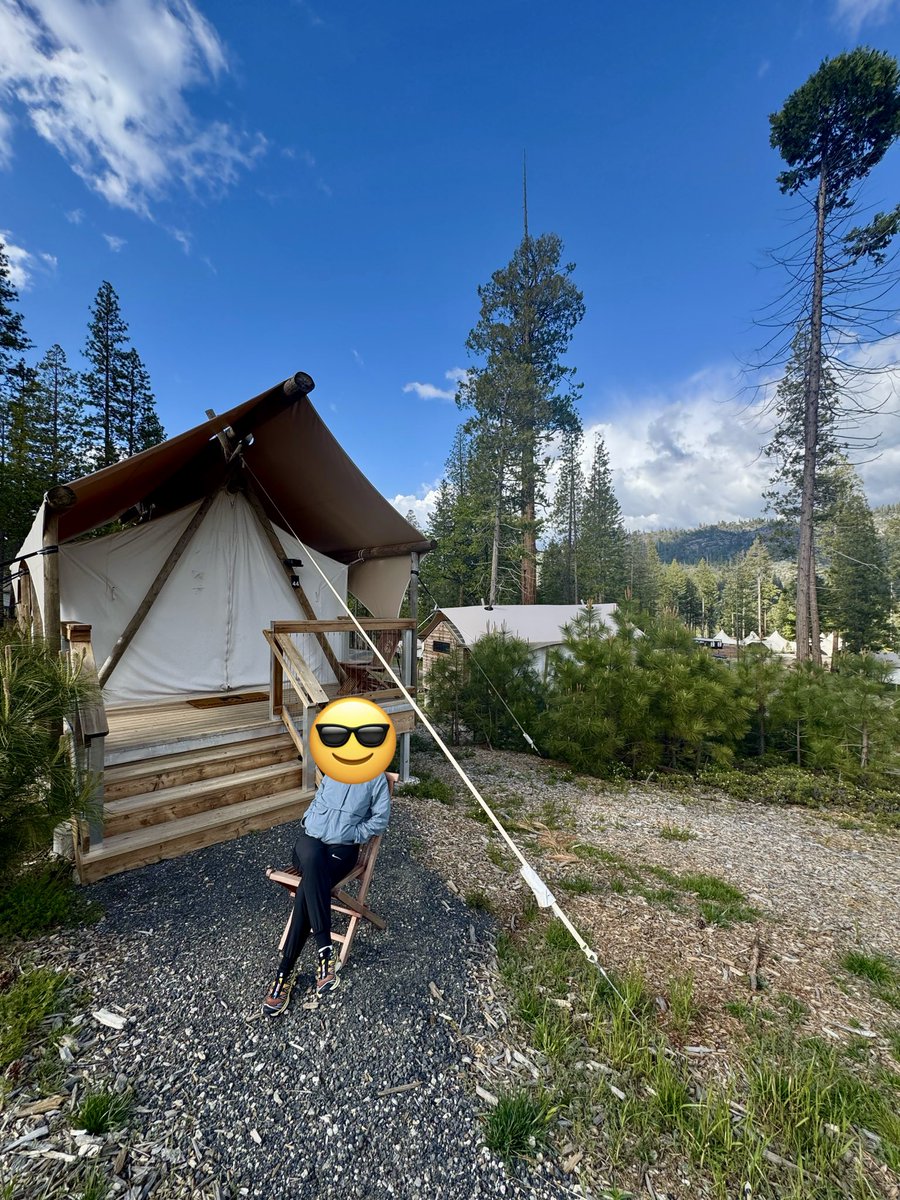
My wife and I love the outdoors but we aren't necessarily outdoors people, if that makes sense. The only way you can get me to camp in the wilderness is with something they call "Glamping" and that's what we did. Highly recommend Under Canvas which just opened their Yosemite location. These tents were awesome, and the food was fucking fantastic.
We checked out El Capitan, Tunnel View, some Sequoia trees, hiked the Vista Trail and Hetch Hetchy. Not super touristy which was great. I've heard Yellowstone gets absurdly packed. Could have been the time of year as it was a little cold. This was our second National Park visit and I thought it was perfect for beginners like us.
3. Napa (3 days)
This place is gorgeous. I was blown away at how nice of a drive it was (3.5 hours) from Yosemite to Napa. You'd be in flat farmlands that felt like the middle of Kansas, then an hour later be surrounded by mountains and vineyards. Someone told us California is responsible for making 70% of the country's produce. I now believe that.
I'm not the biggest wine guy but I like wine. Drank it a lot more before I started getting bad acid reflux. I don't think you need more than 2 days in Napa if you're just a casual wine drinker. The experience overall was great though. Enjoyed the tastings and scenery at every stop. There's only so much red wine I can drink during the day before I need a nap. The town could use an emergency cocktail bar nearby serving Whiskey Cokes and cigarettes to keep you going. Oh and you didn't ask but my favorite winery was Alpha Omega. We bought a few bottles there because they don't sell anywhere else. Pretty cool.
Overall I'm left coming away with this impression: Northern California fucking rocks.
I can't believe I was not familiar with its game. The people are chill. The scenery is stunning. The weather is lovely. As an East Coast guy who's made multiple drives from NYC to Florida and back, I am beyond envious that the other side of the country is so much more beautiful. They don't have any rest stops though, which is tough for a guy like me that has to piss every 20 minutes. So for that I would like to say THANK YOU New Jersey!
I'm not the type to make a lot of life goals (not a good thing) but I think ending up in Northern California after your kids go to college and living out your remaining years there is absolutely the dream scenario.
I doubt most of you read this but if you did, please let me know if you have any recs for my next visit. Cheers.
Winston Churchill fought his depression with bricks. He'd lay them for hours at his country home in Kent. He joined the bricklayers' union. And in 1921 he wrote about why it worked. It took psychology another 75 years to catch up.
He called his depression the "Black Dog." It followed him for decades. His method for fighting it back was as basic as it sounds: laying brick after brick, hour after hour.
Churchill spelled out his theory in a long essay for The Strand Magazine. People who think for a living, he wrote, can't fix a tired brain just by resting it. They have to use a different part of themselves. The part that moves the eyes and the hands. Woodworking, chemistry, bookbinding, bricklaying, painting. Anything that drags the body into a problem the mind can't solve by itself.
Modern psychology now calls this behavioral activation. It's one of the most-studied depression treatments out there. Depression sets a behavior trap. You feel bad, so you stop doing things, and doing less means less to feel good about. Feeling worse makes you do even less. The loop tightens until you can't breathe inside it.
Behavioral activation breaks the loop from the action side. You schedule the activity first, even when every part of you doesn't want to. Doing it produces small rewards: a wall gets straighter, a painting fills in, a messy room gets clean. Those small rewards slowly rewire the brain. Action comes first, and the feeling follows.
Researchers at the University of Washington put this to the test in 2006. They studied 241 adults with major depression and compared three treatments: behavioral activation, regular talk therapy, and antidepressants. For the people who were most severely depressed, behavioral activation matched the drugs. It beat the talk therapy. A 2014 review of more than 1,500 patients across 26 trials backed up the result.
Physical work like bricklaying does something extra on top of this. It crowds out rumination, the looping bad thoughts that grind people down during the worst stretches of depression. Bricklaying needs both hands and gives feedback brick by brick: each one is straight or crooked. After an hour you can see exactly how much wall you built. No room left for the mental chewing.
The line George Mack used in his post, "depression hates a moving target," is good poetry. The science behind it is sharper. Depression hates a brain that has somewhere else to be.
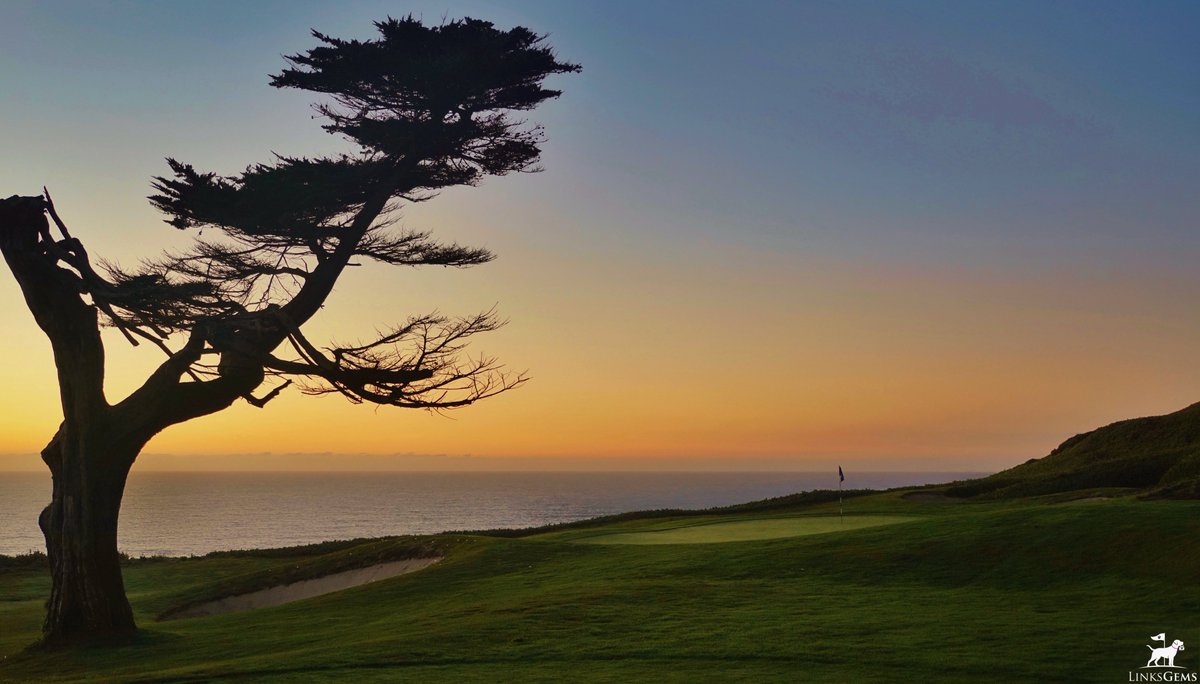
Here’s a set from the terrific 9-hole par-3 Cliffs Course at the Olympic Club.
Visually stunning from its perch above the pacific, Cliffs provides the perfect finishing touch after a day of testing your tournament game on the Lake or Ocean Courses.
I’m a big fan of this relatively recent trend of adding short courses (9 holers and par-3s) to the full size options at clubs and resorts. Hopefully it keeps up and continues to give us gems like this little beauty.