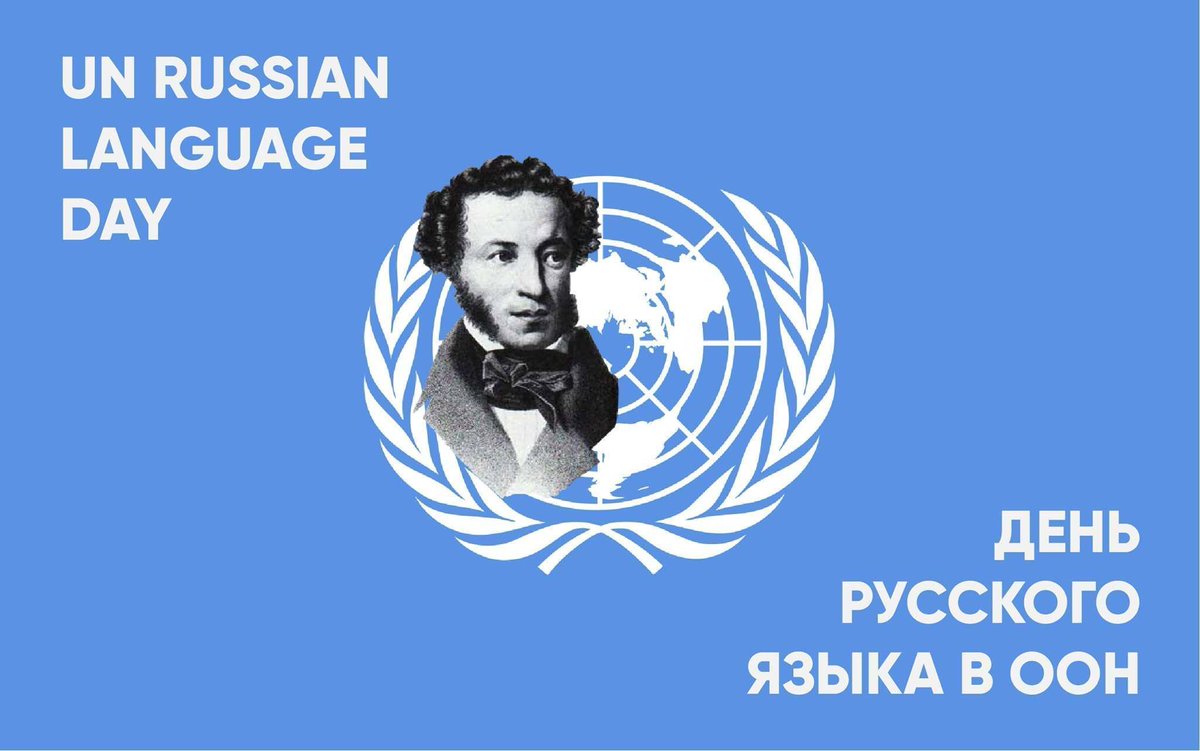
6 June is #RussianLanguageDay, marking the birthday of the poet Alexander Pushkin, the father of modern Russian literature. Russian is one of the UN's official languages and the 8th most spoken language globally.
Follow @UN_News_RU for UN news in Russian: https://t.co/EAPN0nTTAM
What could the economic fallout of the Middle East war mean for low- and middle-income countries?
Join @elerianm, Board Chair-Elect at @CGDev, and @JudyWoodruff for a timely conversation on the global outlook, mounting economic risks, and how governments can build resilience amid growing uncertainty.
https://t.co/eMlA4fVOES
Forced to leave school at 14 and widowed as a young mother soon after, Harmelle faced a precarious future in #Benin. The turning point? An entrepreneurship program. Thanks to training and a snail farming starter kit, she is rewriting her story. https://t.co/zGAMfCrmum #SWEDD
Biodiversity is not a constraint on Africa’s development. It is one of the continent’s greatest comparative advantages. On #BiodiversityDay, @ECA_Official & the Embassy of Armenia highlighted the road to #COP17 and the need to place nature at the centre of sustainable devlpt.
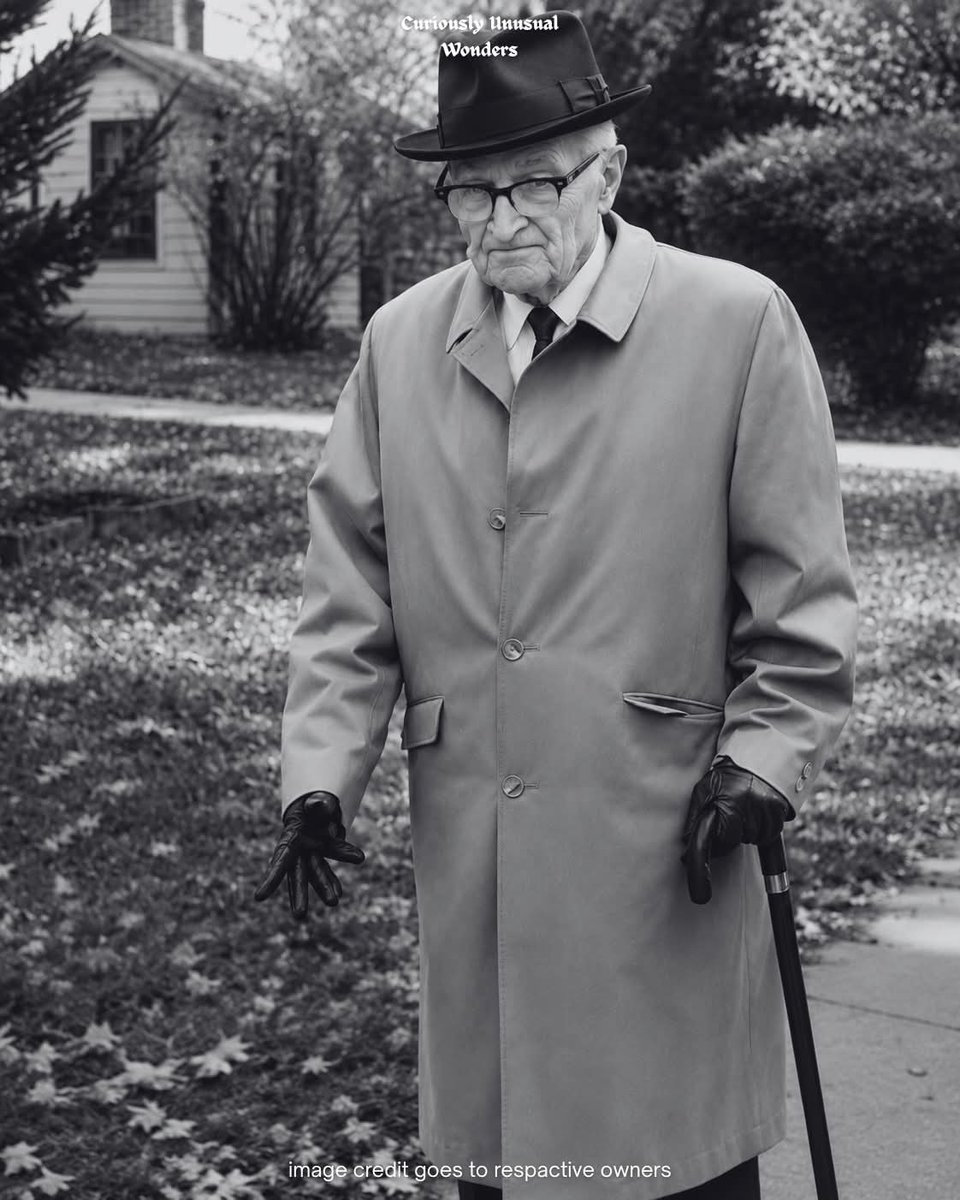
Harry Truman left the White House with almost nothing.
No large fortune.
No presidential pension.
No motorcade waiting to carry him into retirement.
On January 20, 1953, Harry and Bess Truman climbed into their own Chrysler and drove themselves home to Independence, Missouri.
His approval ratings were low. Critics called his presidency a failure. Much of Washington was relieved to see him leave office.
What shocked many people later was how little money a former president actually received at the time.
Truman’s only steady income came from a small Army pension worth just over one hundred dollars a month. Financial pressure became so serious that he reportedly needed bank loans simply to cover daily living expenses.
The situation became so embarrassing for the country that Congress eventually created pensions for former presidents.
But Truman never spent his retirement chasing sympathy or public praise.
Back in Independence, he returned to a simple routine. He walked through town without heavy security. He answered his own telephone. He personally responded to letters from ordinary Americans.
On his desk remained the famous sign:
“The buck stops here.”
While Truman lived quietly, the impact of his presidency continued growing.
The Marshall Plan helped rebuild Europe after World War II.
The Truman Doctrine became a foundation of American Cold War policy.
In 1948, he ordered the desegregation of the United States military despite fierce political opposition.
When General Douglas MacArthur publicly challenged presidential authority during the Korean War, Truman removed him from command, protecting civilian control of the military even though the decision damaged his popularity.
Then history delivered one final moment of recognition.
In 1965, President Lyndon B. Johnson traveled to the Truman Library to sign Medicare into law. During the ceremony, Johnson handed the first Medicare cards to Harry and Bess Truman.
It carried special meaning because Truman had pushed for national health insurance decades earlier and faced enormous backlash for it at the time.
By the end of his life, public opinion had changed dramatically.
The man once dismissed as weak and unpopular came to be viewed as one of the most consequential presidents of the twentieth century.
Harry Truman never chased applause.
He simply accepted responsibility for difficult decisions and lived long enough to see history reconsider them.
Story based on historical records. This post is for educational purposes.
At a recent #OGEthiopia workshop in Addis Ababa, @ECA_OFFICIAL participated at the DESA-organized workshop on the Overlapping Generations model to support long-term policy analysis to pave the way for evidence-based socioeconomic policies in Ethiopia.
The workshop focused on building national and regional analytical capacity for socioeconomic modelling, showcasing how @ECA_OFFICIAL, in collaboration with @UN_DESA and local partners, can advance rigorous policy analysis for a better future.
- Meet Giorgia Meloni
- Italy’s first woman Prime Minister
- father abandoned the family when she was young
- struggled financially
- Started working at the age of 15
- done babysitting and bartending
- Joined politics as a teenager
- Became Italy’s youngest-ever Vice President of the Chamber of Deputies at just 29
- became cabinet minister at 31
- Faced years of criticism, trolling, and being underestimated
- Built her image through speeches, debates, and relentless campaigning
- known for her Aggressive debating style and Powerful speeches
Today she is one of the most talked-about leaders in world.
Crazy 🔥
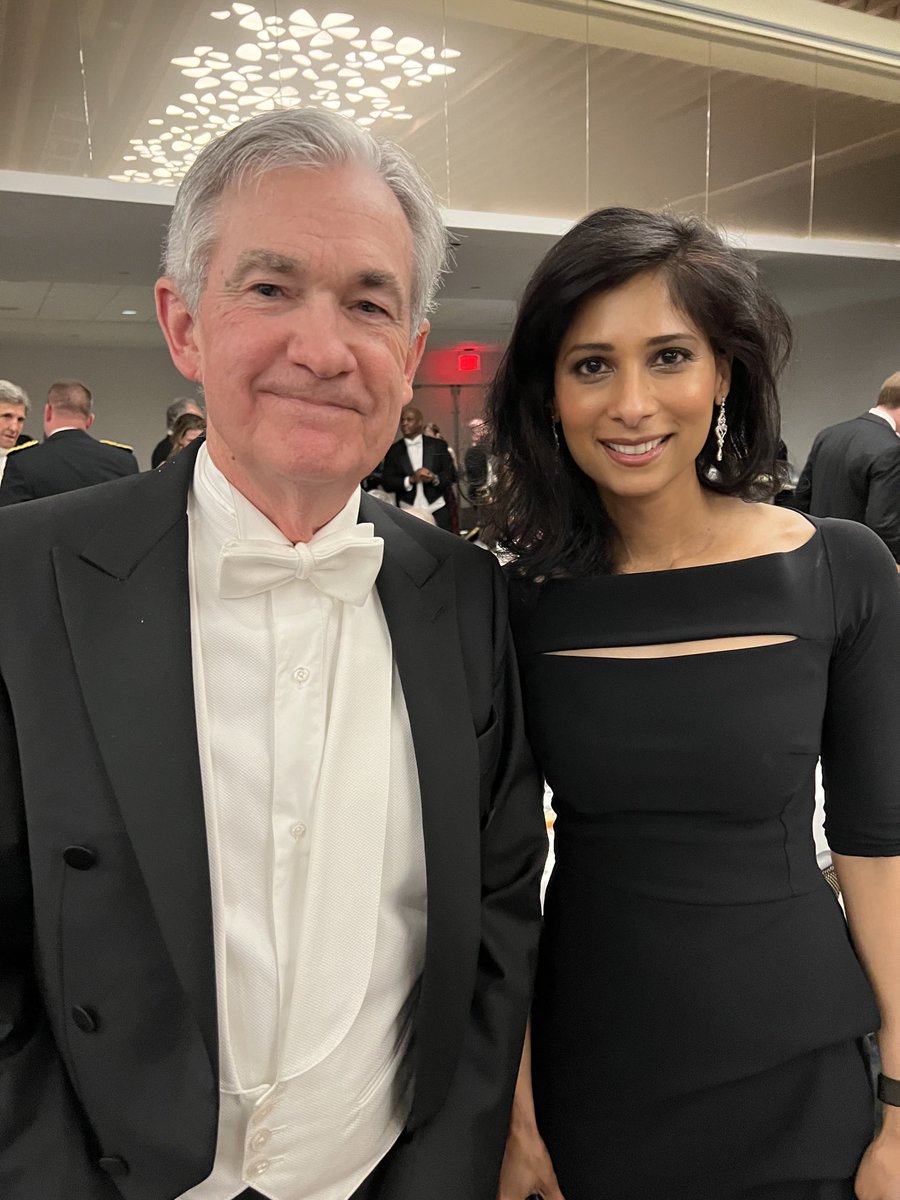
Thank you Jay Powell for fighting for Fed independence that benefits us all not just now but into the future. Congratulations Kevin Warsh for taking over as Chair. Wish you the very best for what will be a tough role. (Pic from Gridiron Club dinner)
“Many brilliant and determined women came before me,” said economic sciences laureate Claudia Goldin, who was the first woman to receive an unshared prize in economic sciences.
Learn more about her work: https://t.co/riH560TaMi
Africa was a double victim of colonialism — through the suffering it caused and through the legacy it left behind.
Today, I see in Africa’s youth, dynamism and initiative the determination to overcome that legacy.
- @antonioguterres in Nairobi, Kenya.
https://t.co/Cz9PY1B0Cx
A warm welcome to Monica Juma from #Kenya, the new Director-General of #UNVienna and Executive Director of the UN Office on Drugs and Crime @UNODC, on her first day in the office today.
Photo credit: Dean Calma / IAEA
In his official Nobel Prize interview Victor Ambros spoke about the importance of failure and how much it can teach us.
Watch his full interview at https://t.co/T16cTEmqIW
History shows that the right reforms can spark an investment miracle.
This blog by @IndermitGill & Ayhan Kose explains why coordinated reforms are key to reviving growth in developing economies: https://t.co/nL5KZ8Rw8d
Read the report📘 https://t.co/Ng7ahFPX0O
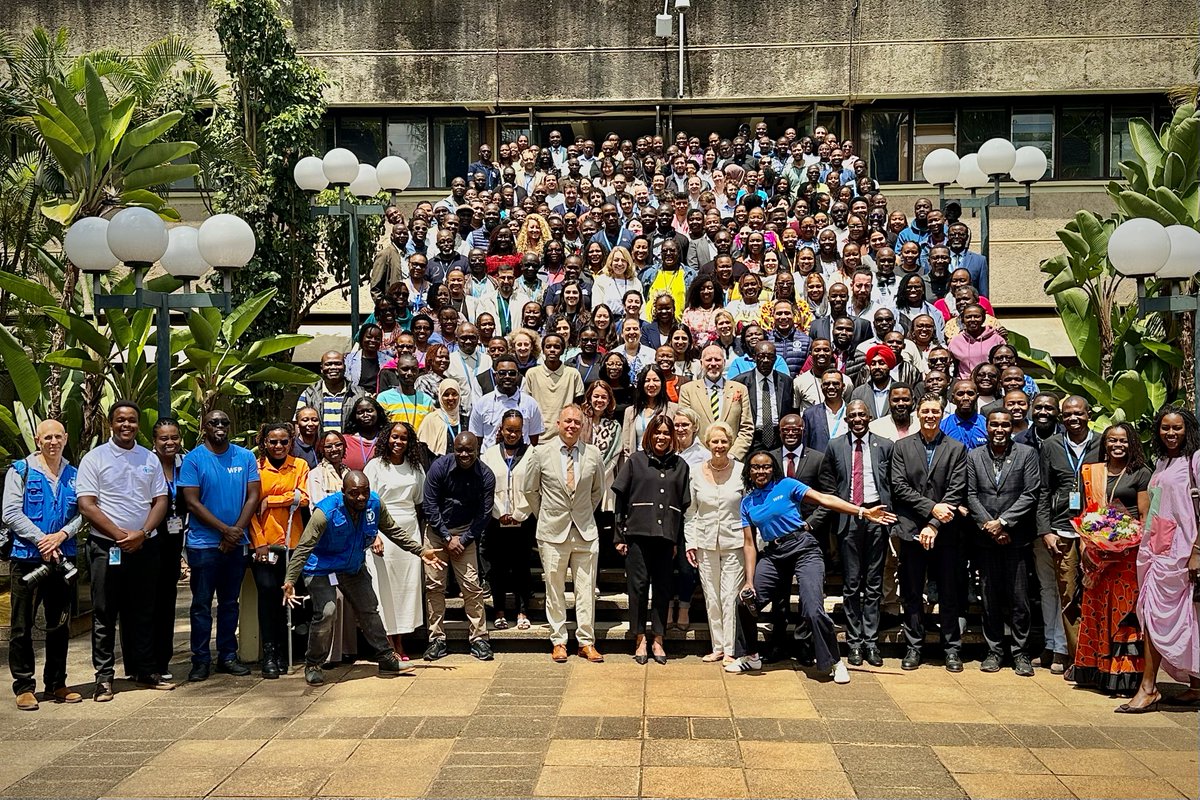
Meet our incredible @WFP team in Kenya. Against extraordinary odds—complex emergencies, conflicts and climate shocks—they deliver food and hope where both are hard to find. Because a world without hunger is worth fighting for.
Thank you, @WFP_Kenya & @WFP_Africa for all you do!
From commitments to impact—High-Level Panel 3 at #ARFSD12 focused on a central challenge: how to achieve full employment, reduce poverty & expand social protection across Africa.
With less than 5 years to 2030, the urgency is clear.
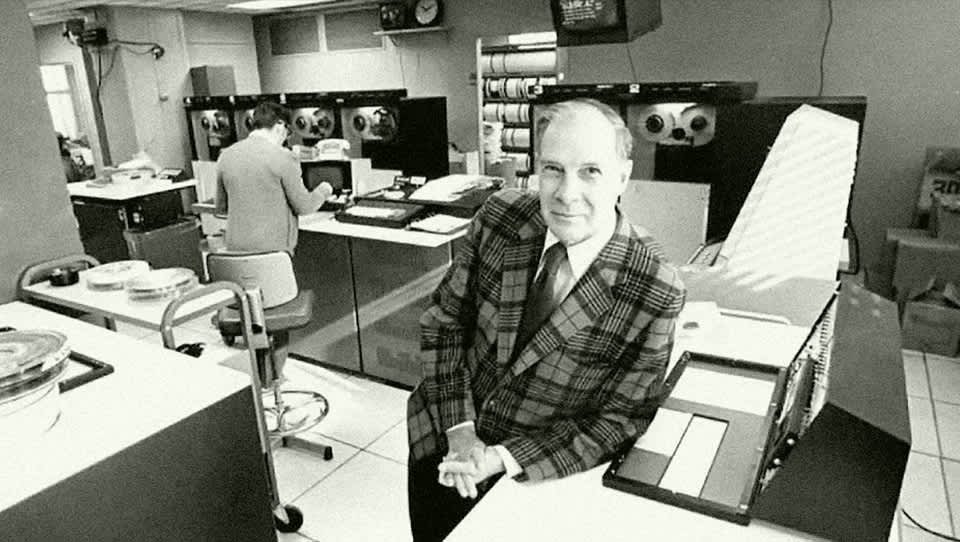
A mathematician who shared an office with Claude Shannon at Bell Labs gave one lecture in 1986 that explains why some people win Nobel Prizes and other equally smart people spend their whole lives doing forgettable work.
His name was Richard Hamming. He won the Turing Award. He invented error-correcting codes that made modern computing possible. And he spent 30 years at Bell Labs sitting in a cafeteria at lunch watching which scientists became legendary and which ones faded into nothing.
In March 1986, he walked into a Bellcore auditorium in front of 200 researchers and told them exactly what he had seen.
Here's the framework that has been quoted by every serious scientist for the last 40 years.
His opening line landed like a punch. He said most scientists he worked with at Bell Labs were just as smart as the Nobel Prize winners. Just as hardworking. Just as credentialed. And yet at the end of a 40-year career, one group had changed entire fields and the other group was forgotten by the time they retired.
He wanted to know what the difference actually was. And he said it wasn't luck. It wasn't IQ. It was a specific set of habits that almost nobody is willing to follow.
The first habit was the one that hurts the most to hear. He said most scientists deliberately avoid the most important problem in their field because the odds of failure are too high. They pick a safe adjacent problem, solve it cleanly, publish it, and move on. And because they never swing at the hard problem, they never hit it. He said if you do not work on an important problem, it is unlikely you will do important work. That is not a motivational line. That is a logical one.
The second habit was about doors. Literal doors. He noticed that the scientists at Bell Labs who kept their office doors closed got more done in the short term because they had no interruptions. But the scientists who kept their doors open got more done over a career. The open-door scientists were interrupted constantly. They also absorbed every new idea passing through the hallway. Ten years in, they were working on problems the closed-door scientists did not even know existed.
The third habit was inversion. When Bell Labs refused to give him the team of programmers he wanted, Hamming sat with the rejection for weeks. Then he flipped the question. Instead of asking for programmers to write the programs, he asked why machines could not write the programs themselves. That single inversion pushed him into the frontier of computer science. He said the pattern repeats everywhere. What looks like a defect, if you flip it correctly, becomes the exact thing that pushes you ahead of everyone else.
The fourth habit was the one that hit me the hardest. He said knowledge and productivity compound like interest. Someone who works 10 percent harder than you does not produce 10 percent more over a career. They produce twice as much. The gap doesn't add. It multiplies. And it compounds silently for years before anyone notices.
He finished the lecture with a line I have never been able to shake.
He said Pasteur's famous quote is right. Luck favors the prepared mind. But he meant it literally. You don't hope for luck. You engineer the conditions where luck can land on you. Open doors. Important problems. Inverted questions. Compounded hours. Those are not traits. Those are choices you make every single day.
The transcript has been sitting on the University of Virginia's computer science website for almost 30 years. The video is free on YouTube. Stripe Press reprinted the full lectures as a book in 2020 and Bret Victor wrote the foreword.
Hamming died in 1998. He gave his final lecture a few weeks before. He was 82.
The lecture that explains why some careers become legendary and others disappear is still free. Most people who could benefit from it will never open it.
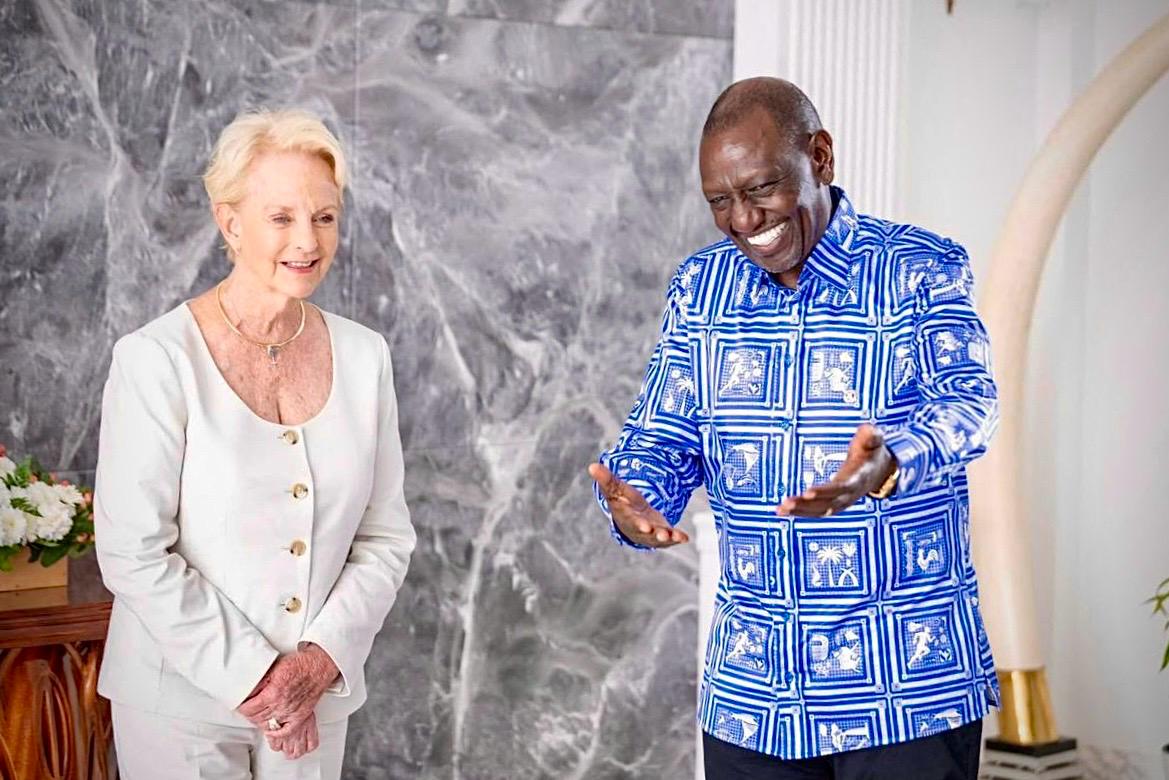
Productive meeting with President @WilliamsRuto on scaling practical solutions to strengthen food security and resilience.
We aligned on next steps to expand impact—leveraging Kenya’s leadership, both domestically and globally, to accelerate progress in the fight against hunger.
🔴 @Bankole_Adeoye, @AUC_PAPS, expresses his pleasure in renewing collaboration with the Policy Center for the New South, describing it as a centre of excellence whose partnership contributes to a more democratic and peaceful Africa.