the thing we've been building for the last few months, shipped today.
from zero to a working data layer in an afternoon.
no data engineer needed.
https://t.co/3x7I60cUwn
the part that matters: it doesn't touch your data on its own.
the agent proposes. tests run. changes go through your own ci/cd before anything ships.
you review and approve. nothing goes live until you say so.
Ask three people at your company what "revenue" means and you'll get three answers.
That was an annoying tax for years. Now you're pointing AI agents at the same messy data, and it hands you a confident, wrong number you can't catch.
The fix is a semantic layer. Wrote up why ↓
everyone wants the agent to write the code.
almost nobody has thought about who reviews, tests, and operates what it writes.
that second part is the whole job.
I genuinely don't understand why everyone isn't using this yet
Andrej Karpathy, a co-founder of OpenAI, posted a simple idea that hit 16 million views: stop using AI to write code, use it to build a second brain.
You point Claude Code at a folder, drop in any source, an article, a transcript, a PDF, and Claude reads it, links it, and files it into a living wiki of everything you know. It compounds like interest, the more you feed it, the smarter it gets.
Here's the whole thing:
> Install Obsidian, create a vault, open it in Claude Code
> Paste Karpathy's wiki idea file and tell Claude to build it
> Claude makes three folders: raw for sources, wiki for its pages, a CLAUDE.md that runs it
> Drop any source into raw and say "ingest this"
> Ask questions across everything, forever
Five minutes to set up, and you never start from a blank chat again.
Full step-by-step guide with Claude and Obsidian, link below.
Bookmark this
everyone's posting #agent demos. almost nobody's shipping agents.
the gap between "the demo worked" and "reliable enough to put in front of a customer" is the entire game.
and it's all the boring stuff: validation loops, PK/unique checks, data contracts, CI.
uncomfortable truth about #AI coding: it tends to be slower on code you already know well.
review + cleanup + "wait, is this right" eats the speedup.
the win isn't in familiar code. it's in the work you'd otherwise have to hire someone to do.
the hard part of putting an AI agent on your data was never the model writing SQL.
the agent writes a candidate, ships it, and you find out in production whether it was right. the agent fails at review time, not in production.
everything else is downstream of getting that right.
What I keep noticing with AI agents on data work isn't that they get things wrong. It's that they get them wrong confidently.
A junior engineer asks "wait, is this the right table?" The agent doesn't, and it is because the model has no idea what it doesn't know.
The #AI along won’t be a competitive advantage - it’s like electricity everyone will use it, however the data and ecosystem play will prevail over long term https://t.co/XhL0hus69c
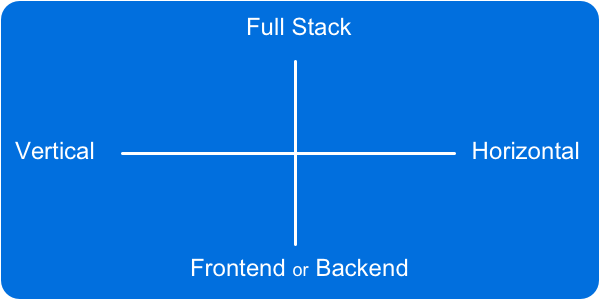
Mapping no-code startups: The no-code 2X2 matrix
1⃣ Full stack (backend + frontend) vs backend or frontend
2⃣ Horizontal (generalist) vs Vertical (industry or use case specific)
https://t.co/eFpvWJbl8i
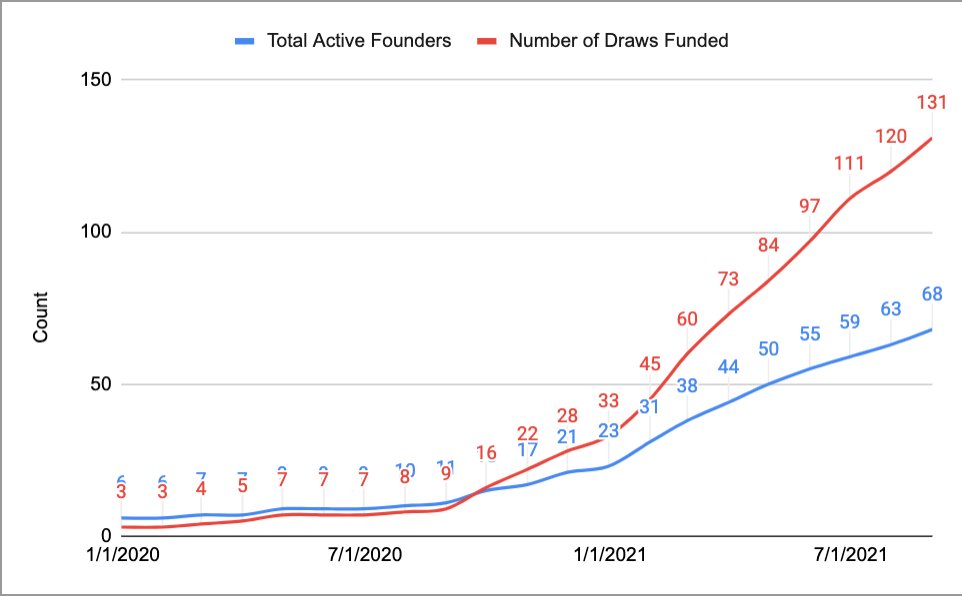
Aug update for Founderpath 🚀
- $2.8m in ARR
- 17% ARR growth last 30 days
- 2,750 SaaS founders connected
- $470m of combined revenue
- Capital to SaaS founders: $13.2m
🥾 We want to see bootstrapped SaaS founders beat their VC Backed competitors :)
Updates 👇
Folge #20 rund um @dfinity als Host für unsere Webseite, mit Hilfe von @FleekHQ, und als Hauptthema @Uniswap V3 mit ein paar Real World Beispielen, ist raus: https://t.co/aCNjPJRYzF