Let me do a little football argument today, Mr Bayo:
You are free to love Ronaldo, but you cannot make an argument that he is greater than Messi.
What metrics do you want to measure with? Messi beats Ronaldo across the board.
But let’s flip their records. Would Messi still be greater than Cristiano Ronaldo if:
Messi had 35 trophies, while Ronaldo had 46, the highest in the world?
Messi had five Ballon d’Ors, while Ronaldo had eight?
Messi had 8 domestic titles, while Ronaldo had 13+?
Messi had just the Euros and two Nations Leagues, while Ronaldo had a World Cup, two Copas, one Olympic medal, and one Finalissima?
Messi had 2 FIFA The Best awards, while Ronaldo had 3?
Messi had 4 Golden Shoes, while Ronaldo had 6?
Messi had 0 World Cup Golden Balls, while Ronaldo had 2?
Messi had 0 World Cup Golden Boots, while Ronaldo had 1?
Messi had 960+ goals, while Ronaldo had 900+, but also the most assists, dribbles, and chances created, while playing two fewer years than him?
Messi had 5 Champions League titles, while Ronaldo had 4?
Messi had 0 Laureus Sports Awards, while Ronaldo had 1, the only footballer to win it?
I could go on and on. But even in that scenario, Ronaldo fans would still not concede that Messi is better.
But that is the reality we have here.
The whole of football knows Messi is both better and greater.
Ronaldo’s teammates attest to this. Messi’s teammates attest to this.
Top coaches in the world attest to it:
Pep Guardiola
Jürgen Klopp
Arsène Wenger
José Mourinho
Etc.
Legends of football attest to it, and their careers attest to it.
Messi is 39, and he is still playing with the highest creative and playmaking responsibility on the pitch.
Ronaldo shifted from the wings to the box as early as 2015–2018.
Now they are both at the twilight of their careers, and we see one still actively dictating play, while the other has become a shadow of his former self.
Messi is better and greater than Ronaldo in all regards.
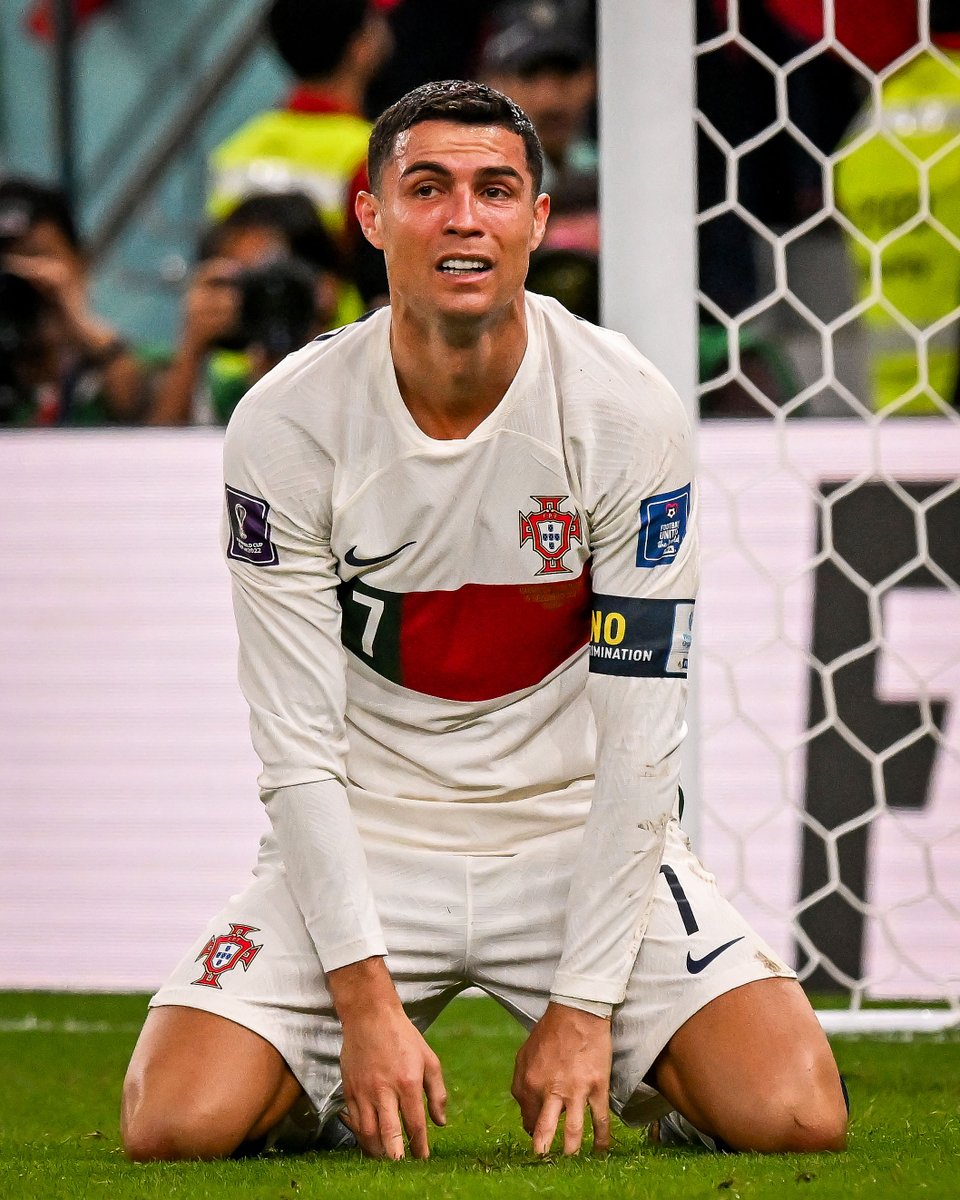
Cristiano Ronaldo is goalless in his last 10 Portugal games at major tournaments:
𝟐𝟎𝟐𝟐 𝐖𝐨𝐫𝐥𝐝 𝐂𝐮𝐩:
❌ vs. Uruguay
❌ vs. South Korea
❌ vs. Switzerland
❌ vs. Morocco
𝟐𝟎𝟐𝟒 𝐄𝐮𝐫𝐨𝐬:
❌ vs. Czechia
❌ vs. Türkiye
❌ vs. Georgia
❌ vs. Slovenia
❌ vs. France
𝟐𝟎𝟐𝟔 𝐖𝐨𝐫𝐥𝐝 𝐂𝐮𝐩:
❌ vs. Congo DR
𝟗𝐓𝐇 𝐁𝐀𝐋𝐋𝐎𝐍 𝐃’𝐎𝐑 𝐋𝐎𝐀𝐃𝐈𝐍𝐆 ⁉️🏆
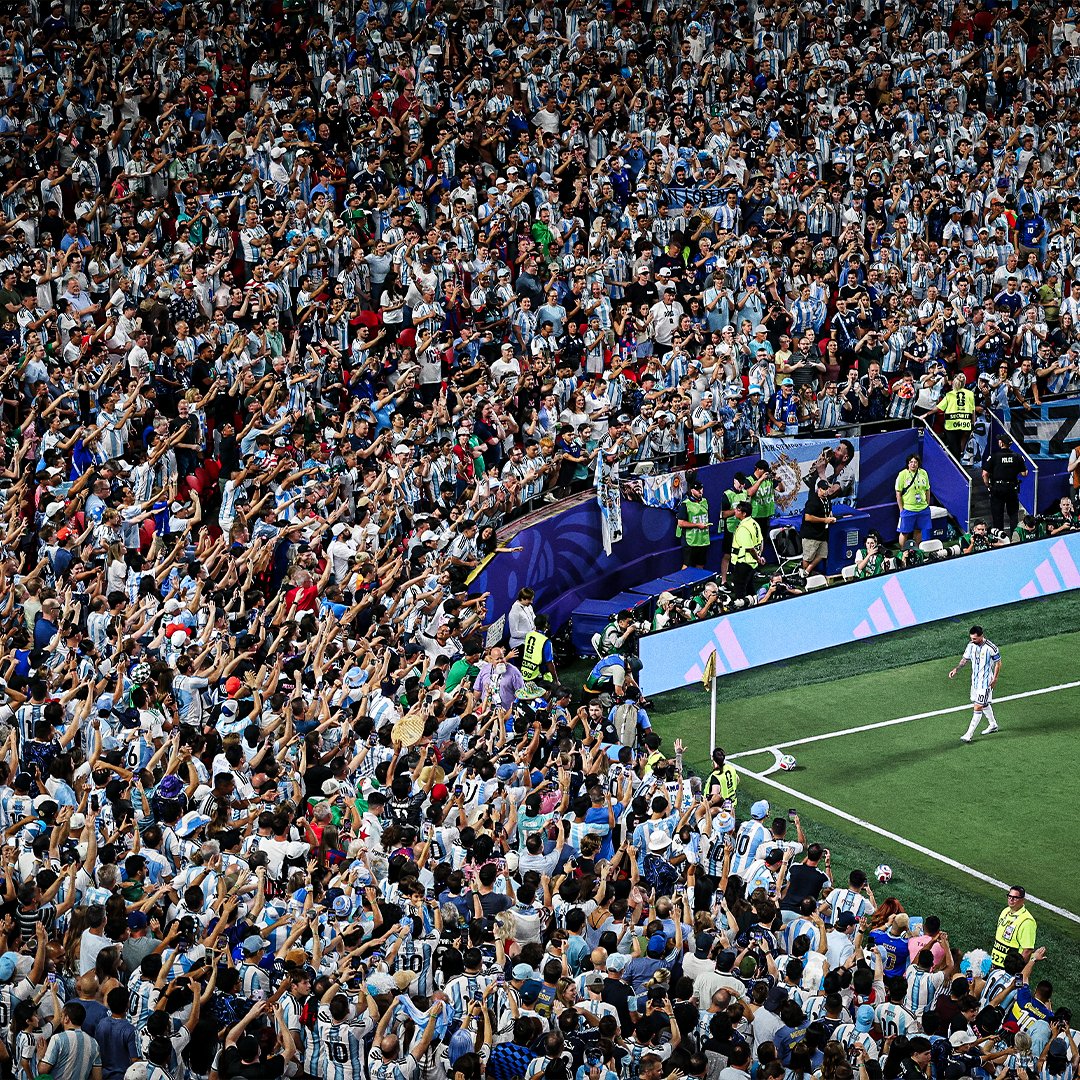
At 38 years old, Lionel Messi is still making history. Last night he scored a World Cup hat-trick against Algeria 😮💨
Class is permanent 😍
𝟗𝐓𝐇 𝐁𝐀𝐋𝐋𝐎𝐍 𝐃’𝐎𝐑 𝐋𝐎𝐀𝐃𝐈𝐍𝐆 ⁉️🏆
At 38 years old, Lionel Messi is still making history. Last night he scored a World Cup hat-trick against Algeria 😮💨
Class is permanent 😍
I cannot lie, and this is my personal conviction, if somebody mentions a player as their best ever and it’s not Messi, i just know i cannot discuss football matters with you at all. No need
Definition
Neurofibromatosis (NF) is a group of inherited genetic disorders that cause tumors to develop on nerves throughout the body. These tumors are usually non-cancerous (benign) but can sometimes become malignant. The condition affects the skin, nervous system, bones, and eyes.Types of Neurofibromatosis
1. Neurofibromatosis Type 1
Most common type.
Usually diagnosed during childhood.
Characterized by:Multiple café-au-lait (light brown) skin spots.
Neurofibromas (soft tumors under or on the skin).
Freckling in the armpits or groin.
Learning difficulties in some children.
Eye abnormalities such as Lisch nodules.
2. Neurofibromatosis Type 2
Less common.
Characterized by tumors affecting the hearing and balance nerves.
Symptoms include:Hearing loss.
Ringing in the ears (tinnitus).
Balance problems.
Headaches.
3. Schwannomatosis
Rare form.
Causes multiple schwannomas (tumors of nerve coverings).
Often associated with chronic pain.
Causes
Caused by mutations in specific genes responsible for controlling cell growth.
Usually inherited in an autosomal dominant pattern.
About half of cases result from new (spontaneous) genetic mutations.
Signs and Symptoms
Café-au-lait spots.
Soft skin tumors (neurofibromas).
Bone deformities.
Vision problems.
Hearing loss.
Learning disabilities.
Chronic pain.
Seizures in some cases.
Diagnosis
Diagnosis may involve:Physical examination.
Family history assessment.
Genetic testing.
Eye examination.
Hearing tests.
Imaging studies such as Magnetic Resonance Imaging or CT scans.
Treatment
There is currently no cure, but treatment focuses on managing symptoms:Regular medical monitoring.
Surgical removal of problematic tumors.
Pain management.
Hearing aids or cochlear implants for hearing loss.
Physical and occupational therapy.
Genetic counseling.
Complications
Hearing impairment.
Vision loss.
Skeletal abnormalities.
Chronic pain.
Malignant peripheral nerve sheath tumors (rare but serious).
Prevention
Neurofibromatosis cannot be prevented because it is a genetic disorder. However, genetic counseling can help families understand the risk of passing the condition to their children.
Conclusion
Neurofibromatosis is a lifelong genetic condition that affects the nervous system and skin. Early diagnosis, regular follow-up, and appropriate treatment can help improve quality of life and reduce complications.