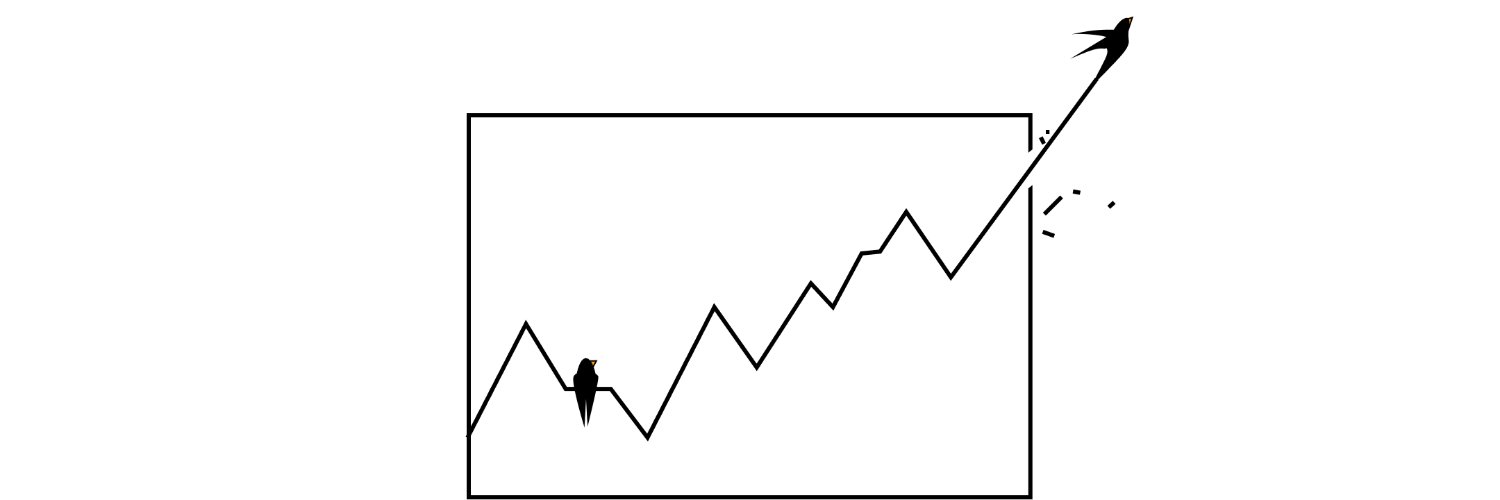
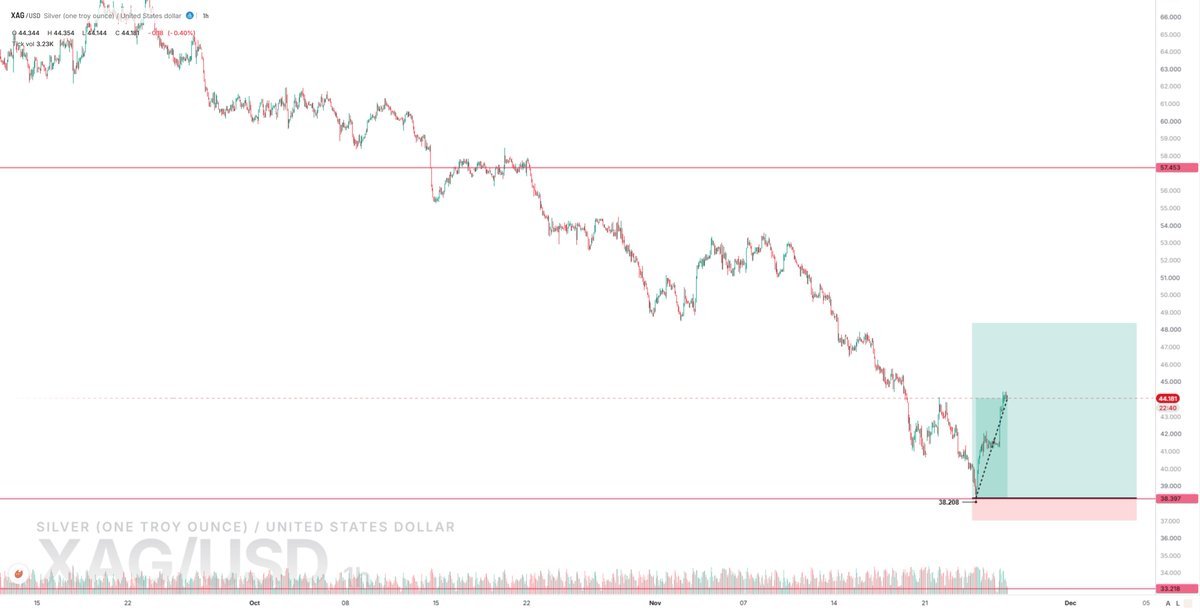
it took me 5 years to realize that learning patience and sitting on your hands until you see a clear setup that screams “this one is so f*cking obvious” in your head is literally the only way to make it in trading
if you haven’t figured out your edge yet, stop trading.
just keep staring at the charts, and whenever you get the itch to gamble, check (in poker terms) and wait for the highest probability setups to place a bet on your idea
PATIENCE and RISK MANAGEMENT are all you need to be profitable in this business
Three rules I now treat as non-negotiable:
- Clear plans need to be made in advance. Not just “it looks cheap” or it has corrected x % in the past few days so this should bounce.
- Seller exhaustion has to appear first. Failed continuation, absorption, long lower wicks, or a clear inability to push lower. Buyers stepping in is what i'd want to see before entering longs.
- The trigger comes from the market, not from impatience. A reclaim, or acceptance above a key level is what i'd ideally like to see.
Most of the damage in reversal trading comes from forcing entries while the dominant order flow is still in the opposite direction.
The better setups are the ones that feel almost boring by the time you take them — the market has already done the hard work of showing you the shift.
Reversals fail more often from poor process than from bad levels.
I’ve been tightening the framework so I’m no longer trying to long assets that are still in clear downside momentum. The edge is in waiting for the market to show that the prior move is exhausted, not in guessing when it might be.
🎙 Inflection Twitter Spaces
Who makes the market in 60 seconds?
Fees, liquidity and settlement in minute-long markets, with the founders of Inflection and Omnibook.
🗓 Nov 29th
⏰ 3pm GMT
📍 https://t.co/RHgf3VPSTI
Host:
@ https://t.co/2CM4cSWaQF, founding team @inflection_X
Speakers:
➤ @Inflection_X - THE exchange for minutes-long markets.
➤ @Omnibook_xyz - The exchange where AI agents make markets on everything, so you can trade anything.
🔔 Set your reminder!
If you’re looking for a trading view alternative then can check out : @openmarket_xyz
imo its the closest alternative to TradingView in terms of UI. They're also actively building and seem focused on creating an even better product
@tradingview its so gonna be over for you soon!
you're forcing users to buy your plans by putting limits on literally everything
wish there was a market where i could predict @openmarket_xyz 's success
@tradingview its so gonna be over for you soon!
you're forcing users to buy your plans by putting limits on literally everything
wish there was a market where i could predict @openmarket_xyz 's success
@tradingview its so gonna be over for you soon!
you're forcing users to buy your plans by putting limits on literally everything
wish there was a market where i could predict @openmarket_xyz 's success
Store of value is a made up category and what you call a coin after it fails at everything else. BTC got the title by surviving 15 years. ZEC started to chip away after a decade of crawling through glass. Pearl wants it at launch as hedge funds rush to “be early”. Category becoming an ouroboros. Dogshit.
Store of value is a made up category and what you call a coin after it fails at everything else. BTC got the title by surviving 15 years. ZEC started to chip away after a decade of crawling through glass. Pearl wants it at launch as hedge funds rush to “be early”. Category becoming an ouroboros. Dogshit.
@StockSavvyShay Everyone is your friend when the chips are up, but those who support you when the chips are down are your real friends.
Fair-weather friends are worthless.
Charlie Munger watched friends get rich and build enormous houses. His conclusion was surprising: in practically every case, they seemed less happy afterward.
He and Warren Buffett had enough money to move into something grander. Instead, they stayed in homes they had occupied for decades.
Munger believed a basic home could serve you extremely well. A mansion might be useful if you regularly entertain a hundred people, but for most people that is a very costly way to solve a problem they barely have.
He also thought about the effect on his children. He did not want them to grow up believing that wealth came with a duty to live extravagantly.
There is a financial lesson here that goes beyond real estate.
Lifestyle inflation can quietly consume the freedom that wealth is supposed to create. The more you normalize luxury, the more money you need just to feel that nothing has changed.
Building wealth is one challenge. Avoiding the traps that come with it is another. The freedom is in needing less, not constantly upgrading what you own.