Matthew Barney came to prominence with self-punishing solo performances and hours-long, casts-of-hundreds, years-in-the-making, oozing, elaborately costumed, densely symbolic film epics. “For many, he’s remained frozen in that moment, forever the young, fiercely intelligent ex-quarterback-ex-model-ex-Mr. Björk who would suspend himself naked from the ceiling in a harness and strain to apply Vaseline all over — and inside — his body,” writes Zachary Woolfe.
He made his grandest mark on art history with the ‘Cremaster’ cycle: five films, some six and a half hours in total, that dominated his career for almost a decade and took over the Guggenheim in 2003. He pressed even further with ‘River of Fundament,’ an unsparing 320-minute film that features graphic sex, including coupling with a car engine, and cameos by Paul Giamatti, Elaine Stritch and Maggie Gyllenhaal.
In its wake, Barney’s reputation took a hit and his celebrity ebbed. That turned out to be the best thing that happened to him. Out of the spotlight, the work got less elaborate and more profound.
When Woolfe met Barney in March for the first of their conversations over the course of six months, he found an artist whose inquiries into injury and mortality, deterioration and perseverance, are now far from metaphorical. His age has begun to catch up with the obsessions that have preoccupied him since he was a student at Yale. Next year, he will turn 60.
“My body is changing,” Barney says. “I’ve done projects that consumed me for so long. I question whether I sort of have that — you know, whether I have it in me, or whether I would even desire to do it, if I did.”
Barney discusses his next piece, a two-person short film co-starring Clarissa Dalrymple, the cool-seeking curator who discovered him 36 years ago, and the first New York screening of ‘River of Fundament’ in nearly a dozen years: https://t.co/GJJmPvYgq2
matthew barney at 60: "My body is changing. I’ve done projects that consumed me for so long. I question whether I sort of have that — whether I have it in me, or whether I would even desire to do it if I did.” @zwoolfe@NYMag https://t.co/cy2Idu6aUF
After 11 years, thousands of articles, 11 Taylor Swift album releases, one of the biggest trials in music history and more traumatizing deaths than one pop music editor could fathom, I have decided to leave The New York Times.
News from the @nytimes newsroom: Robert D. McFadden is retiring after 63 years and 4,200 articles.
"Bob set the standard for a gifted generalist capable of delivering a literary synthesis of the most important story of the day under impossible deadline pressure."
Riccardo Muti called her “without doubt the best Verdi mezzo-soprano today on the planet.” But Anita Rachvelishvili has struggled with vocal problems since her pregnancy two years ago. https://t.co/45fYGKinkJ
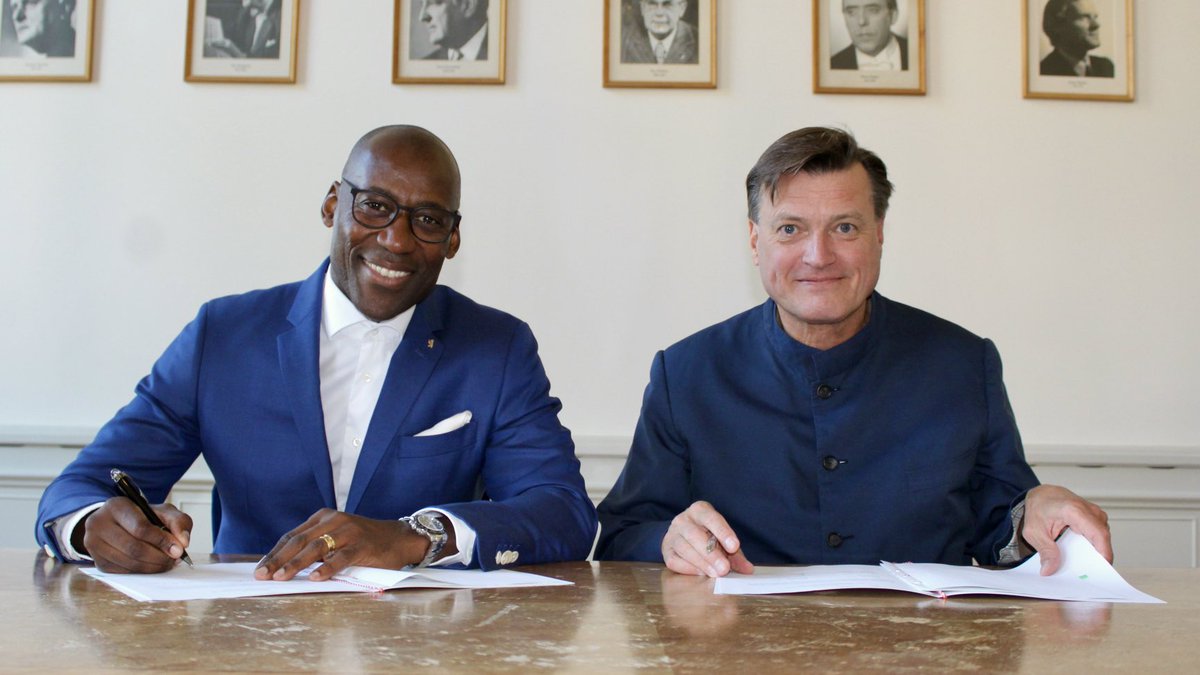
Christian Thielemann wird ab 2024 die Nachfolge von Daniel Barenboim als Generalmusikdirektor an der @StaatsoperBLN antreten. Das verkündete Senator @ChialoJoe soeben bei der Pressekonferenz vor Ort. Chialo: „Mit ihm sichern wir höchste musikalische Exzellenz für unsere Stadt.“
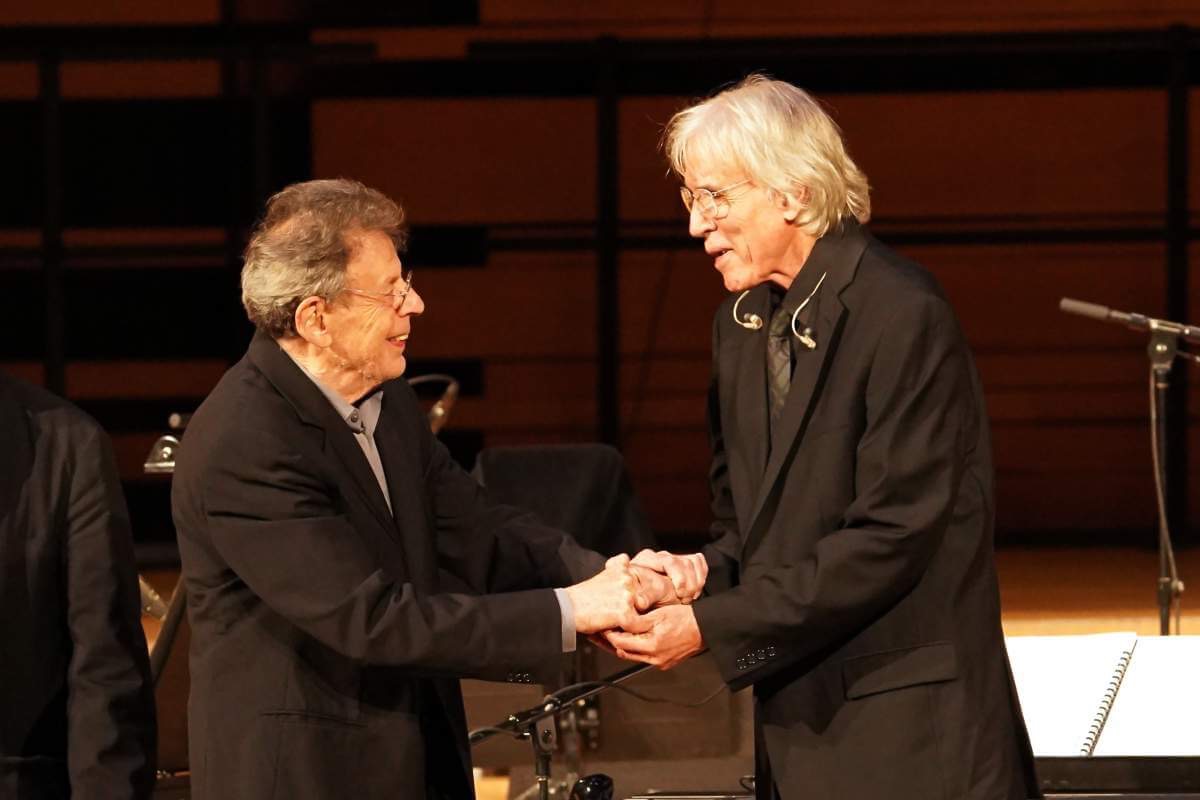
Join us in wishing Michael Riesman a happy 80th birthday! Michael has been a member of the Philip Glass Ensemble since 1974, and since has served at its Music Director now for 47 years! This includes every major premiere by the ensemble since Music in 12 Parts and EINSTEIN ON
visit Charles Busch in his Greenwich Village duplex, where he has a bed fit for Gene Tierney, to talk about his new memoir, "Leading Lady."https://t.co/bSIiAMayi6
Finally listening to this and David is right: Honeck and Pittsburgh’s Tchaikovsky 5 “gives the symphony all the harrowing drama — the dread, the instability, the vertiginous sense of being on the edge — of a mental breakdown.” https://t.co/lyguMa0vha