The more access permissions users have, the easier it is for breaches to spread.
The solution? The Principle of Least Privilege (PoLP). It's the smart way to minimize your attack surface and maximize your protection.
https://t.co/B9xldaQWsc
#Cybersecurity#ITSupport
Would you leave your house keys under the doormat for anyone to find? That’s the risk of excessive user privileges—leaving the door wide open for security threats.
So why give every employee unrestricted access to your systems?
https://t.co/B9xldaQWsc
#BusinessContinuity
Your data is valuable. Cybercriminals know it, too.
Like cake at a party, valuable data attracts attention. The difference is that hackers don’t wait to be invited.
Your data is worth protecting before someone else decides what it’s worth.
https://t.co/B9xldaRuhK
#ITSupport
Don’t let a false sense of security cloud your judgment.
Moving to the cloud doesn’t mean handing off all your security responsibilities. Misconfigured settings, exposed data and unauthorized access can still put your business at risk.
https://t.co/B9xldaRuhK
#CloudSecurity
AI is making phishing scams harder to spot. Familiar branding, convincing language and a sense of urgency can make a suspicious message feel believable.
The bait may look different now, but the hook is the same.
https://t.co/B9xldaQWsc
#Phishing#CybersecurityAwareness
How much of what you know about cybersecurity is true?
If your strategy is built on assumptions that one tool is enough or that checking compliance boxes means you’re safe, it’s time for a reality check.
https://t.co/B9xldaQWsc
#Cybersecurity#CyberMyths#ITSupport
Cybercriminals don't need your password.
They just need you to click before you think.
The best defense against phishing isn't a tool. It's a pause.
Message us to find out how to make it second nature across your business.
https://t.co/B9xldaRuhK
#CybersecurityAwareness
Running a small business means wearing a lot of hats. Cybersecurity doesn’t have to be one of them.
Keeping up with threats and closing security gaps takes time and expertise. Important risks can be easy to miss when security gets pushed aside.
https://t.co/B9xldaRuhK
Your people are your first line of defense. But are they ready?
Here are 10 steps to build a cyber-smart team:
•Train your team with interactive, real-world scenarios
•Encourage open communication about threats and concerns
https://t.co/B9xldaRuhK
#CyberRisk#ManagedIT
More traps don’t guarantee you’ll catch the threat.
Cybersecurity tool sprawl is one of the most common and costly mistakes businesses make.
Without the right strategy behind them, additional tools can create more problems than they solve:
https://t.co/B9xldaQWsc
#CyberRisk
Most businesses are so focused on protecting themselves against outside threats that they overlook the risks already inside.
Insider threats can be deliberate or accidental, and they show up in more ways than many businesses realize:
https://t.co/B9xldaQWsc
#CyberRisk
Cybersecurity isn’t limited to passwords, software and what happens on a screen.
Sometimes, it’s as simple as who you let through the door.
Tailgating happens when someone enters a restricted area by following an authorized employee inside.
https://t.co/B9xldaQWsc
#ManagedIT
The weakest point in your cybersecurity isn’t always your software. It can be the person who hasn’t been trained to recognize a threat.
That’s why security can’t sit with IT alone.
Turn cybersecurity into a shared responsibility across your business.
https://t.co/B9xldaQWsc
Good cybersecurity is a long-term commitment to your business.
The time and resources you put into protecting it today can pay off for years by helping prevent costly disruptions, protect sensitive data and keep your business prepared as threats change.
https://t.co/B9xldaQWsc
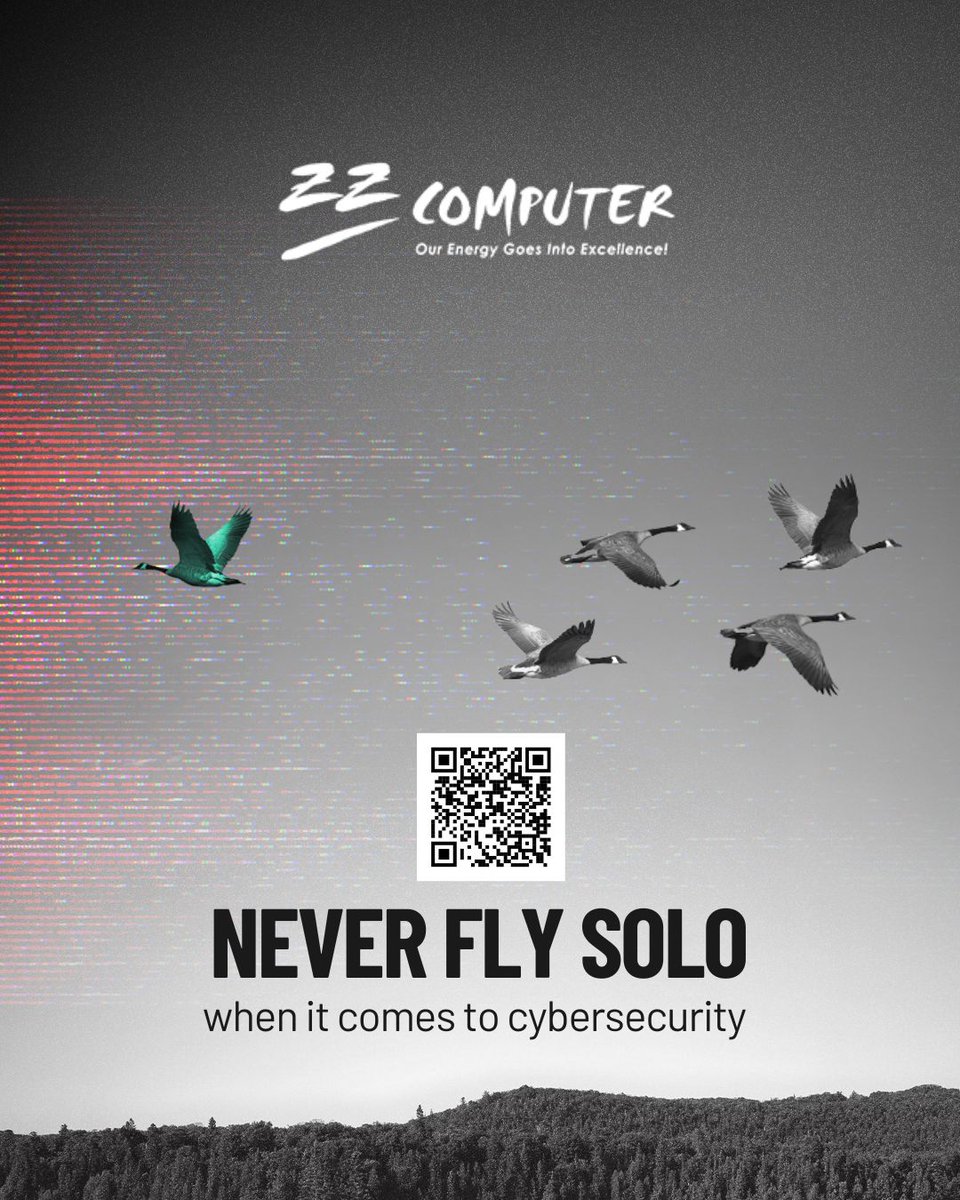
Birds don’t fly solo for a reason. The formation helps them stay on course and go farther together.
Cybersecurity works in the same way. Internal IT employees know the business, but they shouldn’t have to cover every security challenge alone.
https://t.co/B9xldaQWsc
#ITSupport
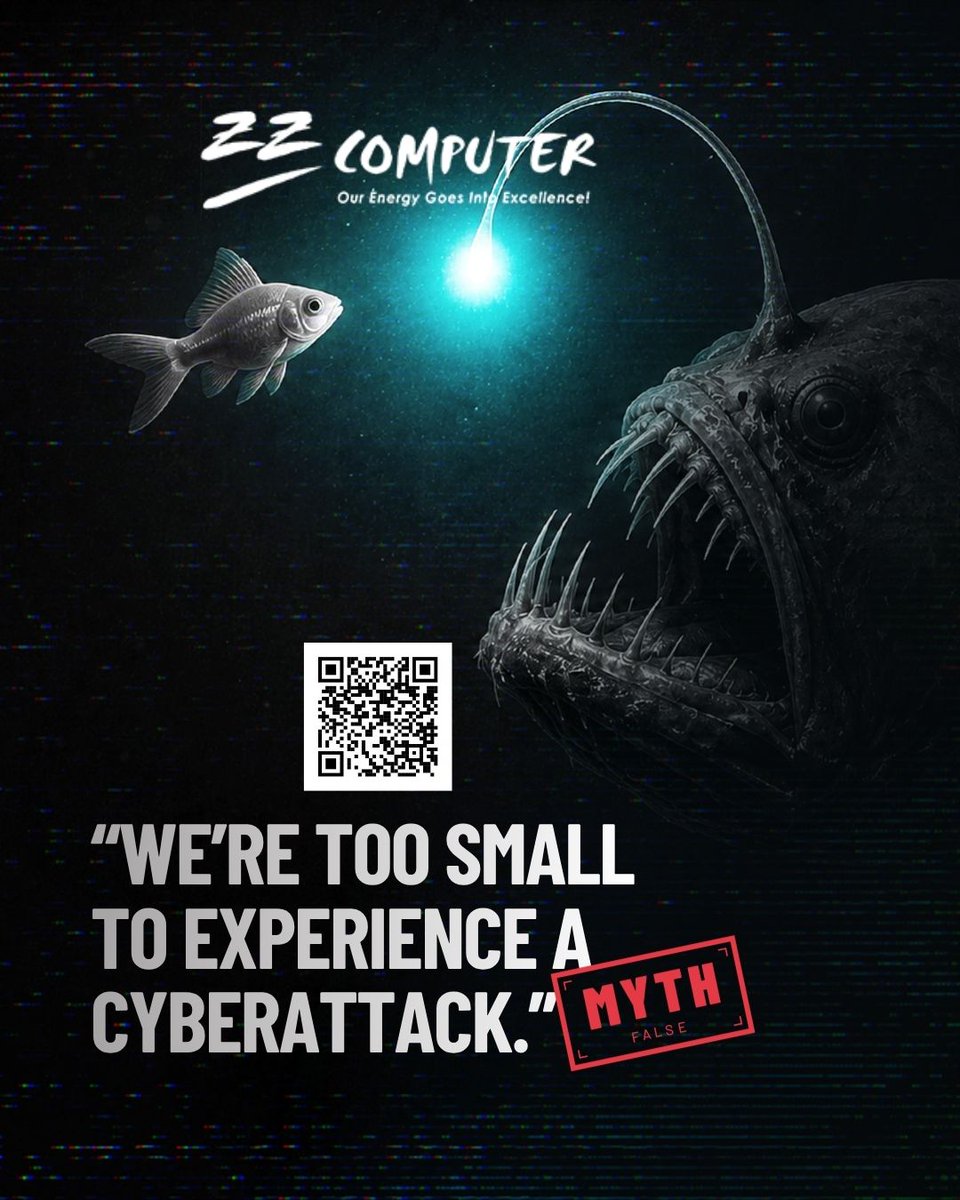
Myth: “We're too small to experience a cyberattack.”
The reality? Size is exactly what makes small businesses attractive to cybercriminals. Limited defenses and the assumption of safety create a vulnerability that's easy to exploit.
https://t.co/B9xldaQWsc
#CyberAwareness
The threats that cause the most damage aren’t always the easiest to spot.
They often hide behind trusted emails, familiar accounts or security gaps your business doesn’t know are there.
Challenge what you think you know about your cybersecurity.
https://t.co/B9xldaRuhK
Cybercriminals aren’t always chasing the biggest target.
They’re chasing the easiest one.
Limited defenses, fewer resources and the assumption that “we’re too small to matter” can make small businesses an attractive target.
https://t.co/B9xldaRuhK
#SecurityAwareness
Your IT team can’t stop every bad click.
Strong cybersecurity comes from a culture where employees know what to watch for, how to respond and when to speak up.
Build a team that knows what to do before a bad click becomes a big problem.
https://t.co/B9xldaQWsc
#ITServices