ruby2ßhell: one-byte heap overflow in Ruby to unauthenticated RCE in stock Rails, GitHub, GitLab, Mastodon, Discourse and more.
https://t.co/42RbHA1GXX
Update your Ruby version (and self-hosted software)!
ruby2ßhell: one-byte heap overflow in Ruby to unauthenticated RCE in stock Rails, GitHub, GitLab, Mastodon, Discourse and more.
https://t.co/42RbHA1GXX
Update your Ruby version (and self-hosted software)!
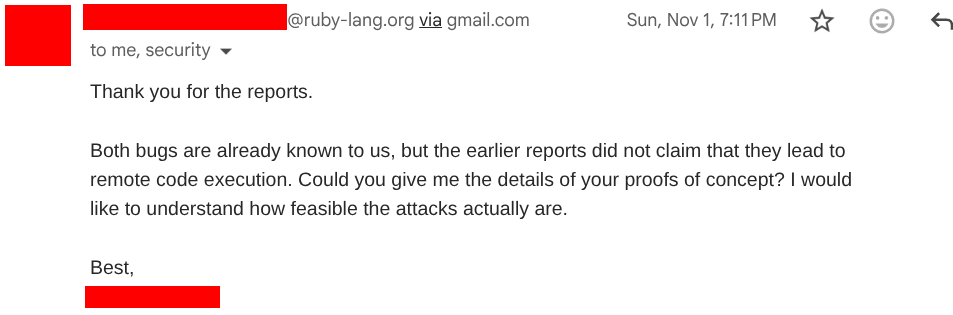
We found this bug as well ~one month ago and were the first reporters to weaponize it for RCE! Sadly we were not credited :(
This release was mishandled imo, big users of Ruby (GitHub, GitLab, etc.) were not notified and a php2shell-style disclosure would have been better
The race is on: whoever is first to publish an RCE POC for the Ruby 3.x/4.x 'ß' case-conversion bug gets to come up with the best vulnerability name of the year.
https://t.co/xuMPB4HWyo
sold on @verialabs
autonomous pentester, extremely impressive and found vulns that every other approach we'd tried did not
added as another tool in or belt
thx @Piccirello for rec
Too much larp in security lately as this stuff goes mainstream. No you’re not going to be instantly attacked by rogue swarms of abliterated models with no way to stop it lmao
It appears these intermediary certificates were issued with single-byte P-384 private keys. This means anyone can exploit this issue locally and issue valid certificates under them with no effort.
This is very, very bad! Seems undetected since issuance in 2025?
Our AI found a bug that let anyone mint infinite XRP, with $94B at risk. It had been hiding in one of the most audited codebases in crypto for nearly a decade, and earned us the maximum $250K bounty.
Here's how it went unnoticed, and how we found it. https://t.co/m7rSD8mKS5
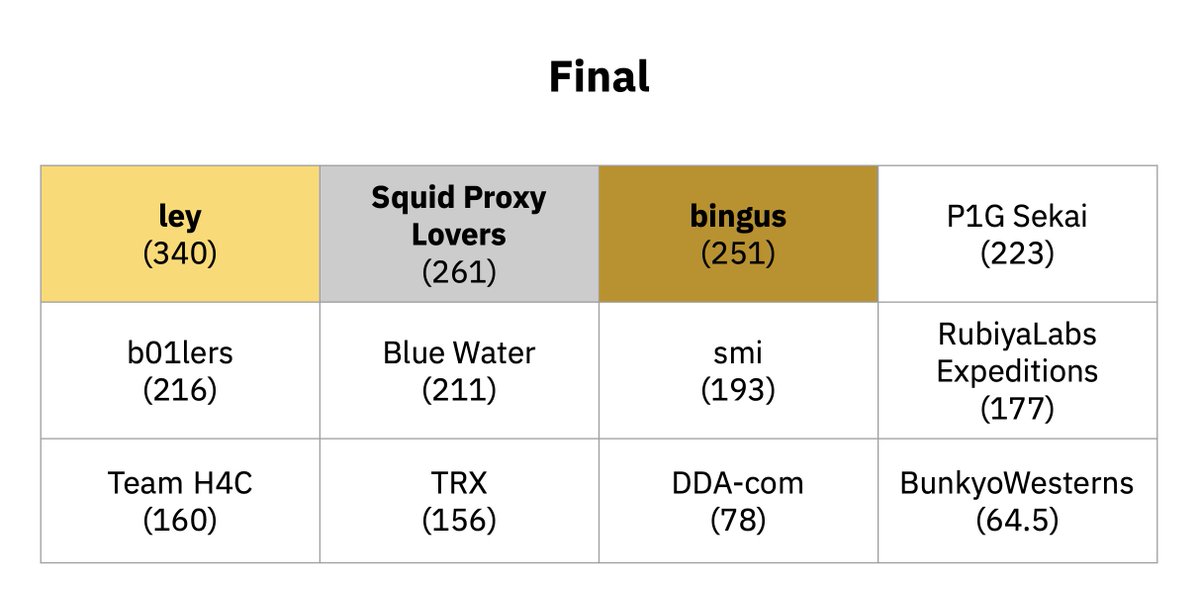
Our first team won DiceCTF Finals, with our second team placing 7th place. Thanks to @dicegangctf and @QuendCon for hosting such an amazing ctf! Next time we'll spell out smi - ley properly on the leaderboard.
An open letter for a global surge in cyber defense, signed by over 100 organizations including Anthropic, AWS, Google, Microsoft, OpenAI, and Oracle. https://t.co/uKXPS8LdAU
2 weeks ago, our agent found and exploited a proof forgery in @a16zcrypto's Jolt zkVM.
This was reported to the Jolt team and immediately verified and fixed.
We've released an analysis of how this was found as well as a technical breakdown on the bug itself.
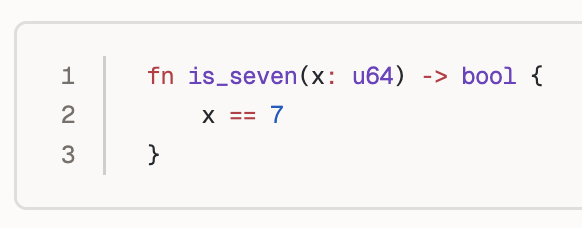
is_seven(6) == 7
Microsoft has identified a supply chain attack on the Mastra-AI npm ecosystem, with 80+ packages compromised through npm account takeover. The attacker introduced a phantom dependency into the compromised packages. The malicious dependency was published by a single anonymous maintainer less than 24 hours ago.
The compromised [email protected] adds the dependency easy-day-js@^1.11.21 (typosquat of "dayjs"), which resolves to v1.11.22. The post-install script runs node setup.cjs, which downloads and executes a remote payload.
The post-install script in [email protected]:
1. Bypasses TLS: Disables SSL verification (NODE_TLS_REJECT_UNAUTHORIZED=0) to communicate with attacker C2 without certificate errors
2. Writes tracking files: Creates ~/.pkg_history (infected machine path) and ~/.pkg_logs (XOR-encoded marker) to prevent re-infection
3. Downloads hidden payload: Fetches second-stage .js from 23[.]254[.]164[.]92:8000/update/49890878
4. Executes as invisible process: Spawns downloaded payload with C2 endpoint 23[.]254[.]164[.]123:443 passed as argument, runs detached and hidden (windowsHide=true)
5. Covers tracks: Deletes setup.cjs to remove all evidence of initial infection
This attack affects [email protected], mastra/pg, mastra/mcp, mastra/schema-compat, mastra/ai-sdk, mastra/rag, and 80+ other packages.
Microsoft Defender for Endpoint customers should monitor and act on alerts with Trojan:JS/ObfusNpmJs in the title. Customers can also check for the following IOCs:
- ls ~/.pkg_history ~/.pkg_logs
- random .js files in home/temp directory
Users are advised to downgrade to previous versions immediately, use [email protected] explicitly, and use lockfiles.
🧵Veria AI autonomously found and demonstrated a critical vulnerability in Aleo, finding a proof forgery in Aleo's snarkVM. The project awarded us the maximum bounty of $65,000 for the find.