🚨 Japan Just Broke The French Bond Market
One Tokyo fund (Sumitomo Mitsui DS) didn’t trim exposure. It dumped every French government bond it held and rotated into German Bunds and short-term Japanese paper.
Not a reduction. Full exit. Something that even shocked the Financial Street.
The France-Germany 10-year spread blew past 140 basis points, the widest gap since the euro crisis.
France's 5-year CDS has spiked up to 81 basis points, the highest since 2013. The higher the number, the greater the risk of national bankruptcy.
French domestic holders are now facing a deeper mark-to-market loss and a less liquid exit to sell into the same one-way market.
Japanese investors still sit on roughly ¥25 trillion of French debt, second only to American holders and this was a single manager’s book.
Carry trades that funded higher-yielding global debt market with cheap yen just got a live demo of how fast the unwind can hit.
When the bid from Japan disappears, the largest European sovereign market has to find new buyers at the same time its own government is arguing over a deficit plan that markets already distrust.
If more Japanese money follows the same exit, the same flow that once compressed euro spreads can reprice them in the other direction.
We now understand what @yutokanzakireal meant by saying “Japan is bringing the entire house down” in response to Scott Bessent’s “I am the house now” statement:
Ending cheap-yen funding is forcing a margin call on the leveraged global debt system built on the carry trade and not just the U.S. leverage.
France just got the first real look at what Japan’s wealth returning to the homeland looks like.
UPDATE:
🇯🇵 BANK OF JAPAN OFFICIALLY HIKED ITS INTEREST RATE FROM 0.75% TO 1%
EVERY TIME THE BOJ HIKES RATES, MARKETS DUMP 15-30%.
PREPARE FOR HUGE MARKET VOLATILITY.
Remeber
Counterintuitive, but:
Escalation = Bearish GOLD
Deescalation = Bullish GOLD
If finally what Trump is saying is true
We might be close to a bottom in GOLD
Still a big conditional tho!
160.00 matters on USDJPY
But not because it's "technical resistance"
What’s actually happening is much bigger
The higher USDJPY pushes into this zone, the more expensive it becomes for traders to ignore the intervention risks
🚨The Bank of Japan just issued its most direct rate hike warning of 2026.
In a speech delivered this morning, Governor Ueda said the BOJ is now more concerned about inflation running too hot than it is about the economy slowing down.
That is a significant statement from a central bank that spent decades fighting deflation.
Here is exactly what he said.
Japan's CPI is projected to hit 2.8% this fiscal year and rise above 3% for a period. The Producer Price Index hit 4.9% year on year in April, the highest reading in nearly 3 years.
Upstream price increases are already spreading into plastic products, construction, transport, and food. Wages are rising at 5% for the third consecutive year.
Inflation expectations among firms and households are both moving higher.
Ueda explicitly stated that if upside risks to prices continue to outweigh downside risks to the economy, the BOJ will raise rates.
Real interest rates in Japan are still negative despite three hikes since 2024. The policy rate currently sits at 0.75%.
A move to 1% at the June 15-16 meeting is now widely expected.
This matters far beyond Japan.
For decades global investors borrowed money in Japan at near zero interest rates. They then took that borrowed money and invested it into higher yielding assets around the world, US stocks, tech stocks, emerging market bonds, and crypto.
The trade generates profit as long as Japanese borrowing costs stay low.
When the BOJ raises rates, the cost of borrowing in yen goes up. That forces investors to close those positions selling US stocks, selling crypto, selling emerging market assets and converting the proceeds back into yen to repay their loans.
The selling happens fast and across every market simultaneously.
In August 2024 the BOJ raised rates by just 0.15%. Within 48 hours the Japanese stock market posted its single largest one day crash in history. Global equities, crypto, and emerging markets all sold off violently. That was just 0.15%.
The expected June move is to 1%, from 0.75%. That is a larger move in a market that is already under significantly more stress than August 2024.
The global carry trade built on near zero Japanese rates is estimated at over $4 trillion.
At the same June meeting the BOJ will also conduct an interim assessment of its bond purchase reduction plan and announce a new guideline for 2027.
Reuters reports that a full pause to QT is the preferred option internally. If the BOJ raises rates and pauses QT simultaneously it means tighter monetary policy through rates but continued bond market support, a direct acknowledgment that Japan's bond market cannot yet stand on its own.
The June 15-16 BOJ decision, whether it hikes, how much, and what it decides on QT will be the single most important data point for global risk assets in the weeks ahead.
DOLLAR COULD RISE ON WARSH RATE-HIKE SIGNAL
The dollar may strengthen if incoming Fed Chair Kevin Warsh signals openness to rate hikes at the June 16–17 meeting, says TD Securities strategist Howard Du. The Federal Reserve System is seen as more hawkish than peers (except ECB), but markets await clearer guidance. Keeping a 2026 hike on the table could lift USD demand during U.S. trading hours amid resilient data. (58 words)
IRAN–U.S. DEAL REPORTEDLY BLOCKED AT TOP LEVELS
A source cited by i24NEWS claims that while an agreement was reached between Iranian negotiator Araghchi and the U.S. team led by Witkoff, it has not been approved by Iran’s senior leadership.
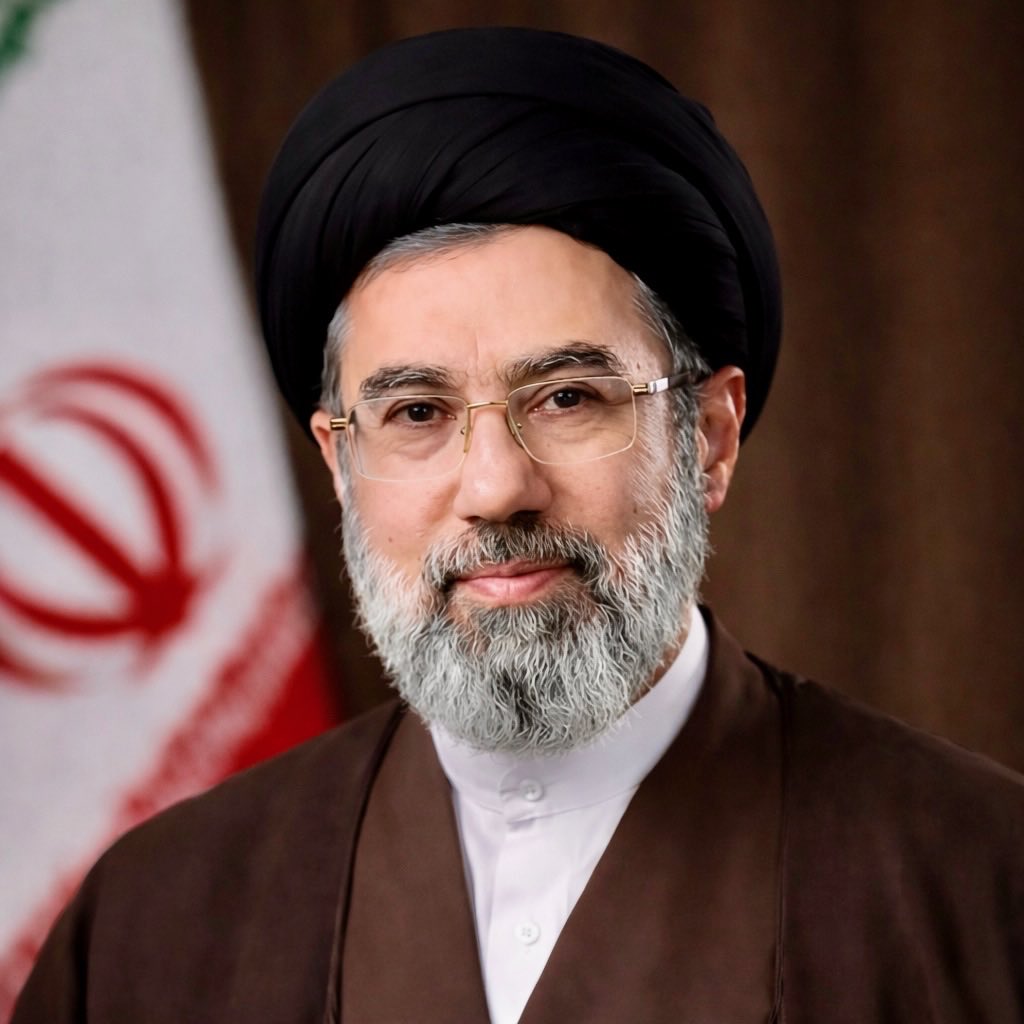
According to the report, Mojtaba Khamenei did not give approval, which may also be a factor in why President Trump has not given final consent.
JUST IN: 🇮🇷🇺🇸 Iran's senior leadership has not agreed to a deal with US.
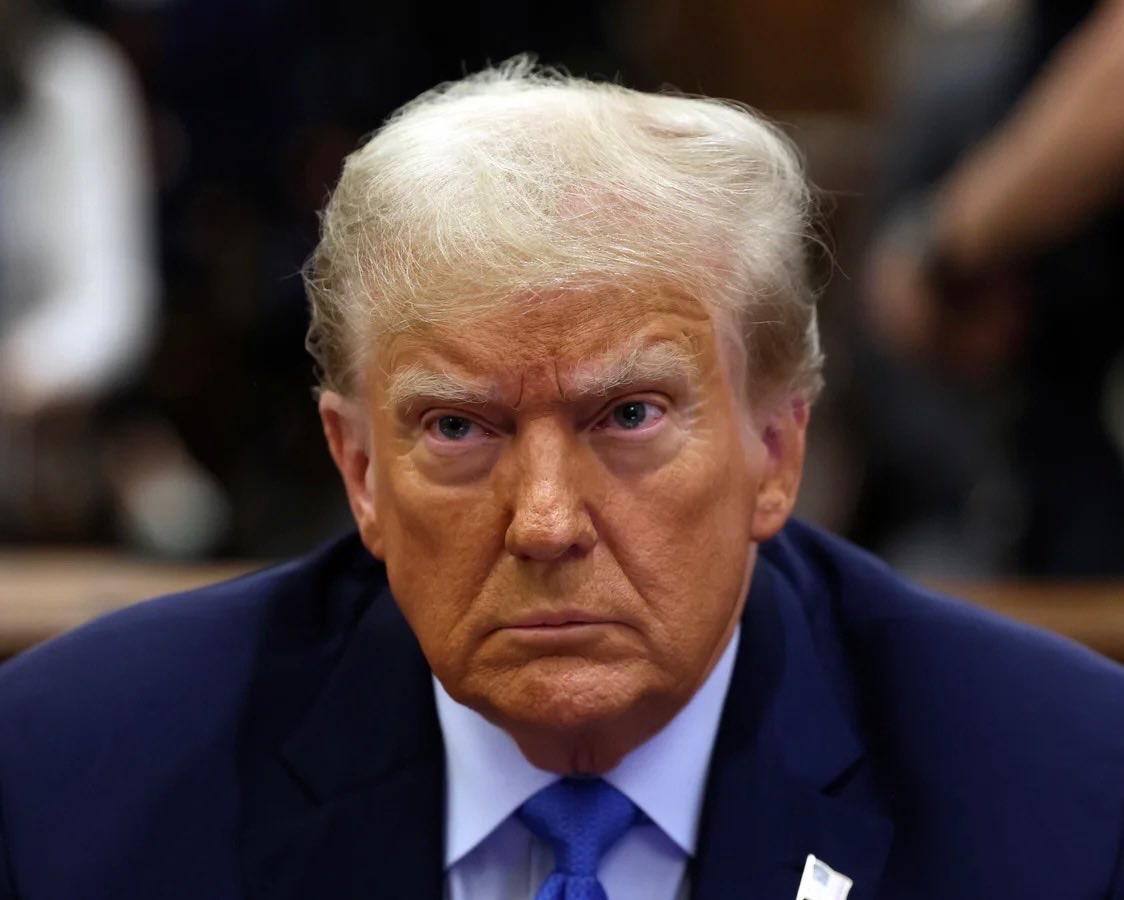
President Trump has also not agreed.
Both sides are reviewing the deal, no "final deal" has been reached at this time.
🚨 U.S.–IRAN DEAL PENDING TRUMP APPROVAL
U.S. and Iranian negotiators have agreed on a 60-day ceasefire and framework for nuclear talks, but the deal still awaits final approval from President Trump.
The memorandum would reopen negotiations on Iran’s nuclear program, ensure unrestricted shipping through the Strait of Hormuz, and include Iranian commitments on uranium enrichment, alongside possible sanctions relief discussions.
Officials say most terms are settled, but final authorization from top leadership on both sides is still pending, with Trump reportedly taking a few days to decide.
EXPECTED TERMS OF US-IRAN 60-DAY CEASEFIRE EXTENSION, PER AXIOS:
1. The ceasefire will be extended via a "Memorandum of Understanding"
2. This establishes a 60-day window to "launch negotiations on Iran's nuclear program"
3. During the 60-day period, shipping through the Strait of Hormuz will be "unrestricted"
4. The US Navy will lift its blockade in proportion to the restoration of commercial shipping
5. Iran will include a commitment not to pursue a nuclear weapon in the Memorandum of Understanding
6. The Memorandum of Understanding will also state that the nuclear issues will be discussed "first" during the 60-day window
7. The US will commit to discussing sanction relief and the release of frozen Iranian funds
8. The Memorandum of Understanding will also include a mechanism to help Iran begin receiving goods and humanitarian aid
US stock markets are surging to fresh record highs on the news of a potential deal.
We now await final approval of the deal.