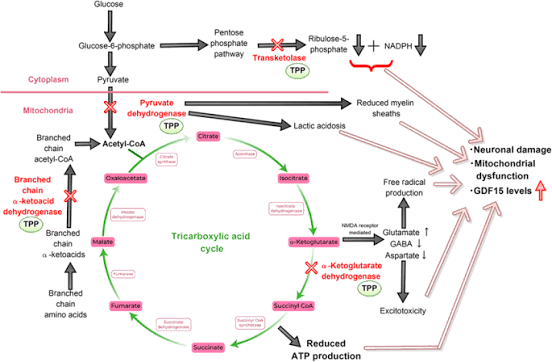
Estrogen is closely involved with pathogenesis within the cell in multiple ways. Not only is it linked with iron in the process of creating lipofuscin which involves the oxidation of reactive iron species as well as polyunsaturated fat which causes essentially damage and unsightly pigmentation on the skin.. this also happens in the brain which has high concentrations of PUFA and we don’t fully know yet how disastrous of a situation this is.. most likely very bad. Estrogen is also involved in the disregulation of intra cellular calcium which may explain it’s ability to cause over excitation within the cell and eventually cell death due to what is essentially hyperventilation and thus hypoxia
Just cheap, plain taurine can be one of the best bile support supplements out there.
Patients recovering from bile duct surgery ate a taurine rich diet for 5 days, and their conjugated bile acid nearly doubled.
The impact that a magnesium-thiamine protocol has on the well-being of someones digestive tract cannot be compared in my opinion
Impacts on cellular energy metabolism, cholinergic transmission, excitatory:inhibitory balance, usage of ATP and buffering stress are just too nice to overlook
Loo seriously into these compounds if you got any type of gut issues:
IBS
IBD
SIBO
SIFO
GERD
Gastritis
Lack of Bile
Lack of Enzymes
Insulin Resistance
Intestinal Dysbiosis
Chronic Constipation
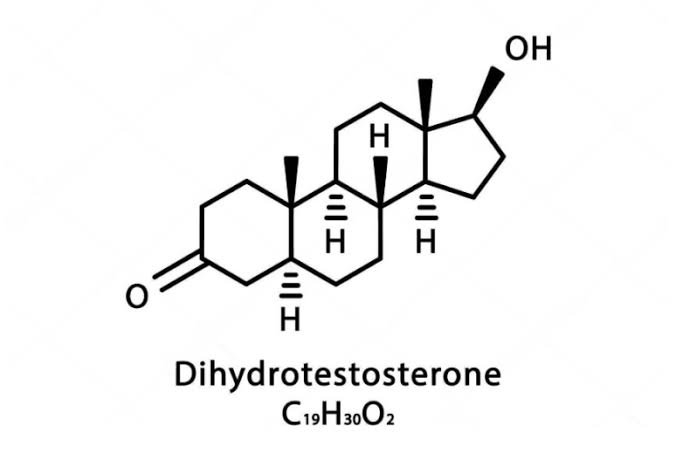
Low-dose DHT (0.75mg/day) was nephroprotective (kidney protective) in diabetic rats
It cut albuminuria by 67% and glomerulosclerosis by 61%
It also reduced fibrosis, apoptosis, and inflammatory markers
Dr. Peat on bentonite clay:
"the clay is slightly soluble in stomach acid and releases at least a little aluminum and other toxins and the particles, being very fine particles, are susceptible to persorption...contraction can force these particles right into the bloodstream"
people know Islam Makhachev represents Russia, but almost nobody asks what language he speaks at home: Lak.
same as me. our villages in Dagestan are only a couple miles apart.
~140,000 speakers left, virtually zero structured digital footprint. we always speak Lak at home with my parents.
did all the research with Codex and built the first written digital corpus for the language on Replit.
Codex helped find linguists and scientists from Stanford, Berkeley, etc., who had crossed Lak in their research and drafted emails to them. they replied quickly and were genuinely excited to mentor on the linguistic side.
the corpus is built, but i'm still getting roasted by linguists over details like morphology, case endings, and phonology.
guess what? i've never done linguistics before, and i'm not asking them to spar with me on the mats right?
the crazy part is that today with AI you end up learning so many things about a complex field on the fly.
posted about it on Instagram and woke up to thousands of messages from people offering to help translate, verify, and send scans of old books/materials. now building a community platform on Replit where native speakers can verify translations, submit dialect data, and digitize texts.
don't know where it will lead, but my parents are really happy and i needed something better to replace scrolling Instagram.
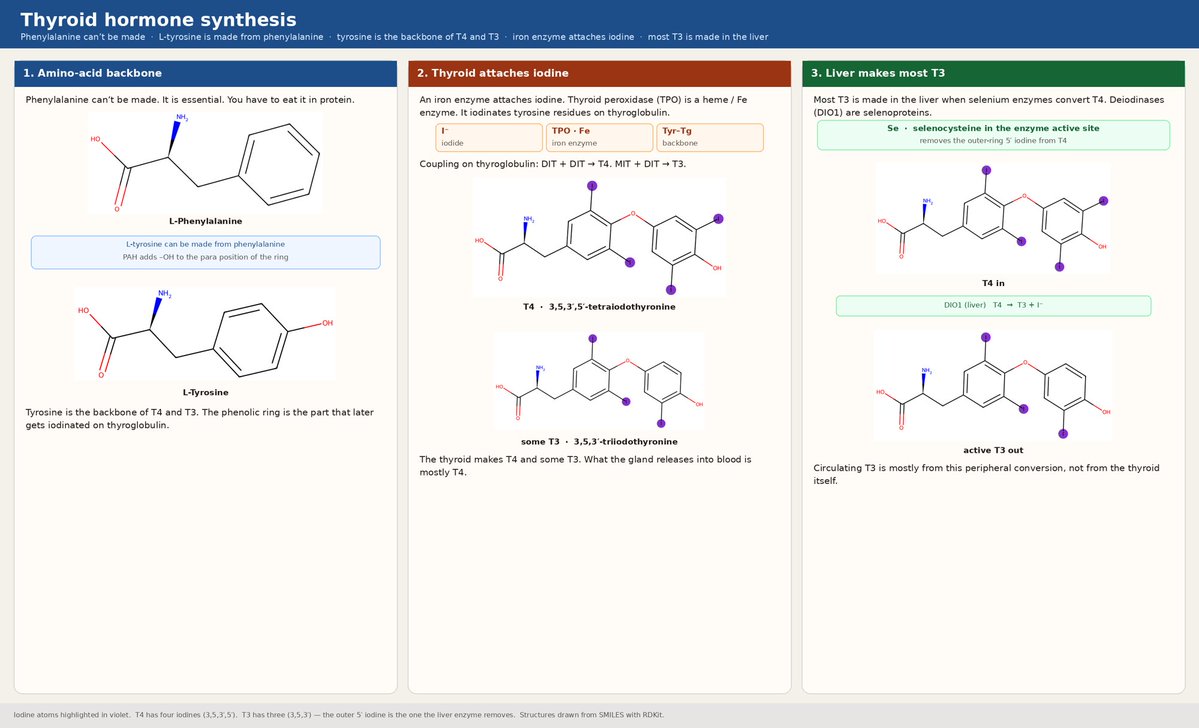
- Phenylalanine can’t be made.
- L-tyrosine can be made from phenylalanine.
- Tyrosine is the backbone of T4 and T3.
- An iron enzyme attaches iodine.
- The thyroid makes T4 and some T3.
- Most T3 is made in the liver when selenium enzymes convert T4.
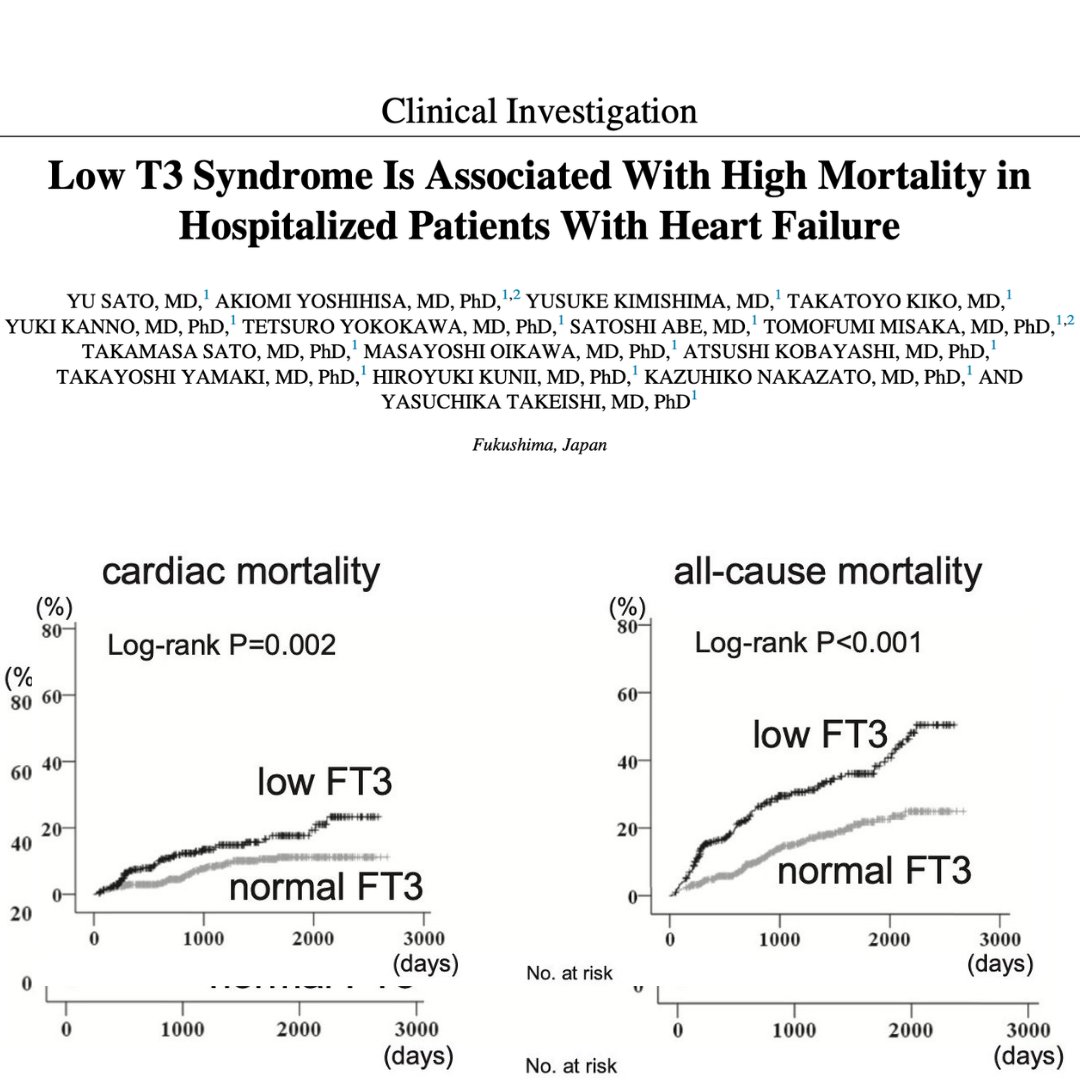
Hospitalized heart failure patients with low thyroid hormone (T3) are twice as likely to die.
The two trials that enrolled heart failure patients with low T3 both showed favorable changes with T3.
T3 led to higher stroke volume and ejection fraction, lower heart rate and norepinephrine in the first; longer 6-minute walk distance and lower NT-proBNP in the second.
NT-proBNP is released from ventricular myocytes in the heart in response to wall stretch from pressure or volume overload, so it rises with worsening heart failure and falls with decongestion or effective treatment. It is used to diagnose and to monitor heart failure.
“Low T3 syndrome in patients with HF is associated with higher cardiac and all cause-mortality.”
“In dilated cardiomyopathy patients, short-term synthetic T3 replacement therapy significantly improved neuroendocrine profile and ventricular performance. These data encourage further controlled trials with more patients and longer periods of synthetic T3 administration.”
“The 6-min walk distance increased in the T3 group by 93 ± 16 m and in the placebo group by 67 ± 28 m, resulting in a treatment effect of 26 m. A higher decrease of high-sensitivity C-reactive protein level was seen in the T3 group than in the placebo group. T3 markedly decreased serum N-terminal pro-brain natriuretic peptide level compared with the placebo (P = 0.01). A significant increase was also seen in the left ventricular ejection fraction by T3 as compared with the placebo.”
Note: T3 is not a fix-all for heart issues, and excess can precipitate potentially fatal cardiac events. It’s about optimization and balance.
Ref:
Low T3 Syndrome Is Associated With High Mortality in Hospitalized Patients With Heart Failure
Acute effects of triiodothyronine (T3) replacement therapy in patients with chronic heart failure and low-T3 syndrome: a randomized, placebo-controlled study
Effects of triiodothyronine replacement therapy in patients with chronic stable heart failure and low-triiodothyronine syndrome: a randomized, double-blind, placebo-controlled study https://t.co/u0osfliixl
Levothyroxine normalizes TSH but lowers resting metabolism.
Levo leads to a higher T4:T3 - more inactive (T4), less active thyroid hormone (T3).
“T4 replacement therapy (levothyroxine) may not fully correct metabolic alterations related to hypothyroidism.”
Of course it doesn’t.
That’s because T3, the active thyroid hormone that’s largely responsible for calorie burn, is lower on levothyroxine monotherapy.
“FT4 levels were significantly higher and FT3 levels were significantly lower in levothyroxine-treated athyreotic patients than in matched euthyroid controls.”
“In a large population study, participants using LT4 exhibited lower serum T3:T4 ratios and differed in 12/52 objective and subjective measures.”
“Our study revealed that combined therapy and DTE(NDT) lead to higher T3 and lower T4 levels, compared to T4 monotherapy in hypothyroidism.”
Ref:
Resting Energy Expenditure in Obese Women with Primary Hypothyroidism and Appropriate Levothyroxine Replacement Therapy
Levothyroxine monotherapy cannot guarantee euthyroidism in all athyreotic patients
Is a Normal TSH Synonymous With “Euthyroidism” in Levothyroxine Monotherapy?
Evaluating the effectiveness of combined T4 and T3 therapy or desiccated thyroid versus T4 monotherapy in hypothyroidism: a systematic review and meta-analysis https://t.co/BugekV2dmX
Coffee increases T2, the other “thyroid hormone”.
T2 is a thyroid hormone metabolite with a pro-metabolic effect. In animals, it can reverse liver damage and insulin resistance.
In humans, T2 levels are associated with coffee metabolites, suggesting that drinking coffee may be one way to increase T2 naturally.
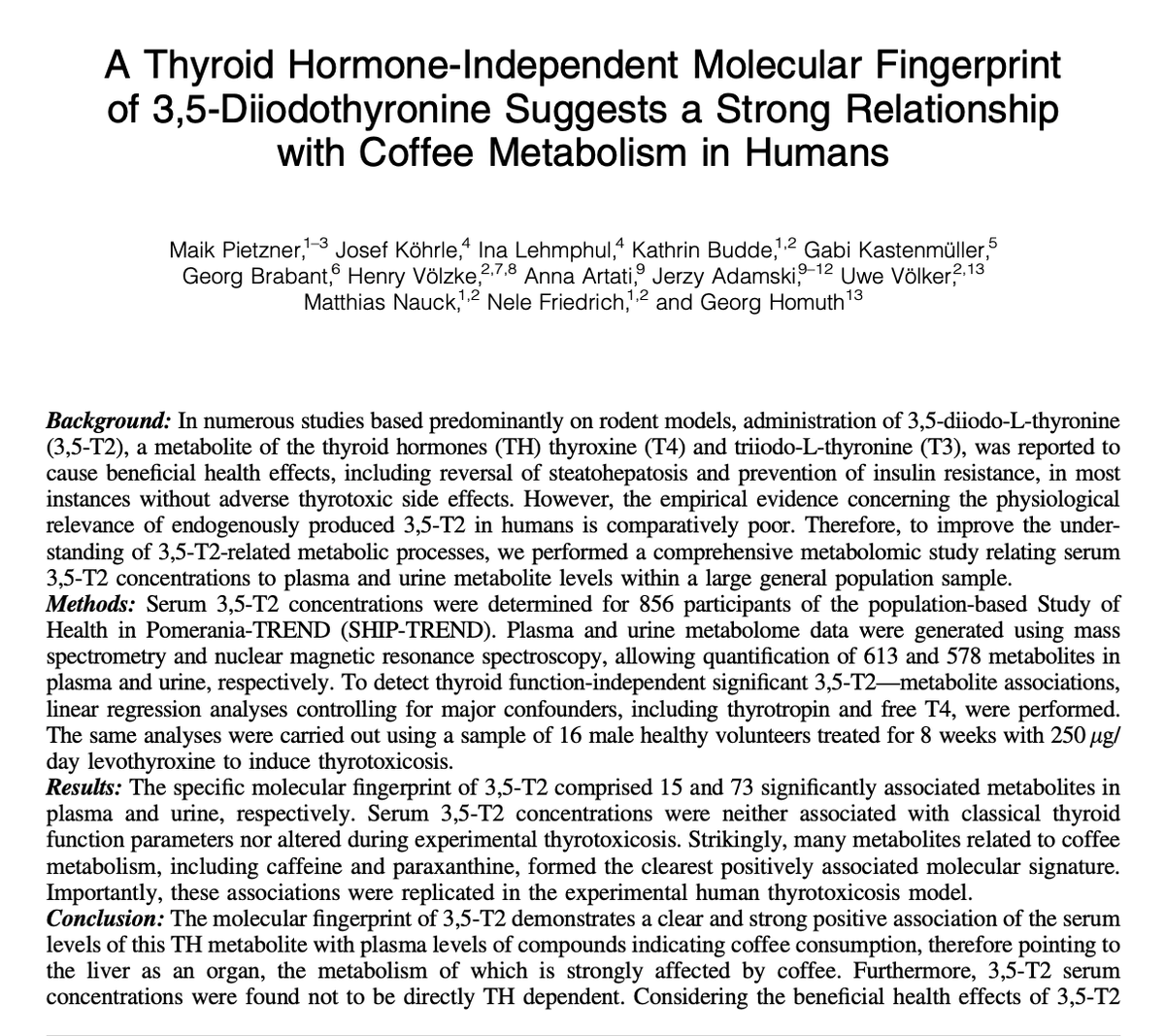
“In numerous studies based predominantly on rodent models, administration of T2, a metabolite of the thyroid hormones, was reported to cause beneficial health effects, including reversal of steatohepatosis and prevention of insulin resistance, in most instances without adverse thyrotoxic side effects...
The molecular fingerprint of 3,5-T2 demonstrates a clear and strong positive association of the serum levels of this thyroid hormone metabolite with plasma levels of compounds indicating coffee consumption (in humans), therefore pointing to the liver as an organ, the metabolism of which is strongly affected by coffee.
Furthermore, T2 serum concentrations were found not to be directly thyroid hormone dependent. Considering the beneficial health effects of T2 administration observed in animal models, and those of coffee consumption demonstrated in large epidemiological studies, one might speculate that coffee-stimulated hepatic T2 production or accumulation represents an important molecular link in this connection.”
The paper refers to 3,5-T2, which is the isomer of T2 sold as a supplement. The other isomers are 3,2-T2 and 3,3-T2, but they are regarded as practically inactive.
T2 has gotten a lot of attention as a supplement recently, marketed mostly as a fat burner. I’m pretty cautious about it as it reduces thyroid hormones by pituitary feedback. It’s unclear whether supraphysiological dosing is safe because it can lower T3, and high doses cause cardiac hypertrophy in some animal experiments. T2 may not be a full substitute for T3, so long-term use may have some of the same outcomes as hypothyroidism/lower T3.
“In the meantime, the current literature and the results presented by Jonas et al (11) indicate that, in addition to increased metabolism and reduced fat mass, T2 administration also leads to suppression of the HPT axis, increased food intake, and cardiac hypertrophy. A particular point of concern is the observation that the lower dose of T2 used by the authors exerts negligible effects on adiposity and metabolic outcomes, yet results in a marked suppression of the HPT axis leading to reduced levels of circulating T4 and T3 (and presumably TSH), with unknown long-term consequences. The implication of this finding is that, for a given dose, the detrimental effects of T2 on the HPT axis may preferentially occur before the intended metabolic ones. Thus, for the time being, these new data should compel users of T2-containing supplements to assess their thyroid status, err on the side of caution, and limit their daily dose, as appropriate.”
Ref:
3,5-Diiodo-L-Thyronine (T2) in Dietary Supplements: What Are the Physiological Effects?
A Thyroid Hormone-Independent Molecular Fingerprint of 3,5-Diiodothyronine Suggests a Strong Relationship with Coffee Metabolism in Humans https://t.co/zVd3bQKh8z
I have two ways for your to test endotoxins/LPS through serum labs:
1 - Vibrant Wellness Wheat Zoomer IGG+IGM (needs qualified practitioner to order it for you)
2 - KBMO Diagnostics through Rupa Store IGG+IGA, link in my bio (no affiliation, I don't get your results)
If you live in a big city you need vitamin E.
This study shows that gamma tocopherol protects against smoke induced inflammation.
While many products focus on alpha tocopherol, many studies show how gamma tocopherol is much more effective in lowering smoke induced inflammation and reactive nitrogen species.
Has anyone tried T3 specifically for PFS?
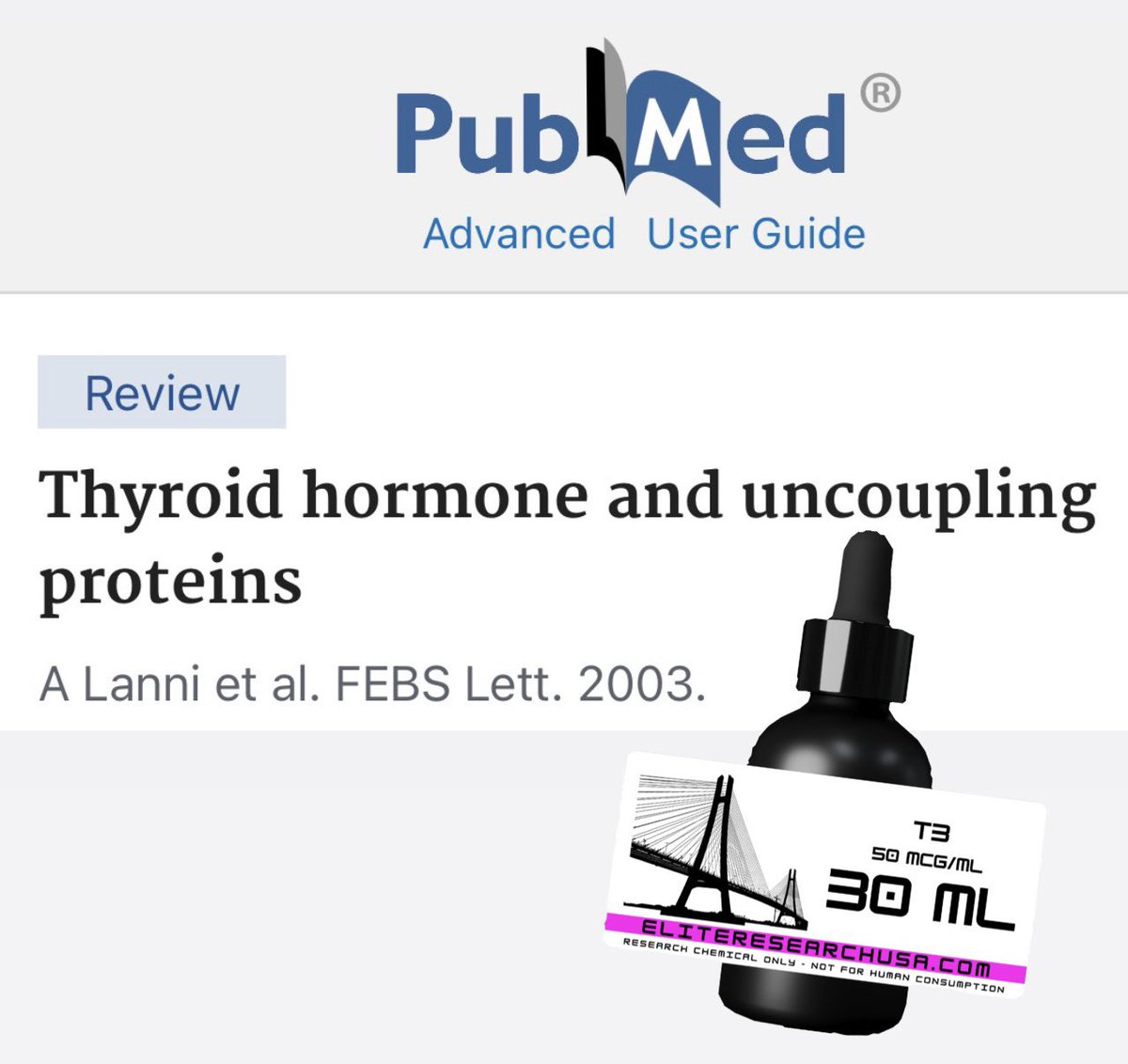
The thyroid and 5AR connection has the strongest human evidence. Low thyroid states reduce 5AR metabolism, while T3 shifts it toward normal (PMIDs: 5920076, 7307277, 956342, 16402926). But the more interesting possibility is everything T3 could influence beyond 5AR.
Androgen receptor signalling: PFS studies have reported increased androgen receptor expression and nuclear AR staining in genital tissue, alongside thousands of altered genes (PMIDs: 24959691, 34247957). More receptors do not necessarily mean stronger androgen signalling. Cells can increase receptor expression when the signal or downstream response is insufficient. T3 regulates AR messenger RNA, receptor protein, cofactors and cellular responsiveness to androgens. It could therefore help restore the relationship between androgen levels, receptor expression and androgen responsive transcription (PMIDs: 8568470, 9496232, 10098501).
Neurosteroids: PFS cohorts have shown altered allopregnanolone, pregnenolone, progesterone and other neuroactive steroids in plasma and cerebrospinal fluid (PMIDs: 24717976, 28408350). T3 influences steroidogenic enzymes, mitochondrial cholesterol metabolism and 5AR neurosteroid production. Restoring these pathways could improve GABA signalling, mood, sleep, cognition, stress tolerance and sexual behaviour.
Cortisol: finasteride changes glucocorticoid metabolism, while hypothyroidism reduces cortisol clearance and prolongs its half life. Thyroid replacement increases cortisol clearance and changes the balance of cortisol metabolites (PMIDs: 2294128, 16402926, 24823464). T3 could therefore improve fatigue, poor stress tolerance, sleep disruption and abnormal cortisol exposure without directly blocking cortisol.
Mitochondria and energy: T3 controls mitochondrial respiration, glucose oxidation, oxygen consumption, ATP production and metabolic rate. A low thyroid state can produce fatigue, coldness, brain fog, low libido, weak exercise tolerance and slow recovery even when testosterone is normal. Restoring T3 signalling could improve the energy required for steroid synthesis, neurotransmission, tissue repair and androgen responsive gene expression.
Sexual function and fertility: thyroid signalling regulates Leydig cells, Sertoli cells, testosterone synthesis, androgen receptor expression, SHBG, prolactin, erectile function and spermatogenesis. Thyroid dysfunction is associated with erectile and ejaculatory problems, reduced libido and abnormal semen parameters (PMIDs: 12893516, 22395839, 38347677). T3 could improve sexual function through several pathways at once instead of relying only on higher DHT.
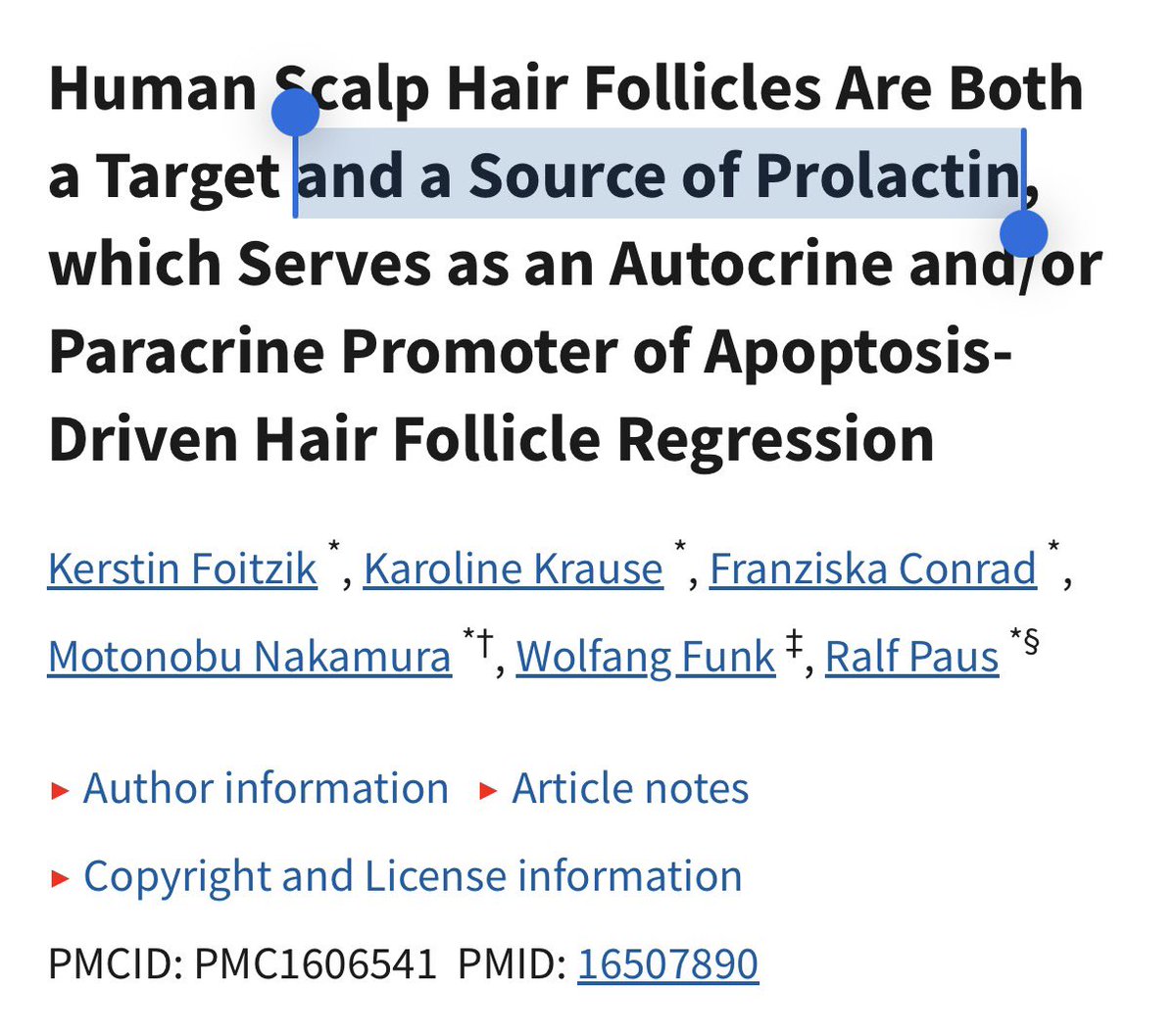
Prolactin and dopamine: hypothyroidism can increase TRH and prolactin, which can suppress libido, gonadal signalling and dopamine related sexual motivation. Restoring thyroid function can lower prolactin when the elevation is thyroid driven, potentially improving libido, erections, motivation and gonadal function.
Gut function: thyroid hormone controls intestinal motility, secretion, transit time and energy availability in the intestinal barrier. Slow thyroid function can create constipation, bacterial overgrowth and microbiome changes. PFS and thyroid disorders have both been associated with altered gut microbial composition (PMIDs: 32951160, 33224194). T3 could improve the environment producing the dysbiosis rather than targeting individual bacterial species.
Gene expression: thyroid receptors are nuclear receptors that regulate large transcriptional programs involving metabolism, mitochondria, steroidogenesis and other hormone receptors. PFS studies have reported SRD5A2 methylation and broad changes in penile tissue gene expression (PMIDs: 31272082, 34247957). T3 could potentially shift the transcriptional environment that maintains these changes, including AR related gene expression.
Aspirin is not a “blood thinner brand.”
It stops platelets from dumping thromboxane, lowers free fatty acids so glucose can enter the cell, It's anti esrogenic, lowers serotonin and increases androgens,
I co-authored a paper for a medical journal on this precise topic in 2012 and withdrew my section because the other authors were promoting a conclusion that I disagreed with.
Its not just viral infection, but all ‘tryptophan auxotrophs.’ - borrelia, etc.
IDO1 is exactly what developing trophoblasts use to insulate against immune rejection in mammalian pregnancy through kynurenine -> arylhydrocarbon receptor agonism.
What few realize is that IDO1 is expressed by the vitamin D receptor -> interferon gamma increases CYP27B1 -> hydoxylation of 25D-> 1,25D -> IDO1.
Darkness maxing drives the antiviral machinary of the night.
All encompassed in the coming Dannick Cycle paper.