@Winnersrow@Jodyrenee12@luxemiaa@sallyanne_mae holy crap, not once BUT TWICE in 7 months. it was horrifying, not because it happened (i was expecting it cos i knew older women) but it came with cramps which i had NEVER HAD ever in my life. CRAMPS.
Tom Holland on his alc0hol drinking addiction.
He took care of the problem before it was too late… He’s so real for sharing this ❤️🩹
He’s speaking in a British accent with American ways lol 😂
AND STILL!! 🥊👑
Lauren Price retains her unified WBA, IBF, WBC, IBO & Ring Magazine welterweight world titles with a unanimous victory over Stephanie Pineiro in a brilliant contest
#BBCBoxing
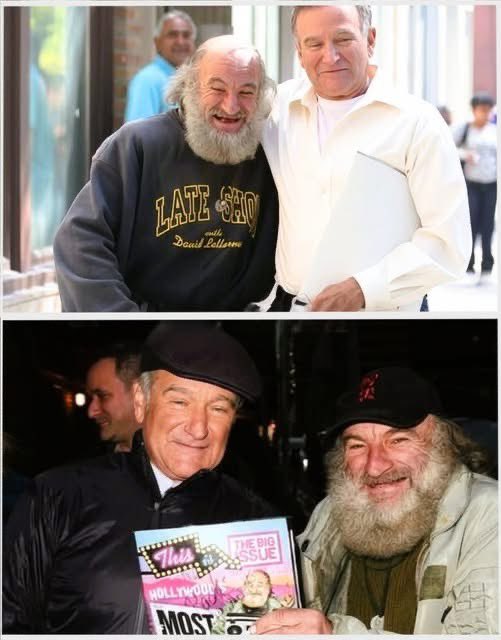
In the early 1990s, while filming Mrs. Doubtfire (1993) in San Francisco, Robin Williams made a quiet request. He asked the crew to hire a few people from a nearby homeless shelter. No one knew why—he didn’t want anyone to. Later, an assistant director revealed that Robin had a habit of doing this on every film he worked on. He always wanted jobs to go to those struggling to find a place in the world.
One man, hired to help with catering, later said, “He treated me like I’d been part of the team all along. He joked with me every day like we were old friends.”
It wasn’t just a one-time act of kindness. Throughout his career, Robin quietly made sure at least ten homeless people were hired on every movie he filmed. By the end of his life, around 1,500 people had been given jobs because of him. He never spoke about it in interviews, never wanted credit. Only after his death did directors start revealing what he had done.
In the late 1980s, after a stand-up show in New York, Robin slipped into a nearby shelter—alone, no cameras, no attention. He brought pizza, sat cross-legged on the floor, and just listened. One man later said, “He didn’t ask about our mistakes. He asked what made us laugh as kids. Who does that?”
While filming Good Will Hunting (1997), Robin again asked the studio to hire people from local shelters. One man, who had been homeless, ended up saving enough to rent his own apartment. “Robin bought him a suit for job interviews,” a crew member remembered. “He said, ‘Everyone deserves a second act.’”
Many shelters later discovered that large “anonymous” donations had come from Robin himself. One Los Angeles shelter only found out when a thank-you letter was returned marked “no such address.” A worker recognized the handwriting as Robin’s. He never wanted the spotlight—just results.
Whoopi Goldberg once said, “He didn’t want applause for helping. He wanted action.”
During Patch Adams (1998), Robin visited a shelter in West Virginia carrying boxes of socks, gloves, and coats. When a volunteer asked why, he smiled and said softly, “The weather’s turning. And cold doesn’t care if you’re tired.”
Even when he was on tour, Robin would quietly walk the streets at dawn, handing out coffee and sandwiches to those sleeping rough. A guard once asked why he came. Robin simply replied, “Because this is where people are.”
When promoting The Fisher King (1991), where he played a homeless man, Robin said something that summed up his heart:
“It’s not about feeling sorry. It’s about recognizing someone’s humanity, even when the world refuses to.”
Robin Williams never needed applause to do good. He gave love without asking for it back. He used laughter to heal, kindness to lift, and silence to build bridges where the world had built fences.
“He believed that the smallest act of kindness could echo louder than any standing ovation.”
@MatthewCoast I did it for 21 years, neglecting myself and my needs. Until September last year i had a break down and off on sick. Feel useless. Crap mum, crap wife, crap daughter and crap teacher. I’m working on myself and getting counselling 😢