Analyzing the #VandyBoys offense after the fall:
-Power + speed up and down the lineup
-3 standout freshmen + 3 standout transfers
-Who will be the odd one out?
https://t.co/hftiymtlVy
𝐍𝐚𝐭𝐮𝐫𝐚𝐥 𝐒𝐭𝐚𝐭𝐞 𝐅𝐚𝐥𝐥 𝐆𝐚𝐦𝐞𝐬: 𝐒𝐭𝐚𝐭𝐢𝐬𝐭𝐢𝐜𝐚𝐥 𝐋𝐞𝐚𝐝𝐞𝐫𝐛𝐨𝐚𝐫𝐝𝐬
Stat leaders from the Natural State Fall Games, held at the University of Central Arkansas on October 17.
See how the players stacked up across the board — full leaderboards including data, metrics and more 👇
📊 https://t.co/LYasbgnELT
A message to high school baseball players:
Over the last couple of weeks, I’ve seen an alarming number of players reopening their recruitment after previously making verbal commitments to college programs.
There’s a reason this is happening, and I think young players need to understand the reality of college baseball today.
With the transfer portal, roster limitations, increased competition, and coaching staffs constantly evaluating their programs, college baseball has become more competitive than ever. Programs are making difficult roster decisions, and unfortunately, some of those decisions impact high school players who thought their futures were already secured.
Here’s the reality: A verbal commitment is not a binding guarantee. Until the appropriate paperwork is signed, your commitment isn’t formally secured.
And even after the paperwork is signed, that doesn’t guarantee you a roster spot, playing time, or a long-term future with that program.
But there’s a bigger lesson here that goes well beyond recruiting.
Your work ethic should NEVER change because you’ve reached a milestone.
Getting a college commitment isn’t the finish line.
Your first day on a college campus isn’t the finish line.
Becoming draft eligible isn’t the finish line.
Hearing your name called in the MLB Draft isn’t the finish line.
Signing your first professional contract isn’t the finish line.
Every level of this game presents a new challenge, and every time you advance, the competition gets better.
I’ve seen far too many talented players become comfortable once they’ve received the recognition or opportunity they’ve been chasing. The same consistency, discipline, and work ethic that helped you earn that opportunity are exactly what you’ll need to keep it.
This is also why I’ve been so vocal about the importance of high school players continuing to COMPETE.
Development is critical. Strength training, skill work, recovery, and preparing your body for the next level all matter. But there is a part of player development that simply cannot be replicated outside of competition.
You need to learn how to make adjustments against quality pitching. You need to learn how to execute when the game is on the line. You need to experience failure, manage adversity, and figure out how to compete when things aren’t going your way.
You need to learn how to show up and perform when the guy across from you is just as talented as you are.
You cannot replicate all of that in a cage, bullpen, or weight room.
I’m not suggesting players need to compete year-round without rest or that more games automatically make someone better. I’m saying that meaningful competition against quality opponents needs to remain a priority throughout your development.
Too often, I see players become so focused on protecting their ranking, draft stock, or commitment that they start avoiding situations where they might struggle or get exposed.
But what happens when you show up for your first day of college baseball?
You’re surrounded by players who were the best on their high school teams. Some are older, stronger, and more experienced. Some have already competed against high-level college competition for multiple years.
And if you’re fortunate enough to play professionally, that competition becomes even more demanding.
Your first day of college or professional baseball should not be the first time you’ve been consistently challenged by players at or above your ability level.
That’s why I believe competing is such an important part of preparing for the next level. The goal isn’t simply to accumulate games. It’s to put yourself in environments that force you to make adjustments, handle pressure, and become a better baseball player.
And understand this: There is always someone working to take your spot. That’s not meant to scare you. That’s the reality of competitive athletics.
Continued 🧵
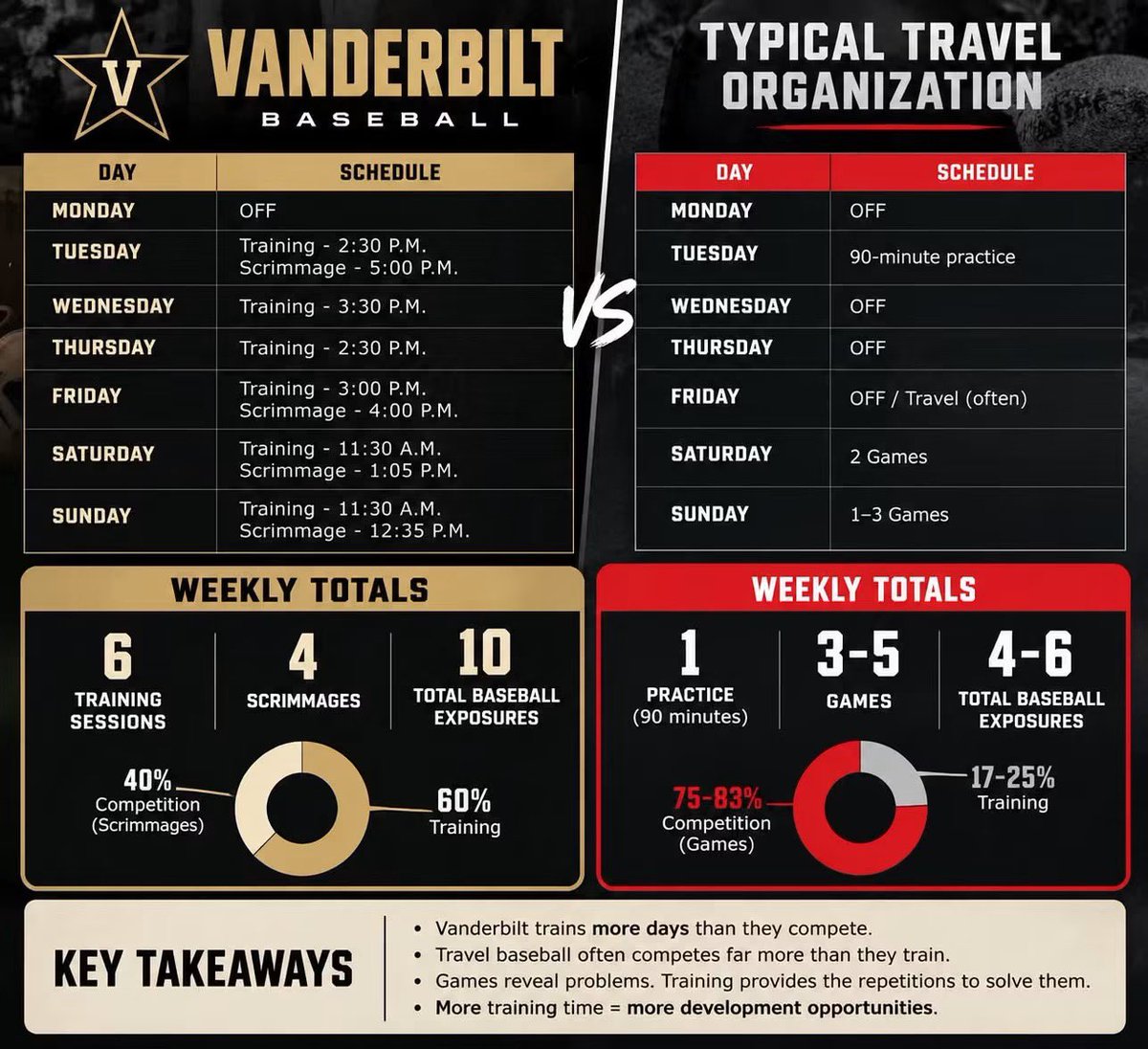
Vandy is just one example of how it should be done vs. the unfortunate reality of how it’s typically done. For players, the other important part here is: what do you do on your own? There’s not much stopping you from getting extra swings, groundballs, working on picks, etc., etc.
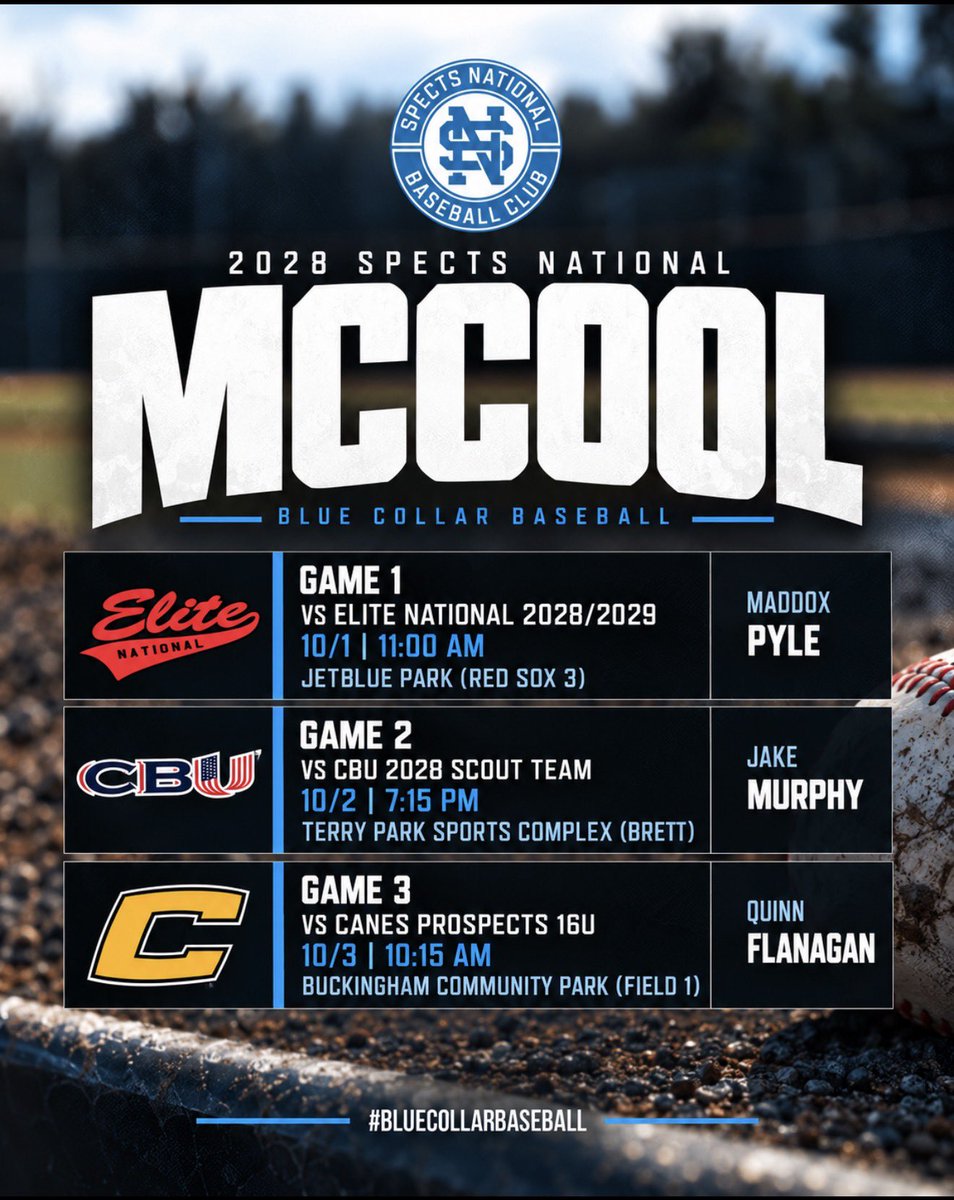
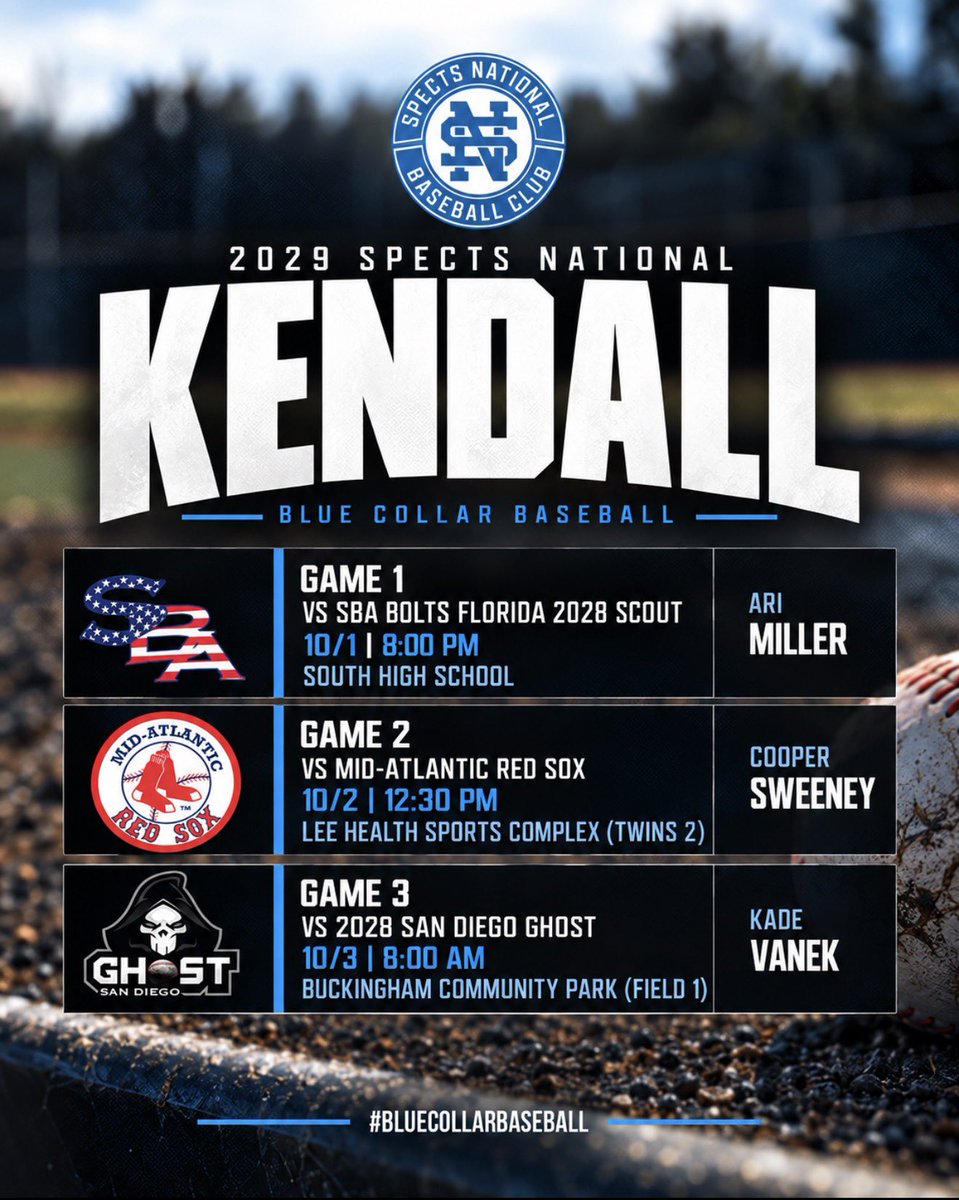
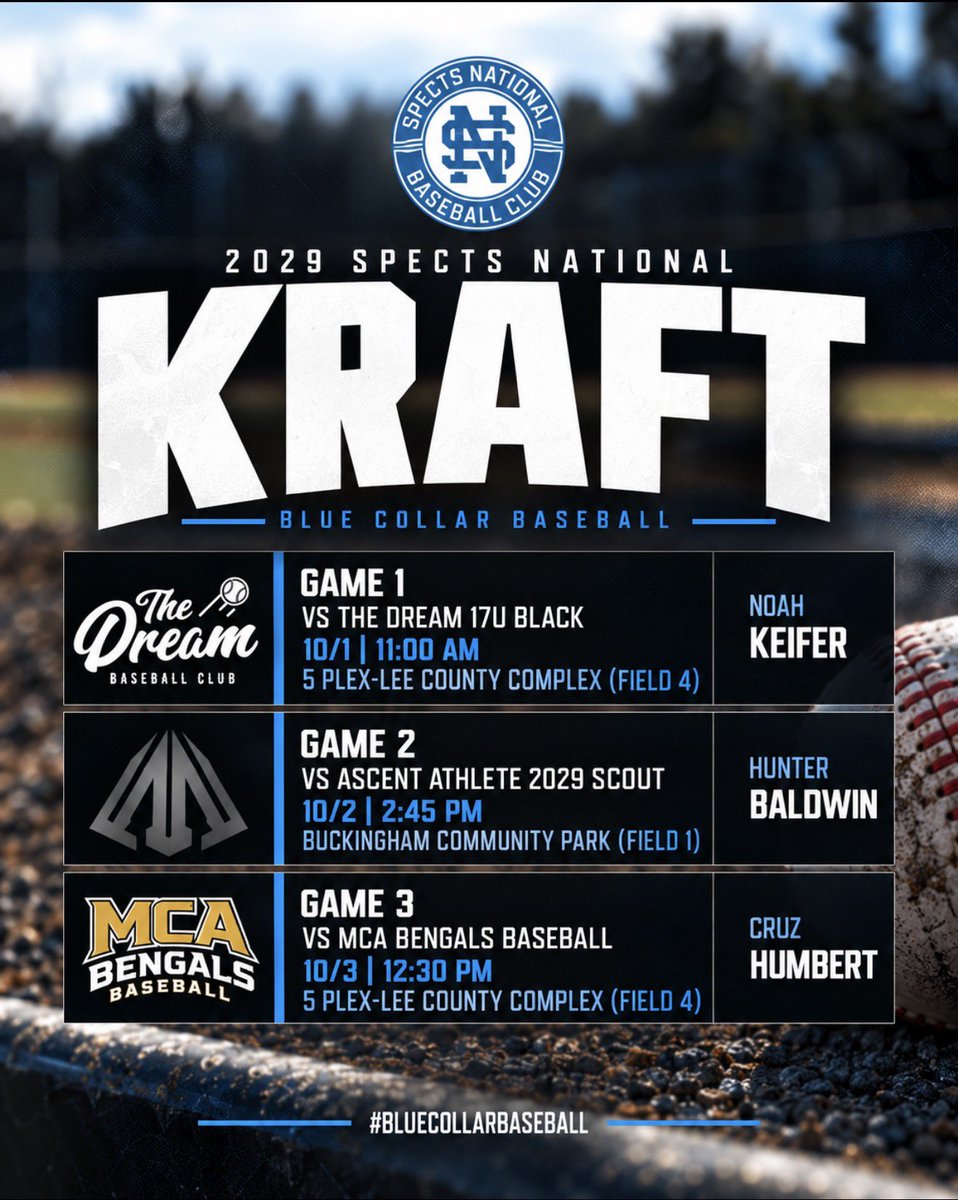
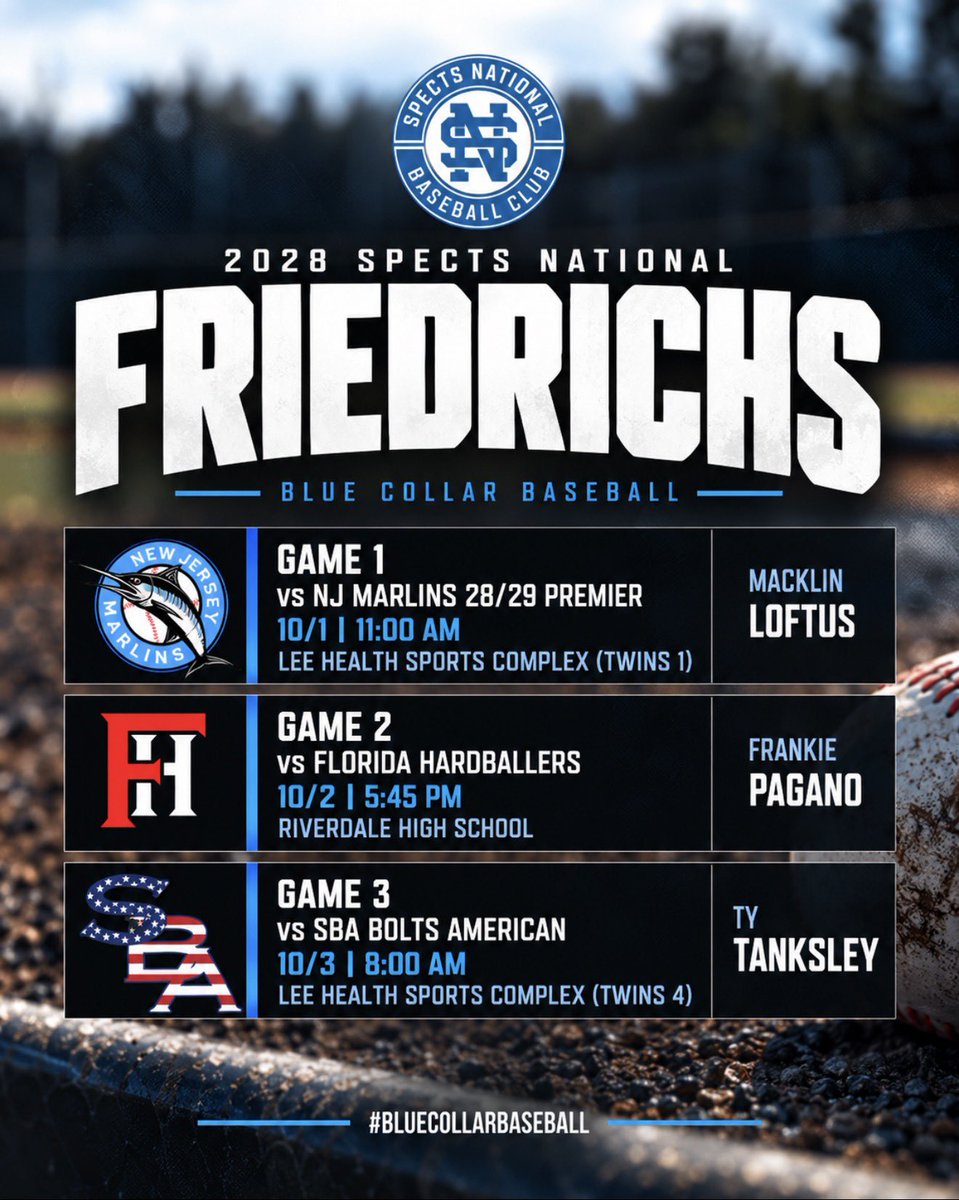
Six Spects National teams back in action this week in Florida and Kansas City.
WWBA Underclass World Championship
2028 Friedrichs
2028 McCool
2029 Kendall
2029 Kraft
PBR KC Challenge
2031 Hoogerwerf
2031 Stahlecker
Another weekend to compete and represent.
#BlueCollarBaseball
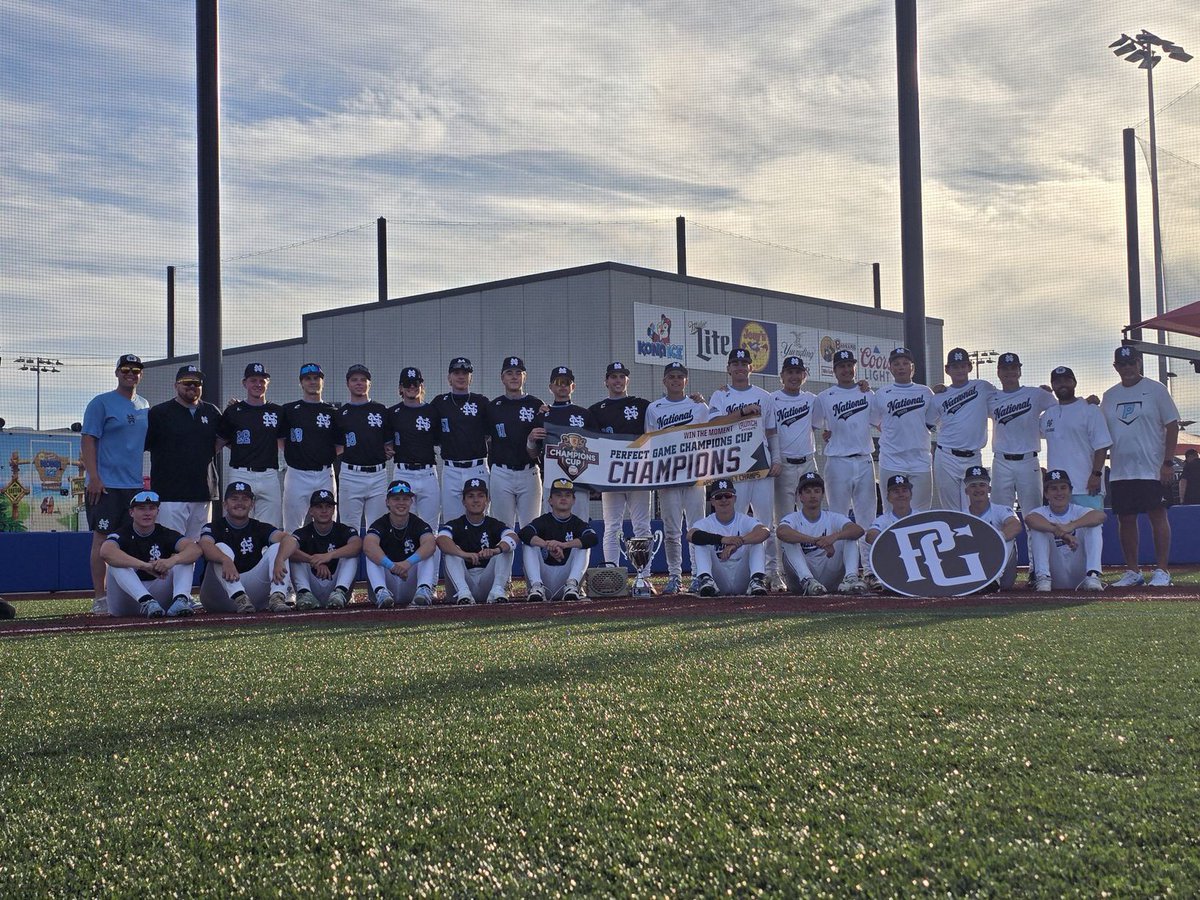
Spects National finishes the Champions Cup 23-5-2 overall.
2028 Friedrichs/McCool: Co-Champions
2029 Kraft: Runner-Up
2027 Marsolek: Semifinals
2030 Von Behren: Semifinals
2027 Gominsky: Quarterfinals
Good Luck to all Spects teams competing this upcoming weekend!
#BlueCollar
‘29 RHP Noah Keifer (AR) earns the win in a 1-0 game with his stellar 6 shutout innings. He punched out 8 hitters on an efficient 64% strikes. FB T84 early on and settled into 79-81 throughout. The BB was his primary offspeed pitch with a 12/6 shape and sat 70-72. #MWChampsCup@PGMidwestBB