I'm Steve Mouzon, author of the Original Green book and blog, which attempt to unlock the sustainability all our ancestors knew by heart, but which is now lost.
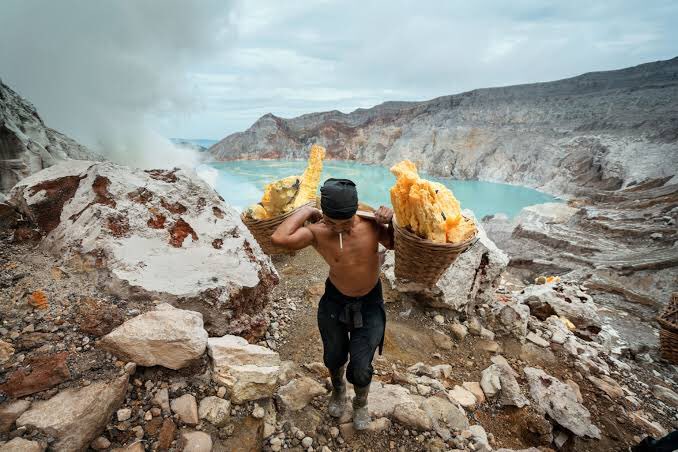
"Sulfuric acid is required for the production of phosphorus fertilisers that feed the world, & for extracting rare metals from ores essential to the rapidly required green economy transition, like cobalt, nickel used in high-performance Li-ion batteries."
https://t.co/UBForc9Qfd
I consider myself well read on possible scenarios of forced future de-growth (i.e. collapse lite), but I did not have catastrophic sulphur acid shortages on my bingo card. The future isn't autonomous EVs and robot maids: it is good walking boots, bicycles and scythes.
The most important thing about this amazing Paris transformation is how fast it happened — how fast people on bikes “appeared” — once streets were transformed. You can’t write this off as “Paris was always this way,” because it wasn’t.
It took leadership.
As I walk out of @BKBoroHall for the last time after 7 years, I found this quote (from where I can’t remember) I stuck to my desk in the early days of being overwhelmed by assuming the role of @ericadamsfornyc COS. Here’s to continuing to make more correct than wrong decisions.
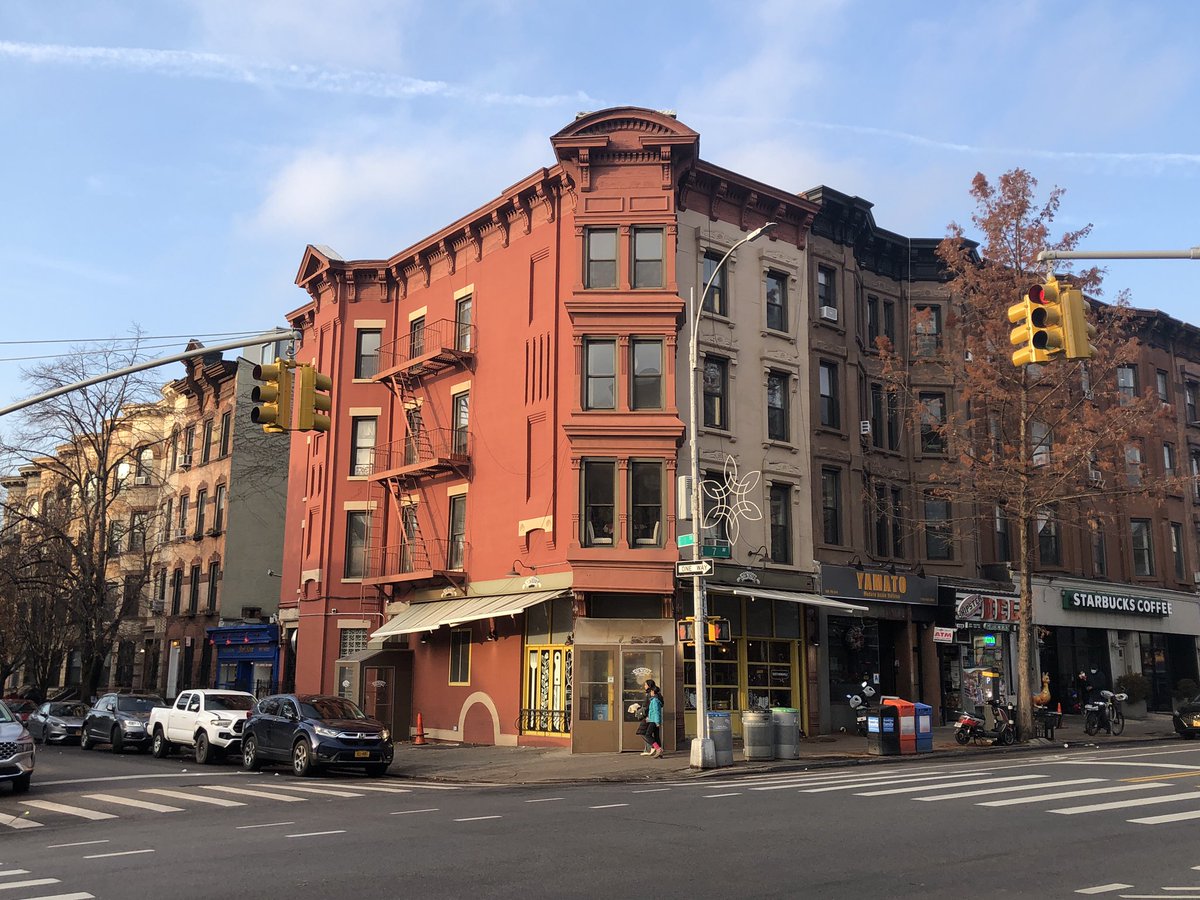
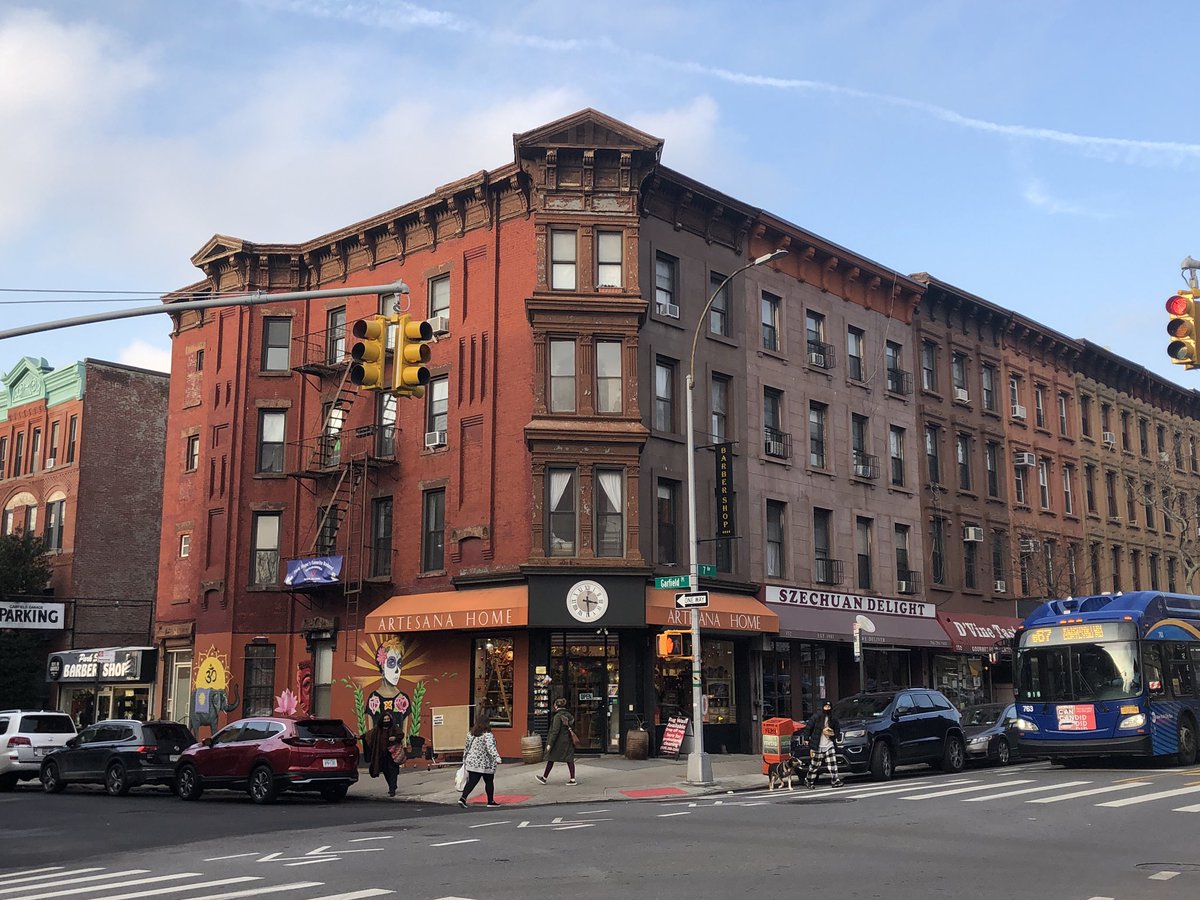
An important but too often overlooked architectural detail that supports walkability / urbanism is the chamfered corner facade. Park Slope’s 5th and 7th Avenues feature many good examples.
“I am very proud of my son, William, for his growing commitment to the environment and the bold ambition of the Earthshot Prize. As a world, we need to come together to inspire, reimagine and build the sustainable future we so desperately need.”
- HRH The Prince of Wales
I was talking to a homeowner at @AlysBeachFl several years ago and told her that we designed the courtyard pools to provide the psychological cooling water is known for. She said “that’s not all. Because the courtyards are so private, if it’s warm, I just get naked and step in!
Build as if you’re building for the ages, not just the 8 years you’ll inhabit this place. Leave good traces of who you are and what you stand for in the places you build, and see to it that they lift both your spirits and those who come later, long after you are gone.
Build as if walking to school was normal and legal again. This means putting more eyes on the street to see the kids as they go, and also kids walking together rather than alone. Walk them to school or walk them home if you can, or befriend a neighbor who can. Or do it together.
Build as if you care about the youngest and the oldest. They usually don't drive. Build streets safe for them, and you've built streets safe for us all.
Build as if your neighborhood will be sustained by the young who can afford to move in rather than becoming a geriatric enclave that dies with you. To do this, they need accessory dwellings, Missing Middle Housing & other places they can afford. Around the block, not across town.
Build as if you want your kids to stay, not move away. In their teen years, don't bore them with subdivisions and office parks. If a Millennial won't work there, don't ask your kids to play there. After school or service, where can they afford to live in your neighborhood?
Build as if your land could nourish you. A home garden won't supplant all trips to the grocery, but the freshest food comes from closest around. And if you plant things, why not edible things? Don't let your yard lay fallow while you spend more of your money at the grocery store.
Build as if your neighbors were your friends, not just your subdivision co-habitators. You'll need a front porch in temperate climates for visiting with them, but also a very private courtyard where you can be alone with your family because we are at our best when we have both.
Build as if daylight is your first light, and artificial light is reserved for the night. The windows you'll add will also be great for cross-ventilation in warmer months, and everything in rooms with light on two sides (including the people) will be more beautiful.
Build as if you can’t afford to throw it away, and even if the future is different than what you thought, you've loved the making more, and will love the inhabitation more as well!
Build as if your children will inherit your house, and pass it down to future generations. To do this, they need to live with you there after 18, so design the 3-generation house, which is what's necessary to keep a home in the family. Why live somewhere you don't want to keep?