Nick Fuentes says EVERYTHING is on the line for 2028 and that a complete takeover of the Republican Party is required
"This one's for all the marbles... It's either gonna happen in 28 or we go into exile for 10 years or something... I'm dialed in like never before."
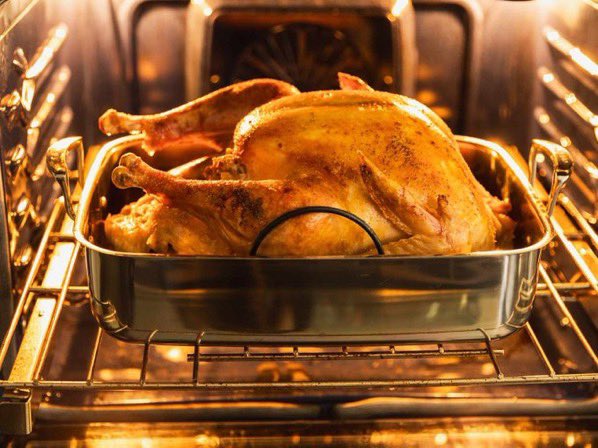
🚨 Jake Shields is demanding answers after discovering Thanksgiving falls on the fourth Thursday of November every single year.
“their not even trident to hide it anymore.”
Notice how their ideal woke guy is still tall and not fat. These bitches would take MAGA cock if he was tall enough, thin enough and handsome. Its all so performative and shallow
162 years ago today the only real battle of Sherman's March to the Sea was fought near Macon, Georgia, and it was one of the most heartbreaking small engagements of the war. The Confederacy, having almost nothing left to throw in Sherman's path, sent old men and young boys to charge entrenched veterans, and they were cut down in rows.
For a week, Sherman's army had marched across Georgia almost unopposed, because the Confederacy's main western army had gone the other way, into Tennessee. In its place stood only scattered cavalry and the Georgia state militia, the men who were left: too old or too young for the regular army, graying fathers and teenage boys, hastily armed and sent to defend their state.
The trouble came, as it often did, from a misreading of the situation. After Sherman's cavalry had feinted at Macon and pulled back, the Confederate militia commanders believed they were pursuing a retreating or vulnerable enemy. On November 22, a force of Georgia militia under Pleasant Philips, perhaps not fully understanding what they faced, advanced on a Union position near Griswoldville. There, a brigade of hardened Union veterans under Charles Walcutt had dug in behind fence rails and earthworks on good ground, with artillery support.
What followed was tragic. The militia, with real and desperate courage, made assault after assault, by some accounts seven determined charges, across open ground against the entrenched veterans. They had no chance. The Union soldiers, protected and well-armed, shot them down with disciplined volleys and canister. The militia could not break the line, and were finally driven back with terrible losses.
When the firing stopped and the Union soldiers went out to look at the field, many of them were sickened by what they saw. The Confederate dead and wounded, lying in heaps before their works, were not the usual soldiers. They were old men with gray hair and beardless boys, some of them barely in their teens. Union veterans who had killed men without a second thought for years were reportedly shaken and grief-stricken to find they had slaughtered grandfathers and children. The roughly 650 Confederate casualties outnumbered the Union losses by about six to one.
Griswoldville accomplished nothing for the Confederacy and never should have been fought. But it stands as one of the war's most poignant illustrations of how far the South had been drained. By late 1864, with its armies destroyed or marching away to their own doom, the Confederacy had so little left to defend its heartland that it fed its old men and its children into the guns of Sherman's veterans. The march rolled on the next day as if it had barely happened.
@arkivx@VladTheInflator How would it be a secret if its a patent in the US patent office 😂😂😂
All of that is public information and exists to avoid infringement of ideas