THIS IS F**CKING DANGEROUS
7 AI cybersecurity tools every builder should know before shipping their next product.
→ PentestGPT — autonomous pentesting
→ BurpGPT — AI-powered Burp Suite analysis
→ Security Copilot — blue-team investigation
→ Snyk DeepCode AI — code scanning + autofix
→ HexStrike AI — 150+ security tools + AI agents
→ Garak — LLM vulnerability testing
→ Lakera Guard — prompt injection + jailbreak protection
The interesting part?
AI is now showing up across the entire security stack.
-Offensive security.
-Defensive security.
-Code security.
-LLM red teaming.
-Runtime protection.
Some are fully open source and self hostable, while others are commercial platforms.
If you’re building AI systems, cybersecurity is becoming impossible to ignore.
BOOKMARK this before someone take it down
LINKS BELOW
People seriously underestimate how dangerous leaked Google API keys are. With just a little know-how, you can use them to access Gemini without spending money.
This clip is just a small demo. I’ve covered a wide range of dorks and methods in my member only video.
https://t.co/l8dYOvxQ8A
Our Security Research team at @SLCyberSec published a high-fidelity detection mechanism for the Next.js/RSC RCE (CVE-2025-55182 & CVE-2025-66478) -
https://t.co/D7JQz2CeDN.
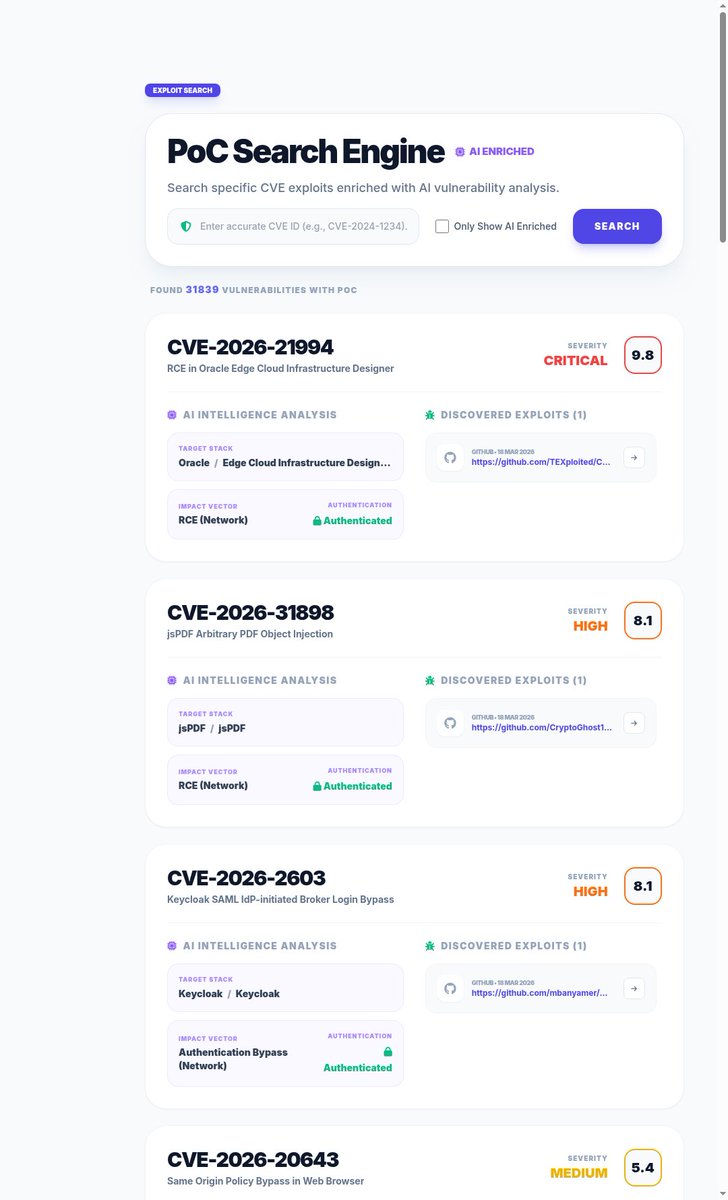
There are a lot (!) of PoCs on GitHub that are adding noise to the problem
👇
i made a simple CORS PoC, just replace the target and test it against a sensitive endpoint, since public ones usually don’t qualify for a valid report..
https://t.co/h7m8dSDsXr
I've developed a professional and technical tool for Next.js (CVE-2025-55182) 🥳
I'm offering this tool, which allows you to perform both bulk and individual scans, as well as testing on live subdomains.
github;
https://t.co/6OXSyNHz2T
#DevTools#python#bugbountytip #bugbountytips #InfoSec #recon #nextjs #React2Shell
HTTP is supposed to be stateless, but sometimes... it isn't! Some servers create invisible vulnerabilities by only validating the first request on each TCP/TLS connection. I've just published a Custom Action to help you detect & exploit this - here's a narrated demo:
How to manually check for CL.TE Request Smuggling Vulnerabilities:
1️⃣ See if a GET request accepts POST
2️⃣ See if it accepts HTTP/1
3️⃣ Disable "Update Content-Length"
4️⃣ Send with CL & TE headers:
POST / HTTP/1.1
Host: <HOST-URL>
Content-Length: 6
Transfer-Encoding: chunked
0
G
5️⃣ Send request twice.
If you receive a response like "Unrecognized method GPOST", you've just confirmed a CL.TE vulnerability!
Try this out for yourself in our CL.TE lab: https://t.co/NvIsGL9cL1
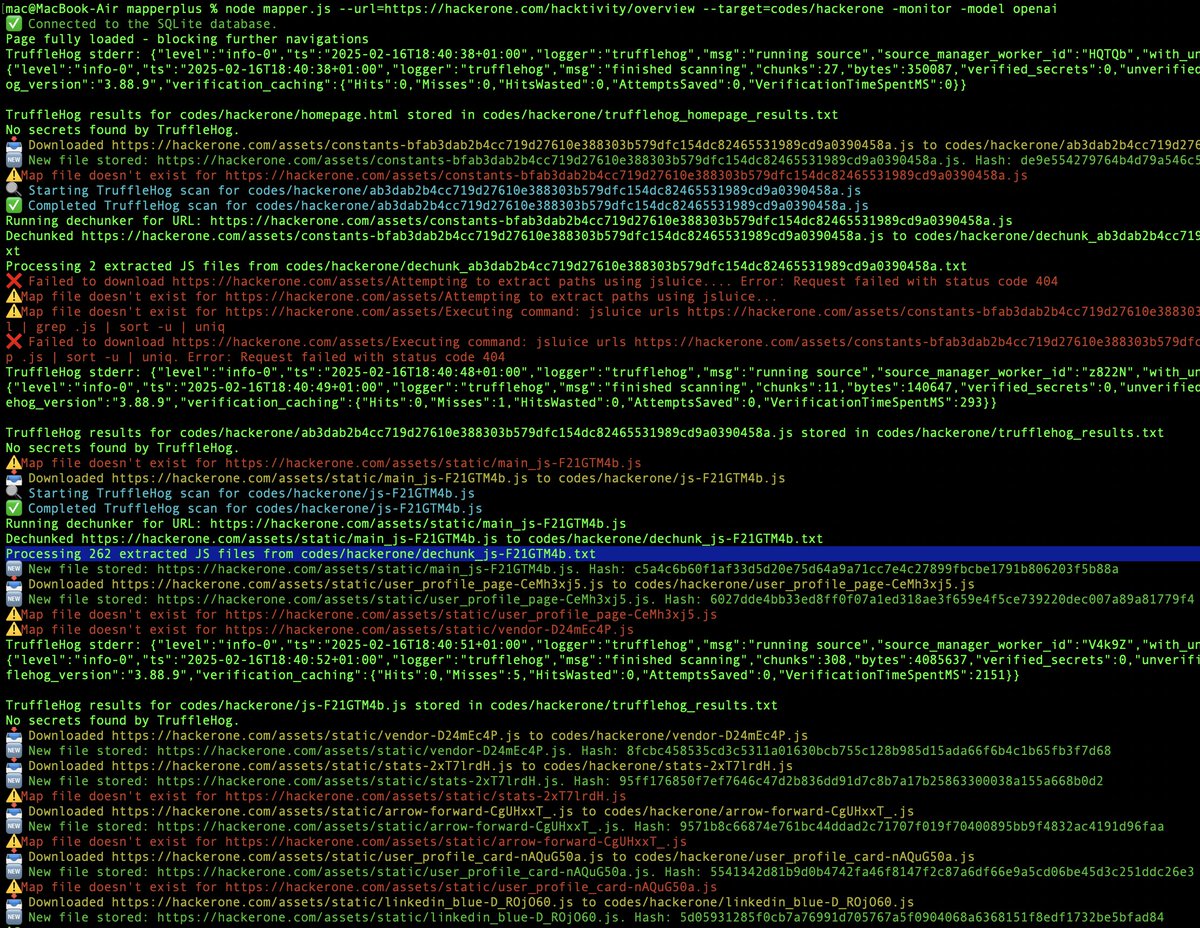
🚨 MapperPlus 🚨 will be a JS beast for the #bugbounty#Security community
It includes :
1. In depth JS analysis engine
2. Pre-fetching
3. Headless browser integration to fetch dynamically loaded JS files
4. URL Blacklist
5. JS Monitoring (Change, Delete, New ...)
And More...
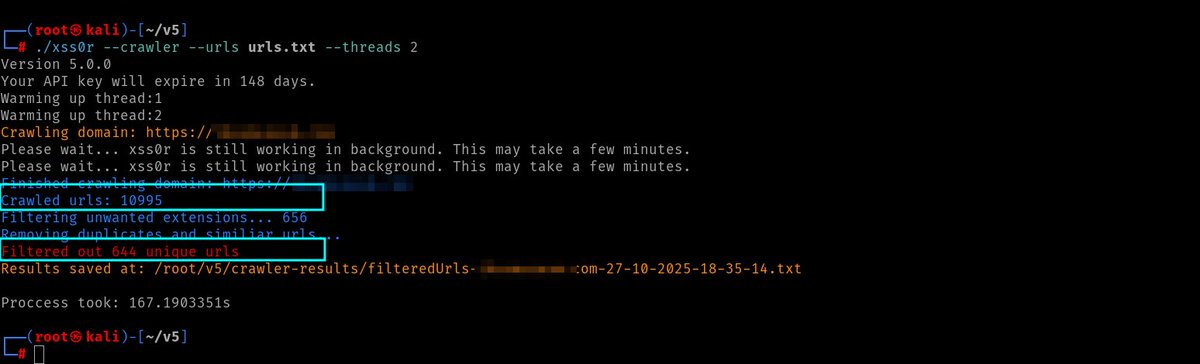
🚨 Attention Bug Bounty Hunters and #xss0r Users!
The @ProwlSec channel has just published the ultimate video showcasing the power of the xss0rRecon Tool and xss0r! 🎥
https://t.co/HhJYobYMKL
Watch how this tool filtered #35516 URLs down to just #29 potential XSS vulnerabilities with unparalleled accuracy. 👀
🔥 This is a must-watch for anyone serious about web security and XSS hunting!
#BugBounty #xss0rRecon #WebSecurity #XSS #xss0rRecon #ibrahimxss
https://t.co/HhJYobYMKL