I plan to become a healthcare provider in either orthopedics or pediatrics! Both of these specialties include working with patient populations that are greatly effected by nutritious eating habits and practices! I hope to apply what I learned this semester with my future patients
@OnofriSarah@beh353 This is a very useful article! I am a vegetarian and have a hard time making healthy meals throughout the day! I liked how the article splits up the day by potential meals and tips for each meal times. I will definitely try out some of the snack options listed!
This is a great article covering how that frozen/canned veggies can be as nutritious if harvested and processed promptly. The process can diminish some nutrients but is generally reliable. Look for minimally processed options with no added salt or syrups for optimal nutrition.
I enjoyed watching the lecture with guest speaker Emma D’Arpino, RD! I found it very informative because I have normally bought frozen meals and fruits over fresh ones! I also liked learning about junk vs process foods and differences in cow milk vs alternatives!
@EmmaDArpinoRD
@ColladoAna05@beh353 Great article! I liked how alternatives for children who eat out of boredom are given. I did not realize how many kids will eat even after they are full because of not having another activity to do. Building healthy relationships with food at a young age is super important!
Dr. Teresa Quattrin, MD does a great job talking to parents about getting children to eat healthy! Some of the main points include: Modeling good behaviors,
having healthy foods (fruits and veggies) available, preplanning dinners, buying seltzer or mineral water instead of soda!
Getting children to make healthy eating choices is not easy. Teresa Quattrin, MD, #UBuffalo CTSI Recruitment and Special Populations Core Director, recently spoke with @SPECNews1BUF about ways to encourage healthier habits.
https://t.co/IGI3RwodFW
This article is easy to read and provides valuable factual information that is current according to the CDC. It provides tools and tips to help parents improve kids healthy eating. One unique thing I like is the link to families food assistance programs
https://t.co/yTZxvUQNQu
@Samanthabr419@beh353 Great points! Doctors misdiagnoses and miss lab tests because being obese is related to many illnesses. Bias against obese patients can also span through all levels of healthcare. Nurses, PAs, and therapist have been found to provide worst levels of care with overweight patients.
The article "Sizeism is a Health Hazard" by J. Chrisler covers the harm to obese patients. Medical fat shaming and treatment can deter care seeking. Weight centric diagnoses lead to misdiagnosis. Intersectional discrimination hurts people belonging to poverty and minority groups
After reading "Everything You Know About Obesity Is Wrong" by Michael Hobbes it becomes clear that Healthcare providers tend to view patients with a "sizeism bias". Often blaming health issues on patients weight. This can lead to misdiagnosed patients and worse care and treatment
@CLBKrisN Good point! Marketing done by companies have tried to promote their product as "healthy" or "diet" friendly but often the reduced fats and sugars are replaced with another alternative (artificial sweeteners) that negatively effects our health in a different way
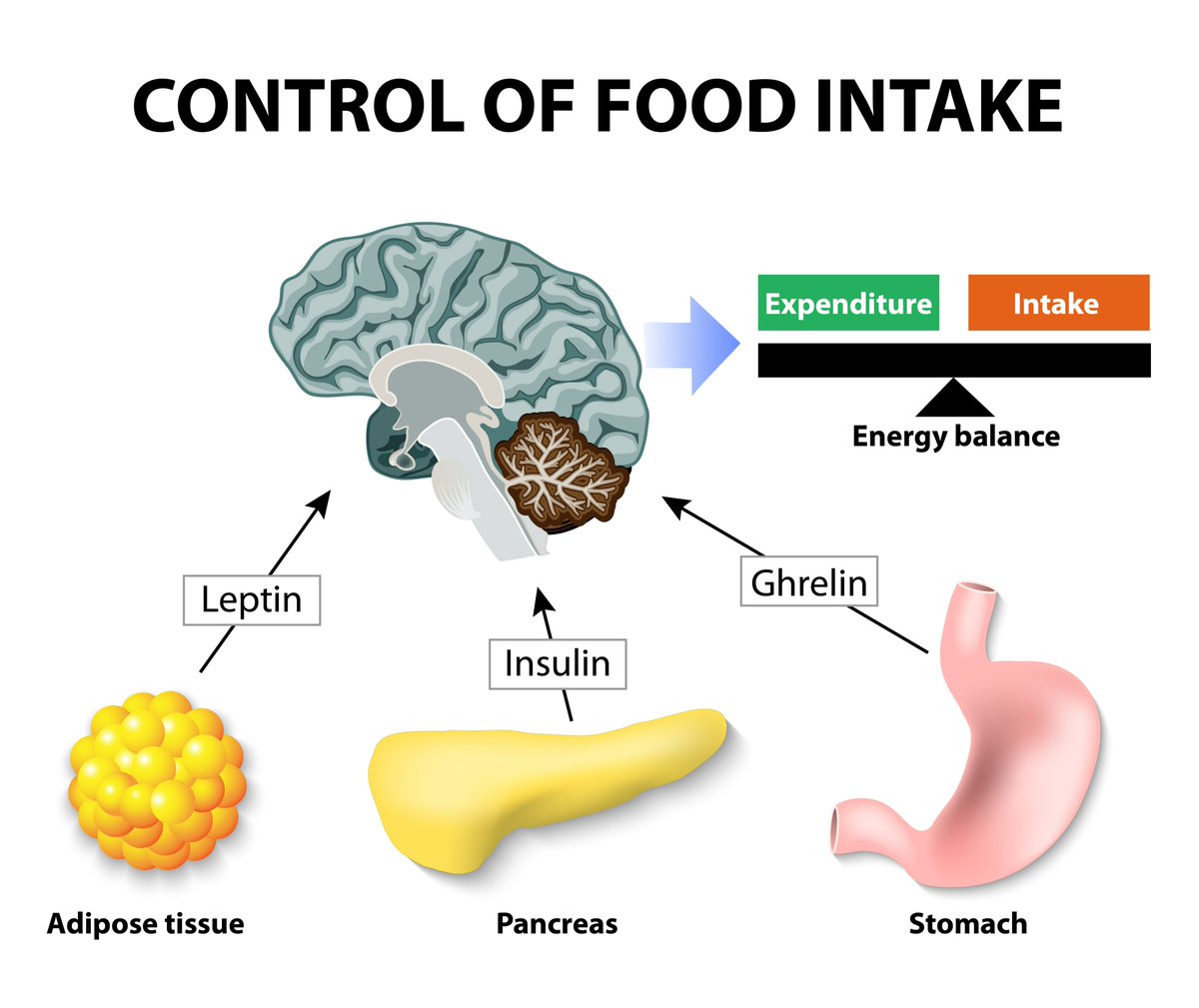
Dr. Wrigley does a great job summarizing the job of Leptin. This hormone is sent to your brain and results in feedback signs that suppresses your appetite. People who have mutations resulting in lower leptin levels will constantly feel hungry which correlates with obesity.
Learn about your hormones. It can help you make better choices.
Let's talk about the fascinating duo of Leptin and Ghrelin. These two hormones are like a tag team wrestling match inside your body, fighting over your appetite and weight gain.
Leptin, the superhero, swoops in to save the day by telling your brain, "Hey, we got enough fat stored, no need to eat like there's a food apocalypse!" It suppresses your appetite, and you feel all satisfied and content.
But wait, here comes Ghrelin, the mischievous villain. It whispers in your brain, "I know you just ate, but how about a second round? " It's the sneaky hormone that makes your tummy rumble and convinces you that you're perpetually hungry.
Now, here's where things can get tricky. Sometimes, your brain becomes immune to leptin's superhero powers. It's like the boy who cried wolf—your brain just stops listening to leptin's cries of "stop eating!" This condition is called leptin resistance, and it can lead to chronic overeating and weight gain.
And let's not forget the role of your sleep and eating habits. Mess up your sleep schedule, and ghrelin goes bonkers, making you feel hungry at odd hours. Don't eat enough protein and healthy fats and ghrelin's mischief gets even worse, pushing you to gobble up everything in sight.
Understanding these hormone hijinks can help you take charge. Balancing your diet by eating #LCHPMF, getting enough sleep, and doing some intermittent fasting can outsmart these hormonal tricksters and keep your appetite and weight in check.
So, embrace the power of knowledge, and conquer the relentless leptin-ghrelin duo #keto #carnivore #lowcarb #today #hormones #weightloss
After watching James Corden's response to Bill Maher's comments on fat shaming one thing I found shocking was the link between genetic mutations in Leptin hormone production/resistance and obesity rates. I found that Leptin deficiency results in uncontrolled feelings of hunger.
@DevaBatarseh113@beh353 Choosing between pricey healthy foods and cheaper unhealthy fast foods on a budget is so tough! I've tried to concentrate on meal prepping foods so I can get cheaper ingredients at the grocery store. Also if I do get fast food I try to have smaller portions!
Artichokes are rich in antioxidants, vitamins (C, K, B-9), and minerals (potassium, magnesium), promoting heart health, aiding digestion, and regulating blood sugar. This article does a great job covering how to include artichokes into your routine diet!
Artichokes may be intimidating but once you learn how to work with them, you’ll be hooked. They're one the most nutrient-dense veggies you can eat (and the season is coming up!) and the absolute most delish! 🌷10 steps to steam the perfect artichoke ➡️https://t.co/Ygkm5OnH5U
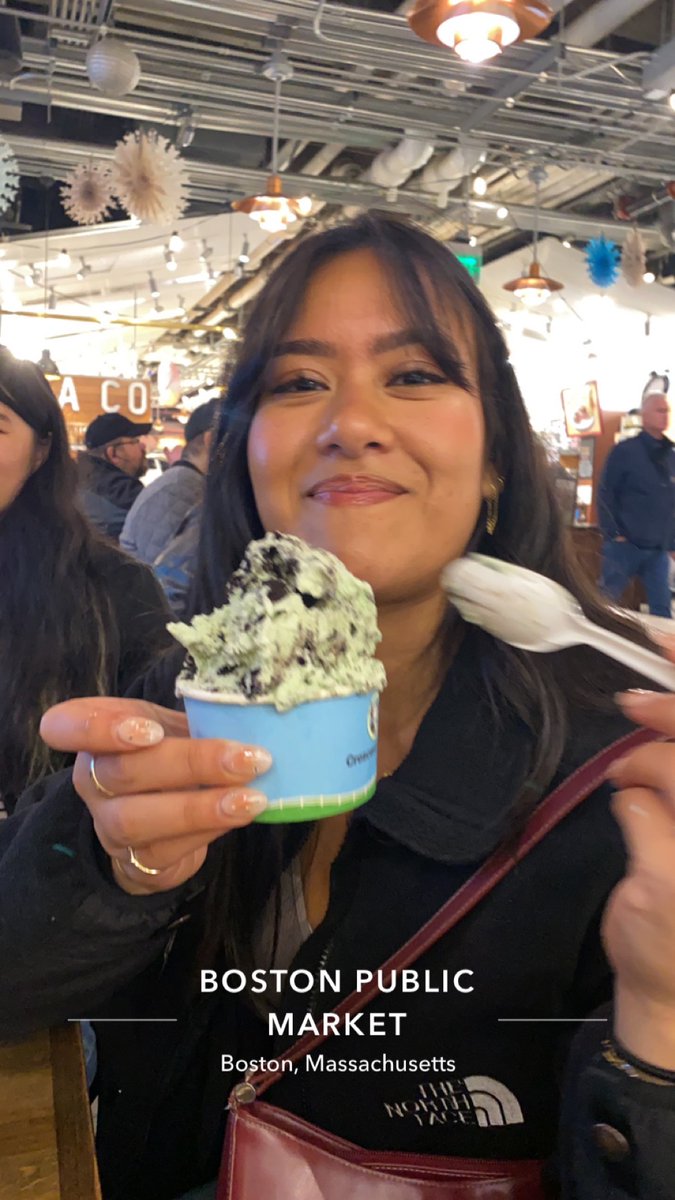
One barrier to eating healthy as a young adult I've recently experienced was the expected consumption of unhealthy foods in certain situations. I celebrated my friend's birthday yesterday and decided to eat ice cream and cake because that's the traditional celebration!
@Samanthabr419@beh353 Great source! Supplements are never a replacement for nutrients gained from a whole, well rounded diet! There is a lot of misinformation and publication bias in research around vitamins.
Great article on the benefits of Vitamin D! More research is needed to fully grasp all effects of Vitamin D but we know that it helps absorb calcium and phosphorus resulting in development/maintenance stronger bones and teeth! Interestingly it can be made in our skin by sunlight!
Are you getting enough sunshine vitamin in your life? 🌞
Vitamin D is a powerhouse nutrient—from supporting your immune system to strengthening your bones to aiding in weight loss and playing a role in mood.
Here's all the deets you need: https://t.co/SNmIFWRGij
I looked at my Vitamin B12 nutrient facts and was shocked to see that 1 gummy was more than 20,833% of the daily value! Most vitamins have these high daily values because a persons need varies due to multiple factors. B12 helps form red blood cells and function of nervous system.