Big Bertha, the cow that drank whiskey, lived until she was 48, broke two Guinness world records and raised £60,000 for cancer research.
Big Bertha was born in County Kerry, Ireland on St. Patrick’s Day 1945 and lived until 1993, which is exceptionally old for a cow.
Munilly Bridge, not far from Clones, was the location for a standoff between Irish Defence Forces and British Army soldiers.
WATCH: RTÉ News reports #OnThisDay in 1971
https://t.co/aF4wfHzgch
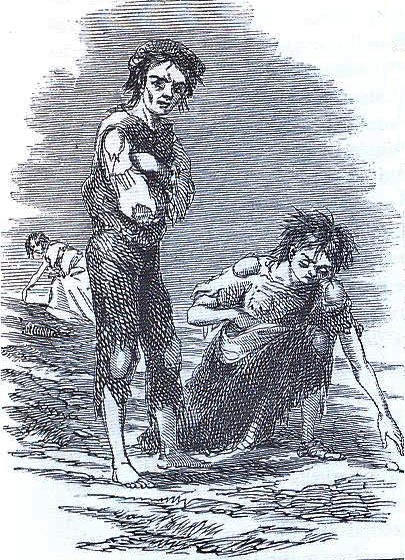
On the 30th of March 1849, hundreds of starving men, women, and children set out on a harrowing overnight death march from Louisburgh, Co. Mayo, to Delphi Lodge, a hunting retreat nestled deep in the mountains. They had no choice.
Two government officials had arrived in Louisburgh to determine whether famine relief, an essential lifeline of grain, would continue for the destitute. Yet, without conducting an inspection, the officials departed for Delphi, ordering the desperate crowds to follow.
In the darkness, hundreds of emaciated people, described as “living skeletons”, struggled through the treacherous Doolough Valley. The brutal wind and rain showed no mercy. By morning, at least 16 lay dead along the roadside, their bodies abandoned to the elements. Among them was a woman named Dalton, found lifeless with her son and daughter. Two unnamed men, who perished just a mile from Louisburgh, were left exposed for days, prey for dogs and ravens.
The Doolough Tragedy became a searing symbol of government neglect and cruelty during the Great Famine. A memorial stone near the lake now stands as a solemn reminder, etched with the haunting words:
"How can men feel themselves honoured by the humiliation of their fellow beings?"
From 1988 onwards, the harrowing inhumanity has been remembered with an annual Famine Walk, retracing the desperate route of those who perished. Figures such as Archbishop Desmond Tutu and Waylon Gary White Deer of the Choctaw Nation have walked in solidarity, connecting Ireland’s suffering to struggles against injustice worldwide.
In 2013, Delphi Lodge, once the site of such inhuman indifference, finally acknowledged its past. For the first time, it welcomed the walk onto its 1,000-acre estate, stating:
"By opening our gates to the Afri Famine Walk, Delphi Lodge is acknowledging our part in what happened in 1849, instead of ignoring it."
The hills of Doolough still whisper the stories of those lost to hunger and cruelty, a tragic echo of a past that must never be forgotten.