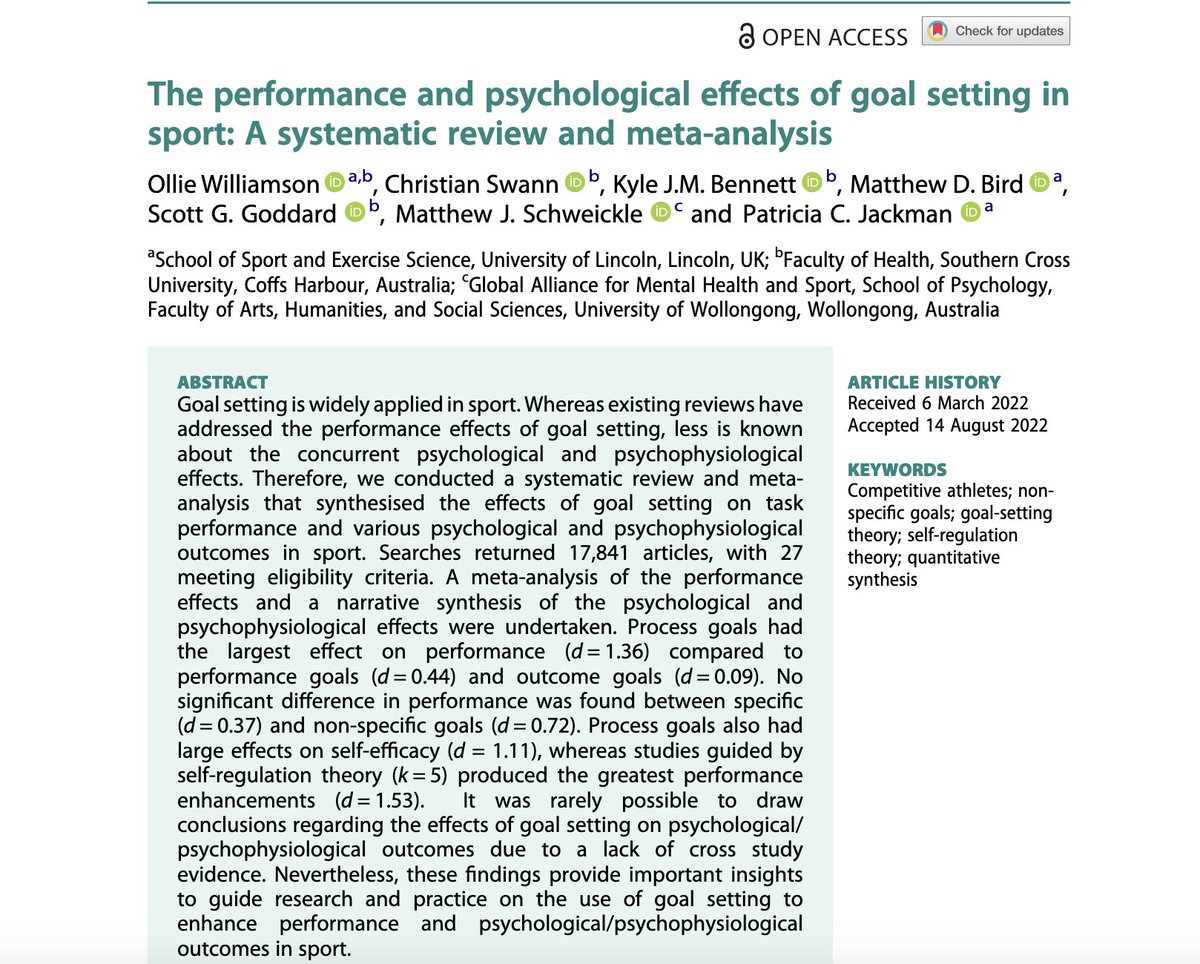
A new meta-analysis on the impact of goal setting on performance found:
1. Process goals had a large effect on performance
2. Performance goals had a moderate effect
3. Outcome goals had a negligible effect
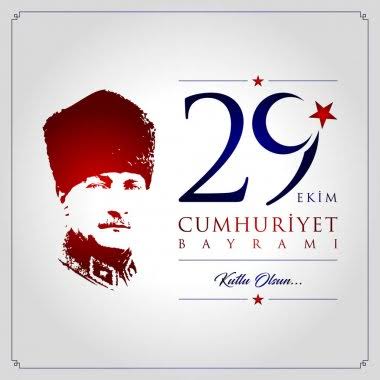
"Az zamanda çok ve büyük işler yaptık. Bu işlerin en büyüğü, temeli Türk kahramanlığı ve yüksek Türk kültürü olan Türkiye Cumhuriyeti'dir."
Mustafa Kemal Atatürk
Nice yüzyıllara! 🇹🇷🇹🇷🇹🇷 #CUMHURIYETİMİZ100Yaşında
Every Data Scientist needs to know these ideas.
They will blow your mind.
1. Correlation vs Causation
P(A | B) is the probability of A given B. It is the probability that we will observe A given that we have already observed B.
P(A | do(B)) is the probability of A given do(B). It is the probability that we will observe A given that we have intervened to cause B to happen.
In this context, an intervention simply means to take an action of some kind. Therefore do(B) means to take an action which causes B to happen.
The expressions P(A | B) and P(A | do(B)) might seem very similar but they represent very different situations.
2. We can only learn P(A|B) from the data alone.
Bob has an extremely accurate weather app and is always very good about bringing his umbrella when it rains. We observe Bob over several years and we find that whenever it rains, Bob always has his umbrella and he never brings his umbrellas on days when it doesn't rain.
In the language of probability, we say P(Umbrella | Rain) = 1 and P(Rain | Umbrella) = 1 as well.
What we can learn from this data alone is how to predict whether it rains with a 100% accuracy by checking whether Bob has an umbrella. We can also learn to predict with 100% accuracy whether Bob has an umbrella by checking if it's going to rain.
What we cannot learn is what will happen if we give Bob an umbrella on a random day of our choosing. The answer to this question is P(Rain | do(Umbrella) ) and it's unknowable from the data alone.
We need prior knowledge about how the world works to properly interpret the data we collected. We need to know that rain has an effect on Bob's behavior, but Bob's behavior has no effect on the rain.
Information about the effects of interventions are simply not available in raw data unless it is collected by controlled experimental manipulation.
3. Scientific Experiments work because they produce a very special kind of data.
You may have heard of what many people call a scientific experiment. Take a collection of objects, animals or people. Randomly split that collection into a control group and a treatment group. Apply your intervention to the treatment group while leaving the control group alone. If you observe any differences between the treatment group and the control group, it is logical to attribute these differences to the treatment. You can therefore say the differences were caused by the treatment.
In statistics, the procedure I just described is called a Randomized Controlled Trial. It is a procedure for generating a specific kind of data where:
P(Difference | Treatment) = P(Difference | do(Treatment) )
This is why traditional science experiments work. They are designed to capture causal information. This is not the case for vast majority of data that we collect in society.
Without human guidance or access to real world knowledge, statistical algorithms and artificial intelligences can only learn P(A | B) from the raw data. This is a fundamental mathematical limitation on the use of data alone.
That's it for now. This post is part of a series of posts about the concept of causal inference. They are based on the content of the Book of Why by Judea Pearl with lots of commentary from me.
Follow me (@kareem_carr) so you don't miss out on the next post.
Please show support by liking and retweeting the thread.
"Yetenekli insanların mertebelerini düşürüp sefil ve alçak insanların mertebelerini yükseltmekten daha çirkin bir şey yoktur."
Zencani'nin, Türkiye Selçuklu hükümdarı Sultan Alaeddin Keykubad'a sunduğu siyasetnameden.
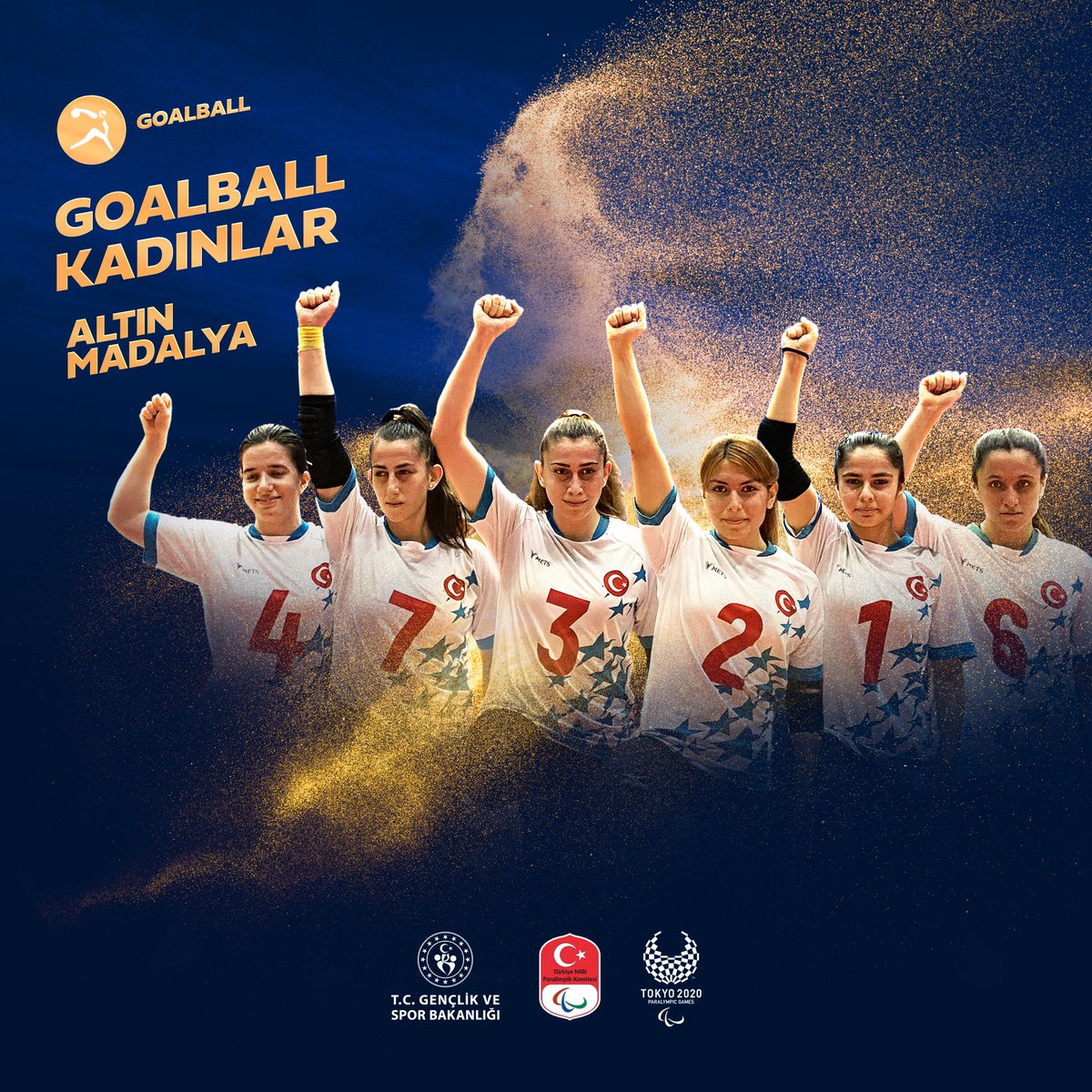
ALTIN MADALYA BİZİM!🥇🇹🇷
#Goalball Kadın Milli Takımımız, Tokyo 2020 Paralimpik Oyunları final karşılaşmasında ABD’yi 9-2 mağlup ederek üst üste ikinci kez paralimpik oyunlar şampiyonu oldu.
#BizBiriz#TeamTürkiye#Paralympics
ŞAMPİYON ABDULLAH ÖZTÜRK! 🥇
🏓 Son şampiyon milli sporcumuz Abdullah Öztürk, finalde Güney Koreli rakibi Kim Young-gun'u 3-1 mağlup ederek altın madalyanın sahibi oldu!
TEBRİKLER VE TEŞEKKÜRLER ABDULLAH! 👏
Bugün yıllardır hayalini kurduğum, Rio’da gerçekleşen olimpiyatlardan sonra sizlere söz verdiğim olimpiyat madalyasına kavuşmanın mutluluğunu yaşıyorum. Yıllardır verdiğim emeklerin karşılığını aldığım, en önemlisi bana inanan sizleri gururlandırdığım için çok mutluyum.
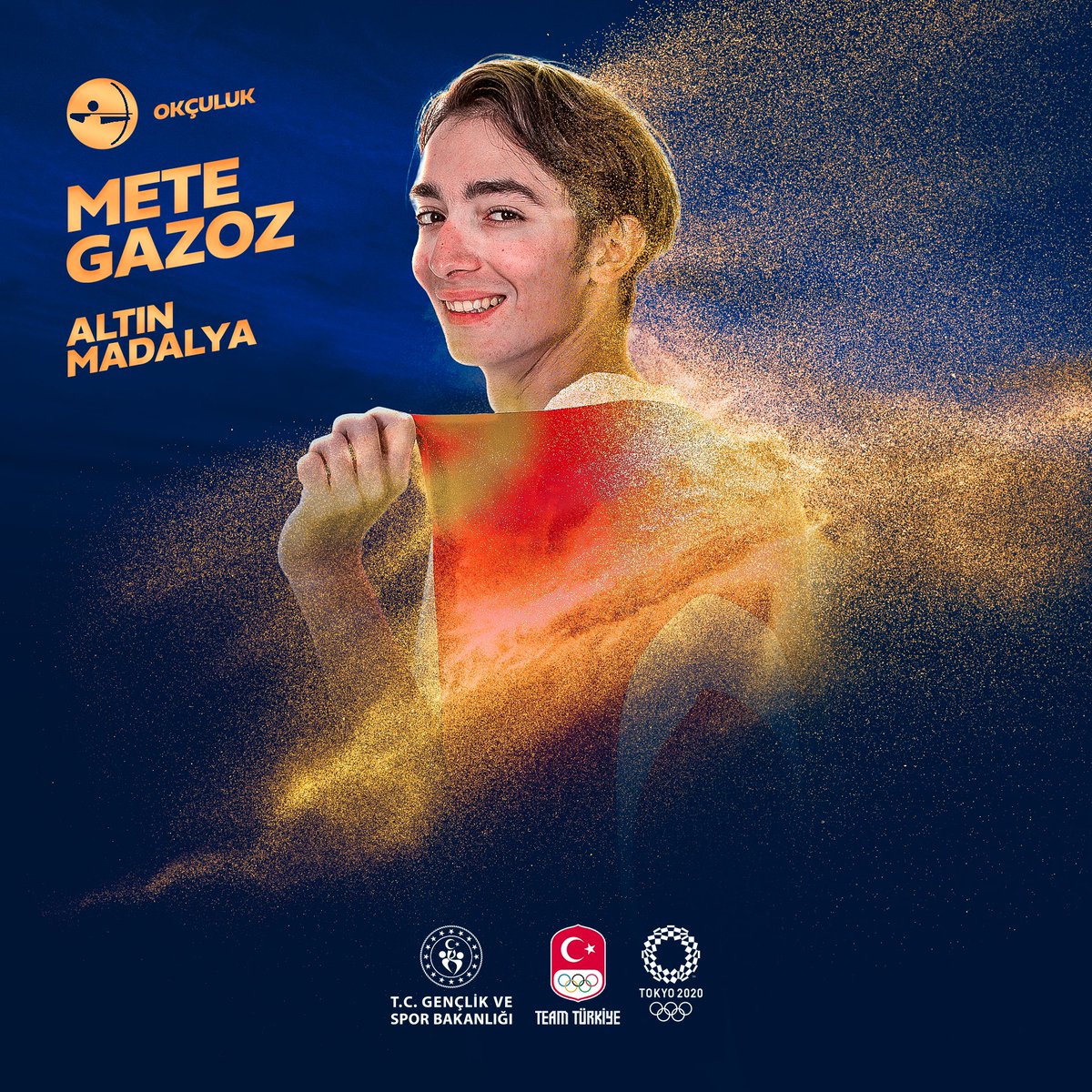
METE GAZOZ OLİMPİYAT ŞAMPİYONU! 🥇
Milli okçumuz Mete Gazoz, final mücadelesinde İtalya’dan Mauro Nespoli’yi 6-4 mağlup ederek olimpiyat oyunları şampiyonu aldı. 🇹🇷🇹🇷🇹🇷
Tarih yazan 22 yaşındaki sporcumuz, ülkemize Tokyo’daki ilk altın, toplamda üçüncü madalyasını kazandırdı.