Ed Thorp beat blackjack. Caught Madoff seventeen years before the SEC. Predicted Buffett would be the richest man in America. Compounded twenty years without a losing quarter. He is 93. Everything he did came from one paper written in 1956. The paper is still free. Almost nobody has read it.
Vegas, 1961.
Thorp is 28. He walks into Claude Shannon's MIT office asking for five minutes. Shannon, famously impossible to see, gives him the five minutes and stays for two years. Together they build the world's first wearable computer to beat roulette. It works. 9:58
The Buffett lunch, 1968.
Thorp reads John Kelly's 1956 sizing paper. Meets Warren Buffett once. Walks away and tells his wife Buffett will one day be the richest in America. Sixty years later, exactly that. Thorp did the math on a person applying compounding to time. Same math as Kelly. 31:20
The one thing Thorp added.
Kelly's paper gives you the mathematical maximum bet. Bet Kelly, optimal growth. Bet more, you die.
Thorp bet half.
Half Kelly gives up a fraction of growth for a huge cut in drawdown. Full Kelly routinely produces 40-60% drawdowns. Half Kelly usually keeps them under 20%. Same edge. A fraction of the pain.
Every serious quant who survives uses half Kelly or less. The ones who don't are the blowup stories.
Princeton Newport, 1969-1988.
Nineteen straight years. 19-20% a year. Not one losing quarter. Kelly's paper, Shannon's math, half Kelly's number, and discipline nobody else could imitate.
Madoff, 1991.
An investor asks Thorp to check Madoff's returns. Days later, he has proof of fraud. He hands the SEC a memo. They file it.
Seventeen years later Madoff collapses. Sixty-five billion in losses. The memo had been on someone's desk since 1991. 48:10
Enough.
Thorp shut down Princeton Newport at its peak in 1988. Still compounding 19% a year. He walked away.
"You can have enough. And it's better than not having enough."
This is the layer nobody sells. Every course, every AI swarm is built to make you want more. Thorp read Kelly, sized his bets, made his money, and stopped. Almost nobody in his field ever has.
Half Kelly on the size. Full self-awareness on when to walk. That is the formula.
2026. Thorp is 93.
He still writes. He still teaches. The math was the easy part, he'll tell you. The signal was never the edge. The sizing was. Half of it. The paper has been in the Bell Labs library since 1956. It's still there. It's still free.
Madoff was the loudest receipt. The stack takes new tuition every quarter.
retail buys options on earnings day. quant funds enter the morning after
same data, completely different strategy, 35 years of documented alpha between them
Bernard and Thomas published it in 1989 - free paper, 8,000 citations, on SSRN
called Post-Earnings Announcement Drift
when a company beats estimates, the stock doesn't price in the surprise on announcement day
it drifts in the same direction for the next 60 trading days
Two Sigma built a factor on this. AQR runs it systematically. Citadel has a dedicated desk for it
long top decile of earnings surprises, short bottom decile, hold 60 days
backtested 1972-2024:
14% annualized alpha
11% max drawdown
sharpe 1.4
not predicting earnings - entering the day after they print, when surprise is public and risk is lower
data is free on every broker platform. python takes a weekend
retail is buying the most volatile moment in the cycle
bookmark this before someone packages it into a $997 course
drift starts the morning after and runs for 2 months
paper is free, data is free - edge has existed for 35 years
We’ve been quiet.
A major upgrade is coming to OptionsDepth.
🥁 Introducing IV Depth 🥁
5 new modules built to track how the volatility surface shifts—in depth.
Available tomorrow, July 9th.
A neural network trained on decades of market data still lost to a model built in the 1980s.
That's the actual finding of a Federal Reserve working paper testing LSTM, GRU, and gradient boosting against regime-switching models on S&P 500 volatility.
The regime-switching models won consistently especially when predictors were limited.
Free on the Fed's website. Bookmark this!
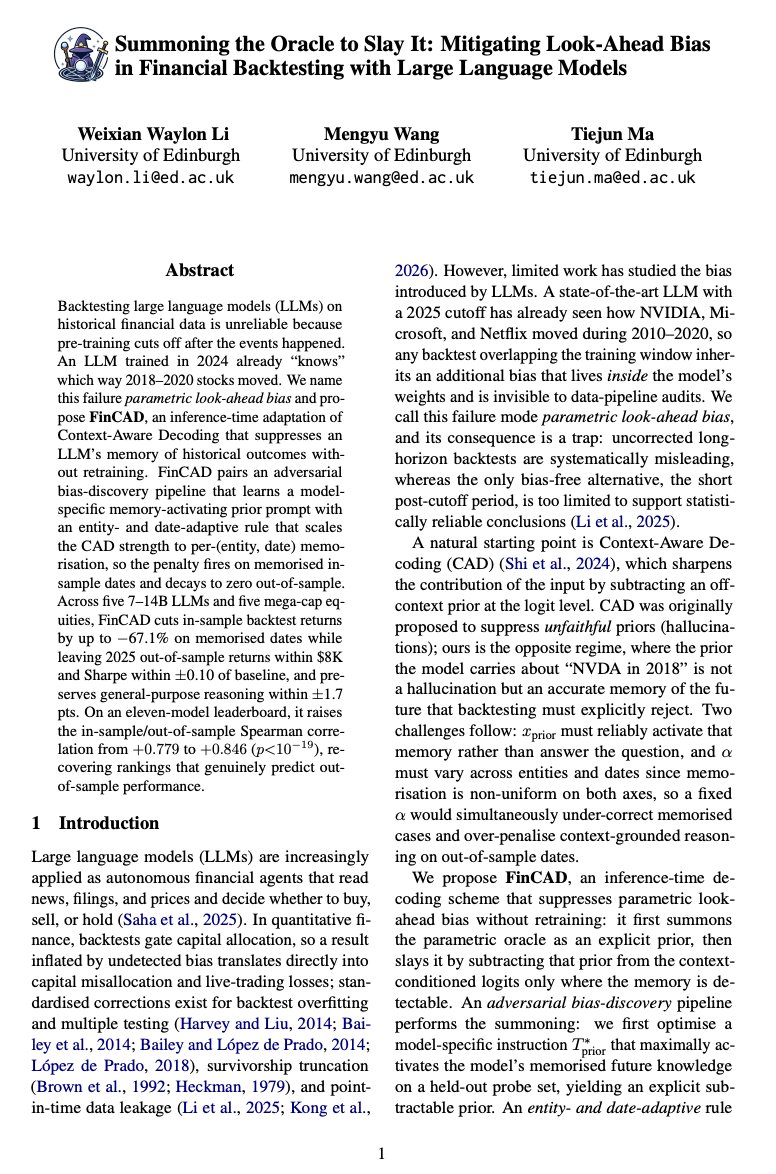
A backtest isn't a test of trading skill. It's a test of what the model remembers.
That's the real finding in a new Edinburgh paper on LLM trading agents.
Across 11 LLMs, in-sample "performance" predicted true out-of-sample performance with a correlation of just +0.78.
Strip out each model's memory of what actually happened to the price, and that correlation rises to +0.85, holding across 330 tested model combinations.
Most LLM trading backtests aren't forecasting the future. They're grading the past.
Bookmark! Worth ten minutes.
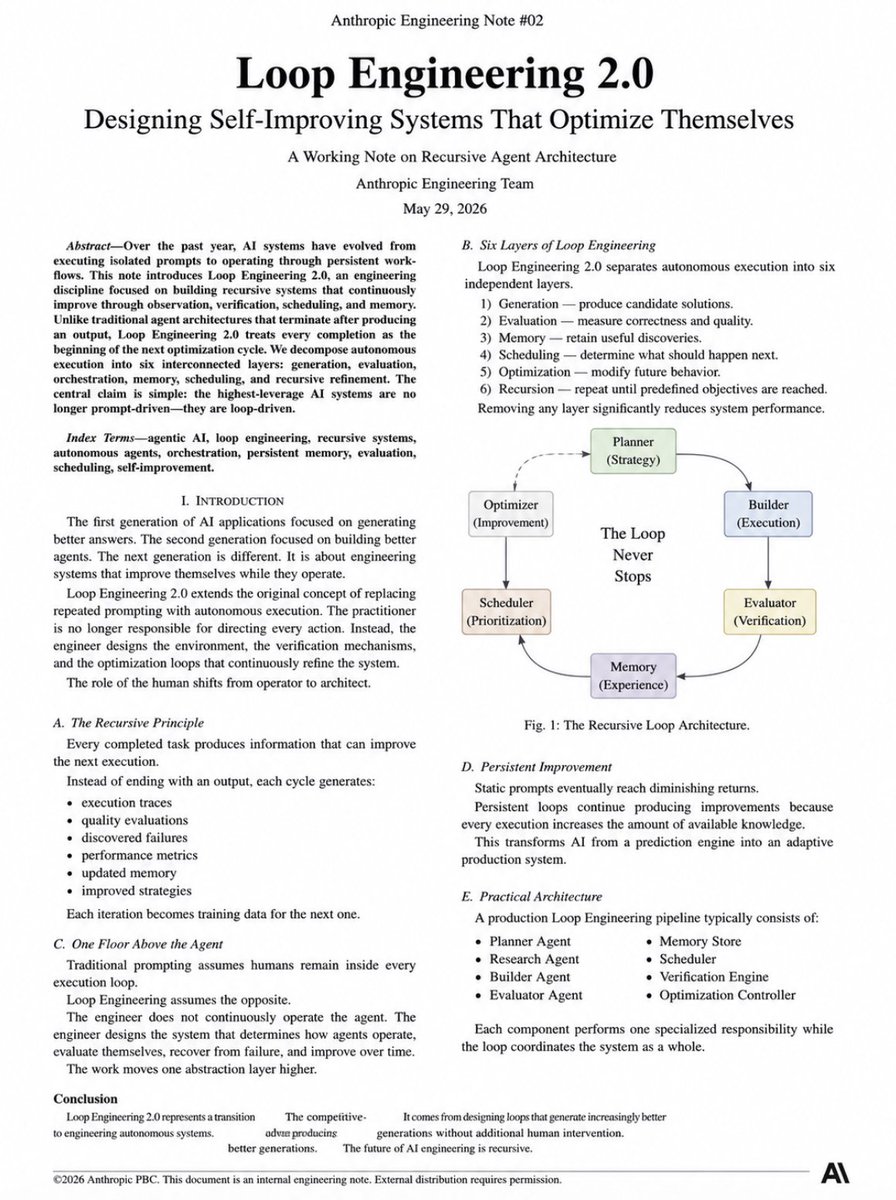
ANTHROPIC JUST LEAKED AN INTERNAL ENGINEERING DOCUMENT - AND IT SAVES SOLO DEVELOPERS $300,000 A YEAR
the highest-leverage AI systems are no longer prompt-driven - they are loop-driven - and that one shift changes everything
Generate → Evaluate → Remember → Schedule → Optimize → Recurse
six layers, one loop, improves itself without a human
Generation: the system produces its own solutions - no human writes the brief
Evaluation: a second layer measures quality - the thing that can say no
Memory: every execution retains useful discoveries - the loop gets smarter each cycle
Scheduling: the system decides what happens next - nobody manages the queue
Optimization: behavior updates based on what worked - static prompts eventually hit diminishing returns
Recursion: remove any single layer - and system performance drops significantly
the role of the human shifts from operator to architect - and AI transforms from a prediction engine into an adaptive production system
the future of AI engineering is recursive
Every market maker on Wall St has read Avellaneda-Stoikov.
But do you know the original paper never actually proved its own quotes were valid.
This paper fixes that.
They add inventory limits, turn the HJB equation into a simple linear ODE system, and provide the verification theorem A-S left out.
Bookmark this. It's the version of A-S that actually closes the loop.
Creator of Claude Code:
“65% of PRs in our product are now written by Claude tag & loops - and it’s climbing.
Loops & Tag's made the Claude team 3× more productive. I’m sure it will ship 90% of code soon.”
in 10-minute interview, the creators of Claude discuss how to build proactive, long-running agents.
Give it 10 minutes today no matter what, then read how to apply loop engineering to trading agents.
this is f**king dangerous
a free github repo with 4.8K stars just dropped the entire "loop engineering" framework for trading agents.
12 steps to build a self-running quant desk: strategy intent → market data → signals → trading agent → verify → refine → rerun.
save and bookmark no matter what
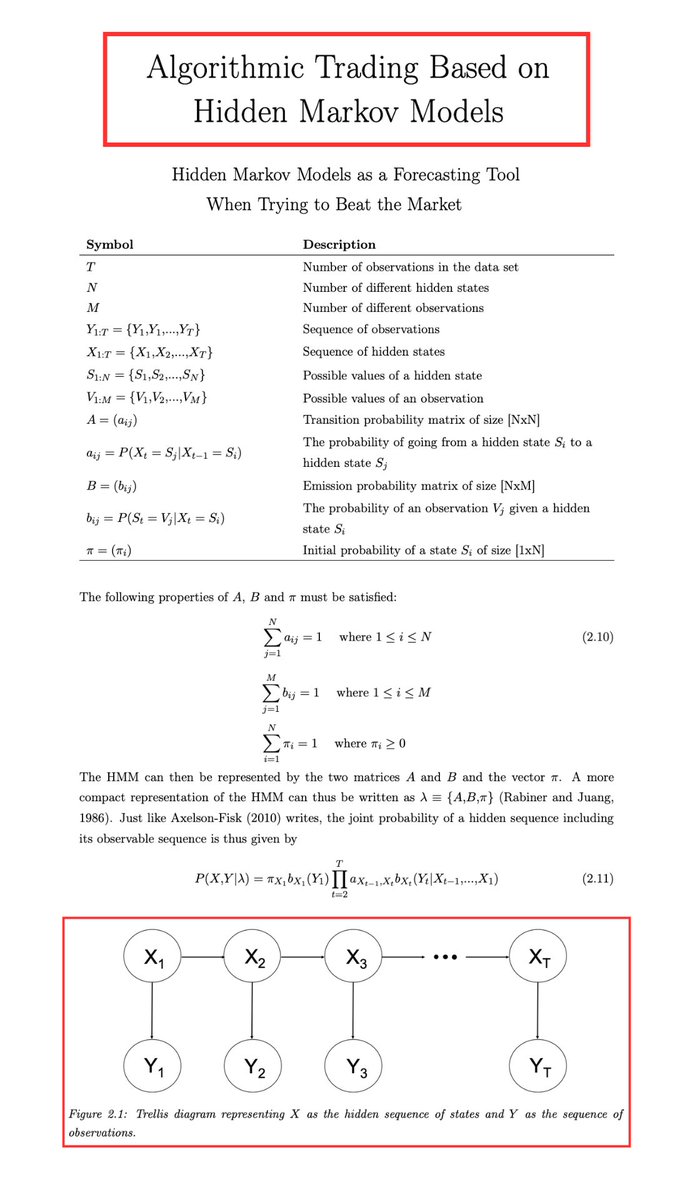
The secret of Hedge Funds is revealed in 45 page PDF.
Someone exposed the complete Hidden Markov Model framework that quants at firms like Jane Street & Two Sigma are known to use & released it for free.
Bookmark & read the article below before someone takes it down.
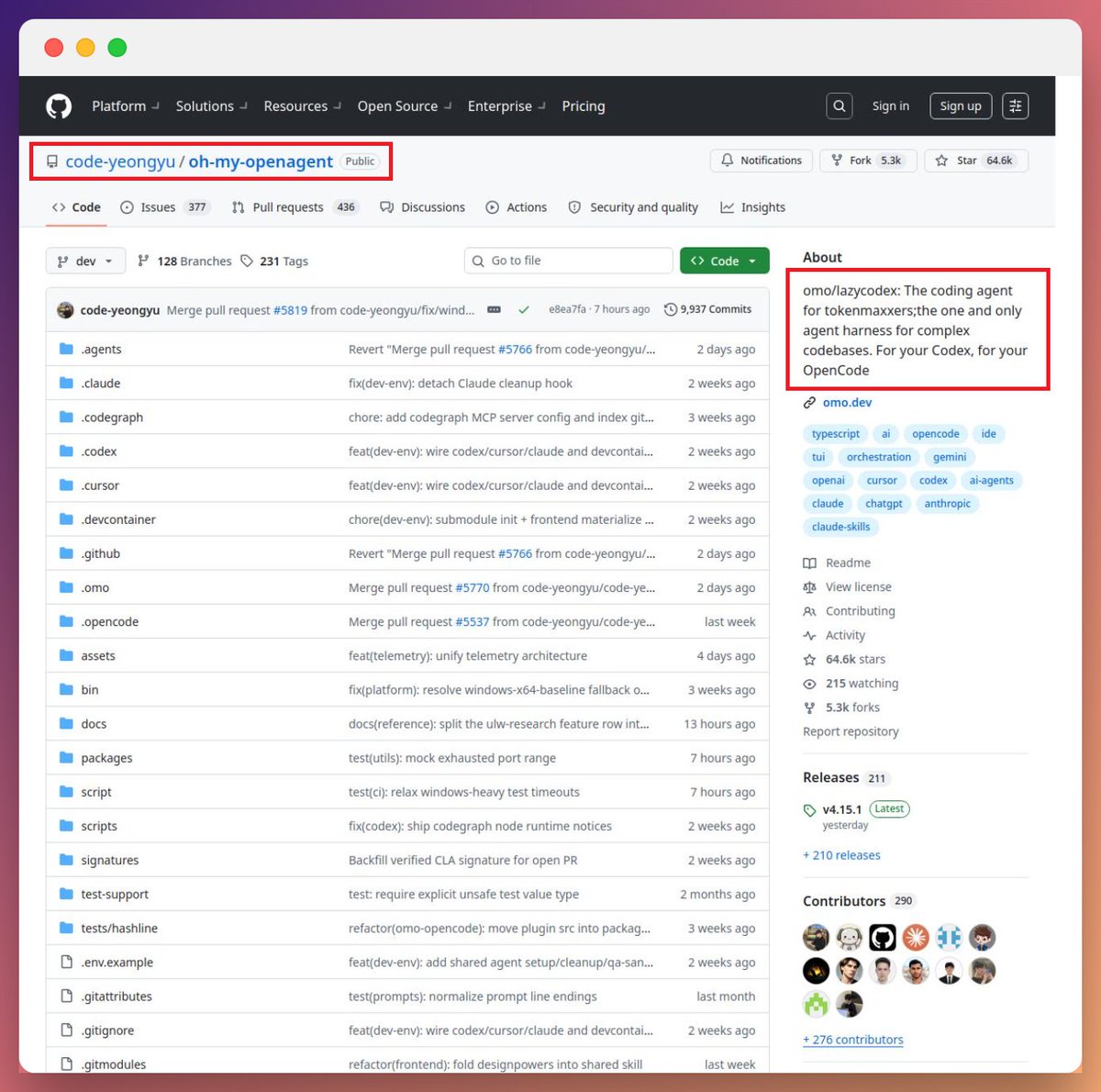
the maintainer burned $24K in LLM tokens to build this.
64.6k stars. 211 releases. Open Source.
11 agents. 54+ lifecycle hooks. 5 built-in MCPs. Team Mode with parallel execution.
"I haven't been able to articulate what makes it so great for quants. Development experience reached a different dimension to gain alpha."
save and study this harness.
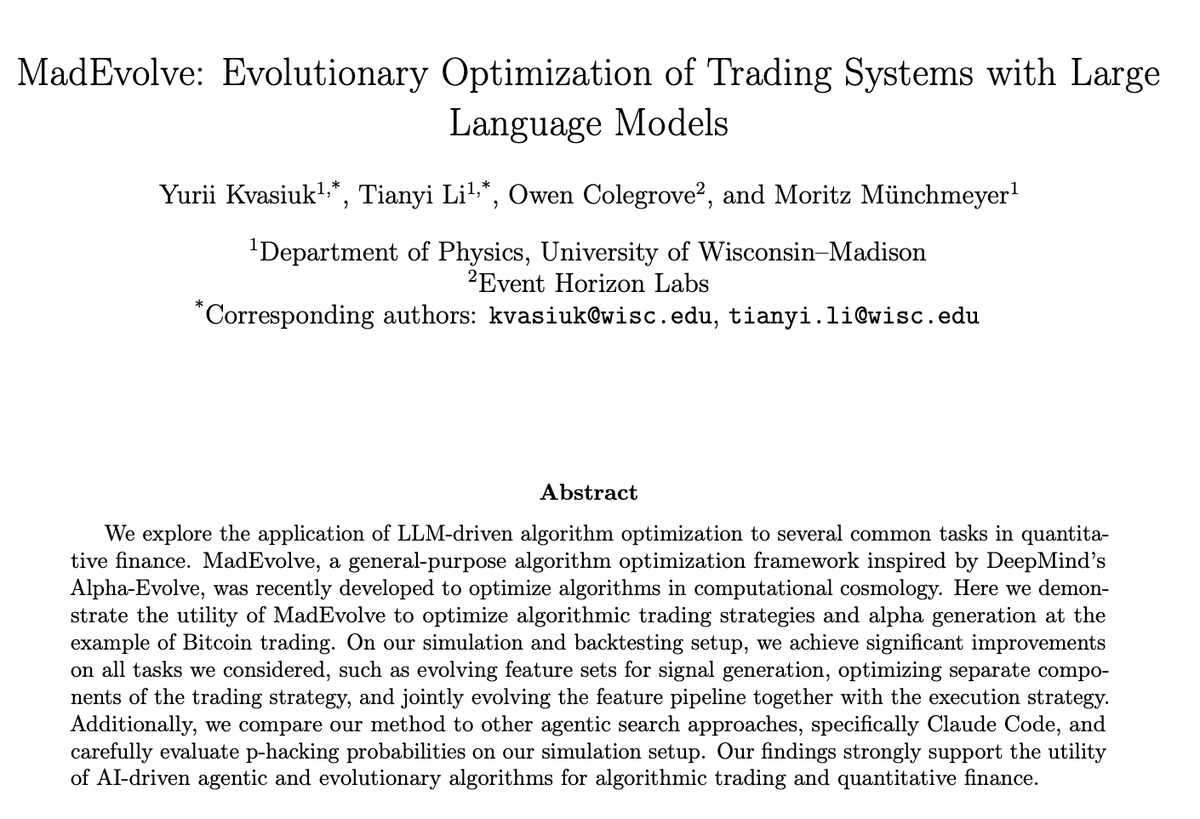
MadEvolve uses an LLM to evolve BTC execution strategies and feature sets.
What stood out is that it doesn’t just report better results, it also tests whether those gains could be overfitting using formal multiple testing bounds.
Thats the kind of rigor you don’t see often.
Inside BlackRock's AlphaAgents
BlackRock built AI agents that debate with each other on purpose.
Fundamental agent vs. sentiment agent vs. valuation agent, forced into a debate loop until consensus.
This is what agentic finance looks like.👇