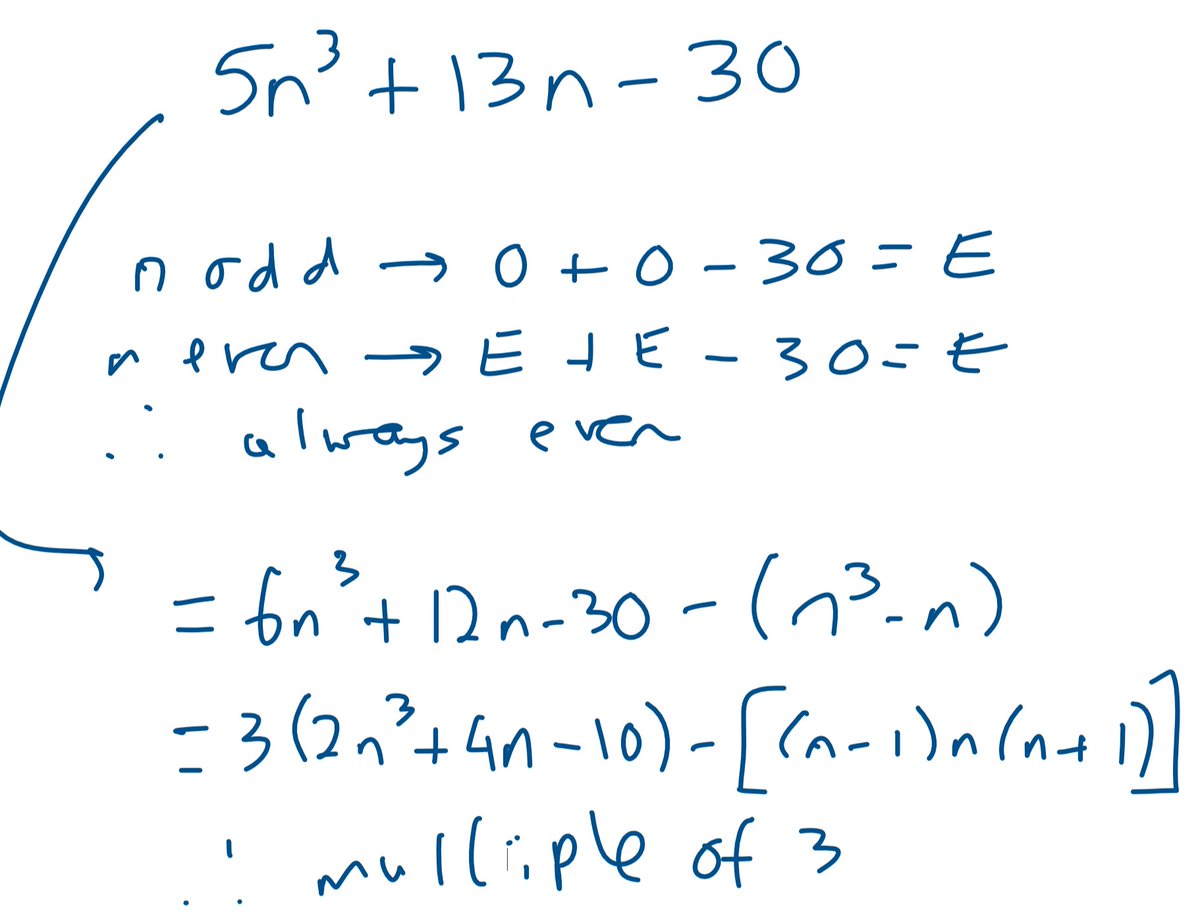
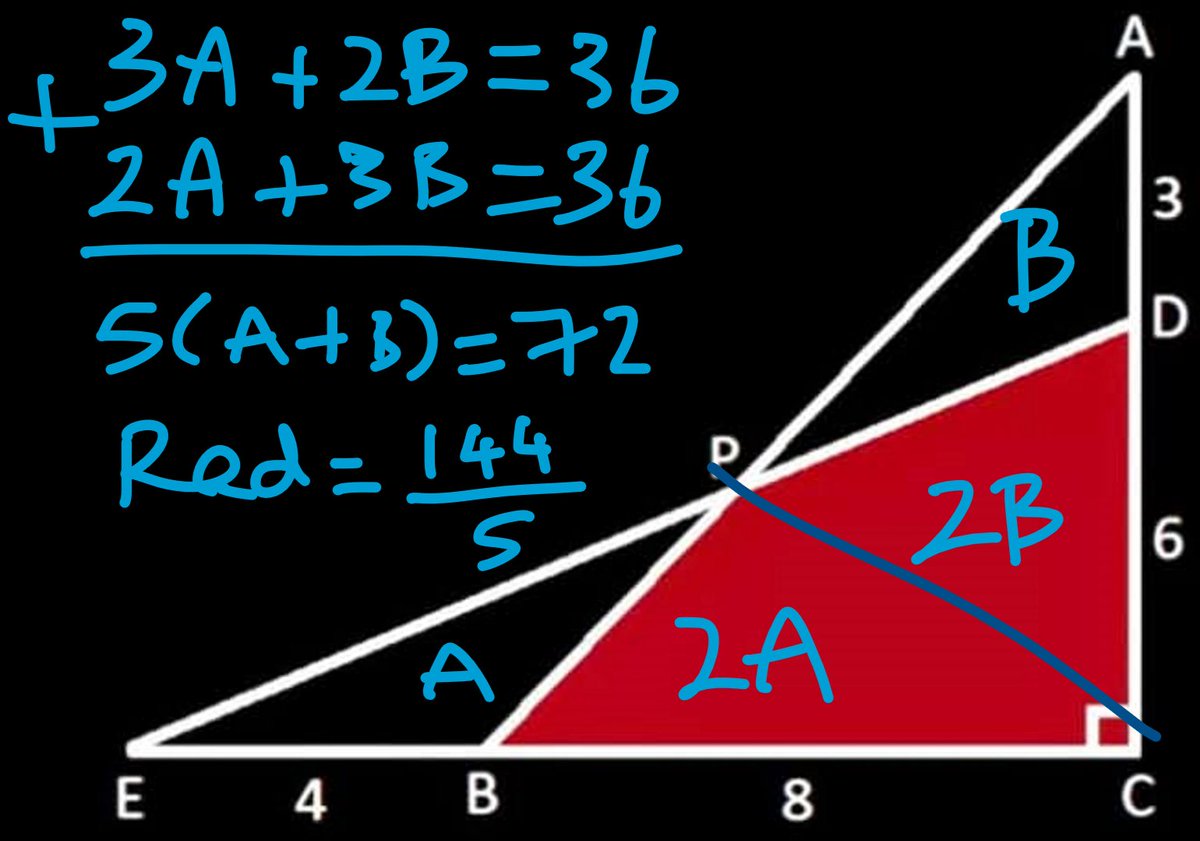
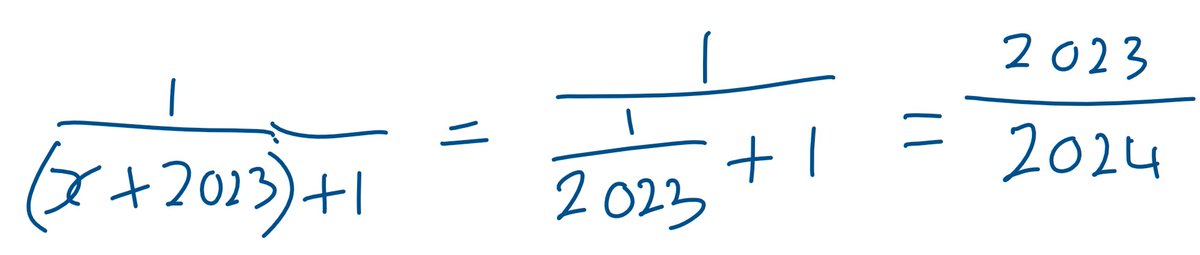
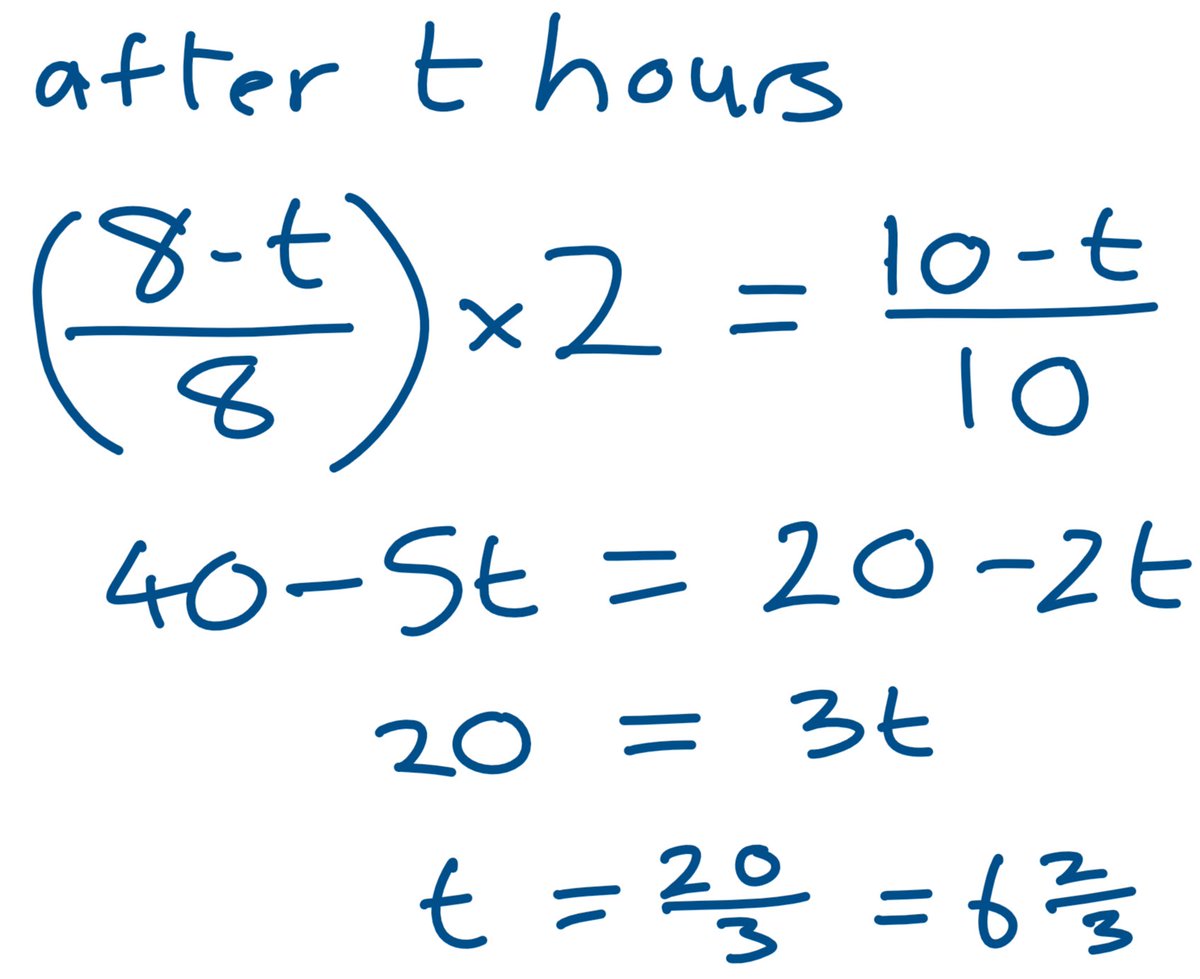
@marrtoffee You can get a grade 4 on a Foundation paper without doing those harder, end of paper topics. And maths is not just about being numerate, even Foundation students should be exposed to some more abstract maths.
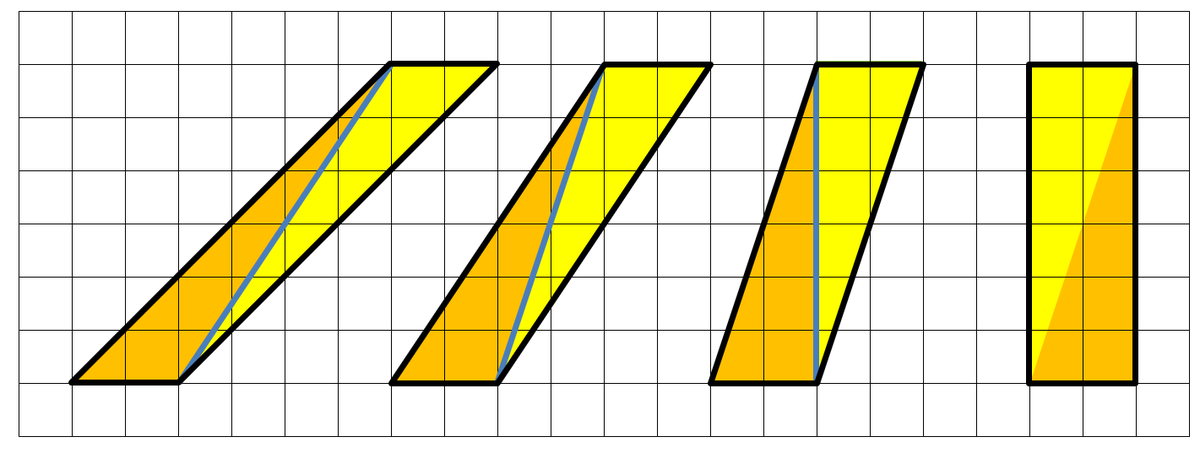
@DavidKButlerUoA I explain it using the image below. By drawing a diagonal of a parallelogram from top left to bottom right and swapping the two halves, the parallelogram "straightens" until it can eventually be rearranged as a rectangle with the same base and height.
@kyledevans I remember finding something similar that had some great follow-up questions on the late Don Steward's wonderful https://t.co/blfjtqHQLV website
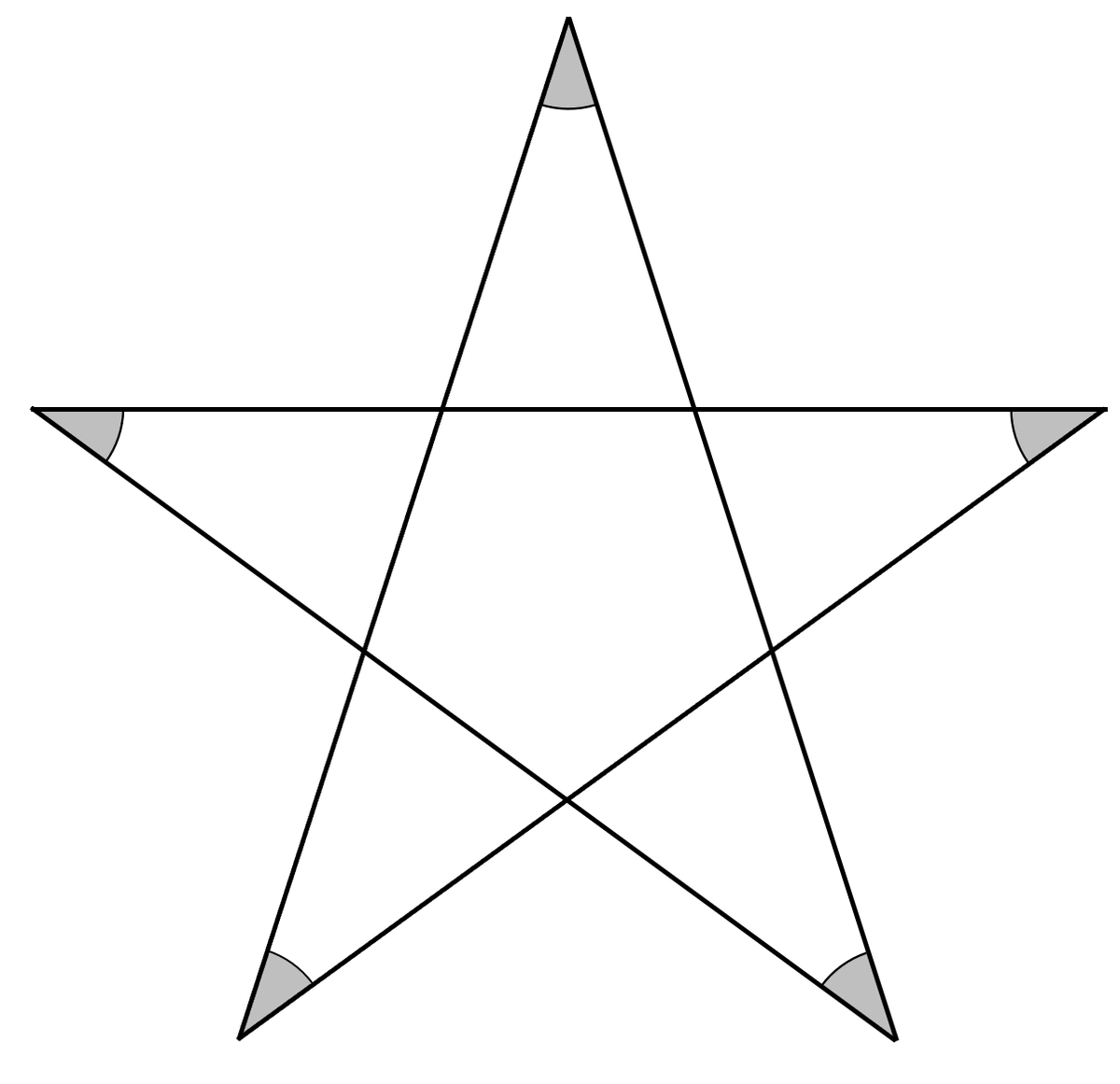
@danicquinn@chilledmaths@MathsMastery It's a non-simple (ie it intersects itself) quadrilateral. In a similar way, this star is a non-simple, regular pentagon!
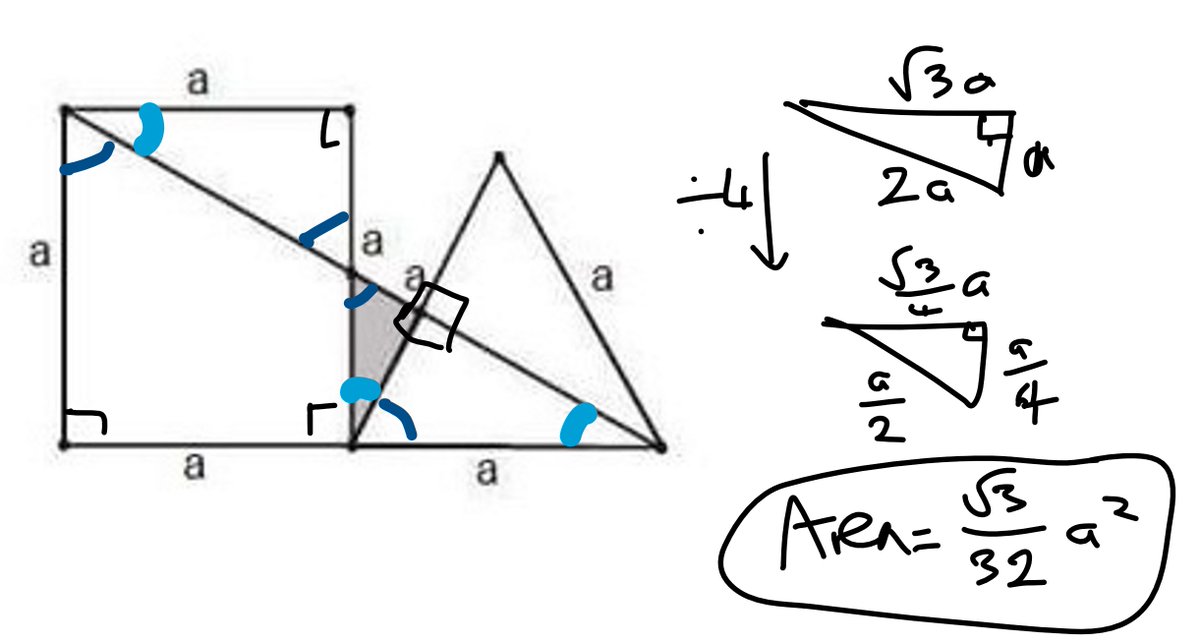
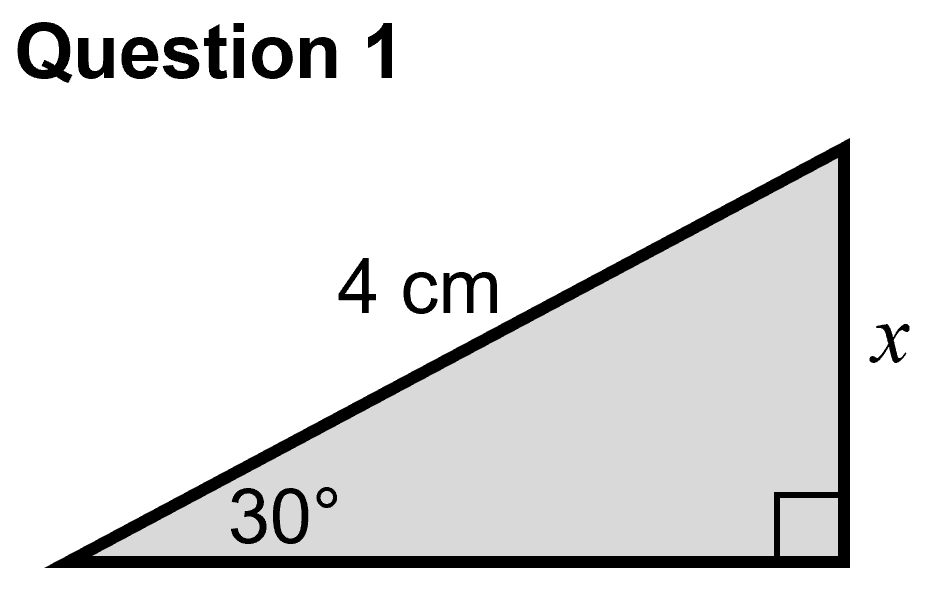
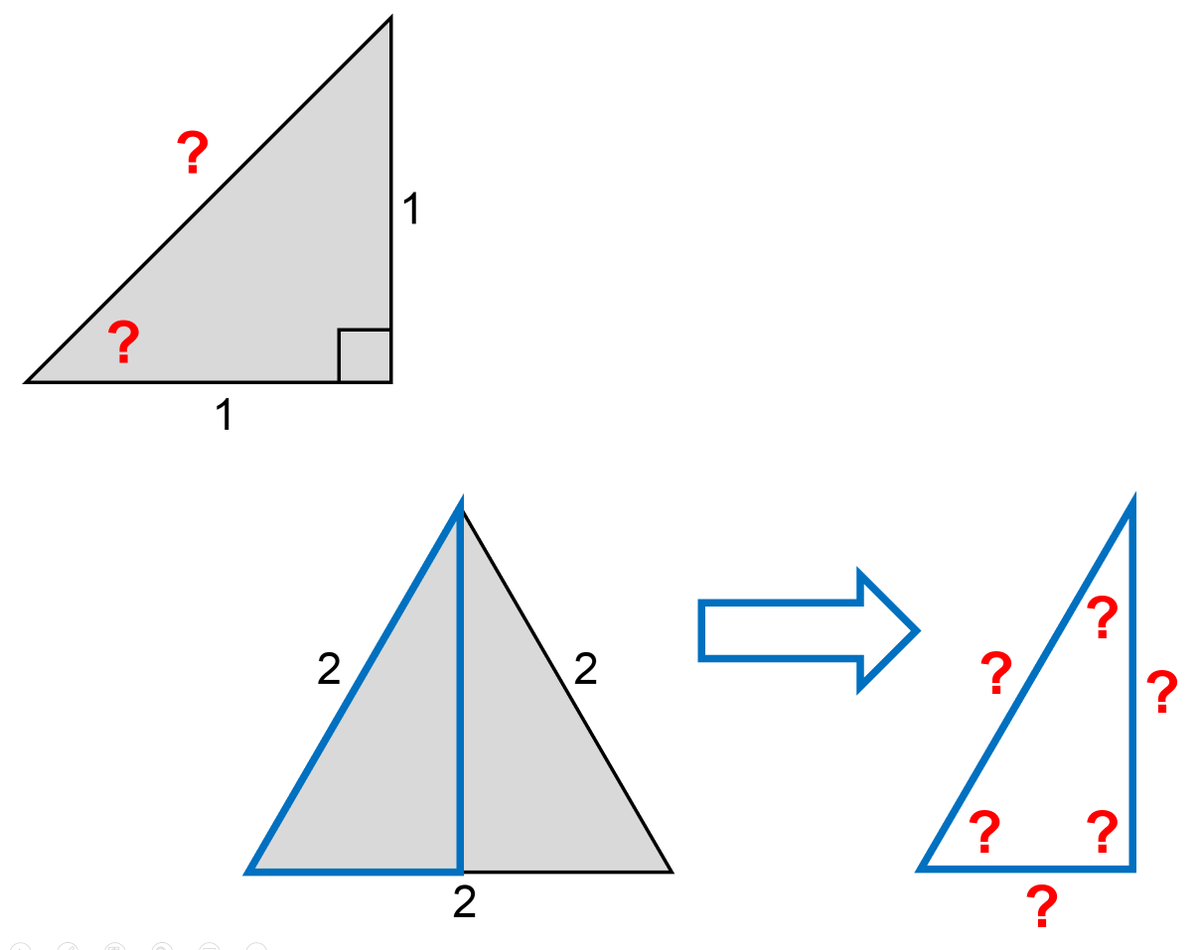
@mrdhilder@mathsjem@mrbartonmaths@danicquinn @MrMathsTeacher Then go on to look at questions that could be approached either using similar triangles (to the ones in the previous image) or as a standard trig question using the appropriate exact trig ratio
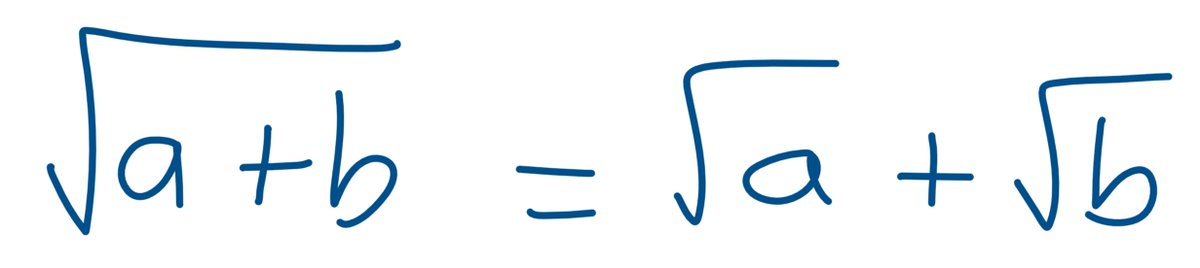
In a lesson today, the misconception in the image came up. I usually just say "it's simply not true" and use the numerical example that root(3^2+4^2) does not equal root(3^2)+root(4^2). But this still seems a bit of a weak response to me. Any suggestions?
@Whitehughes Actually you're right, the counter-example method is of course sufficient evidence. I'm not sure why I feel that isn't enough. Thanks for the suggestions