Common #causes of maternal death include hemorrhages, blood clots, high blood pressure, and #cardiac and coronary #conditions, as well as #mental health conditions like death by suicide and overdose #related to substance use disorder.
Doulas can #improve the care a #person receives after childbirth as well. #Studies have shown that having a doula #increases the likelihood that a mom will breastfeed her #baby and reduces the likelihood of a #woman having postpartum depression.
#Research has shown that having a doula can lead to a shorter #labor, reduce the use of pain #medication, such as an epidural, during #birth, and improve overall #maternal satisfaction with the birth experience.
Together, we will #elevate the role of #doulas in maternity care. Our #goal is to increase awareness of and #access to doula services for #people during their pregnancy journey, while growing and #supporting the doula workforce.
Many stillbirths have unclear #reasons. Stillbirth occurs in #families of all ethnicities, races, and socioeconomic backgrounds and in #women of all ages. Maternal age is a #significant determinant of miscarriage risk.
@MMHAlliance@BMHCaucus
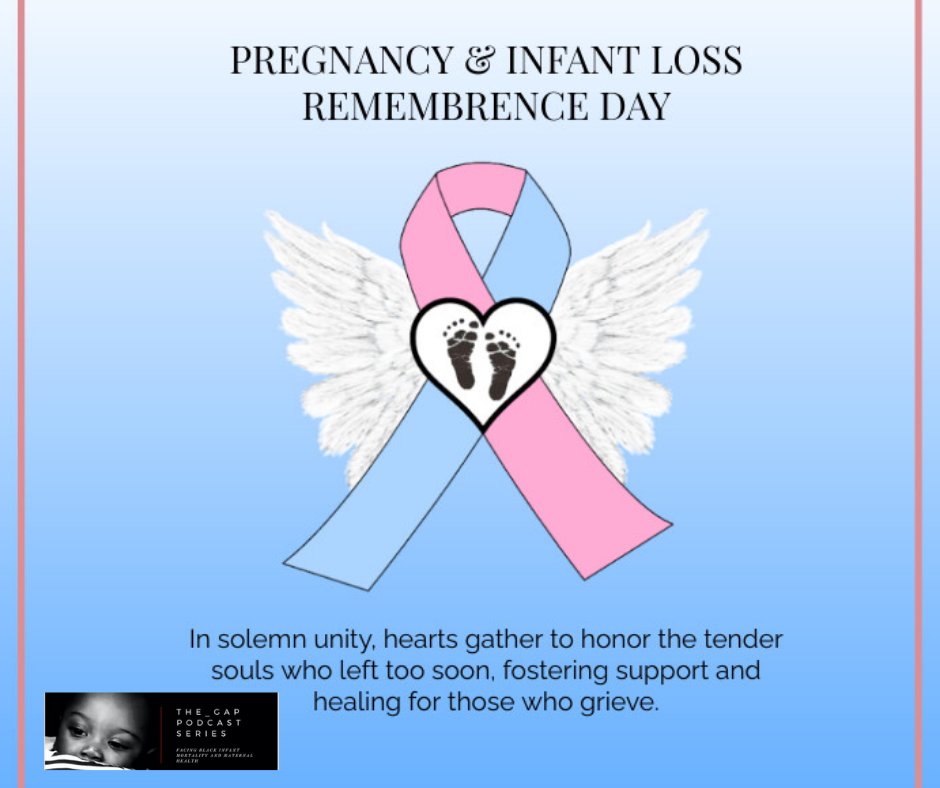
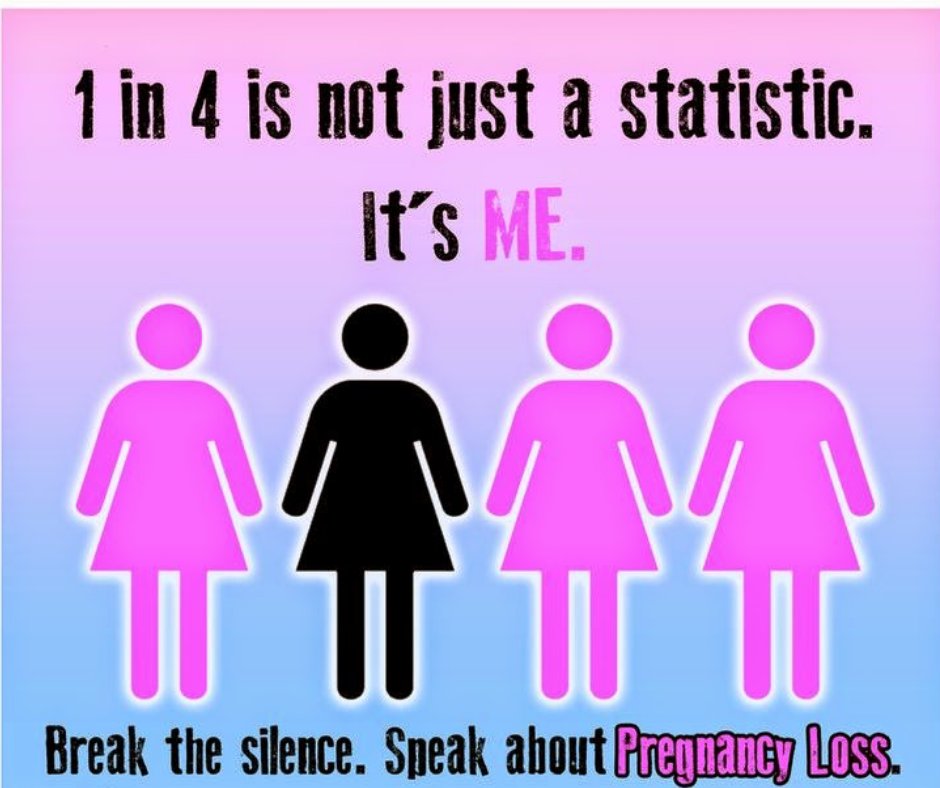
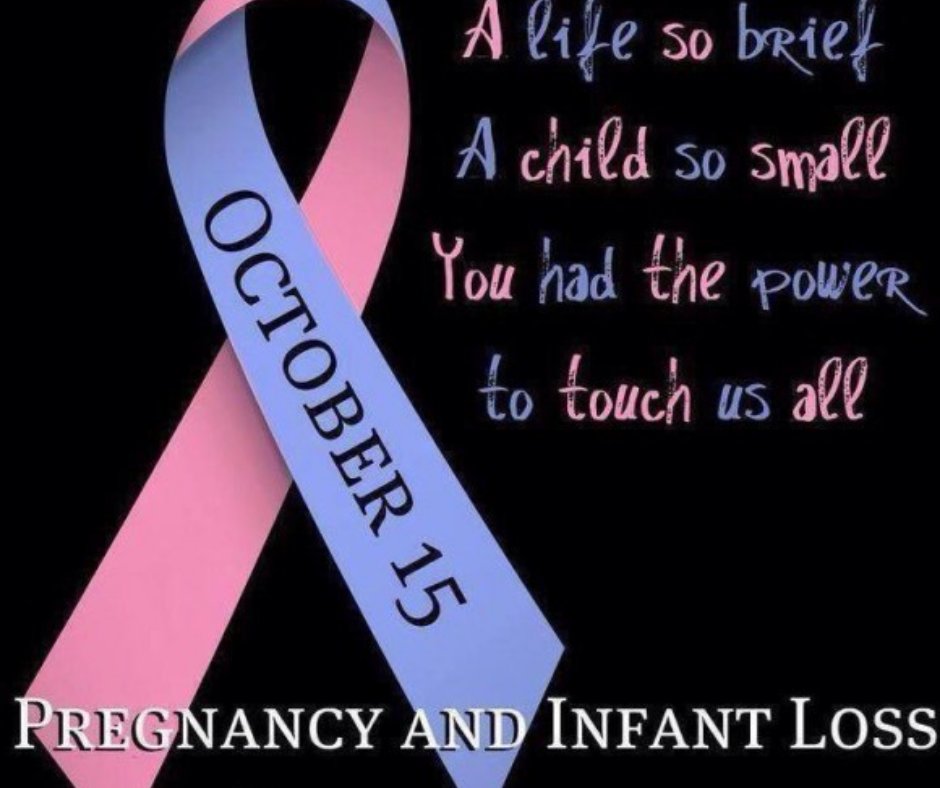
It is #estimated that as many as 26% of all #pregnancies end in #infant loss, and up to 10% of clinically recognized pregnancies. Furthermore, 80% of early pregnancy loss #occurs in the first trimester. After 12 #weeks of pregnancy, the risk of miscarriage reduces.
@MMHLA
Nearly 20 lakhs #babies are stillborn each year, and many of these deaths are #avoidable. However, even in #developed countries, miscarriages and stillbirths are not systematically #recorded, suggesting that the numbers could be substantially #higher#BabiesLivesMatter
Miscarriage is the most #prevalent cause of pregnancy loss. Pregnancy loss is defined differently in #different countries. Still, a #baby who dies before 28 weeks of pregnancy is generally called a miscarriage, while babies who die at or beyond 28 #weeks are called stillbirths.